


In recent years, cannabidiol (CBD) has gained remarkable popularity as a natural solution for various health issues. Derived from the cannabis plant, CBD is widely recognized for its therapeutic potential, particularly in managing pain, anxiety, and chronic conditions. While its benefits are frequently highlighted, it’s also essential to consider the potential side effects associated with CBD. This guide offers an in-depth look at CBD’s side effects, its impact on health, and safe usage practices, helping users make informed decisions.
For a detailed overview of top-quality brands, check out our recommendations for top CBD brands.
Why People are Turning to CBD for Health Issues
CBD’s appeal lies in its potential to address a wide range of health issues without the adverse effects commonly associated with pharmaceutical drugs. One of the most common reasons people turn to CBD is to manage chronic pain. Pain-related conditions, including arthritis, back pain, and migraines, can be debilitating, and many people find relief through CBD products. Unlike opioid-based painkillers, CBD offers an alternative that may provide pain relief without the risk of addiction or severe side effects.
Beyond pain management, CBD has attracted attention for its potential to alleviate anxiety and improve sleep. Research and user reports suggest that CBD may help reduce anxiety levels, making it a valuable tool for those dealing with everyday stress or anxiety disorders. Furthermore, many users report better sleep quality with CBD, particularly those who struggle with insomnia or other sleep-related issues.
CBD’s versatility as a supplement, along with its relatively safe profile and natural origin, has positioned it as an attractive option in the wellness and alternative health community. This rise in popularity is likely to continue as more research unfolds, supporting the therapeutic benefits that millions of users have already experienced.
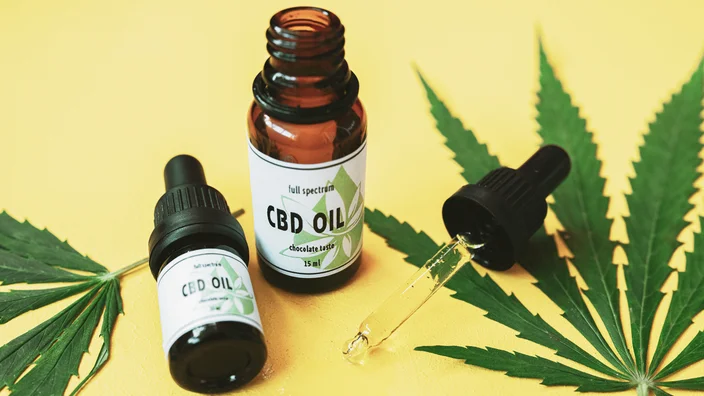
What is CBD? Understanding Cannabidiol as an Active Ingredient
CBD, short for cannabidiol, is one of the most prominent cannabinoids found in the Cannabis sativa plant. Cannabinoids are chemical compounds that interact with receptors in the human body to produce various effects, primarily through the endocannabinoid system (ECS). While THC (tetrahydrocannabinol) and CBD are the two most well-known cannabinoids, the cannabis plant contains over 100 cannabinoids, each with unique properties. Understanding how CBD works and differs from other cannabinoids, especially THC, provides valuable insight into why it’s become a popular ingredient in both medical and wellness products.
The Breakdown of CBD, THC, and Other Cannabinoids
- CBD (Cannabidiol): CBD is non-psychoactive, meaning it does not produce a “high.” Research shows CBD may have therapeutic effects, such as reducing inflammation, alleviating pain, reducing anxiety, and even managing certain seizure disorders. CBD’s broad range of potential health benefits and its lack of intoxicating effects make it suitable for individuals seeking natural wellness solutions.
- THC (Tetrahydrocannabinol): THC is the psychoactive compound in cannabis that produces the feeling of being “high.” While THC also offers medicinal benefits, particularly in pain management, appetite stimulation, and nausea reduction, its psychoactive nature limits its appeal for some users. THC and CBD share some therapeutic properties but operate differently within the body, particularly in how they interact with ECS receptors.
- Other Cannabinoids: The cannabis plant contains various other cannabinoids, including cannabigerol (CBG), cannabinol (CBN), and tetrahydrocannabivarin (THCV), each with unique effects. For instance, CBG has shown potential as an anti-inflammatory and antibacterial agent, while CBN may have sedative effects. While less studied than CBD and THC, these cannabinoids contribute to the overall therapeutic profile of the cannabis plant, especially when combined in full-spectrum products.
Difference Between Hemp-Derived CBD Products and Full-Spectrum Cannabis Products
CBD products are typically categorized as either hemp-derived or cannabis-derived (often called full-spectrum). This distinction is essential, as it affects both the legality and the composition of the product:
- Hemp-Derived CBD: Hemp-derived CBD comes from the industrial hemp plant, a variety of Cannabis sativa with naturally low THC levels (below 0.3% by federal law). Hemp-derived products are legal in many regions due to their low THC content, making them non-intoxicating. CBD oils, capsules, and topicals derived from hemp are popular among users who want the benefits of CBD without any psychoactive effects.
- Full-Spectrum Cannabis Products: Full-spectrum CBD products contain the complete range of cannabinoids, terpenes, and flavonoids found in the cannabis plant, including THC. The “entourage effect” theory suggests that the therapeutic effects of cannabinoids are enhanced when they work together rather than in isolation. Full-spectrum products, therefore, offer a more potent effect profile, although they may contain trace amounts of THC, which could be psychoactive depending on the concentration. These products are often sought after for conditions that may require a more comprehensive approach, such as chronic pain or severe anxiety.
The Endocannabinoid System (ECS) and CBD’s Mechanism of Action
The ECS is a complex cell-signaling system that plays a crucial role in maintaining homeostasis, or balance, within the body. It consists of three main components: endocannabinoids (natural cannabinoids produced by the body), receptors, and enzymes. The two primary receptors in the ECS are CB1 and CB2, which are found throughout the body in different concentrations.
- CB1 Receptors: These receptors are primarily located in the brain and central nervous system and are responsible for many of THC’s psychoactive effects. THC binds directly to CB1 receptors, leading to the feeling of being “high.”
- CB2 Receptors: Found mostly in the immune system and peripheral tissues, CB2 receptors are associated with anti-inflammatory and immune-modulating effects. CBD does not bind directly to these receptors; instead, it influences the ECS indirectly by increasing the availability of natural endocannabinoids and interacting with non-cannabinoid receptors, like serotonin receptors, which can help regulate mood and pain.
CBD’s interaction with the ECS helps explain its wide range of effects. By supporting the ECS’s role in regulating bodily processes like pain, mood, and immune response, CBD can promote balance without causing the intoxicating effects associated with THC. This unique mechanism of action makes CBD a versatile therapeutic compound and an appealing option for individuals seeking holistic wellness support without experiencing a “high.”
The Rise of CBD Products in the Market
The CBD industry has seen remarkable growth over the past decade, transforming from a niche market into a mainstream wellness phenomenon. With a wide range of products readily available, including oils, edibles, topicals, capsules, and even pet products, CBD has become a staple in the wellness routines of millions of people around the world. But what has driven this surge in popularity, and what should consumers know about these diverse product offerings?
As the CBD industry continues to expand, so does the variety of CBD products on the market. Each product type has its unique application, onset time, and duration of effects, catering to different preferences and therapeutic needs:
- CBD Oils and Tinctures: CBD oils and tinctures are among the most popular and versatile forms of CBD. They are typically taken sublingually (under the tongue), which allows for rapid absorption into the bloodstream. Oils and tinctures are ideal for users seeking quick relief from anxiety, pain, or sleep issues.
- Edibles (Gummies, Capsules, and Tablets): CBD-infused edibles like gummies, capsules, and tablets offer a convenient and discreet way to consume CBD. Edibles have a slower onset time (usually 30 minutes to 2 hours) because they need to be digested first, but they provide longer-lasting effects. These products are popular among users who prefer a steady release of CBD throughout the day.
- Topicals (Creams, Balms, and Lotions): CBD topicals are applied directly to the skin and are often used for targeted relief from pain, inflammation, or skin conditions. They work by interacting with localized cannabinoid receptors in the skin without entering the bloodstream, making them ideal for those looking to address muscle soreness, arthritis, or skin irritation.
- Vapes and Inhalers: Inhaled forms of CBD, such as vapes and inhalers, provide the fastest onset of effects, as the CBD is absorbed directly into the bloodstream through the lungs. However, the effects may be shorter-lived compared to other forms. Vaping is popular among users who need immediate relief, such as for acute anxiety or pain, though it may not be suitable for everyone due to potential respiratory concerns.
- CBD Isolates, Broad-Spectrum, and Full-Spectrum Products: CBD products are further classified into isolates, broad-spectrum, and full-spectrum, depending on the cannabinoids they contain. Isolates are pure CBD with no other cannabinoids, broad-spectrum products contain CBD and other cannabinoids but no THC, and full-spectrum products contain the complete range of cannabinoids, including trace amounts of THC. These classifications offer different options for users who may want to avoid THC or benefit from the “entourage effect” of multiple cannabinoids working together.
Trends in Cannabidiol Extracts Sold Online and Over-the-Counter
The rise of e-commerce and online dispensaries has made CBD products more accessible than ever, enabling consumers to purchase a wide array of cannabidiol extracts from the comfort of their homes. Online platforms offer everything from CBD oils to specialized formulations for specific conditions, such as sleep, pain, or anxiety relief. Many users appreciate the convenience of online shopping and the ability to access product information, reviews, and third-party lab test results.
Additionally, brick-and-mortar stores, including wellness shops, pharmacies, and even grocery stores, now stock various CBD products. The availability of CBD products over the counter has increased public awareness and acceptance, further fueling the market’s growth.
The online CBD marketplace has also encouraged brands to adopt stringent quality standards, as consumers increasingly demand transparency and safety. Many reputable online brands provide third-party lab testing results, allowing users to verify product purity, potency, and safety.
Safety and Efficacy Considerations for Nonprescription CBD Products
While the popularity of CBD has brought increased accessibility, it’s essential to consider safety and efficacy, especially with nonprescription CBD products that are not regulated by the FDA. Some key considerations include:
- Quality and Purity: The lack of regulation means that CBD products can vary significantly in quality. Reputable brands often conduct third-party testing to ensure that their products are free from contaminants, such as pesticides, heavy metals, and residual solvents, and contain the advertised levels of CBD. Consumers should look for brands that make lab test results readily available.
- Dosage Consistency: Unlike prescription medications, nonprescription CBD products may not provide precise dosing guidelines, which can lead to inconsistencies in effectiveness. Beginners are often advised to start with a low dose and gradually increase until they find their optimal dose.
- Product Labeling: Since CBD is not fully regulated, misleading product labeling is a concern. Consumers should be cautious of products that make unsupported health claims or provide vague information about cannabinoid content. Labels should clearly state the CBD concentration, serving size, and ingredient list.
- Reputable Sources: Purchasing from trusted sources is critical to ensuring product quality. When buying online, it’s advisable to select established brands with positive reviews, transparent practices, and clear labeling. For those purchasing CBD in-store, it’s helpful to ask about sourcing, ingredients, and whether the store carries products that have been third-party tested.
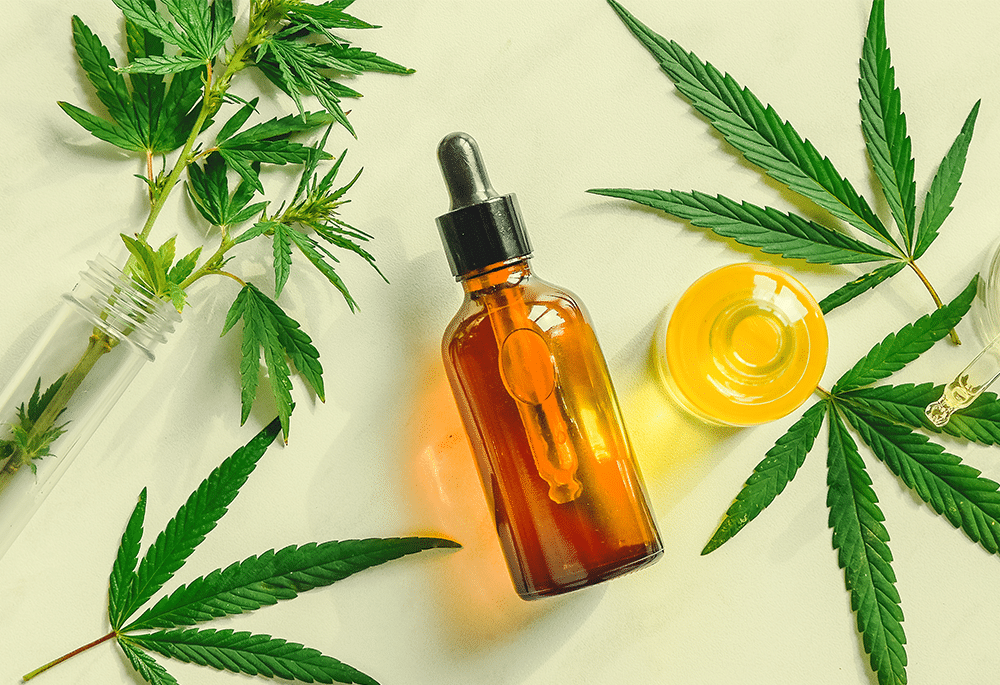
The Appeal of CBD Products for Health and Wellness
The widespread popularity of CBD can be attributed to its natural origins, relative safety profile, and versatility in addressing a range of health concerns. Many people turn to CBD as a natural alternative to pharmaceutical medications, especially those seeking relief from conditions like chronic pain, anxiety, and sleep disorders. Additionally, CBD’s role in wellness extends beyond specific health issues, as many users incorporate it into their daily routines for overall balance, relaxation, and preventive health.
The diverse range of products allows consumers to tailor their CBD use to suit their personal preferences and needs, whether they prefer a fast-acting vape, a tasty edible, or a topical for localized relief. This flexibility, combined with the general appeal of natural wellness solutions, has solidified CBD’s position as a mainstream wellness option, contributing to the ongoing rise of the CBD market.
CBD Side Effects: A General Overview
As CBD continues to gain popularity as a therapeutic option, understanding its side effects becomes essential for safe and effective use. Although many individuals tolerate CBD well, it’s important to recognize that, like any supplement or medication, CBD can cause side effects. The severity and likelihood of these side effects can vary based on factors such as the dosage, individual sensitivity, and the type of CBD product used.
This section provides a general overview of CBD’s potential side effects, ranging from mild and temporary to more severe reactions that may require caution or consultation with a healthcare provider.
Common and Mild Side Effects of CBD
Most users report only mild side effects from CBD, especially when they start with a low dose and gradually increase it. These effects are generally short-lived and can often be managed by adjusting the dosage or timing of use.
- Dry Mouth: One of the most frequently reported side effects of CBD is dry mouth. CBD can affect saliva production by interacting with cannabinoid receptors located in salivary glands, leading to a dry, uncomfortable sensation. Staying hydrated and drinking water before and after taking CBD can help alleviate this side effect.
- Drowsiness and Fatigue: While CBD is often used to promote relaxation and improve sleep, some individuals experience drowsiness or fatigue as a side effect. This is more likely with higher doses of CBD, especially for individuals who are new to CBD or sensitive to cannabinoids. For those who experience this side effect, taking CBD in the evening rather than during the day may help avoid unwanted sleepiness.
- Reduced Appetite: Unlike THC, which is known to stimulate appetite, CBD may suppress appetite in some users. While this effect can be beneficial for those trying to manage their weight, it may be undesirable for others, especially individuals with conditions that already affect their appetite.
- Digestive Issues: In some cases, CBD can cause mild digestive discomfort, such as nausea, upset stomach, or diarrhea. These side effects are more likely with higher doses of CBD or when taking CBD products with added ingredients that may irritate the stomach. If you experience digestive issues, it may help to take CBD with food or switch to a different form, such as a topical or sublingual oil.
Temporary Versus Persistent Side Effects
CBD side effects are typically temporary and tend to decrease as the body adjusts to the compound. However, some users may experience persistent side effects, especially if they are taking high doses or using CBD frequently. If side effects continue despite adjusting the dosage, it may be best to discontinue use and consult a healthcare provider.
Persistent side effects can also vary depending on the form of CBD product used. For instance, inhaled forms of CBD, such as vaping, may cause irritation in the respiratory system, while edibles may be more likely to cause digestive discomfort.
Factors Influencing CBD Side Effects
The likelihood and intensity of side effects from CBD can depend on several individual and product-related factors, including:
- Dosage: Higher doses of CBD are more likely to cause noticeable side effects. For beginners, starting with a low dose and gradually increasing is generally recommended to avoid adverse reactions.
- Individual Sensitivity: People respond to CBD differently, and some may be more sensitive to its effects. Factors like age, body weight, metabolism, and overall health can influence how one experiences CBD.
- Product Type and Quality: Full-spectrum CBD products, which contain trace amounts of THC and other cannabinoids, may produce different effects than CBD isolates, which contain pure CBD. Additionally, the quality of CBD products can impact side effects; low-quality products may contain contaminants or inconsistent cannabinoid levels, increasing the risk of adverse reactions.
- Form of Consumption: CBD can be consumed in various forms, including oils, edibles, topicals, and vapes. Each form has a different absorption rate, which affects how quickly and intensely side effects appear. For example, inhaled CBD (such as through vaping) has a rapid onset and may cause immediate effects, while edibles take longer to digest and may lead to more sustained side effects.
When to Consult a Healthcare Provider
While most side effects of CBD are mild and manageable, there are cases where it may be necessary to consult a healthcare provider. Individuals with certain health conditions, such as liver disease or metabolic disorders, should use CBD with caution, as it can affect liver enzymes and other metabolic processes. Additionally, those taking other medications should be aware of potential interactions, as CBD can influence the way the body metabolizes other drugs.
If you experience severe or persistent side effects, or if you’re unsure about the safety of combining CBD with your current medications, it’s essential to consult a healthcare professional. A doctor can help determine the appropriate dosage, advise on potential interactions, and provide guidance tailored to your health profile.
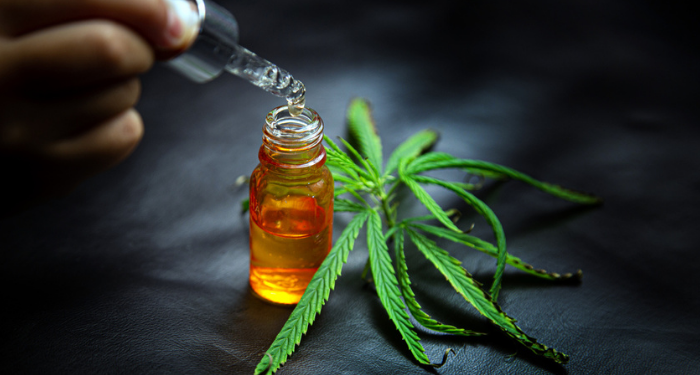
While CBD is generally considered safe, it’s not without potential side effects. Most users experience mild, temporary effects that can be managed with proper dosing and hydration. However, understanding the factors that influence these side effects, including individual sensitivity and product quality, is key to using CBD safely and effectively. With the right approach, many individuals can enjoy the therapeutic benefits of CBD while minimizing the risk of adverse reactions.
Mild to Moderate CBD Side Effects
While CBD is widely praised for its therapeutic potential and relatively safe profile, users may still experience mild to moderate side effects, especially as they first start using CBD or increase their dosage. Most of these side effects are not harmful and can often be managed or avoided by adjusting the dosage or timing of CBD use. Understanding these common side effects helps users set realistic expectations and manage any discomfort that might arise.
1. Dry Mouth
One of the most commonly reported side effects of CBD is dry mouth, often referred to as “cottonmouth.” This sensation occurs because cannabinoids, including CBD, can reduce saliva production by interacting with the receptors in the salivary glands. While this effect is harmless, it can be uncomfortable.
Tips to Manage Dry Mouth:
- Stay Hydrated: Drinking plenty of water before and after taking CBD can help alleviate dry mouth.
- Chew Sugar-Free Gum: This stimulates saliva production, helping to counter the effects of dry mouth.
- Avoid Caffeine and Alcohol: These substances can exacerbate dehydration, making the sensation worse.
2. Drowsiness and Fatigue
CBD is often praised for its calming and relaxing effects, making it a popular choice for managing anxiety and improving sleep. However, for some users, especially those sensitive to CBD, it may lead to drowsiness or feelings of fatigue, particularly at higher doses. This side effect can be beneficial for individuals using CBD for insomnia or other sleep-related issues, but it may be inconvenient for those using it during the day.
Tips to Manage Drowsiness and Fatigue:
- Lower the Dosage: Reducing the dose can help minimize drowsiness, especially for new users or those sensitive to CBD.
- Take CBD in the Evening: For individuals using CBD to promote relaxation or sleep, taking it in the evening can help avoid unwanted drowsiness during the day.
- Start with Small Doses: Gradually increasing the dose allows users to find the optimal amount that provides benefits without causing fatigue.
3. Reduced Appetite
While THC, another cannabinoid, is known for stimulating appetite, CBD may have the opposite effect for some users, causing a reduction in appetite. This effect can be advantageous for those seeking to manage their weight but may be undesirable for individuals with health conditions that already impact their appetite.
Tips to Manage Reduced Appetite:
- Time CBD Intake Around Meals: Taking CBD after meals may help avoid a loss of appetite.
- Try Different CBD Products: Edibles or flavored oils may be easier to consume without affecting appetite as significantly as some other forms.
- Monitor Your Response: If reduced appetite persists or becomes a concern, consider lowering the dosage or consulting with a healthcare professional.
4. Digestive Issues
Some individuals experience mild digestive issues when taking CBD, such as nausea, stomach discomfort, or even diarrhea. These side effects are more common with higher doses of CBD or when the product contains added ingredients that may irritate the digestive system, such as certain flavorings or oils used in CBD tinctures and edibles.
Tips to Manage Digestive Issues:
- Take CBD with Food: Consuming CBD with a meal may help reduce nausea and stomach upset.
- Switch Product Types: For those sensitive to ingestible forms, trying a topical CBD product can provide localized relief without affecting digestion.
- Gradual Dosage Increase: Slowly increasing the dose over time allows the body to adapt to CBD, potentially reducing the likelihood of digestive issues.
5. Lightheadedness and Low Blood Pressure
Some users report feeling lightheaded or experiencing a slight drop in blood pressure after taking CBD. This effect is usually temporary and may occur when CBD interacts with blood flow regulation mechanisms in the body. People with low blood pressure or those prone to dizziness may be more susceptible to this effect.
Tips to Manage Lightheadedness:
- Stay Seated After Taking CBD: Sitting down and giving the body time to adjust can help prevent dizziness.
- Stay Hydrated: Drinking water can support blood flow and prevent feelings of lightheadedness.
- Reduce Dosage: Lowering the dose may help avoid this effect, especially for individuals sensitive to blood pressure changes.
Severe CBD Side Effects: What the Research Says
While CBD is generally considered safe for most people, some users may experience severe side effects, especially at higher doses or with prolonged use. Although these effects are rare, awareness of them is essential, particularly for individuals with pre-existing health conditions or those taking other medications. Research from clinical trials and preclinical studies has identified a few notable severe side effects associated with CBD, including liver toxicity and drug interactions, which underscore the importance of careful dosing and medical guidance.
1. Liver Injury and Toxicity
One of the most concerning severe side effects associated with CBD use is liver injury. Studies have shown that high doses of CBD may affect liver enzymes, potentially leading to liver toxicity, particularly in users with pre-existing liver conditions or those taking CBD in conjunction with medications metabolized by the liver.
- Clinical Evidence: A study on the FDA-approved CBD medication Epidiolex, which is used to treat certain types of epilepsy, found that a small percentage of users experienced elevated liver enzymes, indicating liver stress or damage. These effects were particularly pronounced at high doses and in individuals taking other liver-metabolized medications, such as valproic acid, a common anti-seizure drug.
- Risk Factors: Individuals with pre-existing liver disease, a history of liver issues, or those using CBD alongside medications that affect liver enzymes are at a higher risk of liver injury. Regular liver function tests are recommended for these individuals if they choose to use CBD, especially at higher doses.
Tips for Managing Liver Health:
- Consult a Healthcare Provider: Before using CBD, especially if you have liver-related health concerns, consult a healthcare professional to assess any potential risks.
- Opt for Lower Doses: Start with a low dose and gradually increase only if necessary, as higher doses are more likely to affect liver function.
- Monitor Liver Enzyme Levels: Periodic liver function tests can help monitor any adverse effects on the liver over time, especially for long-term or high-dose users.
2. Drug Interactions and Increased Blood Levels of Other Medications
CBD is metabolized by cytochrome P450 enzymes in the liver, a group of enzymes responsible for processing many other drugs. CBD can inhibit these enzymes, leading to increased blood levels of other medications, which can heighten the risk of side effects or toxicity from those drugs. This effect is similar to what occurs with grapefruit, which also inhibits cytochrome P450 enzymes.
- Medications Affected: Common drugs that may interact with CBD include blood thinners (e.g., warfarin), anti-seizure medications (e.g., valproic acid), antidepressants, and pain relievers. If CBD causes these medications to remain in the bloodstream longer or at higher levels than intended, it can increase the likelihood of adverse effects or complications.
- Clinical Data: Studies and reports on Epidiolex indicate that some patients experienced adverse effects due to elevated levels of their other medications when taking CBD. For example, patients on blood thinners have shown higher levels of these drugs in their bloodstream when taking CBD, increasing the risk of bleeding.
Tips for Managing Drug Interactions:
- Discuss with a Doctor: Always consult with a healthcare professional, especially if you are on medication. They can help monitor blood levels of medications and adjust dosages as needed.
- Adjust Dosing Schedule: Taking CBD and other medications at different times of day may help reduce interactions, though this approach should be discussed with a healthcare provider.
- Use Only Reputable CBD Products: Some CBD products may have inconsistent labeling, leading to unexpected dosing. Choose products that undergo third-party lab testing for quality and accuracy.
3. Psychotic Symptoms and Mental Health Risks
Although rare, some studies suggest that high doses of CBD may cause or exacerbate psychotic symptoms, particularly in individuals predisposed to mental health conditions. While CBD is often touted for its anxiolytic (anti-anxiety) properties, excessive doses can occasionally lead to adverse mental health effects, including paranoia, anxiety, and even hallucinations in some cases.
- Who is at Risk: Individuals with a history of psychotic disorders, such as schizophrenia, or those susceptible to anxiety disorders may be more sensitive to high doses of CBD. While low to moderate doses are usually well-tolerated, excessive doses can lead to overstimulation and exacerbate mental health issues in certain individuals.
- Evidence from Studies: Research into the psychotropic effects of CBD at extremely high doses has shown that, while CBD does not produce the same psychoactive “high” as THC, it can influence mood and perception when taken in large amounts.
Tips for Managing Mental Health Effects:
- Start with a Low Dose: To minimize the risk of psychotic symptoms or anxiety, start with the lowest effective dose and increase only if needed.
- Monitor Reactions Closely: Users prone to anxiety or those with a history of mental health disorders should carefully monitor their response to CBD and discontinue use if adverse mental effects occur.
- Avoid Mixing with THC Products: Combining CBD with THC, especially in higher doses, may increase the risk of psychotic symptoms for susceptible individuals.
4. Severe Digestive Issues
While mild digestive discomfort is common, some individuals may experience severe gastrointestinal issues with CBD, such as persistent nausea, vomiting, or diarrhea, especially at high doses. This can be particularly problematic for individuals with pre-existing digestive disorders, as CBD can sometimes exacerbate symptoms or cause new digestive problems.
- High Dose Effects: Larger doses of CBD are more likely to cause significant gastrointestinal side effects, as the digestive system must process the compound. For those with conditions like irritable bowel syndrome (IBS) or Crohn’s disease, severe digestive symptoms can be particularly disruptive.
Tips for Managing Severe Digestive Issues:
- Switch to Topicals or Sublingual Oils: For those experiencing digestive issues, opting for non-ingestible forms, like topicals or sublingual oils, can reduce the risk of upsetting the digestive system.
- Reduce Dosage: Lowering the dose or taking CBD with a meal may help reduce the likelihood and severity of gastrointestinal side effects.
- Monitor Symptoms: If severe symptoms persist, discontinue use and consult a healthcare professional for further guidance.
5. Sedation and Excessive Fatigue
While mild drowsiness is a common side effect, some users report excessive sedation or fatigue, especially with high doses or long-term use. This can interfere with daily activities, making it difficult to function or stay alert.
- Risk Factors: Higher doses, as well as certain types of CBD products (such as those containing other sedative compounds like melatonin), are more likely to cause significant drowsiness. This effect can be especially problematic for individuals who need to stay alert during the day, such as those who drive or operate machinery.
Tips for Managing Sedation:
- Use in the Evening: For individuals experiencing excessive fatigue, taking CBD in the evening can help avoid interference with daytime activities.
- Adjust Dosage: Reducing the dose may alleviate excessive sedation and provide a more balanced effect.
- Switch to Different Forms: Some forms of CBD, such as topicals, may be less likely to cause drowsiness, as they don’t enter the bloodstream in the same way as ingestible products.
CBD and Drug Interactions
CBD’s effects extend beyond its interaction with the endocannabinoid system; it also impacts liver enzymes that play a crucial role in metabolizing medications. When taken in combination with certain drugs, CBD may alter how these drugs are processed in the body, potentially leading to unintended side effects or heightened levels of the medications. Understanding these interactions is essential, especially for individuals managing multiple health conditions with various prescriptions.
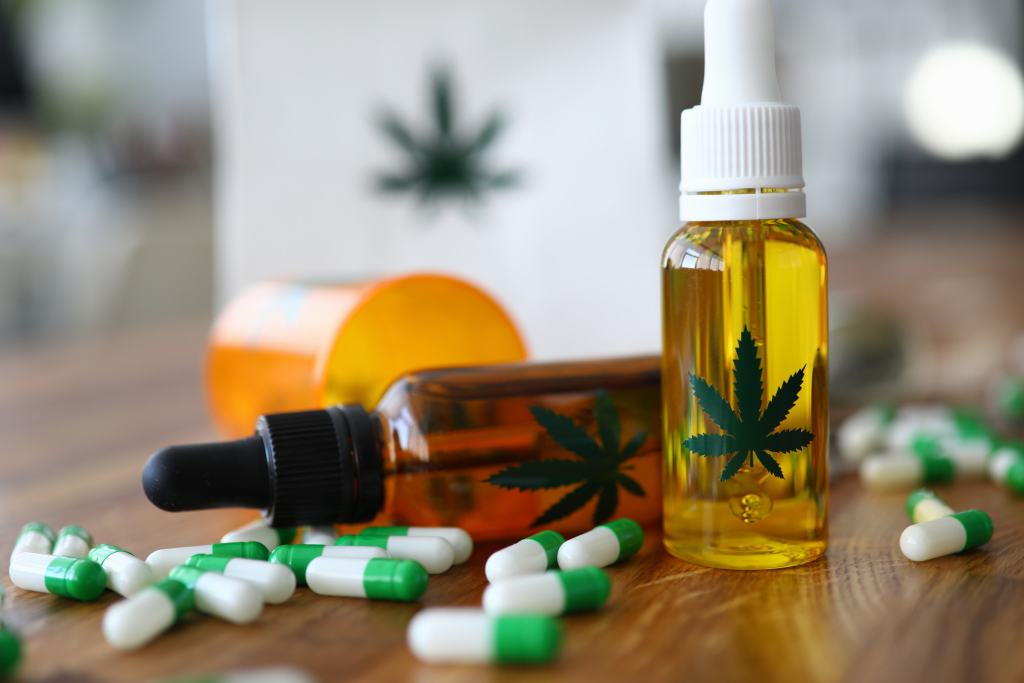
How CBD Interacts with Other Medications
CBD is primarily metabolized by enzymes in the liver, particularly cytochrome P450 (CYP450) enzymes. These enzymes are also responsible for breaking down a wide range of medications, from blood thinners to antidepressants. CBD can inhibit the function of these enzymes, slowing down the metabolism of certain drugs and increasing their concentration in the bloodstream. This interaction is known as the “grapefruit effect” because grapefruit has similar enzyme-inhibiting properties.
Medications Commonly Affected by CBD
- Blood Thinners: Medications like warfarin may be affected by CBD, as slower metabolism can lead to elevated drug levels, increasing the risk of bleeding.
- Anti-Seizure Drugs: Some anti-epileptic medications, such as valproic acid, may become more potent when combined with CBD, raising the risk of liver toxicity or other adverse effects.
- Antidepressants and Anxiety Medications: CBD may enhance the effects of certain SSRIs and benzodiazepines, leading to increased sedation or heightened effects.
- Pain Relievers: Opioids and nonsteroidal anti-inflammatory drugs (NSAIDs) may also be impacted by CBD, potentially causing increased side effects.
Managing CBD and Medication Interactions
For individuals taking any of these medications, consulting with a healthcare provider is crucial before incorporating CBD into their regimen. Some strategies for managing interactions include:
- Dosing Adjustments: Healthcare professionals may recommend adjusting either the CBD dose or the medication dose to prevent adverse effects.
- Spacing Out Timing: Taking CBD and medications at different times of day may help reduce the interaction, though this approach should be tailored by a doctor.
- Regular Monitoring: Regular blood tests may be advised to monitor drug levels in the system, particularly for drugs with narrow therapeutic windows, like blood thinners.
CBD’s Impact on Mental Health
CBD is often praised for its potential benefits on mental health, particularly its reported ability to reduce anxiety, alleviate symptoms of post-traumatic stress disorder (PTSD), and help with certain mood disorders. However, while many users find CBD beneficial for mental health, it’s essential to recognize that CBD can also lead to adverse mental health effects in some cases, especially at higher doses or when used without proper medical guidance. Understanding both the potential benefits and risks of CBD for mental health can help users make informed decisions.
Potential Mental Health Benefits of CBD
Research into CBD’s mental health benefits is ongoing, with many studies showing promise in the following areas:
- Anxiety Reduction: CBD has been widely studied for its anxiolytic (anxiety-reducing) effects. Studies suggest that CBD may interact with serotonin receptors in the brain, potentially helping to regulate mood and anxiety. Many users report feeling calmer and more relaxed after taking CBD, making it a popular choice for those with general anxiety or social anxiety.
- PTSD Symptom Relief: Preliminary studies indicate that CBD may help reduce some symptoms associated with PTSD, such as nightmares and hypervigilance. Some veterans and trauma survivors have reported that CBD helps them manage their symptoms, allowing for better sleep and reduced intrusive thoughts.
- Mood Stabilization: CBD’s interaction with the endocannabinoid system may help regulate mood and emotion, which has sparked interest in its potential use for depression and mood disorders. Although research is still limited, some individuals with bipolar disorder or depression have found CBD beneficial when used alongside other treatments.
Risks and Adverse Effects on Mental Health
While CBD’s potential mental health benefits are promising, adverse effects can occur, particularly in those predisposed to mental health conditions. High doses or long-term use of CBD can occasionally lead to unwanted psychological side effects, such as:
- Increased Anxiety: While CBD is known for its calming effects, high doses can occasionally lead to heightened anxiety in some individuals. This may be due to overstimulation of serotonin receptors or an individual’s unique sensitivity to cannabinoids.
- Paranoia and Psychotic Symptoms: Although CBD does not produce the psychoactive “high” that THC does, some users may still experience paranoia or psychotic-like symptoms, particularly if they are predisposed to psychotic disorders like schizophrenia. Research suggests that individuals with a history of mental health disorders should approach CBD with caution, as high doses might exacerbate certain symptoms.
- Mood and Sleep Disruptions: In some cases, CBD may cause sleep disruptions, mood swings, or irritability. These side effects are often dose-dependent, with higher doses being more likely to produce such adverse effects.
Guidelines for Safe Use of CBD for Mental Health
To maximize the mental health benefits of CBD while minimizing risks, consider the following guidelines:
- Start with a Low Dose: Beginning with a small dose allows users to monitor their response without overwhelming the body, reducing the risk of adverse psychological effects.
- Monitor Mental Health Symptoms: Keep track of any changes in mood, anxiety levels, or sleep patterns. If adverse effects arise, consider lowering the dose or taking a break from CBD.
- Consult a Healthcare Professional: For those with pre-existing mental health conditions, consulting with a healthcare provider before starting CBD is essential. A professional can help determine the appropriate dose and monitor any potential interactions with prescribed medications.
- Avoid Mixing CBD with THC: Combining CBD with THC may increase the risk of adverse mental health effects, particularly for individuals susceptible to anxiety or paranoia.
CBD in Pain Management and Chronic Conditions
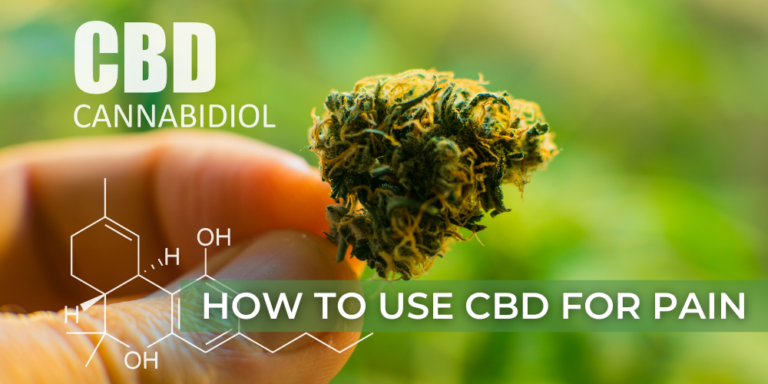
CBD has gained considerable attention for its potential to help manage chronic pain and various long-term conditions. With millions of people worldwide suffering from conditions that involve persistent pain, inflammation, and discomfort, CBD offers a natural alternative to traditional pain medications. Its interaction with the endocannabinoid system (ECS), combined with anti-inflammatory properties, makes CBD an appealing option for individuals seeking relief from chronic pain, joint issues, and neurological disorders.
How CBD Helps with Pain Management
CBD influences pain perception primarily through its effects on the endocannabinoid system, which is responsible for maintaining balance in bodily functions such as pain and inflammation. When CBD interacts with the ECS, it binds indirectly to receptors involved in pain signaling and inflammation:
- Reducing Inflammation: Inflammation is a primary contributor to chronic pain, especially in conditions like arthritis, multiple sclerosis, and inflammatory bowel disease. CBD’s anti-inflammatory properties may help reduce pain and swelling by modulating immune responses and reducing pro-inflammatory cytokine activity.
- Alleviating Nerve Pain (Neuropathic Pain): CBD may be particularly effective for nerve pain, or neuropathy, which often occurs in conditions such as diabetes, multiple sclerosis, and spinal cord injuries. Studies suggest that CBD may help prevent or reduce neuropathic pain by influencing the body’s pain pathways and reducing inflammation around the nerves.
- Muscle Relaxation and Spasm Control: For individuals with conditions like multiple sclerosis, where muscle spasms and stiffness are common, CBD may offer relief by relaxing muscles and reducing spasms. In clinical studies, CBD has shown promise in reducing muscle spasticity, making it a useful option for those with neuromuscular conditions.
Conditions Commonly Managed with CBD
- Arthritis: Arthritis, which causes inflammation and stiffness in the joints, affects millions of people worldwide. CBD’s anti-inflammatory and pain-relieving effects have made it a popular choice among arthritis sufferers looking to reduce joint pain and improve mobility.
- Multiple Sclerosis (MS): MS is an autoimmune disorder characterized by nerve damage, pain, and muscle spasms. CBD may help alleviate some symptoms of MS by reducing muscle spasticity and neuropathic pain. Studies have shown that CBD-based medications, such as Sativex (a combination of CBD and THC), have been effective in reducing spasticity in MS patients.
- Chronic Back Pain: Chronic back pain is one of the most common reasons people seek CBD. Unlike traditional painkillers, which may lead to tolerance and dependence, CBD offers a natural alternative with fewer risks. Users often report reduced back pain and improved range of motion with regular CBD use.
- Fibromyalgia: This complex condition involves widespread pain, fatigue, and heightened pain sensitivity. Some studies suggest that CBD may reduce the pain and improve sleep quality for those with fibromyalgia, though more research is needed.
- Migraines and Headaches: CBD has also shown potential in helping to reduce the frequency and severity of migraines and headaches, especially those that result from inflammation or nerve sensitivity.
The Role of CBD in Comparison to Traditional Painkillers
Traditional painkillers, such as NSAIDs, opioids, and even acetaminophen, come with side effects and risks, including gastrointestinal issues, dependency, and tolerance buildup. CBD, in contrast, offers a lower risk of dependency and fewer side effects, making it an attractive alternative. Additionally, CBD’s potential as an anti-inflammatory agent may address the root cause of pain, especially in conditions related to chronic inflammation.
Guidelines for Using CBD in Pain Management
For individuals considering CBD for chronic pain, the following guidelines can help maximize effectiveness and safety:
- Start with a Low Dose: As with any new supplement, it’s best to begin with a low dose of CBD and increase gradually until the desired level of pain relief is achieved.
- Choose the Right Product Type: For chronic pain, products like CBD oils, capsules, and even topicals (for localized relief) can be effective. Inhaled forms, such as vaping, offer rapid relief but may not provide long-lasting effects.
- Combine with a Balanced Lifestyle: While CBD can be an effective part of a pain management routine, combining it with a balanced diet, regular exercise, and good sleep hygiene can further enhance its benefits.
- Consult with a Healthcare Provider: For those with chronic conditions or those already taking other pain medications, consulting a healthcare provider can ensure safe and effective use of CBD, particularly in regard to dosing and potential drug interactions.
Medical Use Cases: FDA-Approved CBD Treatments
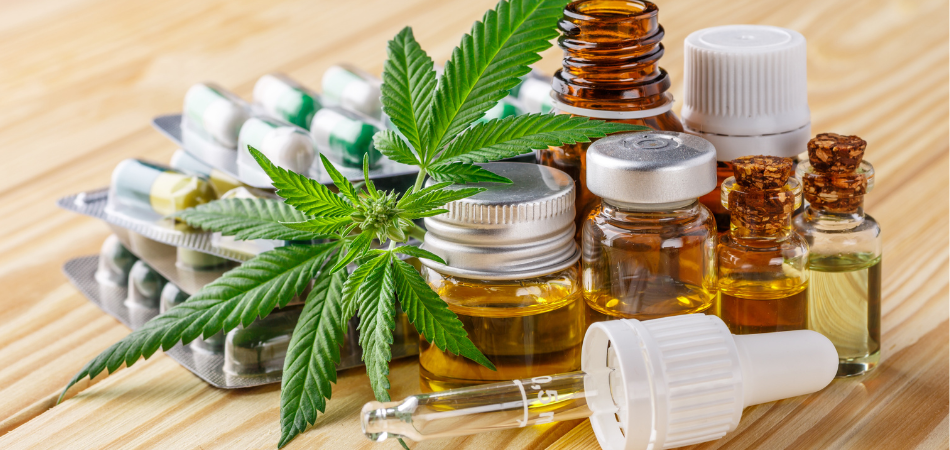
While many people use CBD as an over-the-counter supplement, there is one significant FDA-approved use for cannabidiol: treating specific, severe forms of epilepsy. In 2018, the U.S. Food and Drug Administration (FDA) approved a CBD-based medication called Epidiolex, marking the first time a cannabis-derived drug received federal approval. Epidiolex is primarily used for rare forms of epilepsy in children and young adults, and its approval has opened doors for further research into CBD’s medical applications.
FDA-Approved Use of Epidiolex for Epilepsy
Epidiolex is an oral solution containing purified CBD and is specifically approved to treat two rare and severe forms of epilepsy: Dravet syndrome and Lennox-Gastaut syndrome. Both of these conditions are characterized by frequent, intense seizures that can be resistant to traditional antiepileptic drugs, making treatment particularly challenging.
- Dravet Syndrome: A genetic condition that typically appears in infancy, Dravet syndrome is marked by treatment-resistant seizures and developmental delays. Studies have shown that Epidiolex can reduce seizure frequency, providing much-needed relief for those affected.
- Lennox-Gastaut Syndrome: Typically beginning in early childhood, Lennox-Gastaut syndrome is another difficult-to-manage epileptic disorder characterized by multiple types of seizures and intellectual impairment. Clinical trials have shown that Epidiolex significantly reduces seizure frequency for individuals with this condition, even when other medications have proven ineffective.
Clinical Trials and Research Supporting Epidiolex
The approval of Epidiolex followed a series of rigorous clinical trials that demonstrated its safety and efficacy in reducing seizures for patients with these conditions. In these trials, patients who took Epidiolex experienced a notable reduction in seizure frequency compared to those who received a placebo. This evidence-based approach has given Epidiolex credibility as a legitimate, effective treatment for specific types of epilepsy, differentiating it from nonprescription CBD products.
The results of these trials also sparked further interest in CBD’s potential to treat other types of epilepsy and neurological disorders. Researchers are now exploring whether CBD might be effective for additional seizure-related conditions and other disorders involving neurological dysfunction.
Differences Between Prescription CBD (Epidiolex) and Over-the-Counter CBD Products
One of the main distinctions between Epidiolex and over-the-counter CBD products is the level of regulation, purity, and consistency:
- Regulation and Quality Control: As an FDA-approved drug, Epidiolex is subject to rigorous manufacturing standards, quality control measures, and clinical testing. Over-the-counter CBD products, however, lack this level of scrutiny, meaning they may vary widely in quality, potency, and purity.
- Dosage and Consistency: Epidiolex is available in a standardized dosage that allows healthcare providers to carefully monitor and adjust it as needed. In contrast, the potency of CBD in nonprescription products can be inconsistent, making it difficult to achieve precise dosing.
- Purity and Formulation: Epidiolex contains only purified CBD, with no THC or other cannabinoids. Many over-the-counter products contain full-spectrum or broad-spectrum CBD, which includes other cannabinoids and terpenes. While these compounds can offer additional benefits, they also increase the risk of variability and potential side effects.
Potential for Future FDA Approvals
The success of Epidiolex has paved the way for further exploration of CBD’s medical uses. Researchers are now studying CBD for other conditions that are difficult to treat, including additional forms of epilepsy, autism spectrum disorders, and neurodegenerative diseases like Parkinson’s and Alzheimer’s. While FDA approval for these applications is not yet a reality, promising results from ongoing research may eventually lead to more cannabis-derived drugs entering the market.
Considerations for Patients Using CBD for Epilepsy
For those considering CBD as part of their epilepsy treatment plan, several factors should be considered:
- Consulting with a Healthcare Provider: Due to the complex nature of epilepsy and potential drug interactions, it is essential to work closely with a healthcare provider when incorporating CBD into a treatment regimen.
- Avoiding Unregulated Products: For epilepsy patients, using nonprescription CBD products may be risky, as these products lack the stringent quality and consistency found in prescription-grade options like Epidiolex.
- Monitoring for Side Effects: Although Epidiolex is generally well-tolerated, it can cause side effects such as liver enzyme elevation, drowsiness, and gastrointestinal discomfort. Regular monitoring and blood tests can help manage these risks.

CBD for Sleep Disorders
CBD has become a popular alternative for managing sleep disorders, particularly insomnia. Many users report that CBD helps them relax, fall asleep faster, and enjoy a more restful sleep. CBD’s potential for sleep aid lies in its interaction with receptors that influence sleep cycles, as well as its ability to reduce factors that hinder quality sleep, such as anxiety and chronic pain.
How CBD Affects Sleep
CBD may improve sleep by:
- Reducing Anxiety: Since anxiety is a major contributor to sleep disturbances, CBD’s calming effects can reduce anxious thoughts that might otherwise prevent restful sleep.
- Promoting Relaxation: CBD’s impact on the central nervous system can create a sense of calm, which may help users unwind before bed.
- Relieving Pain: For those with pain-related sleep issues, CBD’s anti-inflammatory properties may alleviate discomfort, allowing for better sleep quality.
Dosage and Timing for Sleep Benefits
For best results, users typically take CBD about an hour before bed. Sublingual oils and tinctures are often preferred as they act more quickly, whereas capsules or edibles take longer to take effect but can provide prolonged sleep support.
CBD’s Effect on Appetite and Metabolic Syndrome
CBD’s impact on appetite and metabolism can vary, but it’s generally known to have appetite-suppressing qualities, in contrast to THC, which stimulates appetite. This effect is particularly relevant to people with metabolic syndrome—a condition marked by high blood pressure, high blood sugar, and abdominal obesity.
CBD and Appetite
While CBD doesn’t stimulate appetite like THC, some users report an increase in appetite, especially with full-spectrum products. However, others may experience appetite suppression, which can benefit those looking to manage weight or reduce food intake.
CBD’s Impact on Metabolic Processes
Preliminary studies suggest that CBD may help regulate metabolism by influencing fat storage, insulin levels, and cellular processes. This regulation could have implications for people with metabolic syndrome or type 2 diabetes.
Liver Toxicity and Risks
While generally safe, high doses of CBD have been associated with liver enzyme elevations, indicating potential liver stress. This is particularly relevant for users with pre-existing liver conditions or those taking other medications that affect the liver.
Understanding Liver Toxicity Risks
- High Dosage Impact: Research shows that high doses of CBD, especially when used long-term, may pose risks for liver toxicity. Regular users or those taking prescription CBD (such as Epidiolex) should have liver enzymes monitored.
- Medication Interactions: CBD’s effect on liver enzymes may intensify the impact of certain drugs, such as anti-seizure medications, which is why monitoring is recommended when combining CBD with other medications.
Neurological Impact: Potential and Risks
CBD is studied for its potential neuroprotective properties, with some early research indicating benefits for neurological disorders like Parkinson’s disease, Alzheimer’s, and Huntington’s disease. However, long-term neurological effects are not fully understood, and risks may vary depending on the individual and dosage.
Benefits of CBD for Neurological Health
- Anti-Inflammatory and Antioxidant Properties: CBD may protect nerve cells by reducing inflammation and oxidative stress, which are major factors in neurodegenerative diseases.
- Potential for Neuroprotection: Some studies suggest CBD could slow the progression of neurodegenerative diseases, although more research is needed.
Risks and Considerations
While CBD shows promise, it’s essential to use it under professional supervision if managing neurological conditions. High doses may lead to unwanted side effects, such as drowsiness or dizziness, which could interfere with daily activities.
Legal Considerations for CBD Use
The legality of CBD varies widely depending on region and whether it’s derived from hemp or marijuana. In the U.S., hemp-derived CBD is federally legal if it contains less than 0.3% THC, but laws vary by state.
Key Legal Points
- State-Level Variability: Each U.S. state has different regulations, with some requiring specific licensing for CBD products.
- International Regulations: Outside the U.S., many countries have restrictive laws around CBD, especially if it contains any THC.
Before purchasing or using CBD, always check local regulations to ensure compliance with the law.

CBD in Pediatrics: Safety and Recommendations
CBD’s potential benefits have sparked interest in its use for pediatric conditions, especially seizure disorders like Dravet syndrome. However, pediatric use requires special caution due to potential side effects and unknown long-term risks.
Guidelines for Pediatric Use
- Strict Medical Supervision: Children should only use CBD under the guidance of a healthcare provider, as dosage and quality control are crucial.
- Avoid Unregulated Products: Prescription-grade CBD, like Epidiolex, offers quality and dosing standards that over-the-counter products do not.
Parents should consult with specialists before considering CBD for pediatric care.
CBD and Psychiatric Disorders
CBD’s anxiolytic and antipsychotic properties have drawn interest for treating psychiatric conditions, including schizophrenia and bipolar disorder. Although research is still in early stages, CBD may benefit those with specific psychiatric disorders when used under medical supervision.
Potential Benefits and Risks
CBD may alleviate symptoms of anxiety and psychosis. However, high doses can exacerbate symptoms in some individuals, and those with severe psychiatric conditions should avoid using CBD without medical guidance.
CBD in Anxiety and Stress Relief
CBD is widely recognized for its calming effects, making it a popular choice for anxiety and stress relief. Many users report reduced anxiety, improved mood, and greater mental clarity, especially when using CBD in moderate doses.
How CBD Helps with Anxiety
CBD interacts with serotonin receptors, potentially helping regulate mood and stress responses. Research also suggests that CBD may reduce social anxiety and improve performance in stressful situations, such as public speaking.
CBD’s Impact on Heart Health
CBD has shown potential benefits for heart health, particularly in reducing high blood pressure and mitigating stress-induced cardiovascular responses. Although preliminary, these findings suggest CBD may help support heart health when used appropriately.
Potential Benefits for Heart Health
- Blood Pressure Reduction: Studies indicate CBD may reduce blood pressure, especially during stressful conditions.
- Anti-Inflammatory Effects: CBD’s anti-inflammatory properties may help prevent or reduce heart-related inflammation.
Users with heart conditions should consult with their doctor before using CBD.
Preclinical and Clinical Evidence for CBD’s Effects
Both preclinical (animal) and clinical (human) studies have shown promising evidence of CBD’s therapeutic benefits. From animal studies on neuroprotection to clinical trials for epilepsy, research suggests CBD may have multiple health applications, although further studies are needed.
Importance of Clinical Evidence
Clinical trials, such as those for Epidiolex, underscore the potential of CBD for specific medical uses. More human studies are necessary to validate its broader applications and understand long-term effects.
Guidelines for Safe CBD Use
Ensuring safe CBD use involves proper dosing, selecting reputable products, and consulting healthcare professionals, especially if using other medications.
Best Practices for Safe Use
- Start Low and Go Slow: Begin with a low dose and increase gradually as needed.
- Look for Third-Party Testing: Choose CBD products verified by independent labs to ensure purity and potency.
- Consult with a Professional: For individuals with health conditions, professional advice is key to safe use.
The Future of CBD: Ongoing Research and Emerging Trend
The CBD industry is rapidly evolving, with ongoing research expanding its potential applications. Emerging trends include water-soluble CBD, CBD-infused beverages, and advancements in bioavailability, making CBD more accessible and effective for users.
What’s Next for CBD Research and Product Development
- Innovations in Delivery Methods: New forms like nanoemulsions are increasing CBD’s absorption and effectiveness.
- Focus on Specific Health Conditions: Research continues into CBD’s role in treating complex conditions like neurodegenerative diseases and mental health disorders.
The future of CBD lies in evidence-based applications and innovations that improve its efficacy, accessibility, and safety.

FAQs About CBD Side Effects
The most common side effects of CBD include dry mouth, drowsiness, reduced appetite, and mild digestive discomfort. These effects are typically mild and may lessen with adjusted dosing.
Yes, CBD can interact with certain medications, especially those metabolized by liver enzymes (like blood thinners and anti-seizure medications). Consulting a healthcare provider before combining CBD with other medications is recommended.
While many people use CBD safely over long periods, high doses may pose risks, such as liver enzyme elevations. It’s best to use CBD under medical guidance if taking it long-term or at higher doses.
CBD is known for its calming effects, potentially reducing symptoms of anxiety and stress. However, high doses can sometimes increase anxiety, especially in individuals sensitive to cannabinoids.
High doses of CBD may lead to elevated liver enzymes, indicating liver stress. Individuals with pre-existing liver conditions or those taking other liver-metabolized drugs should monitor liver health when using CBD.
The optimal dose varies per individual, but starting with a low dose and gradually increasing it is common. Consulting with a healthcare provider can help determine the right dose for chronic pain management.
Yes, many users find CBD effective for reducing anxiety and stress, as it interacts with serotonin receptors to promote relaxation. Individual results vary, so experimenting with low doses is advisable.
Yes, the FDA has approved Epidiolex, a CBD-based medication used to treat severe epilepsy types. Other CBD products are available over the counter but are not FDA-approved for medical treatments.
To minimize adverse effects, start with a low dose, choose quality-tested CBD products, and stay hydrated. Adjusting the dosage and timing of CBD intake can also help manage side effects.
CBD derived from hemp with less than 0.3% THC is federally legal in the U.S., but state laws vary. Always check local regulations before purchasing or using CBD products.
CBD offers promising benefits, from pain and anxiety relief to managing chronic conditions, making it a popular natural supplement. However, effective and safe use requires awareness of its potential side effects and interactions with medications. Consulting with healthcare providers, especially when using CBD with other medications, ensures a safer experience.
Starting with a low dose, choosing high-quality, lab-tested products, and monitoring personal responses are essential steps for new users. As research expands, CBD is likely to become an even more established option in holistic health practices. By using it mindfully and staying informed, individuals can maximize CBD’s benefits while minimizing risks, making it a valuable part of a balanced wellness routine.


