


As businesses strive to meet ever-growing customer expectations, customer care chatbots have emerged as essential tools for enhancing service quality and efficiency. Leveraging technologies like artificial intelligence (AI), natural language processing (NLP), and machine learning, these chatbots are revolutionizing how companies handle customer interactions.
From answering common questions to providing 24/7 support, AI-powered chatbots are redefining the customer service landscape, improving response times, and increasing customer satisfaction.
In this article, we explore the growing role of customer care chatbots, their applications in customer service, and how they contribute to better customer relationships. We’ll also discuss the benefits, challenges, and future of chatbots, shedding light on why they are a valuable investment for any business aiming to enhance customer experience.

What are Customer Care Chatbots?
Customer care chatbots are AI-driven tools specifically designed to manage and streamline customer interactions. By using advanced artificial intelligence (AI) and natural language processing (NLP), these chatbots communicate directly with customers in real time, handling a wide range of inquiries, from frequently asked questions to more personalized assistance.

These AI chatbots support the customer service ecosystem by efficiently managing routine tasks, such as answering common questions, processing simple requests, and offering general guidance. By automating these tasks, chatbots reduce the workload on human agents, allowing them to focus on more complex customer concerns, complaints, or unique situations that require a personalized touch. This balance between automated support and human intervention creates a more efficient, responsive, and effective customer service experience, resulting in faster resolutions, improved customer satisfaction, and higher customer loyalty.
How Customer Service Chatbots Work
Customer service chatbots operate using AI technologies such as machine learning and natural language processing (NLP) to understand, interpret, and respond to customer inquiries. Here’s how they work:
1: Understanding and Interpreting Language: NLP enables chatbots to recognize and understand the intent behind a customer’s question, even when phrased in varied ways. This includes identifying specific keywords, context, and tone, which helps chatbots provide relevant responses.
2: Analyzing Customer Queries: Once a query is understood, the chatbot processes it and searches its programmed database for the most accurate, pre-defined response or a solution relevant to the query.
3: Providing Real-Time Responses: Chatbots engage customers in real time, offering quick answers to their questions and guiding them through processes such as account setup, order tracking, and more. This fast response time helps reduce wait times and improves the overall customer experience.
4: Escalating to Human Agents: For more complex issues or when the chatbot cannot provide a satisfactory answer, it can transfer the conversation to a human agent. This handover is seamless, as chatbots can provide context from the conversation to the agent, allowing for a smoother transition and faster resolution.

Customer service chatbots can operate across multiple channels, such as websites, social media platforms, and mobile apps, offering companies a scalable solution for maintaining high-quality, consistent customer service at any time of day. Through machine learning, chatbots also improve over time, learning from previous interactions to enhance future responses and provide a more tailored experience for each customer.

Benefits of Chatbots in Customer Service
The advantages of customer service chatbots are significant, enhancing response times, lowering costs, and supporting customers efficiently. Here’s a deeper look at their benefits:
24/7 Support
Chatbots provide round-the-clock service, ensuring customers can access support at any time. This is especially beneficial for global businesses with customers in multiple time zones. Chatbots’ real-time customer interaction capabilities eliminate wait times, meeting customer expectations for timely assistance.
Cost Efficiency
By automating routine tasks, such as responding to frequently asked questions and guiding customers through account-related processes, chatbots reduce the workload on customer service agents. This cost-effective automation allows businesses to reallocate resources toward complex issues that require a human touch, leading to more efficient use of support teams.
Faster Response Times

Chatbots can instantly address common queries, reducing wait times and improving the overall customer experience. By responding quickly to inquiries, chatbots keep customers engaged and satisfied, helping businesses provide high-quality support without added costs.
Consistent Support
Chatbots provide consistent responses and maintain high standards of customer service quality across interactions. By following programmed guidelines, chatbots deliver reliable information and ensure each customer receives accurate support, creating trust and a uniform experience.
AI Customer Service Chatbots and Natural Language Understanding (NLU)
Advanced AI customer service chatbots employ natural language understanding (NLU) to comprehend nuances in customer language. NLU enables chatbots to recognize slang, idioms, and emotional tone, creating more natural, human-like responses. This ability helps chatbots engage in context-aware interactions that feel personalized and relevant to each customer, fostering a positive user experience.
The Role of Machine Learning in Chatbot Development

Machine learning enhances chatbot capabilities by allowing them to learn from past interactions. Analyzing customer data and previous conversations enables chatbots to improve over time, offering more accurate responses and anticipating customer needs. With this continuous improvement, chatbots become better equipped to handle complex queries, contributing to an overall enhanced customer experience.
Automating Routine Tasks with AI Chatbots
A significant advantage of AI-powered chatbots is their ability to automate repetitive tasks, such as processing inquiries on shipping information, return policies, or account setups. By handling these routine processes, chatbots free up human agents to focus on resolving intricate issues, creating a more balanced and effective support ecosystem.
Chatbots for Customer Service: Applications and Use Cases

Customer service chatbots are highly adaptable tools, applied across a variety of industries to streamline service processes, reduce response times, and enhance customer satisfaction. Here are some common use cases where chatbots make a significant impact:
Order Tracking
For industries like retail, e-commerce, and logistics, chatbots help customers track their orders in real time. With a simple query, a chatbot can provide order status updates, estimated delivery times, and even notifications on any shipping delays. This function reduces customer inquiries directed toward human agents and allows customers to check their order’s progress conveniently without waiting for support.
Account Management
Chatbots make it easy for customers to manage their accounts autonomously. From updating contact information to managing subscription settings or checking account balances, chatbots guide users through various account tasks without needing human intervention. This account management capability is especially beneficial in industries like banking, telecommunications, and subscription-based services, where users frequently need to access and modify their personal information.

Product Recommendations
Chatbots can also act as personal shopping assistants by analyzing customer preferences and purchase history to suggest relevant products. Using AI-driven data analysis, chatbots recommend products tailored to each user’s needs, improving the shopping experience and driving sales. This application is particularly valuable in e-commerce, where personalized recommendations can significantly increase conversion rates and enhance customer engagement.
Handling Common Queries
One of the primary roles of chatbots in customer service is managing frequently asked questions. Chatbots can instantly respond to routine inquiries, such as business hours, store locations, return policies, and other standard information that customers frequently seek. By automating these responses, chatbots free up human agents to focus on more complex queries while ensuring customers receive quick, accurate answers.
Processing Returns and Refunds
In retail and e-commerce, chatbots can assist with return and refund processes by guiding customers through the required steps. By automating these interactions, chatbots help customers understand return policies, initiate return requests, and track the status of refunds, creating a smoother, faster experience.
Scheduling Appointments
Chatbots also facilitate appointment scheduling for service-oriented industries like healthcare, wellness, and finance. They can manage appointment availability, book slots based on customer preferences, and send reminders, reducing the workload on staff and minimizing scheduling conflicts. This application simplifies appointment management and ensures customers can book services at their convenience.
Personalized Support in Banking and Finance
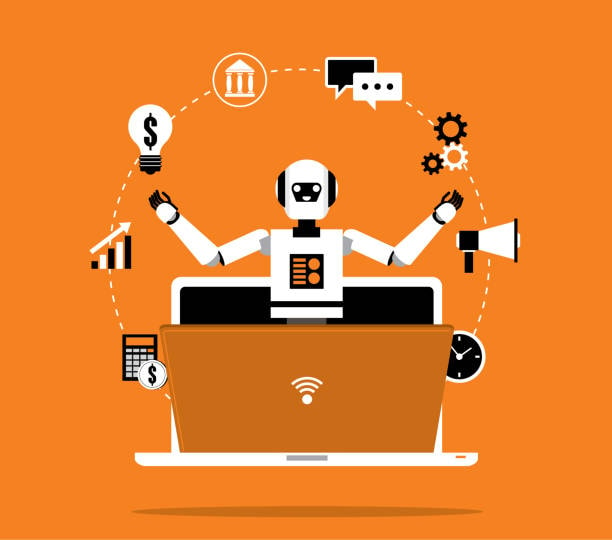
In banking, chatbots are valuable for providing personalized support, such as balance inquiries, recent transaction details, and bill payment reminders. They help customers manage their financial tasks quickly and securely, offering a more engaging experience and reducing the time needed to address each customer inquiry.
Technical Support and Troubleshooting
For tech companies, chatbots serve as the first line of technical support by guiding customers through troubleshooting steps. For example, chatbots can address connectivity issues, explain product features, and offer solutions to common technical problems. This self-service approach reduces wait times and gives users the resources they need to solve issues on their own.
Travel and Booking Assistance
In the travel and hospitality industry, chatbots simplify the booking process by assisting customers in selecting flights, hotels, and vacation packages based on their preferences. Chatbots can also provide booking confirmations, suggest add-ons, and manage rescheduling requests, making the travel planning experience smoother and more personalized.
Gathering Customer Feedback
Chatbots play a role in collecting customer feedback after an interaction or purchase. By sending short surveys or asking for ratings, chatbots gather insights into customer satisfaction and pain points, helping businesses understand and improve the service experience. Automated feedback collection enables companies to gather data on a larger scale without requiring additional resources.
Insurance Claims and Policy Information
In the insurance industry, chatbots help policyholders manage claims and provide information about policy terms, premiums, and coverage. Customers can start a claim, check claim status, or update their information through chatbots, which reduces the need for manual assistance and speeds up response times in claim processing.
Multilingual Customer Support
With multilingual capabilities, chatbots support diverse customer bases by offering assistance in multiple languages. This feature is essential for companies with international reach, as it ensures that language barriers do not hinder customer service. Multilingual support also makes businesses more accessible and inclusive, helping customers feel valued regardless of language preferences.
Personalized Loyalty Program Support
For industries that rely on loyalty programs, chatbots can help customers access information about their points balance, available rewards, and exclusive offers. By providing instant access to loyalty details, chatbots keep members engaged with the program and encourage them to take advantage of rewards, thereby increasing brand loyalty.

Assisting with Travel Itineraries and Updates
In travel, chatbots keep customers informed about their itineraries by providing reminders for upcoming flights, hotel check-ins, and transportation bookings. Chatbots can also alert customers to any last-minute changes, ensuring that they stay updated on travel plans. This functionality is highly valued by travelers who rely on real-time information for a stress-free experience.
AI Chatbot Technology: Enhancing the Customer Journey
AI chatbot technology plays a crucial role in enhancing the customer journey by offering instant, accurate responses at each touchpoint.
From initial inquiries to post-purchase support, chatbots provide a continuous, supportive presence that meets modern customer expectations and helps build better customer relationships.
Natural Language Processing (NLP) in Customer Service Chatbots
Natural language processing allows chatbots to understand and respond to customer language naturally. NLP enables chatbots to handle various customer queries with greater accuracy, improving the overall quality of customer communication.

By making chatbot responses more human-like, NLP ensures that customers feel understood and valued.
The Importance of Multilingual Support in Chatbots
With businesses operating globally, multilingual support in chatbots is essential. Chatbots with multilingual capabilities can engage customers in their native language, improving accessibility and inclusivity. This feature is crucial for enhancing the customer experience for diverse audiences.
AI Customer Service Chatbot and Customer Satisfaction

AI customer service chatbots directly impact customer satisfaction by providing quick, reliable answers and reducing the need for human intervention in simple queries. By ensuring prompt and consistent support, chatbots help build customer trust, which is essential for improving loyalty and satisfaction.
Chatbots and Human Agents: A Collaborative Approach
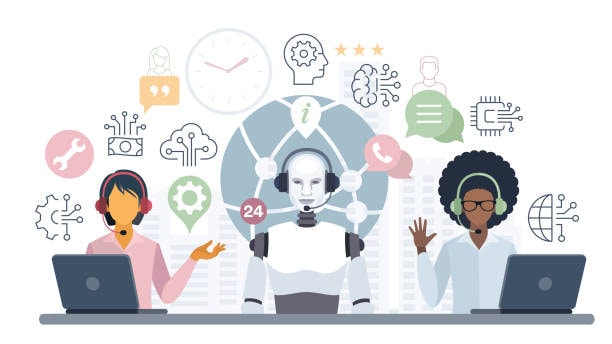
Chatbots are designed to complement rather than replace human customer service agents. While chatbots manage basic inquiries, human agents are available to handle more complex issues. This collaboration between chatbots and human agents ensures that customers receive efficient, high-quality support.
Enhancing Customer Relationships with Chatbots
By offering prompt and personalized responses, chatbots play a vital role in building and maintaining customer relationships. AI chatbots can use customer data to provide tailored suggestions, strengthening connections with customers and making interactions more meaningful.

Integrating Chatbots into Customer Service Processes
Effective seamless integration of chatbots into existing customer service processes enables companies to maximize the benefits of automation. Chatbots can be integrated into messaging apps, websites, and mobile apps, allowing customers to access support wherever they are. This ease of access improves the customer journey and enhances engagement.
How AI Chatbots Handle Complex Issues
Although chatbots excel at handling routine queries, they can also support human agents in managing more complex issues. By gathering information from initial inquiries, chatbots can provide agents with valuable context, helping to speed up the resolution process for intricate customer concerns.
Self-Service Options Powered by Chatbots
Self-service options allow customers to resolve issues independently, and chatbots are essential in making this possible. By guiding customers through simple tasks and answering basic questions, chatbots support customer empowerment and enhance the customer experience.
Improving Customer Engagement with Chatbots
Chatbots play a significant role in boosting customer engagement by keeping interactions quick, relevant, and accessible. Through interactive and personalized responses, chatbots help engage customers in a way that feels natural and satisfying, increasing the likelihood of positive brand perception.
Using Chatbots to Answer Frequently Asked Questions
One of the most common uses of customer service chatbots is answering frequently asked questions. Chatbots provide immediate answers to standard inquiries, such as shipping information, return policies, and troubleshooting, enhancing customer satisfaction and reducing workload for support agents.
The Role of Generative AI in Customer Care Chatbots

Generative AI technology enables chatbots to create custom responses based on the context of a conversation. This ability to generate contextually accurate responses enhances the chatbot’s versatility and makes it a more effective tool in customer care.
Enhancing Customer Service Quality with AI Chatbots
By handling high volumes of queries without compromising accuracy, AI-powered chatbots help maintain and even improve customer service quality. Chatbots can respond accurately and consistently, ensuring that every interaction meets quality standards and positively impacts the customer experience.
Real-Time Customer Interaction with Chatbots
Chatbots provide real-time support, allowing businesses to interact with customers instantly. This immediate response capability is essential for customer satisfaction, especially in industries where timely answers are critical, such as finance, travel, and e-commerce.
Advanced Analytics in Chatbot Performance
Advanced analytics helps companies assess chatbot performance and improve service delivery. By analyzing metrics like response time, resolution rate, and customer feedback, businesses can optimize their chatbot solutions, ensuring they effectively support customer interactions and meet evolving customer needs.
Chatbot Interactions Across Social Messaging Platforms
Chatbots can operate on various social messaging platforms like Facebook Messenger and WhatsApp, where many customers prefer to communicate. This presence across popular platforms allows companies to engage with customers in their preferred channels, making support more accessible and enhancing customer loyalty.
AI-Powered Chatbots in Sales and Customer Support
AI-powered chatbots are not limited to customer service; they are increasingly used in sales to guide prospects through product selection and purchasing. By answering customer questions about products and services, chatbots help convert leads into customers, thus supporting both sales and customer support efforts.
Chatbots for Customer Loyalty and Retention
By offering consistent, high-quality interactions, chatbots contribute to customer loyalty and retention. They help ensure that every customer feels valued and heard, which enhances satisfaction and encourages repeat business y providing instant responses, handling routine inquiries, and maintaining a personalized approach, chatbots make customers feel supported, fostering trust and long-term customer loyalty. This trust is essential in today’s competitive market, where customers are more likely to remain loyal to brands that prioritize their needs and provide reliable service.
Personalized Responses Through AI Chatbots
One of the standout features of AI customer service chatbots is their ability to offer personalized responses based on customer data. By analyzing previous interactions, purchase history, and preferences, chatbots can tailor their responses to meet individual needs. This level of personalization not only improves customer satisfaction but also strengthens customer relationships by making each interaction feel unique and valued.
The Value of Chatbot Software in Customer Care
Chatbot software is designed to seamlessly integrate into existing customer service processes, enhancing the efficiency of support teams. It supports customer inquiries, manages large volumes of routine tasks, and ensures that customers receive timely and accurate answers. The value of chatbot software lies in its ability to streamline workflows, reduce operational costs, and boost the overall quality of customer care.
Using Chatbots to Automate Repetitive Tasks
Chatbots excel at handling repetitive tasks that would otherwise take up valuable time for human agents. Tasks such as appointment scheduling, account inquiries, and order tracking can be automated with chatbots, freeing human agents to focus on more complex and sensitive issues. Automating repetitive tasks not only increases efficiency but also enhances customer satisfaction by reducing wait times.
How Chatbots Contribute to Consistent Support Quality
Consistency is critical in maintaining high customer service quality, and chatbots are instrumental in delivering this. Since chatbots provide standardized answers to common queries, they ensure every customer receives accurate and consistent support. This reliability enhances the customer experience and instills confidence that their needs will be met every time they reach out.
Conversational AI: Elevating Chatbot Interactions
Conversational AI takes chatbot interactions to the next level by making them more intuitive and human-like. Powered by natural language processing and machine learning, conversational AI enables chatbots to carry on multi-turn conversations that adapt to user inputs. This advanced capability helps chatbots engage in meaningful dialogues, improving customer engagement and creating a more satisfying customer experience.

Enhancing Customer Communication with Virtual Assistants
Virtual assistants powered by AI are a type of customer care chatbot designed to interact with customers as if they were human agents. Virtual assistants can provide detailed information, assist with complex queries, and even manage customer accounts. By enhancing customer communication, virtual assistants offer a more interactive and user-friendly support experience.
Instant Answers for Enhanced Customer Experience
In today’s fast-paced world, customers expect instant answers to their questions. Chatbots meet this demand by providing quick responses, which leads to improved customer satisfaction and a smoother customer journey. With their ability to respond instantly, chatbots ensure customers receive help without delay, which is a significant advantage in the digital age.
How AI Chatbots Support Sales Teams
Sales teams benefit from AI chatbots as they assist with lead generation, product recommendations, and answering pre-purchase inquiries. By engaging with potential customers and addressing questions in real-time, chatbots help convert prospects into buyers. This support is particularly valuable for e-commerce businesses, where timely responses can make or break a sale.
Chatbots in Mobile Apps: Engaging Customers On-the-Go
Integrating chatbots into mobile apps is becoming a popular strategy for companies looking to engage customers no matter where they are. As more people rely on mobile devices for everyday tasks, mobile chatbots provide instant support and answers with just a few taps, creating a seamless experience for users. Whether customers need assistance with account details, product information, or order tracking, mobile chatbots are there to provide real-time help.
The convenience of mobile chatbots extends beyond simple queries. Businesses can also use them to send proactive notifications, such as reminders for upcoming appointments, personalized product recommendations, or alerts for special promotions. This keeps customers engaged with the brand, even when they aren’t actively seeking support, helping companies maintain consistent communication. By offering chatbot interactions within mobile apps, companies ensure that their customer care is accessible, intuitive, and available on demand, meeting customers’ expectations for speed and convenience in today’s fast-paced environment.
Mobile chatbots also help companies gather valuable insights about user behavior. Through analytics, businesses can monitor which types of questions are asked most often, how quickly issues are resolved, and overall user satisfaction. These insights allow companies to refine both their chatbot capabilities and the mobile experience itself, resulting in a tailored service that evolves with customer needs.
AI Chatbots for Social Media Engagement
With the rapid growth of social media as a primary communication channel, AI chatbots are increasingly used on platforms like Facebook Messenger, Instagram, and WhatsApp to handle customer inquiries, provide product information, and even guide users through purchase decisions. By meeting customers directly on their preferred social media platforms, companies can enhance brand visibility and reach audiences that may not engage through traditional channels.
On social media, chatbots provide immediate, interactive responses to common questions, such as product availability, shipping details, and pricing information. This real-time assistance improves customer engagement by reducing response times and enabling a smooth, conversational experience. Businesses can further enhance engagement by using chatbots to share relevant content, such as blog posts, tutorials, or special offers, which helps deepen customer relationships and encourage repeat visits.

Social media chatbots also support marketing campaigns by creating a more dynamic, interactive element. For example, a chatbot on Instagram could guide users through a virtual product tour, while a Facebook Messenger bot could run a promotional quiz or offer a discount code for completing a survey. These interactions not only drive customer satisfaction but also increase engagement, as users are more likely to remember and recommend brands that offer personalized, enjoyable experiences. By integrating AI chatbots into social media, companies create a valuable touchpoint that promotes brand loyalty and enhances customer satisfaction in a way that feels modern, efficient, and user-friendly.
Large Language Models and Enhanced Chatbot Capabilities
Large language models like those found in advanced chatbots enable a deeper understanding of customer language and intent. These models use extensive data and training to improve natural language understanding, allowing chatbots to provide more accurate and contextually relevant responses. This enhancement improves the chatbot’s ability to handle diverse customer needs effectively.
Building Better Customer Relationships with AI-Powered Chatbots
AI-powered chatbots are instrumental in fostering better customer relationships by providing personalized, timely, and accurate support. By engaging customers in meaningful interactions and addressing their needs proactively, chatbots build a positive perception of the brand. Strong customer relationships are crucial for retention and loyalty, making AI chatbots an essential tool for businesses focused on long-term growth.
The Future of Customer Care Chatbots: Trends and Innovations
The future of customer care chatbots is promising, with trends such as generative AI, improved natural language processing, and seamless integration across platforms. Innovations in chatbot technology will continue to expand their capabilities, enabling even more sophisticated support interactions. As AI chatbots evolve, they will further bridge the gap between human and automated customer care, making support more efficient and accessible than ever before.

FAQs
A customer care chatbot is an AI-driven tool designed to handle customer interactions, answer queries, and provide support through automated responses.
By providing instant, accurate responses and 24/7 support, customer service chatbots enhance customer satisfaction by reducing wait times and meeting customer expectations.
While AI chatbots excel at handling routine inquiries, they can also assist with complex issues by gathering information for human agents to streamline the support process.
NLP enables chatbots to understand and respond to customer language in a natural, conversational manner, improving the quality of customer interactions.
Chatbots contribute to customer loyalty by providing consistent, personalized service that enhances customer trust and encourages repeat business.


