

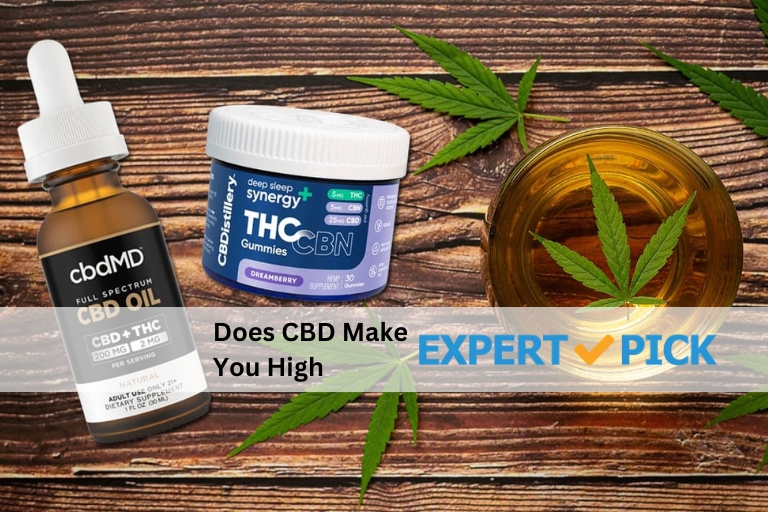
As interest in CBD continues to grow, one of the most common questions people ask is, “Does CBD make you high?” CBD, short for cannabidiol, is a natural compound found in the cannabis plant. Unlike THC (tetrahydrocannabinol), another compound in cannabis, CBD doesn’t have intoxicating effects. This article will clarify the relationship between CBD and THC, how CBD works, and why it doesn’t cause a “high.” If you’re interested in exploring top CBD brands, check out our detailed review to discover quality options that meet your needs.
What is CBD?
CBD is one of over 100 cannabinoids found in cannabis plants, specifically the hemp plant. This natural compound is popular for its potential therapeutic properties, which include pain relief, anti-inflammatory benefits, and anxiety reduction. While CBD and THC come from the same cannabis sativa species, they have different effects on the body, which leads to the common misconception that CBD can make you feel high.
The Cannabis Plant: CBD vs. THC
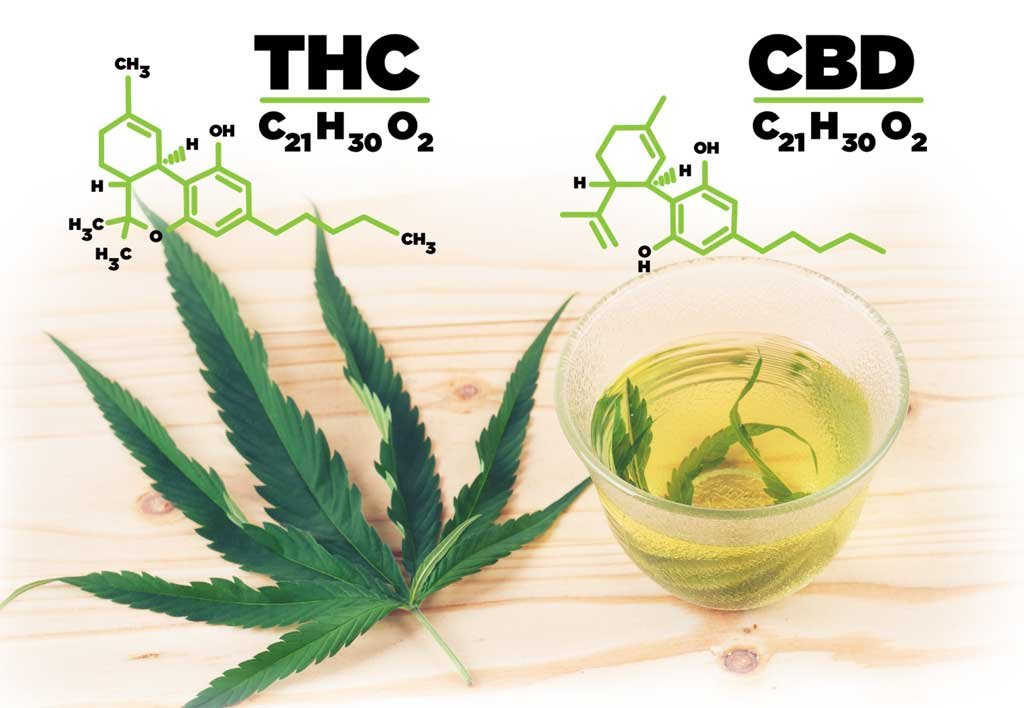
Both CBD and THC come from the cannabis plant but have opposite effects on the body. THC is the active ingredient in marijuana that produces psychoactive effects, leading to the feeling of being “high.” However, CBD does not produce this effect. The World Health Organization classifies CBD as non-intoxicating, and it’s known for its therapeutic effects without the “high” commonly associated with marijuana use.
How CBD and THC Differ in Their Effects
CBD and THC interact with the endocannabinoid system differently. The endocannabinoid system is a network of receptors throughout the body that regulates various bodily functions like mood, pain, and immune response. THC binds directly to CB1 receptors in the brain, triggering psychoactive effects. On the other hand, CBD doesn’t bind directly to these receptors, which is why it doesn’t produce a high.
The Role of the Endocannabinoid System in CBD’s Effects
The endocannabinoid system (ECS) plays a central role in how both CBD and THC impact the body. While THC activates the CB1 receptor, leading to psychoactive effects, CBD indirectly influences the ECS, supporting functions related to mood, sleep, and pain management. This distinction explains why CBD products can relieve symptoms like chronic pain and anxiety without altering mental state.
Common Forms of CBD and Their Effects
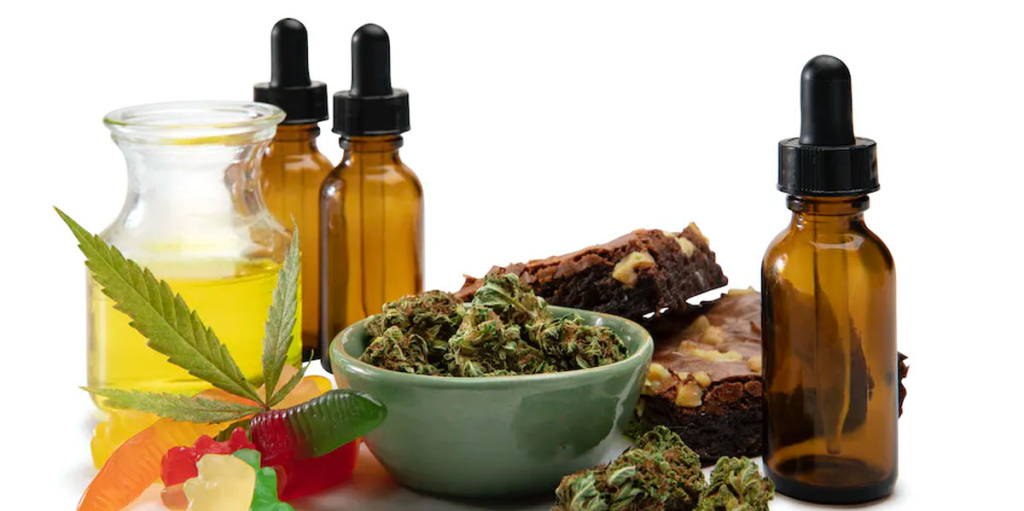
CBD is available in multiple forms, including CBD oil, tinctures, edibles, and topicals, and each has unique effects:
CBD Oil and Tinctures: These are popular for fast absorption, typically taking effect within 15–30 minutes.
CBD Edibles and Capsules: These take longer to kick in, generally around 30–60 minutes, but effects last longer.
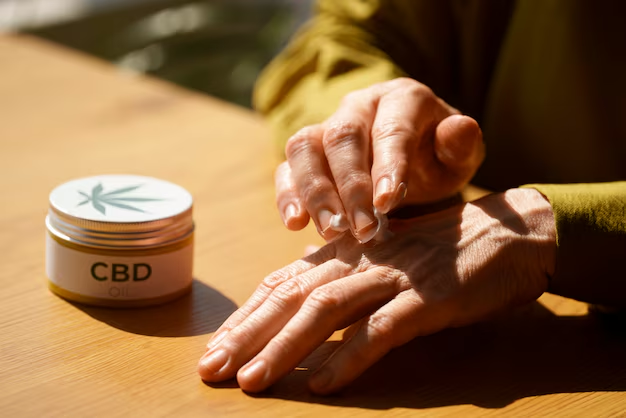
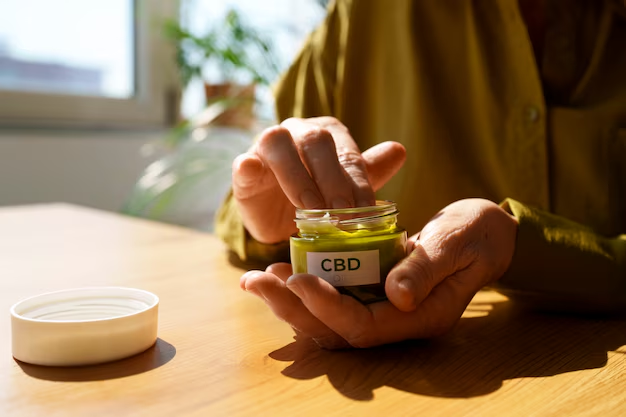
CBD Topicals: Used for localized relief, these are applied directly to the skin and can reduce pain and inflammation without entering the bloodstream.
Each form has varying effects on the body but shares the common characteristic of being non-psychoactive.
How Does CBD Work in the Body?
CBD works by influencing various receptors in the central nervous system and beyond. It interacts indirectly with CB1 and CB2 receptors, which modulate neurotransmitter release, immune function, and more. CBD products may impact serotonin receptors, which is why they can reduce anxiety and promote relaxation without causing a high.
The Controlled Substances Act and CBD’s Legal Status
Under the Controlled Substances Act, THC remains a controlled substance due to its psychoactive properties. CBD derived from hemp, containing less than 0.3% THC, was made federally legal in the U.S. under the 2018 Farm Bill. However, CBD products derived from marijuana are still restricted at the federal level.
Medical Marijuana vs. CBD: Understanding the Difference
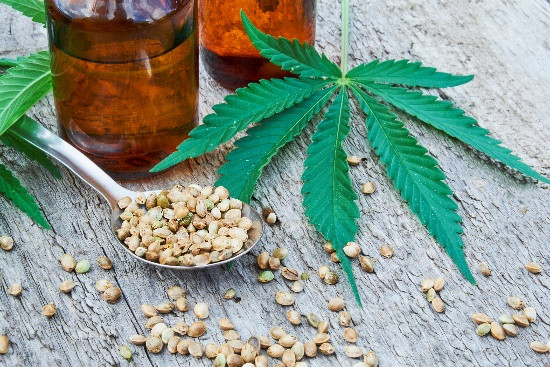
Medical marijuana contains THC and is regulated under state laws as a prescription medication. CBD, in contrast, is non-intoxicating and more widely accessible. Both compounds are used in medical treatment, but CBD is often preferred for individuals seeking relief without psychoactive effects.

Health Benefits of CBD
CBD is popular in the health and wellness sector for its therapeutic effects. Research and clinical trials suggest that CBD may be beneficial for conditions such as joint pain, neuropathic pain, and even some mental health disorders.
Pain Relief: CBD’s interaction with ECS receptors makes it a potential treatment for chronic pain and inflammatory and neuropathic pain.
Anxiety and Depression: Studies show CBD may have anti-anxiety effects, potentially benefiting individuals with mental health concerns.
Seizure Control: The FDA approved the first CBD-based medication, Epidiolex, for treating certain forms of epilepsy, marking a significant advancement in clinical neuroscience.
The FDA and CBD: Approval and Regulation
The Food and Drug Administration (FDA) has only approved one CBD product, Epidiolex, for treating rare forms of epilepsy. Although CBD is widely available, the FDA’s lack of broad regulation means CBD products vary in quality. Consumers should look for third-party-tested CBD to ensure product safety.
CBD and Drug Tests: Will It Show Up?
CBD itself won’t show up on a drug test since tests usually look for THC. However, some CBD products contain trace amounts of THC, which could lead to a positive result. Broad-spectrum and CBD isolate products are better choices for those concerned about drug testing.

Potential Side Effects of CBD
While CBD is generally well-tolerated, it’s not without risks:
Interactions with Prescription Medications: CBD may affect how the liver metabolizes certain prescription medications, potentially leading to side effects.
Mild Side Effects: Common side effects include fatigue, dry mouth, and occasional dizziness, particularly at high doses.
Impact on Liver Enzymes: Some studies suggest high doses of CBD may influence liver function, so it’s advisable to consult with a licensed physician if taking high doses.
CBD and the Role of Healthcare Providers
Many healthcare providers are recognizing CBD’s potential benefits for pain relief and mental wellness. Consulting a professional before starting CBD is especially important if you’re taking prescription medications or have underlying health conditions.
CBD for Pain Relief: How It Helps
CBD’s anti-inflammatory properties make it an effective natural compound for managing joint pain and other types of chronic pain. Studies suggest CBD may be effective for both inflammatory and neuropathic pain, offering an alternative for those looking to avoid the risks associated with traditional painkillers.
The Therapeutic Effects of CBD Without the High
Unlike THC, CBD doesn’t produce a high. Instead, it may create a mild calming effect, supporting mental health without altering one’s state of consciousness. This makes CBD suitable for daytime use, as it doesn’t impair cognitive function.
Clinical Neuroscience and CBD
Clinical neuroscience research continues to explore the effects of CBD on mental health and neurological disorders. From mental health to seizure control, the therapeutic impact of CBD could lead to additional FDA-approved uses in the future.
CBD for Mental Health: A Look at the Benefits
Many individuals use CBD products to manage anxiety, stress, and even depression. Although more research is needed, CBD is thought to promote a sense of calm without the psychoactive effects associated with THC, making it popular among those seeking mental health services administration.
Differences Between Hemp-Derived and Marijuana-Derived CBD
Hemp-derived CBD contains less than 0.3% THC, making it non-intoxicating and legal at the federal level. Marijuana-derived CBD, however, may contain higher levels of THC and is typically only legal in states where medical marijuana is permitted.
The Science of CBD’s Effects on the Brain
CBD influences the brain by interacting with neurotransmitters and receptors responsible for regulating mood and pain. Unlike THC, which binds directly to brain receptors, CBD works indirectly, making it suitable for daily use without cognitive impairment.
The World Health Organization’s Position on CBD
The World Health Organization (WHO) has reported that CBD is safe and well-tolerated in humans, with no risk of dependency or abuse. The WHO highlights that CBD has promising potential for therapeutic use, especially for conditions like chronic pain, anxiety, and epilepsy, without the adverse psychoactive effects associated with THC. This endorsement has contributed to the growing acceptance of CBD products worldwide.
The Controlled Substances Act and CBD’s Legal Landscape
Under the Controlled Substances Act, THC is classified as a Schedule I substance, meaning it’s considered to have a high potential for abuse with no accepted medical use at the federal level. However, CBD derived from hemp with less than 0.3% THC is federally legal due to the 2018 Farm Bill. This federal ruling allows the sale and use of hemp-derived CBD products, while marijuana-derived CBD remains restricted in many states.
Can You Get High from CBD Oil?
One of the most frequently asked questions is whether CBD oil can make you high. The answer is no, as long as it’s derived from hemp and contains less than 0.3% THC. Unlike THC, CBD does not produce intoxicating effects. Instead, CBD oil may create a mild calming sensation, which some users describe as feeling relaxed but alert.
The Role of the Drug Enforcement Administration (DEA)
The Drug Enforcement Administration (DEA) monitors CBD products to ensure they comply with federal regulations, especially regarding THC content. The DEA’s role includes regulating cannabis-derived compounds and ensuring that only federally approved CBD products are sold legally.
The Effects of CBD on Pain and Inflammation
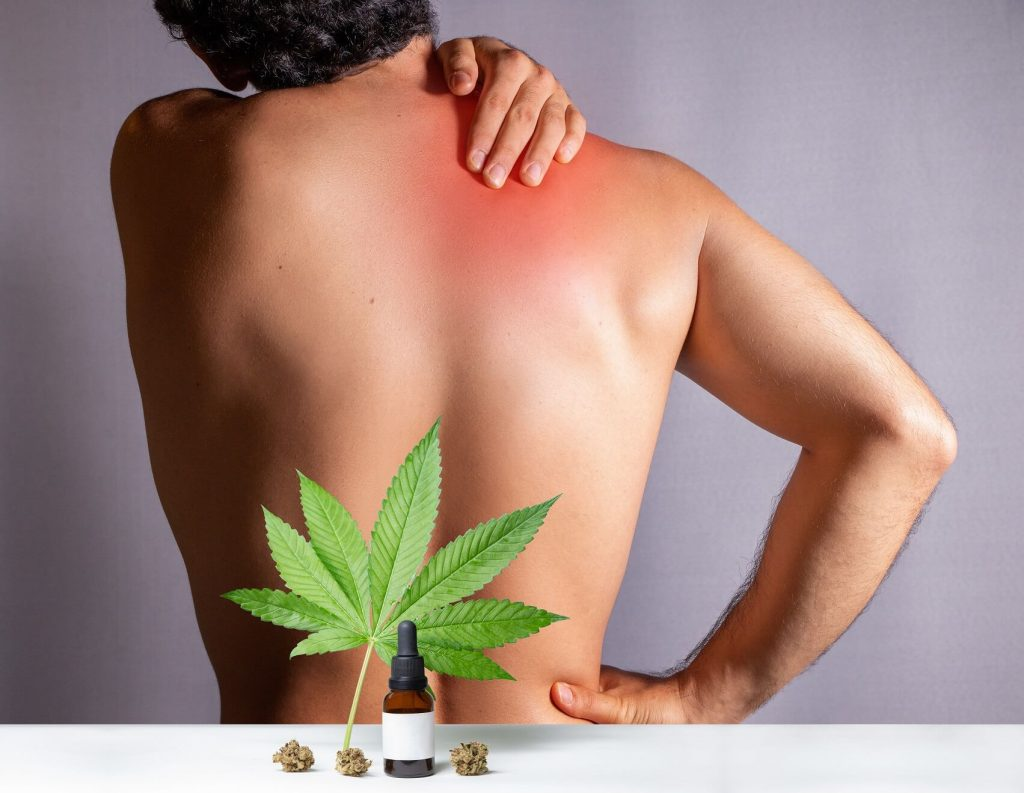
CBD is widely recognized for its potential to relieve chronic pain and reduce inflammatory and neuropathic pain. By interacting with ECS receptors, CBD helps modulate pain signals, making it a valuable option for individuals seeking natural pain relief without the psychoactive effects of THC.
CBD and the Treatment of Severe Forms of Epilepsy
One of the most significant advancements in medical treatment using CBD is the FDA’s approval of Epidiolex, a prescription medication derived from CBD. Epidiolex treats severe forms of epilepsy, such as Lennox-Gastaut syndrome and Dravet syndrome. This approval has paved the way for more clinical trials exploring the potential of CBD in treating other severe conditions.
CBD for Joint Pain: Does It Work?
For those dealing with joint pain and arthritis, CBD products may offer significant relief. Topical CBD-infused creams and oils can be applied directly to sore joints to alleviate discomfort, making it an effective alternative to conventional pain relievers. Research supports CBD’s anti-inflammatory properties, which are helpful in treating joint-related issues.
The Importance of Choosing a High-Quality CBD Product
Given the lack of federal regulation, it’s important to choose a CBD product from a reputable brand. Look for products that undergo third-party testing to ensure quality, potency, and purity. High-quality products will provide a Certificate of Analysis (COA), detailing the product’s cannabinoid profile and ensuring compliance with federal law on THC content.
FAQs: Does CBD Make You High
No, CBD does not produce a high. It may induce relaxation or a calm state, but it lacks the psychoactive properties of THC.
Smoking CBD doesn’t produce a high but can create a sense of calm and relaxation, which some describe as a mild soothing effect.
Yes, CBD edibles and capsules are designed to be swallowed. They provide effects after digestion, typically within 30-60 minutes.
The effects of CBD vary by product type: oils and tinctures may take 15–30 minutes, while edibles and capsules can take 30–60 minutes to feel.
CBD interacts with receptors in the brain related to serotonin, contributing to relaxation without the “high” associated with THC.
Pure CBD doesn’t show up on drug tests, but some may contain trace amounts of THC. Broad-spectrum or CBD isolate products are recommended for those concerned about drug testing.
Final Thoughts on CBD: A Natural Compound Without the High
CBD offers a unique combination of therapeutic benefits without the psychoactive effects associated with THC. From easing chronic pain and anxiety to promoting a sense of wellness, CBD products are versatile and widely used across demographics.
For those looking to incorporate CBD into their wellness routine, understanding the major differences between CBD and THC ensures that they can experience relief without the concern of intoxication. Whether you’re interested in CBD oil, edibles, or topicals, remember that CBD provides natural support for health and wellness without the “high.”


