


Hemp oil, derived from the Cannabis sativa plant, has recently gained popularity due to its potential health benefits and versatility in wellness products. From skincare applications to dietary supplements, hemp oil offers many ways to support health naturally. This article will explore different types of hemp oils, such as hemp seed oil and CBD oil, breaking down their unique properties, benefits, and how to use them effectively. We will also compare them with other oils, such as cannabis oil and olive oil, to clarify common misconceptions and help you make informed decisions. To explore high-quality CBD brands, check out our recommended list of top CBD brands.
What is Hemp Oil?
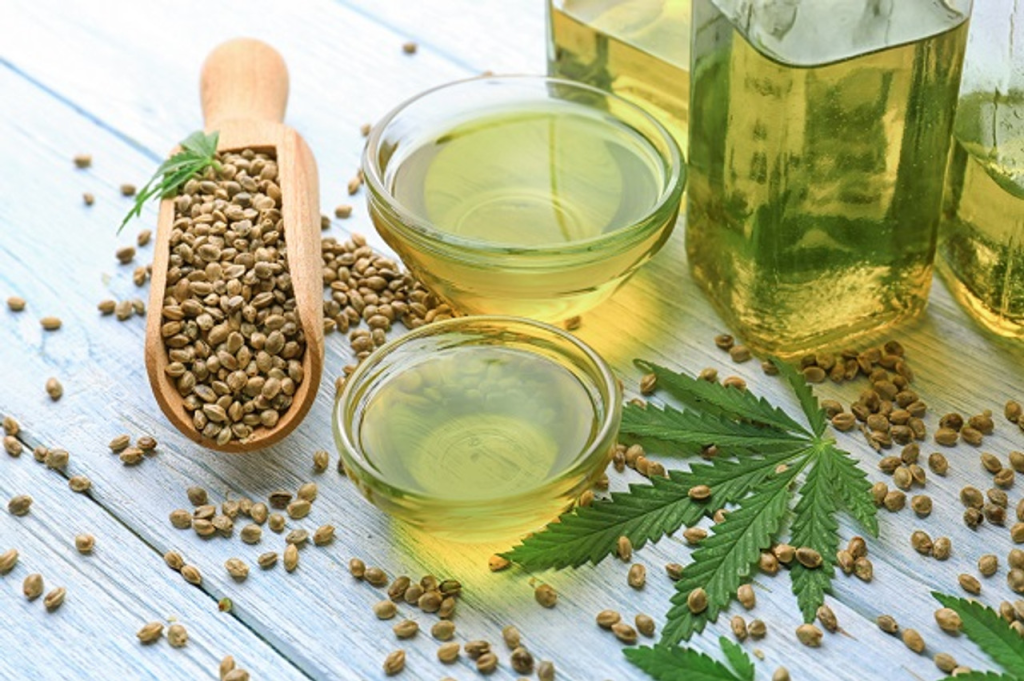
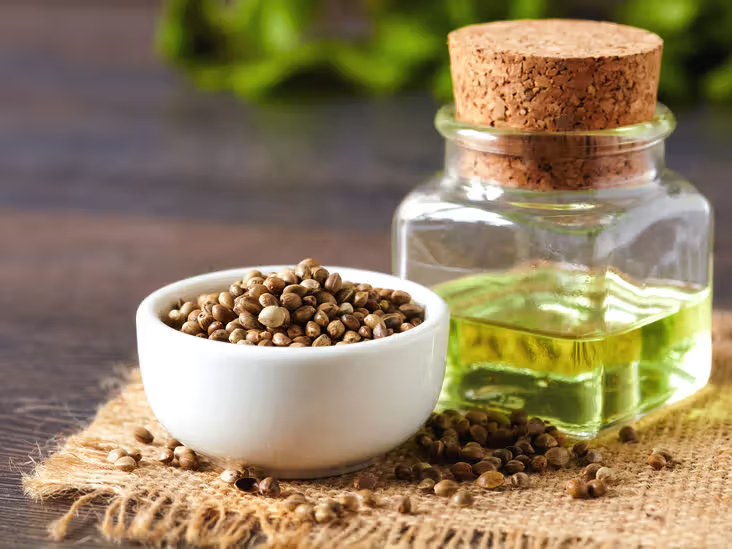
Hemp seed oil is extracted from the seeds of the hemp plant, a variety of the Cannabis sativa plant species known for its low THC (tetrahydrocannabinol) content—less than 0.3%. This non-psychoactive oil is rich in essential fatty acids, antioxidants, and vitamins, making it beneficial for skin health, heart health, and overall wellness.
- Primary Nutrients: Omega-3 and omega-6 fatty acids, linoleic acid, gamma-linolenic acid, and vitamin E.
- Primary Uses: Skincare products, food supplements, and salad dressings.
Health Benefits of Hemp Oil
- Anti-Inflammatory Properties: The essential fatty acids in hemp seed oil, especially omega-3 and omega-6, can help manage inflammation, which may alleviate arthritis symptoms and improve skin conditions.
- Heart Health: Its balanced ratio of polyunsaturated fats can positively affect cardiovascular health, potentially lowering cholesterol and promoting heart health.
- Moisturizes and Soothes Skin: Known for its hydrating properties, hemp seed oil is widely used in dermatological treatments for skin conditions like eczema, psoriasis, and acne.
What is CBD Oil?
The Therapeutic Compound of the Cannabis Plant
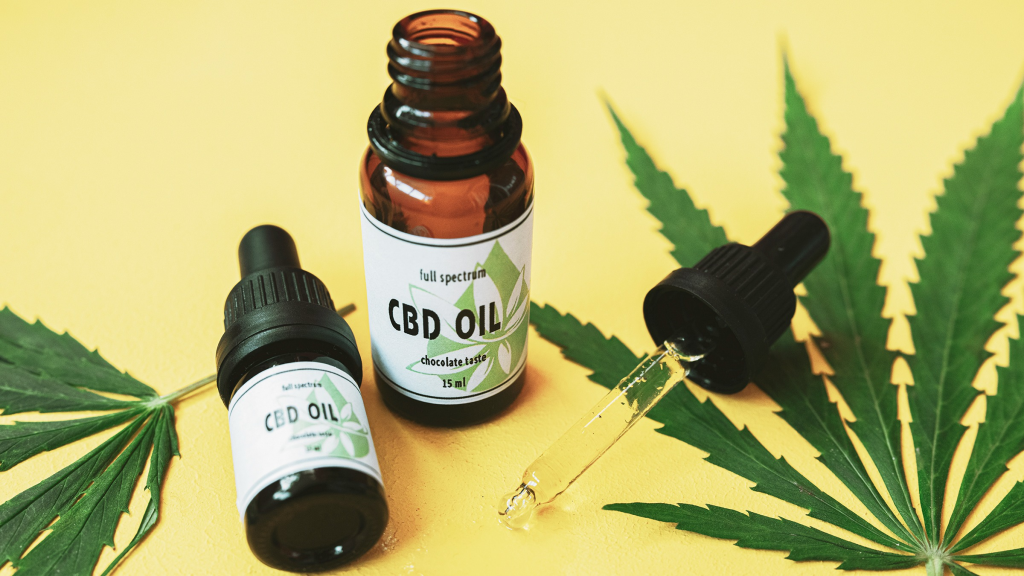
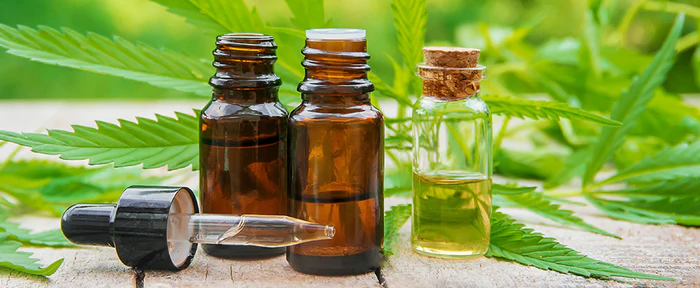
CBD oil, also known as cannabidiol oil, is extracted from the flowers, leaves, and stalks of both hemp and cannabis plants. Unlike hemp seed oil, CBD oil contains cannabidiol, a compound known for its therapeutic effects. Unlike THC, CBD is non-psychoactive and is widely used for managing anxiety, pain, and other health issues.
- Primary Components: High concentration of cannabidiol (CBD) and other cannabinoids, with minimal to no THC.
- Primary Uses: Pain relief, anxiety reduction, sleep improvement, and more.
Key Differences Between Hemp Seed Oil and CBD Oil
Hemp seed oil and CBD oil are often confused, but they differ significantly in their components, uses, and extraction methods. Here’s a closer look:
| Feature | Hemp Seed Oil | CBD Oil |
|---|---|---|
| Source | Extracted from hemp seeds | Extracted from hemp and cannabis flowers, leaves |
| CBD Content | None | High CBD concentration |
| THC Content | Minimal (<0.3%) | Varies, typically low in hemp-derived CBD |
| Uses | Skincare, food supplements, salad dressings | Pain relief, anxiety management, sleep aid |
| Psychoactive Effects | None | None, as CBD is non-psychoactive |
Types of CBD Oil
CBD oils can vary in their cannabinoid content:
- Full-Spectrum CBD Oil: Contains all naturally occurring compounds, including trace amounts of THC.
- Broad-Spectrum CBD Oil: Contains most cannabinoids but no THC.
- CBD Isolate: Pure CBD without other cannabinoids or THC.
For trusted CBD products, browse our list of top CBD brands.
Understanding the Hemp Plant and Its Derivatives
The Cannabis Plant Family: Hemp vs. Marijuana
The Cannabis sativa plant offers various derivatives, each with unique properties and uses. Hemp and marijuana are two varieties of this plant, primarily distinguished by their THC content:
- Hemp: Legally contains less than 0.3% THC, making it non-psychoactive and suitable for industrial and therapeutic uses.
- Marijuana: Has a high THC content and is often used for its psychoactive effects, subject to strict regulations.
Industrial Hemp Applications
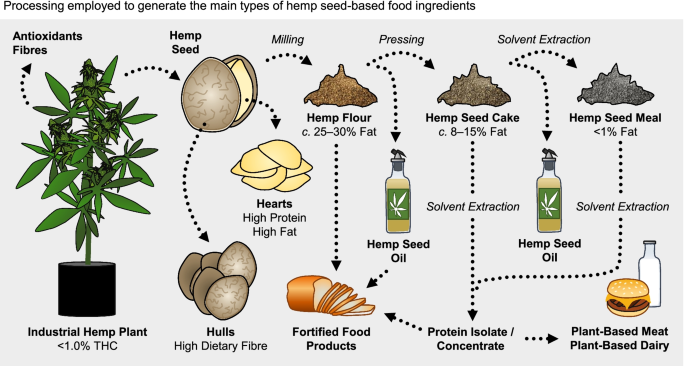
Industrial hemp, cultivated for its low THC and high CBD levels, is used to produce fibers, seeds, and oils. It is widely used in producing textiles, food supplements, and skincare products, emphasizing its versatility.
Production Processes of Hemp Oil and CBD Oil
How is Hemp Seed Oil Made?
Hemp seed oil is typically produced through a cold-pressing method, which involves pressing the seeds without heat to preserve their nutritional integrity. This process ensures the oil remains rich in nutrients and antioxidants, making it ideal for dietary and skincare use.
CBD Oil Extraction Process
CBD oil extraction is more complex and usually involves carbon dioxide (CO₂) extraction. This method preserves the integrity of cannabinoids without leaving chemical residues. Alternative methods, like solvent extraction, are sometimes used but may compromise purity.
The Many Benefits of Hemp Oil for Health and Wellness
1. Cardiovascular Health
The essential fatty acids in hemp seed oil, particularly omega-3 and omega-6, support heart health by promoting better cholesterol levels, reducing blood pressure, and improving arterial health.
2. Natural Pain Relief
CBD oil, renowned for its anti-inflammatory properties, may help manage chronic pain conditions like arthritis, fibromyalgia, and migraines, providing a natural alternative to traditional pain medications.
3. Skin Health and Dermatological Benefits
Hemp seed oil and CBD oil are both beneficial for skin health:
- Hemp Seed Oil: Acts as a moisturizer and anti-inflammatory for sensitive skin conditions.
- CBD Oil: Offers potential for acne relief and skin soothing due to its anti-inflammatory properties.
4. Enhances Mental Health and Wellbeing
CBD oil’s calming effects make it popular for reducing anxiety and improving sleep quality, promoting a balanced mental state. Its effect on the body’s endocannabinoid system helps regulate mood, potentially alleviating symptoms of depression.
5. Immune System Support
With high levels of vitamins and antioxidants, hemp seed oil supports immune function, helping the body fend off infections and inflammation.
6. Nutritional Support and Omega-3 Benefits
Hemp seed oil is a valuable addition to the diet, delivering essential fatty acids that support metabolic health, improve cognitive function, and reduce inflammation. Using it as a base in salad dressings or smoothie additives is a great way to boost daily nutrient intake.
Potential Risks and Side Effects of Hemp and CBD Oils
While both oils are generally safe, some potential side effects and risks are worth noting.
Side Effects of Hemp Seed Oil
- Digestive Issues: Some individuals may experience mild digestive discomfort.
- Allergic Reactions: Though rare, a few people might be sensitive to hemp seed oil.
Side Effects of CBD Oil
CBD oil may cause side effects such as:
- Drowsiness and Fatigue: Especially in higher doses.
- Changes in Appetite: Some users report increased or decreased appetite.
- Gastrointestinal Issues: Mild nausea or upset stomach may occur.
To ensure product safety, it’s best to choose high-quality brands. For trusted sources, refer to our list of top CBD brands.
Combining Hemp Oil and CBD Oil
Combining hemp seed oil and CBD oil is generally safe and can yield complementary benefits. While hemp seed oil supports nutritional needs, CBD oil provides therapeutic effects, making them ideal for a holistic approach to wellness.
- Dosage Tips: Start with small doses, gradually increasing to achieve the desired effect.
- Safety Precaution: Always consult a healthcare provider before starting any new supplement regimen.
Choosing the Right Hemp-Based Oil
When selecting between hemp seed oil and CBD oil, it’s essential to consider the intended use:
- For Nutritional Support: Choose hemp seed oil for its balance of omega-3 and omega-6 fatty acids, ideal for heart and skin health.
- For Therapeutic Benefits: Opt for CBD oil for its potential to manage pain, anxiety, and sleep issues.
If you’re considering CBD oil, check our guide to the best CBD brands for high-quality options.
Incorporating Hemp Oil into Daily Life
Both hemp seed oil and CBD oil can be easily integrated into daily routines for various health benefits:
- In the Kitchen: Hemp seed oil is excellent for salads, cold dishes, and smoothies due to its nutritional profile.
- Topical Use: Both oils can be used in skincare routines. Hemp seed oil works well as a moisturizer, while CBD oil can target areas of inflammation.
- Supplement Form: CBD oil tinctures or capsules can be taken as supplements, supporting pain relief, sleep, and mental clarity.

FAQs About Hemp and CBD Oils
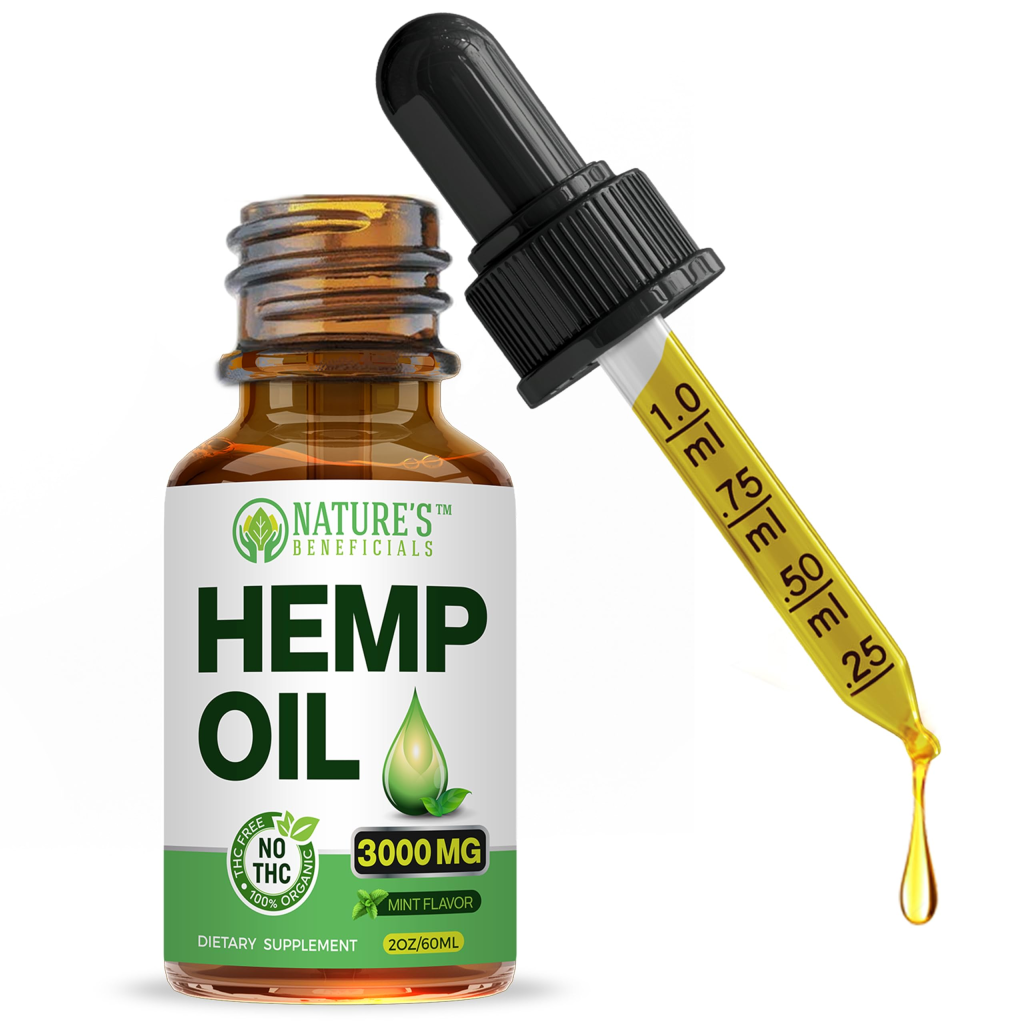
No, hemp oil is made from hemp seeds and contains no CBD, while CBD oil is extracted from the flowers and leaves of the hemp or cannabis plant, containing high levels of cannabidiol.
Hemp oil is generally safe, but some individuals may experience mild digestive issues. For those with allergies to hemp, topical applications might cause skin irritation.
Hemp oil extract, typically referring to CBD oil, may help relieve anxiety, reduce pain, and improve sleep. It works by interacting with the endocannabinoid system to support homeostasis.
Hemp oil extract often refers to CBD oil, which contains active cannabinoids like CBD, while hemp seed oil (commonly called hemp oil) does not contain CBD.
CBD oil has calming effects on the brain, potentially reducing anxiety and promoting mental clarity by influencing serotonin receptors. However, hemp seed oil doesn’t contain cannabinoids and doesn’t have the same effect.
No, hemp oil (including both hemp seed oil and CBD oil) is non-psychoactive. THC, the psychoactive compound in marijuana, is present in minimal quantities (<0.3%) in industrial hemp-derived oils.
Hemp is a variety of Cannabis sativa with low THC levels (<0.3%), primarily used for industrial and health purposes. Marijuana contains higher THC levels and is psychoactive, leading to different legal classifications and uses.
Yes, CBD oil, a type of hemp-derived oil, is known for its potential in relieving pain due to its anti-inflammatory properties. Hemp seed oil, however, is more beneficial for skin and nutritional support than direct pain relief.
CBD oil extraction is more complex and involves isolating active cannabinoids, which increases its cost. Hemp seed oil, on the other hand, is more affordable to produce due to its simpler cold-press extraction from seeds.
Hemp seed oil contains negligible THC, if any, as it’s derived from the seeds rather than the parts of the plant that contain cannabinoids. CBD oil may contain trace amounts of THC, especially if it’s full-spectrum.
Choosing Hemp Oil and CBD Oil for Your Wellness Needs
Understanding the distinctions between hemp seed oil and CBD oil can help you select the right product for your health needs. Hemp seed oil is ideal for individuals looking for skin health and essential fatty acids, while CBD oil offers therapeutic benefits, especially for managing pain, anxiety, and sleep issues. Both oils bring unique advantages to a wellness routine, so it’s essential to evaluate your health goals before making a choice.
For those interested in high-quality CBD options, visit our recommended list of top CBD brands for curated products that meet the highest standards in the industry.


