


Colon cleansing has grown in popularity as a method of promoting digestive health and detoxifying the body. Also known as colonic hydrotherapy or colonic irrigation, this practice involves flushing the colon with large amounts of fluid. Proponents claim it provides various health benefits, from improved digestion to enhanced energy levels. However, medical professionals often debate whether colon cleansing is truly beneficial, as research on the topic is limited. This article explores whether a colon cleanse is good for you, its potential benefits and risks, and alternative ways to support colon health. If you want to know the top collagen supplements, you can check here.
What is Colon Cleansing?
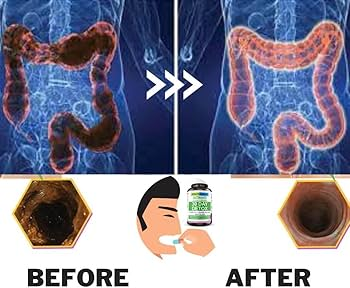
Colon cleansing, also referred to as colonic irrigation, is a procedure that involves flushing the colon, or large intestine, with water or other fluids. This practice, dating back to ancient civilizations, is based on the belief that undigested food and waste can accumulate in the colon, leading to toxin buildup and various health issues. Proponents of colon cleansing believe that it removes harmful toxins, improves digestive health, and supports overall wellness.
In modern practice, colon cleansing is typically performed in two ways:
Colonic Hydrotherapy: This involves the use of specialized equipment and is usually performed by a trained colonic hygienist. Colonic hydrotherapy sessions introduce water into the colon through a tube inserted into the rectum, helping to flush out waste material.
Colon Cleansing Products: These include over-the-counter supplements, herbal teas, and powders designed to promote bowel movements and cleanse the colon.
Despite its popularity, colon cleansing has mixed reviews within the medical community. Some people report feeling revitalized after the procedure, while others experience discomfort or adverse effects.
How the Digestive System Works
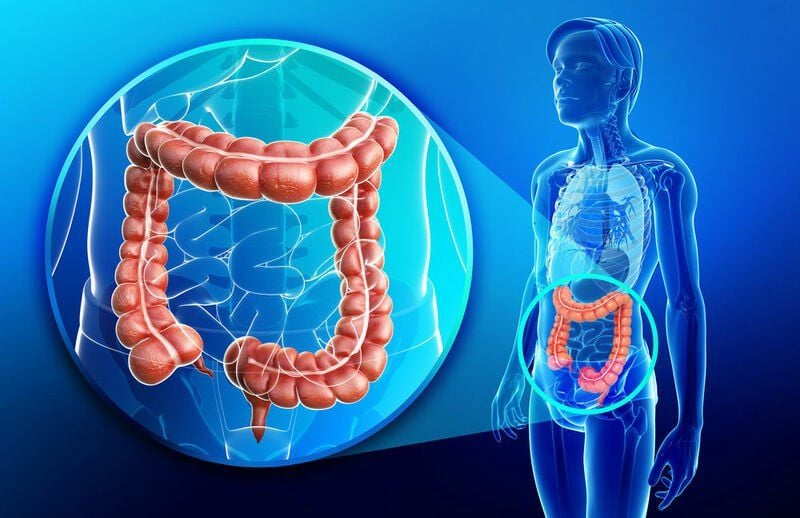
The colon, also known as the large intestine, plays a critical role in the digestive system. The colon absorbs water, salts, and nutrients from food waste, and then passes the waste out of the body through bowel movements. The colon is a muscular tube, continually moving to propel waste toward elimination. It also acts as a barrier, preventing harmful bacteria and toxins from entering the bloodstream.
Our bodies are equipped with natural mechanisms to remove waste, and the colon is considered an efficient, self-cleaning system. The digestive system, with the colon’s help, maintains a balance of good and bad bacteria that protect against infection and support immune function. This natural balance is crucial to the body’s health and is often disrupted by frequent or aggressive colon cleanses.
Benefits and Claims of Colon Cleansing
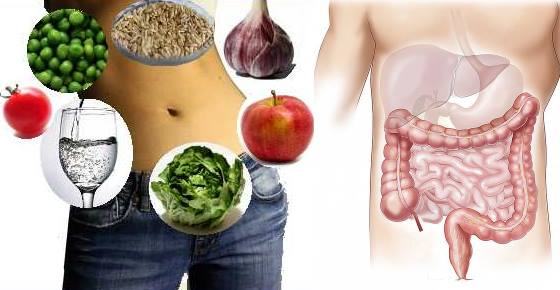
Proponents of colon cleansing often cite various health benefits associated with the practice. These claims include:
Removal of Toxins: Colon cleansing is believed to flush out toxins and food waste that accumulate in the colon, potentially improving overall health.
Improved Digestive Health: Some people report fewer digestive issues, such as bloating or constipation, after a colon cleanse.
Enhanced Energy Levels: Many advocates claim that removing toxins from the body boosts energy and enhances mental clarity.
Weight Loss: Colon cleansing may lead to temporary weight loss due to the removal of waste material.
Better Immune System Function: A balanced colon is thought to support immune health by promoting the growth of beneficial bacteria.
However, it’s essential to note that these benefits are largely anecdotal. There is minimal scientific evidence to support these claims, and the U.S. Food and Drug Administration (FDA) and the Federal Trade Commission (FTC) have taken action against some companies making unproven health claims about colon-cleansing products.
Potential Risks and Side Effects of Colon Cleansing
While some people experience positive effects from colon cleansing, others may face adverse side effects. Some potential risks of colon cleansing include:
Dehydration: The flushing process can lead to dehydration if fluids are not adequately replenished.
Electrolyte Imbalance: Colon cleansing can disrupt electrolyte levels in the body, affecting muscle and nerve function. An electrolyte imbalance may lead to fatigue, cramping, or even heart complications.
Infections and Bacterial Imbalance: Colon cleansing may disturb the balance of good and bad bacteria in the gut, potentially leading to infections or other health problems.
Rectal Perforation: In rare cases, improper use of colon cleansing equipment during colonic hydrotherapy can result in a tear or perforation in the colon wall, a medical emergency that requires immediate attention.
Kidney or Heart Disease Complications: People with pre-existing conditions, such as kidney or heart disease, are at greater risk of complications from colon cleansing.
Due to these risks, medical professionals often advise against regular or aggressive colon cleanses, especially for individuals with existing health problems.
Who Should Avoid Colon Cleansing?
Certain individuals should avoid colon cleansing altogether due to potential health risks. These include:
People with Digestive Disorders: Individuals with conditions like Crohn’s disease, ulcerative colitis, or irritable bowel syndrome should avoid colon cleansing, as it can aggravate symptoms.
Those with a History of Colon Surgery: People who have had colon surgery may experience adverse effects, as their digestive systems are more sensitive.
Patients with Kidney or Heart Disease: Those with kidney or heart disease may face complications due to the fluid and electrolyte changes associated with colon cleansing.
Pregnant or Breastfeeding Women: Colon cleansing is generally not recommended for pregnant or breastfeeding women due to potential health risks.
People with a Compromised Immune System: Individuals with weakened immune systems should be cautious, as colon cleansing can disrupt gut bacteria and increase susceptibility to infection.
It’s essential to consult a healthcare provider before trying any colon cleansing method, particularly for individuals with underlying health conditions.
Alternatives to Colon Cleansing for Digestive Health
Instead of colon cleansing, many healthcare professionals recommend a balanced lifestyle to promote colon and digestive health naturally. Here are some evidence-based methods to support a healthy colon:
Increase Fiber Intake: A diet rich in whole grains, fruits, vegetables, and legumes helps promote regular bowel movements and supports gut health. Fiber assists the colon in eliminating waste effectively.
Stay Hydrated: Drinking plenty of water helps flush out toxins and supports overall digestive health. Aim for 8-10 glasses daily for optimal hydration.
Exercise Regularly: Physical activity promotes blood flow to the digestive tract and stimulates muscle contractions in the colon, reducing the risk of constipation.
Consume Probiotics: Probiotics, found in foods like yogurt, kefir, and sauerkraut, encourage the growth of beneficial bacteria in the gut. This balance of good bacteria supports colon health and helps prevent infections.
Limit Processed Foods: Reducing intake of processed foods, particularly those high in sugar and fat, can help maintain a healthy balance of gut bacteria and reduce toxin buildup.
Screen for Colon Cancer: Regular screenings are crucial for preventing colon cancer. Adults should begin colon cancer screenings at age 45 or earlier if they have a family history of colorectal cancer.
These lifestyle changes contribute to a healthier digestive system and may prevent the need for a colon cleanse.
FAQs about Colon Cleansing
A colon cleanse can release waste material, gas, and fluids trapped in the colon. Some people report feeling lighter or more energized after the procedure.
Colon cleansing can offer temporary relief from constipation or bloating for some people. However, the long-term benefits are not well-supported by scientific evidence.
If you choose to cleanse your colon, it’s essential to limit the frequency. Healthcare professionals often recommend no more than once or twice a year, if at all, due to potential risks.
Drinking water, eating fiber-rich foods, and consuming probiotics are considered safe and effective ways to support a healthy colon without the risks of aggressive colon cleansing.
Common side effects of colon cleanses include dehydration, electrolyte imbalance, bloating, and, in rare cases, rectal perforation or infection.
Is There Scientific Evidence Supporting Colon Cleansing?
While colon cleansing has a long history and is widely promoted in alternative medicine, scientific proof supporting its health benefits is limited. Medical professionals stress that the body already has an efficient waste removal system, and the colon does not require frequent cleansing. Several health organizations, including the FDA and American Medical Association, have not endorsed colon cleansing, citing insufficient evidence for its effectiveness and potential harm.
While some people report feeling refreshed or lighter after a colon cleanse, these effects are often temporary and may not contribute to long-term health improvements.
When to Seek Medical Advice
If you are considering colon cleansing due to digestive issues, consult a healthcare provider to discuss your symptoms. Medical professionals can help determine the underlying cause of issues like constipation, bloating, or irregular bowel movements, and they may suggest safer, evidence-based treatments. It’s also essential to have regular screenings for colon health, particularly if you are over age 45 or have a family history of colorectal cancer.
Colon cleansing is a popular alternative health practice, but it is not without risks. While some people claim to experience health benefits from colon cleansing, there is minimal scientific evidence supporting these claims. Instead of relying on colon cleanses, adopting a balanced diet, regular exercise, and staying hydrated are safer and more effective ways to support digestive health. Regular screenings for colon cancer are also vital for long-term health.
For those considering a colon cleanse, consulting a healthcare provider is essential, particularly if you have any underlying health conditions. A healthy lifestyle and regular medical care are the best ways to maintain colon health without the risks associated with colon cleansing.


