Skin cycling is a structured approach to skincare that alternates active ingredients with rest days to enhance skin health while minimizing irritation. Popularized by dermatologists and social media influencers alike, this method gives your skin time to recover, prevents over-exfoliation, and helps to improve skin tone and texture. Whether you have sensitive skin, acne-prone skin, or just want to elevate your routine, skin cycling can be customized to fit various skin types and goals.

In this guide, we’ll explore how to implement a skin cycling routine effectively, the benefits of this method, and how to select the right products for a balanced and effective skincare regimen.
What is Skin Cycling?
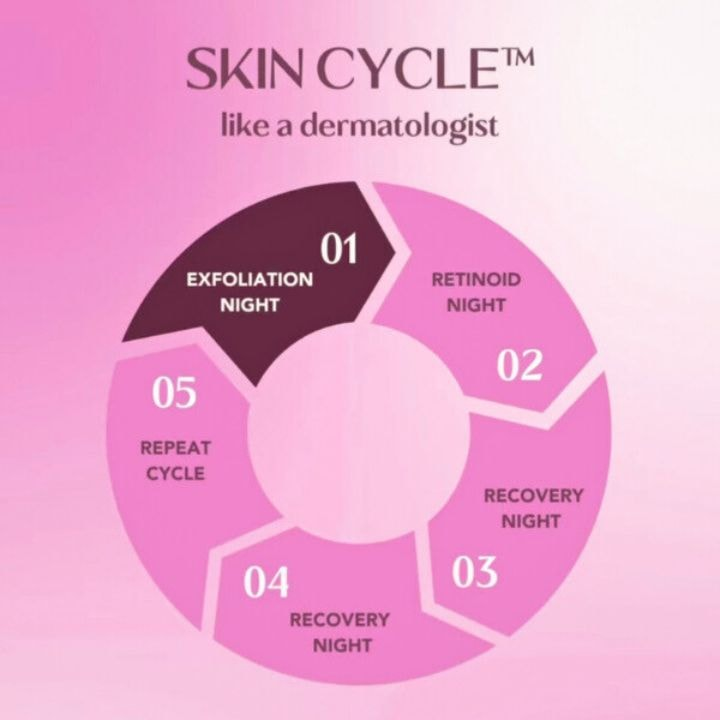
Skin cycling is a four-day cycle skincare regimen designed to optimize the benefits of active ingredients while protecting the skin barrier. By alternating between exfoliation, retinoids, and rest days, skin cycling allows for powerful active ingredients to work without overwhelming or irritating the skin.
Why is Skin Cycling Trending?
Skin cycling has become a major beauty trend due to its simplicity and effectiveness. As many skincare enthusiasts look for ways to streamline their routines, skin cycling offers a balanced approach that reduces the risks associated with overusing active products. It also provides a clear structure that’s easy to follow, making it accessible for those new to skincare.
Who Can Benefit from Skin Cycling?
One of the major advantages of skin cycling is that it can be adapted to various skin types and conditions, from dry skin and sensitive skin to oily skin. This method is particularly beneficial for people prone to skin irritation, as it includes recovery nights that help maintain a healthy moisture barrier and minimize redness.
The Four-Day Skin Cycling Routine
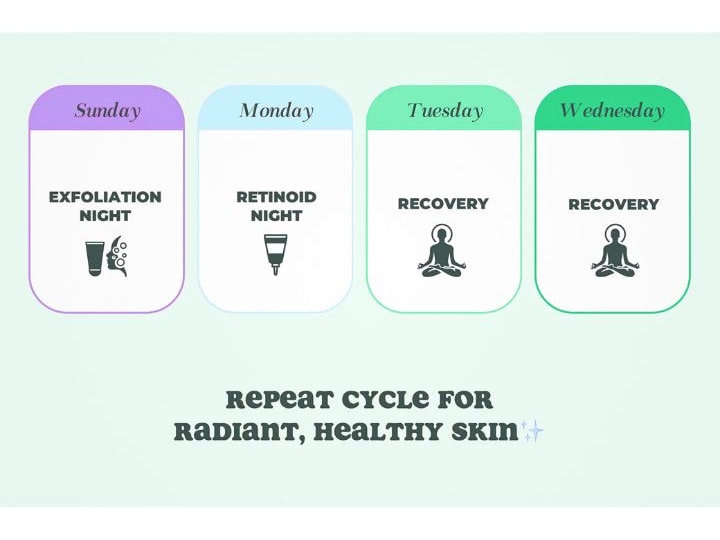
A four-day cycle is the most common skin cycling routine. Here’s how it typically breaks down:
Night 1: Exfoliation Night
This night focuses on removing dead skin cells with a chemical exfoliant, such as glycolic acid or salicylic acid. These exfoliating acids unclog pores and improve cell turnover, creating a smooth base for the rest of the cycle.Night 2: Retinoid Night
The second night involves applying a retinoid or retinol product to support collagen production and address concerns like fine lines and dark spots.Nights 3 and 4: Recovery Nights
The final two nights are rest or recovery nights, focusing on hydration and barrier repair. Using a hydrating cream or moisturizer with hyaluronic acid during these nights helps restore and protect the skin barrier.
Night 1: Exfoliation Night
On exfoliation night, the goal is to remove dead skin cells and unclog pores. Chemical exfoliants like glycolic or lactic acid are preferred over physical exfoliants as they are gentler on the skin. After cleansing with a gentle cleanser, apply an exfoliating product sparingly, avoiding sensitive areas around the eyes. This step boosts cell turnover and prepares the skin to absorb other products more effectively.
Night 2: Retinoid Night
The second night of the skin cycle incorporates retinoids or retinol, which are powerful ingredients for reducing fine lines, improving skin tone, and supporting collagen production. After cleansing, apply a pea-sized amount of retinol to the skin. Since retinoids can cause dryness, following up with a moisturizer helps to prevent irritation.
Nights Three and Four: Recovery Nights
The recovery nights in skin cycling are crucial for soothing and repairing the skin. Use products rich in hyaluronic acid, ceramides, and peptides to replenish moisture and support the skin barrier. These nights are meant to give your skin a break from actives, which reduces the risk of over-exfoliation and helps sensitive skin heal.
Benefits of Skin Cycling
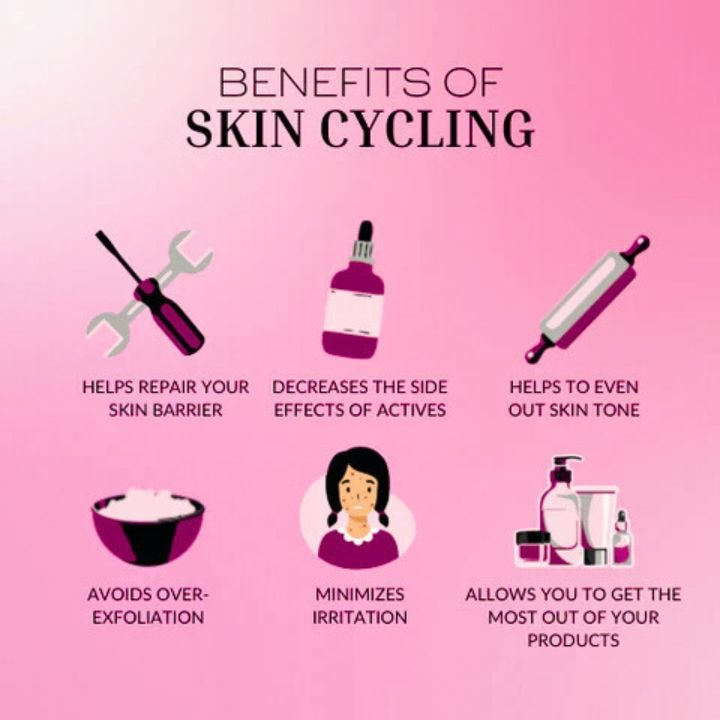
Skin cycling offers several benefits, including:
Reduced Skin Irritation: Alternating actives with rest days reduces the likelihood of irritation.
Improved Skin Health: Recovery nights strengthen the moisture barrier, leading to healthier skin over time.
Better Results: Regular but controlled use of exfoliants and retinoids enhances skin tone, smoothness, and elasticity.
Choosing the Right Products for Your Skin Cycling Routine
Selecting the right products is essential for effective skin cycling. Look for gentle cleansers, hydrating creams, and specific actives suited to your skin type. For oily skin, a lighter moisturizer might be more suitable, while dry skin benefits from richer creams.
Skin Cycling for Acne-Prone Skin
For those with acne-prone skin, skin cycling can be particularly beneficial as it helps keep pores clear without over-drying. Use salicylic acid on exfoliation nights to target breakouts, and opt for a lower-strength retinoid to avoid irritation on retinoid night. Recovery nights help maintain hydration and balance, key factors for preventing further acne flare-ups.
Avoiding Overly Complicated Routines
One of the strengths of skin cycling is its simplicity. By following a specific skin cycling routine, you can avoid an overly complicated regimen that can sometimes do more harm than good. Stick to the basics—cleanser, exfoliant, retinoid, and moisturizer—and let each night in the cycle serve its purpose.
Can Skin Cycling Help with Dark Spots?
Yes, skin cycling can help reduce the appearance of dark spots over time. Exfoliation and retinoid nights promote cell turnover and help fade hyperpigmentation. Combined with recovery nights, which minimize irritation, skin cycling offers a balanced way to address uneven skin tone and dark spots.
Why Rest Nights Matter in Skin Cycling
The rest days in skin cycling are essential for skin health. On these nights, the focus is on supporting the skin barrier with hydration. Skipping recovery nights can lead to overuse of active ingredients, causing dryness and irritation. Regular rest nights allow the skin to rejuvenate and maintain its natural balance.
The Role of Hydration in Skin Cycling
Hydration is a key component of the recovery period in skin cycling. Products with hyaluronic acid and glycerin attract moisture to the skin, helping to repair and protect it. Hydrated skin not only feels more comfortable but also enhances the effects of exfoliants and retinoids by reducing the risk of irritation.
Consulting a Board-Certified Dermatologist for Specific Skin Conditions
If you have specific skin conditions such as eczema or rosacea, consult a board-certified dermatologist before starting a skin cycling routine. Dermatologists can help adapt the routine to suit more sensitive skin and suggest products that are safe for certain skin types.
FAQs About Skin cycling
A: Skin cycling is a four-day skincare routine that alternates between exfoliation, retinoid, and recovery nights to balance active ingredients with rest days, promoting healthier skin and reducing irritation.
A: Yes, skin cycling is highly adaptable and can be modified to suit various skin types and concerns, including acne-prone skin, sensitive skin, and oily skin.
A: Typically, exfoliation is done on the first night of each cycle. Using chemical exfoliants like glycolic or lactic acid on this night helps to remove dead skin cells without over-exfoliating.
A: Yes, it’s recommended to use an exfoliating acid on exfoliation night, a retinoid on retinoid night, and a hydrating moisturizer on recovery nights to achieve the best results.
A: Yes, incorporating retinoids in your skin cycling routine can boost collagen production, helping to reduce fine lines and improve overall skin health.
A: Skin cycling is generally safe for sensitive skin due to its structured rest days. However, consider using milder products and consult a dermatologist if you have concerns.
A: If irritation occurs, extend your recovery nights, use gentle products, and avoid strong active ingredients until your skin feels balanced again.
A: While possible, chemical exfoliants are often gentler and more effective for skin cycling. Physical exfoliants can be too abrasive and might disrupt the skin barrier.
A: If you miss a night, simply continue with the next step in the skin cycling routine without doubling up. Skin cycling is designed to be flexible, so if you miss a night, you can pick up where you left off without disrupting the process.
A: Many people notice improvements in skin texture and tone within a few weeks. However, for more visible changes, such as the reduction of fine lines or dark spots, it can take 6-12 weeks of consistent cycling.
A: It’s best to keep the routine simple to prevent irritation. However, you can consult with a board-certified dermatologist if you wish to incorporate additional actives, as they can advise on how to safely include them.
A: While makeup can be worn, it’s essential to remove it thoroughly before starting your nighttime routine to avoid clogging pores and ensure the active ingredients work effectively.
A: Look for hydrating creams with ingredients like hyaluronic acid, ceramides, or peptides. These components help strengthen the skin barrier and retain moisture.
Final Thoughts
Skin cycling is a structured, dermatologist-approved method that brings balance to your skincare routine. By alternating between active ingredient nights and recovery nights, this routine provides targeted care without compromising the skin barrier. Whether you’re new to skincare or looking for a streamlined routine, skin cycling offers an adaptable solution that suits a variety of skin types and conditions.
Incorporating skin cycling into your nighttime routine can enhance skin health, reduce irritation, and give you a clear path to achieving a radiant complexion. With the guidance provided here, you can start your journey to healthier, more balanced skin with confidence.