Managing pimples and acne can be a challenge, especially for those with acne-prone skin or oily skin. An effective skincare routine focused on reducing excess oil, unclogging pores, and treating breakouts can make a significant difference in skin health and appearance. Whether you’re dealing with occasional pimples or more persistent acne vulgaris, understanding the right products, ingredients, and skincare habits can help you achieve clearer, more balanced skin.
This guide will provide an in-depth look at skincare for pimples, including best practices, recommended products, and tips for maintaining a healthy skin barrier to prevent new breakouts.
Understanding Acne and Pimple-Prone Skin
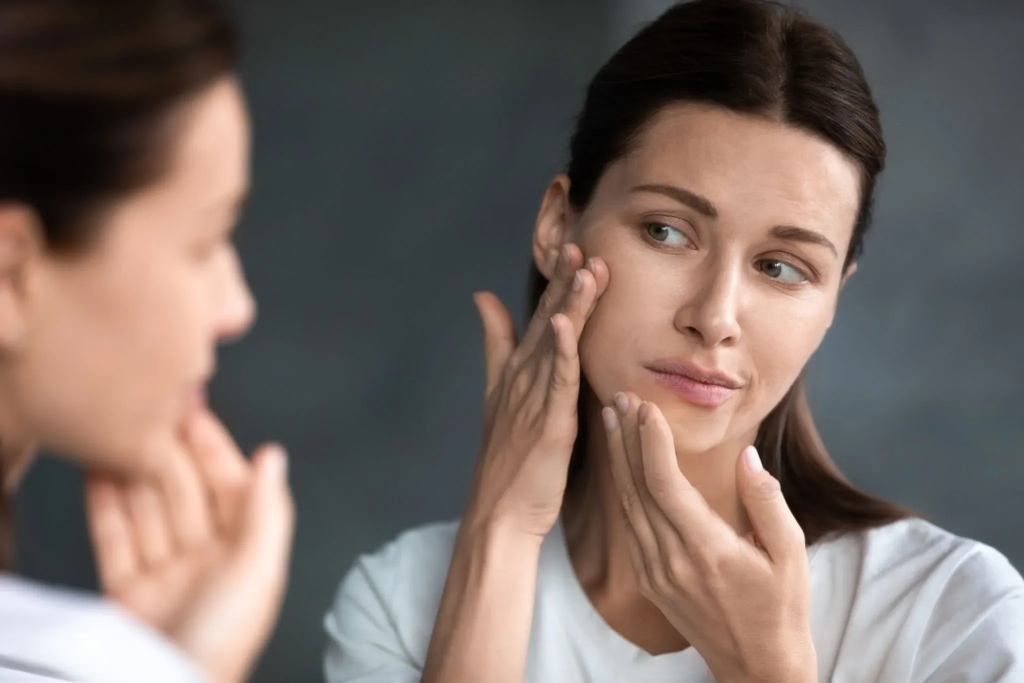
Acne occurs when dead skin cells, excess oil, and acne-causing bacteria clog pores, leading to inflammation, blackheads, and pimples. Acne-prone skin is typically characterized by clogged pores, enlarged pores, and sensitivity to certain products. Knowing your skin type and the type of acne you’re dealing with (such as inflammatory acne or acne vulgaris) is essential for selecting the right skincare routine.
The Importance of a Consistent Skincare Routine
A consistent skincare routine is vital for managing acne-prone skin. Regular cleansing, exfoliation, and hydration help remove impurities from the skin’s surface and keep the skin’s natural barrier strong. Consistency is key, as sporadic care can often lead to inconsistent results or worsen acne.

Cleansing: The First Step in Treating Acne
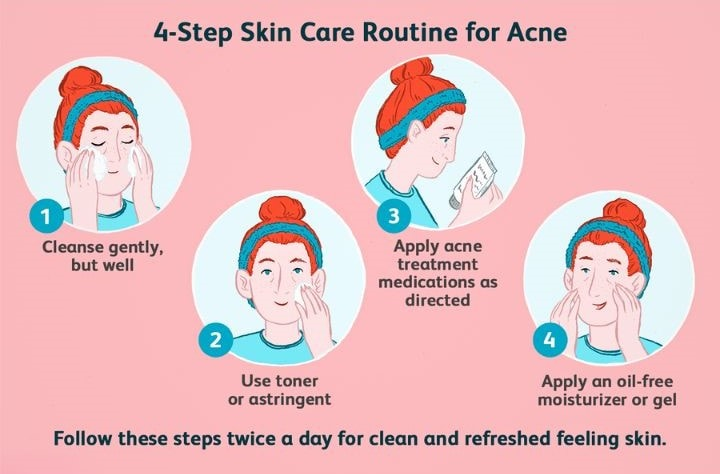
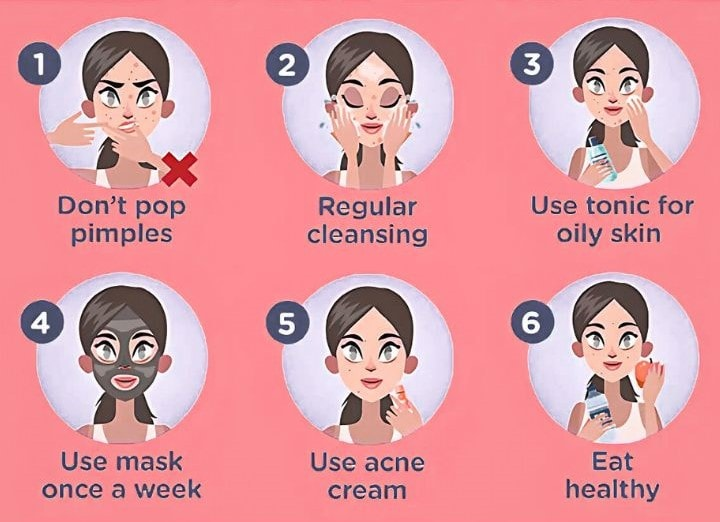
Cleansing is one of the most important steps in skincare for pimples. Use a gentle cleanser that’s specifically formulated for acne-prone skin to remove excess oil and impurities without irritating the skin. Avoid harsh soaps that can strip the skin, as this can lead to skin irritation and disrupt the skin’s natural barrier.
Choosing the Right Cleanser: Salicylic Acid and Benzoyl Peroxide
For those dealing with acne, cleansers with salicylic acid or benzoyl peroxide can be effective. Salicylic acid is a beta-hydroxy acid (BHA) that helps unclog pores by dissolving dead skin cells, while benzoyl peroxide targets acne-causing bacteria and reduces inflammation. Both ingredients are commonly used in acne treatments and can be beneficial for reducing breakouts.
The Role of Exfoliation in Acne Treatment
Exfoliation removes dead skin cells from the surface, which can prevent clogged pores and improve skin texture. However, acne-prone skin requires gentle exfoliation to avoid irritation. Using chemical exfoliants like glycolic acid or lactic acid once or twice a week can help reduce build-up and promote clear skin without causing excessive dryness or sensitivity.
Avoid Physical Exfoliants for Acne-Prone Skin
While physical exfoliants, such as scrubs, can help remove dead skin cells, they are often too abrasive for acne-prone skin. These products can irritate and worsen acne by causing micro-tears in the skin. Stick to gentle chemical exfoliants to achieve smoother, healthier skin.
Hydration: Keeping the Skin Moisturized Without Clogging Pores
Moisturizing is essential even for those with oily skin or acne-prone skin. A lightweight moisturizer that is non-comedogenic (won’t clog pores) can help maintain hydration without increasing oiliness. Ingredients like hyaluronic acid can keep the skin hydrated and prevent dry skin or flakiness, which is especially important when using drying acne treatments.
Using Non-Comedogenic Moisturizers
Choose a non-comedogenic moisturizer that won’t clog your pores. Moisturizers labeled as non-comedogenic are specially formulated to prevent clogged pores and breakouts, making them ideal for acne-prone skin. Look for ingredients like glycerin and ceramides, which help keep the skin barrier intact.
Protecting Your Skin Barrier
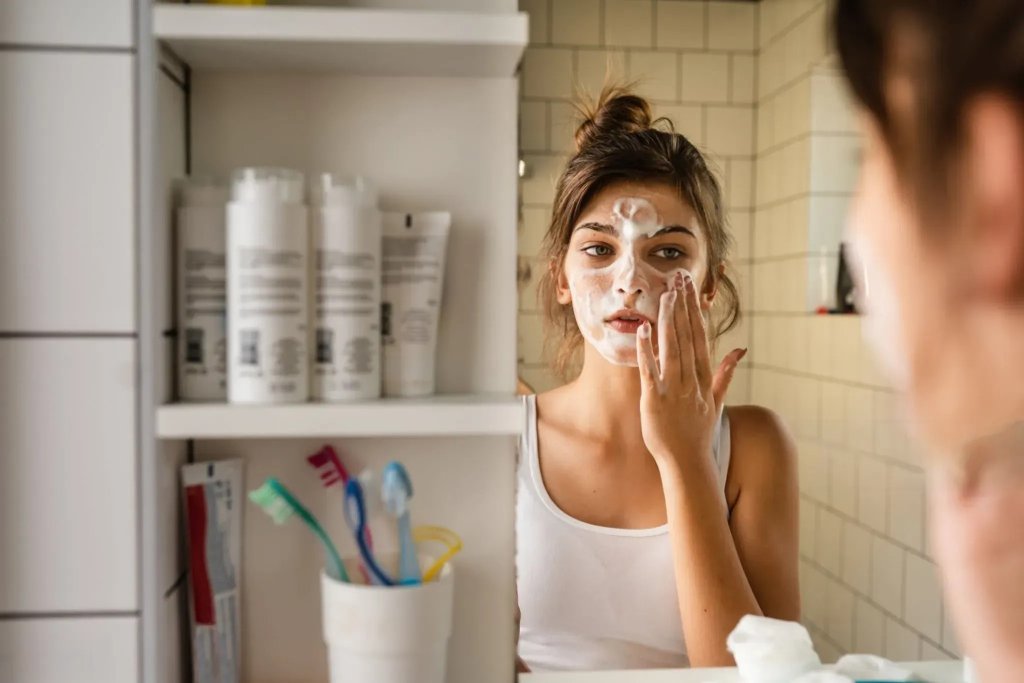
Maintaining a healthy protective skin barrier is essential for those with acne-prone skin. A compromised skin barrier can lead to skin irritation, redness, and increased sensitivity to acne treatments. Use gentle, hydrating products and avoid over-exfoliation to keep your barrier strong.
Spot Treatments for Existing Pimples
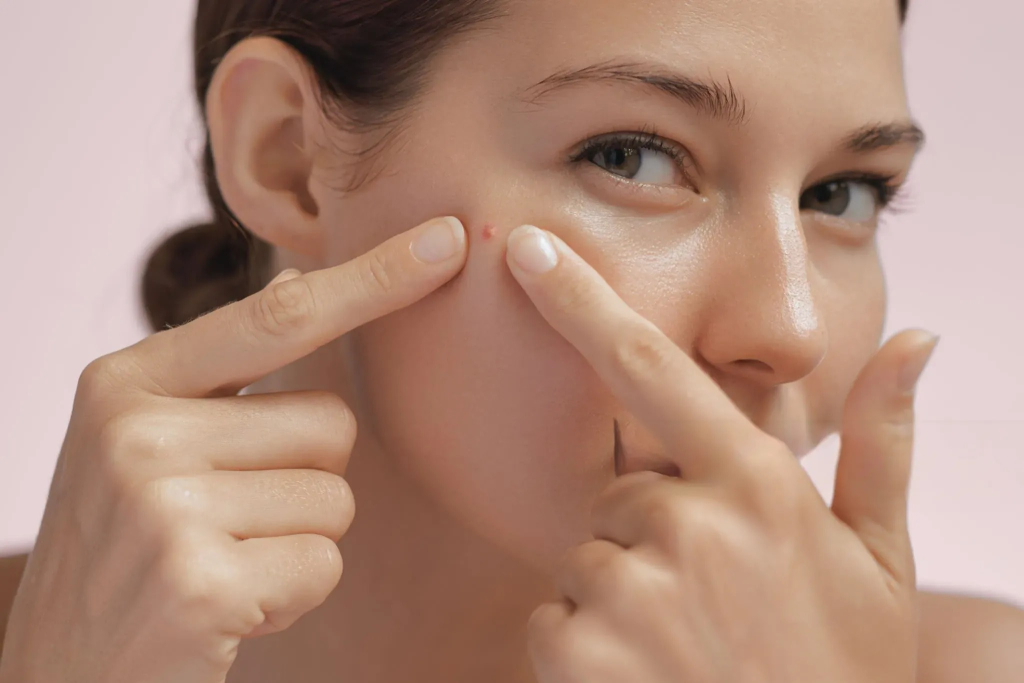
Spot treatments can be highly effective for targeting existing pimples. Ingredients like benzoyl peroxide, azelaic acid, and salicylic acid help reduce inflammation and target bacteria directly on pimples. Apply sparingly to avoid dryness and only use as needed to prevent over-irritating the surrounding skin.
Choosing the Right Products for Acne-Prone Skin
Opt for products that are free from alcohol, fragrances, and other harsh ingredients that can irritate the skin. A skincare routine that includes non-comedogenic products, gentle cleansers, and hydrating creams will provide a balanced approach to managing acne.
Avoiding Ingredients That Worsen Acne
Certain ingredients, such as heavy oils, sulfates, and alcohol-based products, can worsen acne by clogging pores or irritating the skin. It’s essential to read labels carefully and avoid these irritants if you have acne-prone skin.
Incorporating Retinoids in Your Routine
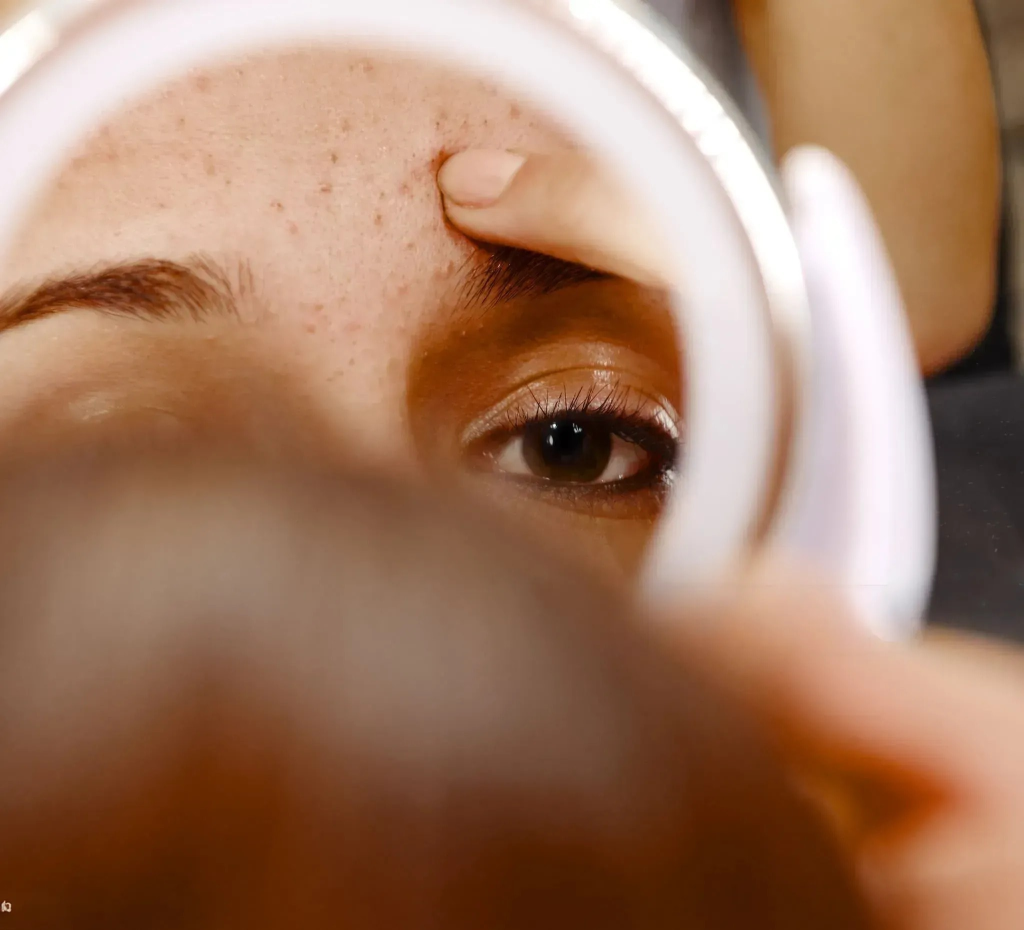
Retinoids are powerful acne treatments that support cell turnover and reduce acne breakouts. For those with moderate or persistent acne, a retinoid can be effective in improving skin texture and preventing new breakouts. However, retinoids should be introduced gradually to avoid skin irritation.
Sun Protection: A Must for Acne-Prone Skin
Sun exposure can exacerbate acne and cause post-inflammatory hyperpigmentation (dark spots left after pimples heal). Wearing sunscreen daily is crucial for preventing these issues and protecting the skin from damage. Choose a non-comedogenic sunscreen that won’t clog pores.
Managing Excess Oil
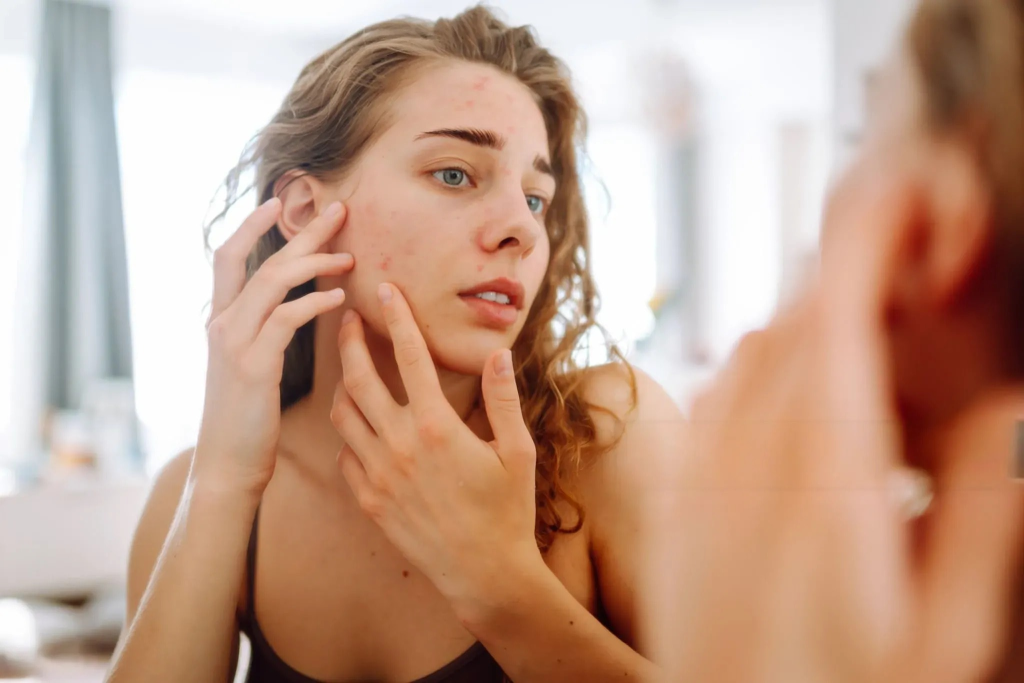
For those with oily skin types, managing excess oil is an essential part of skincare for pimples. A gentle, oil-free cleanser and a mattifying moisturizer can help control shine and prevent clogged pores without over-drying.
The Benefits of Hyaluronic Acid in Acne Care
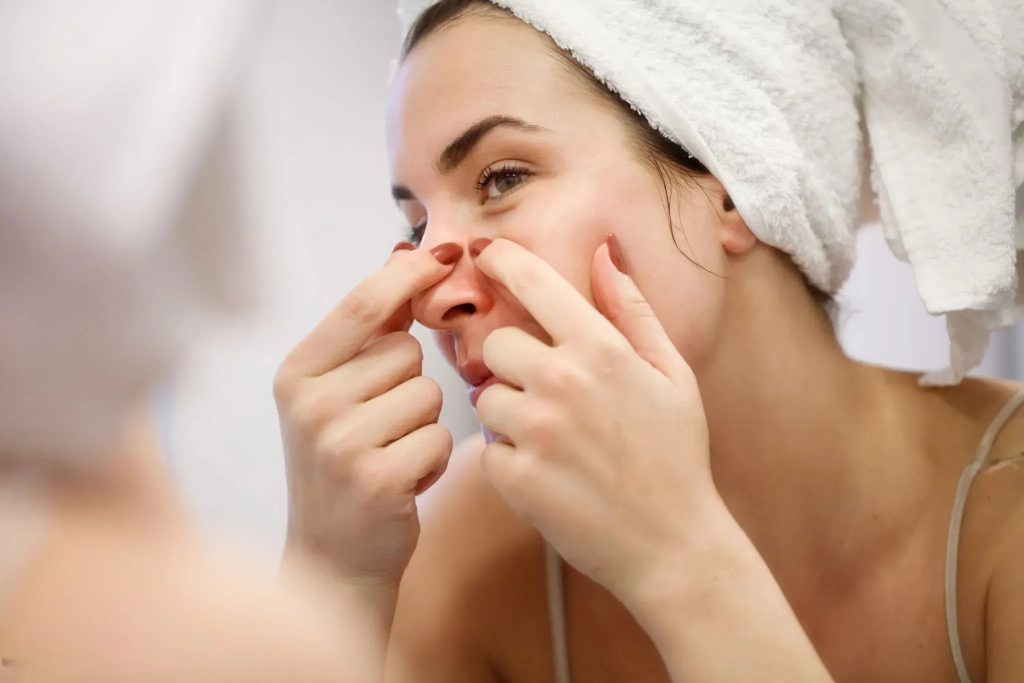
Hyaluronic acid is a hydrating ingredient that keeps the skin moisturized without adding oil, making it perfect for acne-prone and oily skin. It prevents dryness often associated with acne treatments and helps maintain the skin barrier.
Treating Acne with Board-Certified Dermatologist Guidance
For those dealing with persistent or severe acne, consulting a board-certified dermatologist can provide personalized treatment options. A dermatologist can recommend prescription-strength acne medications tailored to your skin type and condition.
The Importance of Regular Cleansing
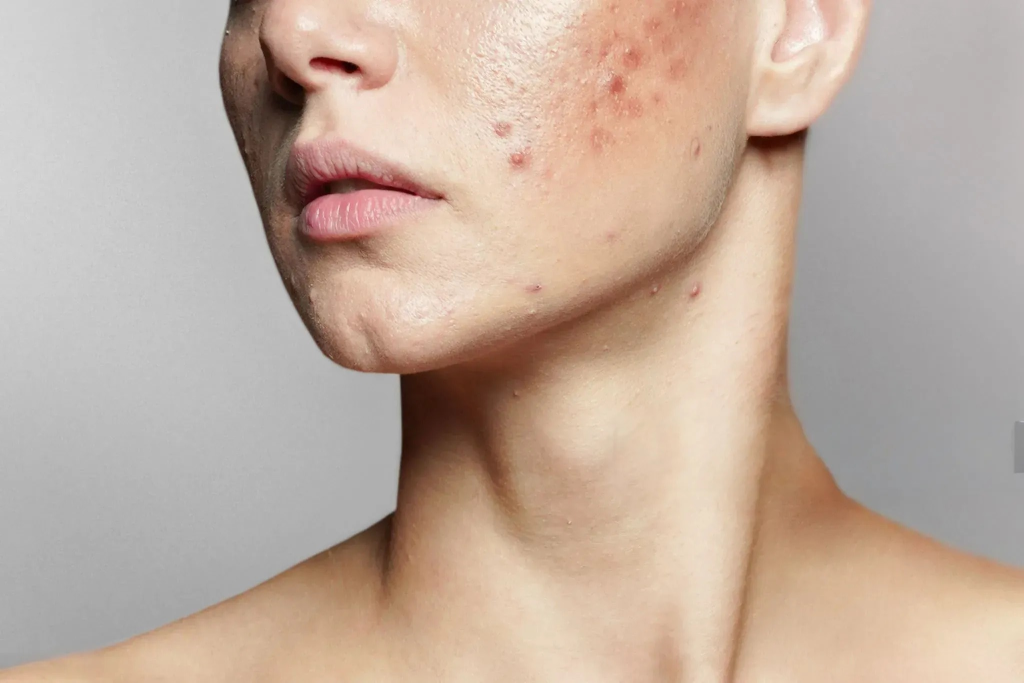
Cleansing twice a day helps remove dirt, oil, and impurities that can lead to clogged pores. For those with acne-prone skin, regular cleansing is vital to maintain clear skin and reduce the chance of new breakouts.
Avoiding Harsh Scrubs and Brushes
While exfoliation is beneficial, harsh scrubs or brushes can irritate sensitive skin and worsen acne. Stick to gentle products and avoid over-exfoliating, as this can damage the skin’s surface and lead to inflammatory acne.
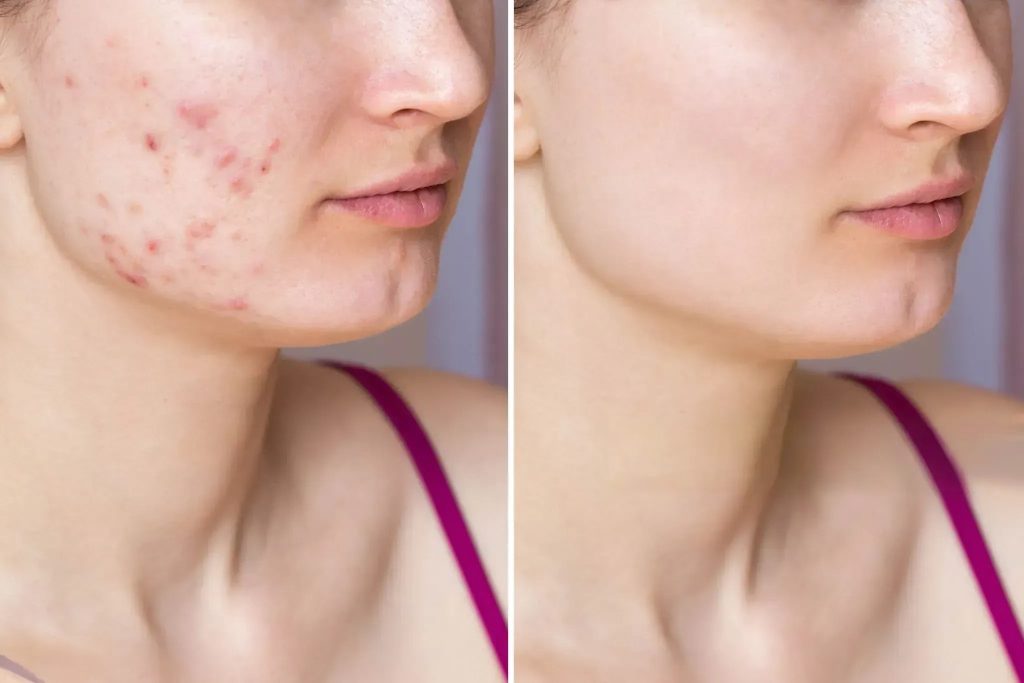
When to Seek Professional Acne Treatments
If at-home treatments aren’t working, professional acne treatments like chemical peels, laser therapy, or extraction may help clear persistent acne. Always consult a dermatologist to explore these options safely.
Skincare for Sensitive Skin Types with Acne
If you have sensitive and acne-prone skin, it’s essential to use gentle products formulated to avoid irritation. Non-comedogenic, fragrance-free, and alcohol-free products are ideal for sensitive skin, minimizing the risk of acne and irritation.
Facial Moisturizers for Acne-Prone Skin
Hydration is a critical component of any acne regimen, and facial moisturizers that are lightweight and non-comedogenic help keep acne-prone skin balanced. Moisturizers with ingredients like glycerin and ceramides hydrate without clogging pores, keeping your skin feeling soft and healthy.
FAQs: Skincare for Pimple-Prone Skin
A: For acne-prone skin, it’s generally recommended to wash your face twice a day—once in the morning and once before bed. Over-washing can strip your skin of essential oils, causing irritation and potentially leading to more oil production as your skin tries to compensate. Use a gentle cleanser that doesn’t irritate your skin or disrupt its natural balance.
A: No, it’s important to use a moisturizer even if you have oily or acne-prone skin. Skipping moisturizer can lead to dehydration, which can prompt your skin to produce more oil. Look for a lightweight, non-comedogenic moisturizer designed for acne-prone skin to maintain hydration without clogging your pores.
A: Effective cleansers for acne-prone skin often contain ingredients like salicylic acid or benzoyl peroxide. Salicylic acid helps unclog pores by removing dead skin cells, while benzoyl peroxide targets acne-causing bacteria. Both ingredients can help prevent and treat breakouts, though they may work best when alternated or used under a dermatologist’s guidance.
A: For acne-prone skin, it’s typically best to exfoliate one to two times per week. Choose a gentle chemical exfoliant with glycolic acid or lactic acid to remove dead skin cells and avoid physical exfoliants, which can irritate the skin. Always follow up with a moisturizer to keep your skin barrier intact.
A: Yes, retinoids are commonly used in acne treatment to promote cell turnover and prevent clogged pores. They can be highly effective in reducing breakouts and improving skin texture. Start with a low concentration and use them sparingly, as they can initially cause dryness or irritation. Consulting a dermatologist can be helpful if you’re new to retinoids.
A: Post-inflammatory hyperpigmentation, or dark spots left behind after pimples heal, can be reduced using ingredients like azelaic acid, retinoids, and vitamin C. These ingredients help fade discoloration over time. Regular sunscreen use is also essential, as sun exposure can darken these spots.
A: Non-comedogenic products are formulated to avoid clogging pores. They’re essential for acne-prone skin because clogged pores are a primary cause of pimples and blackheads. Look for non-comedogenic labels on moisturizers, sunscreens, and makeup to prevent potential breakouts.
A: Yes, you can wear makeup if you have acne-prone skin, but it’s important to choose products labeled as non-comedogenic to avoid clogged pores. Make sure to remove makeup thoroughly at the end of the day using a gentle, oil-free cleanser to prevent buildup and irritation.
A: Signs of skin irritation include redness, burning, stinging, increased dryness, or a feeling of tightness after using a product. If you notice these symptoms, stop using the product and try a gentler option. Always patch-test new skincare products to check for any adverse reactions before applying them to your whole face.
A: Diet can impact acne for some people. Foods high in sugar, dairy, or refined carbohydrates may trigger breakouts for some individuals. Consider observing your diet and its effects on your skin and consult a healthcare provider or dermatologist if you notice any connections between specific foods and breakouts.
A: Most skincare routines for acne take about 6-8 weeks to show noticeable results. Consistency is key stick to your routine, and don’t try too many new products at once, as this can irritate the skin and worsen acne.
A: Painful, cystic acne is best treated with benzoyl peroxide, salicylic acid, or prescription-strength retinoids. You may need a dermatologist’s guidance for cystic acne, as it can be more challenging to treat with over-the-counter products alone. Avoid popping or squeezing cystic acne, as it can lead to scarring.
A: While the sun can temporarily dry out pimples, sun exposure ultimately worsens acne by causing dryness and leading to post-inflammatory hyperpigmentation. Using a non-comedogenic sunscreen daily is essential to protect your skin from damage and prevent dark spots.
A: Yes, dirty makeup brushes and certain fabrics, like synthetic materials that don’t allow the skin to breathe, can contribute to acne. Regularly clean your makeup brushes and opt for breathable fabrics like cotton to avoid trapping oil, bacteria, and sweat on your skin.
Developing a skincare routine for acne-prone skin can take patience and dedication, but the results are well worth the effort. By understanding your skin type, choosing the right products, and following a consistent routine, you can minimize breakouts, support your skin barrier, and achieve a healthy, radiant complexion. Remember to consult a dermatologist for persistent concerns and always protect your skin with non-comedogenic sunscreen. Following these comprehensive skincare tips can help transform pimple-prone skin into clear, healthy-looking skin, empowering you to face the world with confidence.