Getting a tattoo is an exciting experience, but caring for it afterward is crucial to ensure it heals properly and maintains its vibrancy. Proper tattoo aftercare not only preserves the tattooed skin but also prevents complications like infections or scarring. In this article, we’ll cover recommended tattoo aftercare steps, common aftercare mistakes to avoid, and how to help your new tattoo heal safely.
The Importance of Tattoo Aftercare
Tattoo aftercare is essential for keeping your new ink looking fresh and for preventing skin issues. Since a tattoo is essentially a wound, it requires specific care to heal properly. Neglecting proper aftercare can lead to faded ink, scarring, or infection, so understanding and following aftercare instructions is crucial for a safe and smooth healing process.

Initial Care for Your Fresh Tattoo
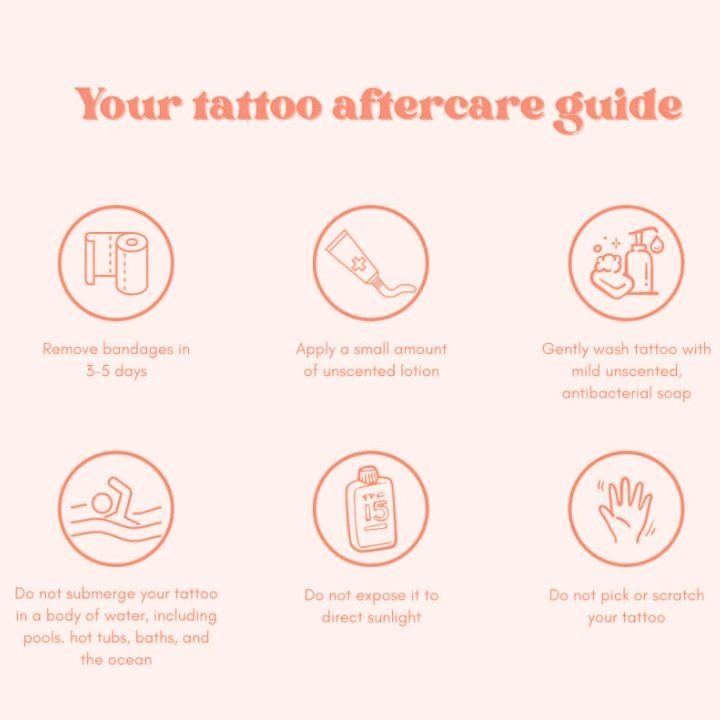
Right after your tattoo artist finishes the work, they’ll clean the area and cover it with plastic wrap or a sterile bandage. This first step in the tattoo aftercare process is essential, as it protects the tattooed area from bacteria. Most tattoo artists recommend keeping the covering on for a few hours, but always follow the instructions specific to your tattoo shop.
Removing the Bandage
Once you’re ready to remove the bandage, make sure to wash your hands thoroughly with soap and warm water. Gently peel off the wrap or bandage to avoid irritating the skin, which is likely sensitive after the tattooing process. Be careful not to pull, as this can damage the tattooed skin.
Cleaning Your New Tattoo
After removing the bandage, it’s time to gently wash the tattoo. Use warm water and a fragrance-free soap or gentle cleanser to remove excess ink, blood, and plasma from the area. Avoid using hot water, as it can irritate the skin further. Gently pat the tattoo dry with a clean paper towel or soft cloth instead of rubbing.
Applying a Thin Layer of Moisturizer
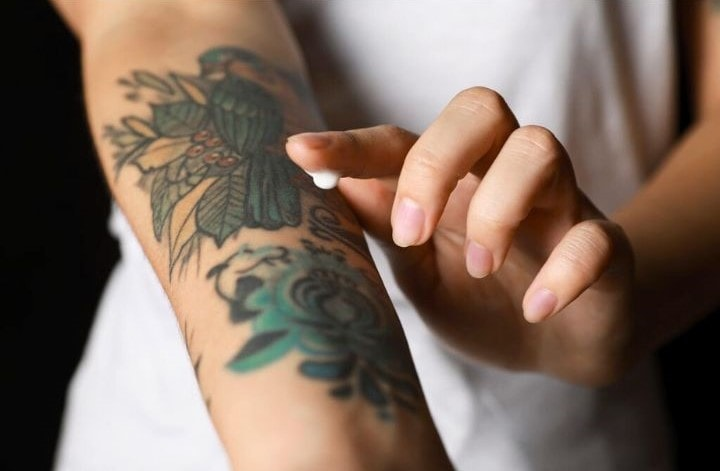
Once the tattoo is completely dry, apply a thin layer of an unscented, dye-free moisturizer or antibiotic ointment recommended by your tattoo artist. Avoid heavy products like petroleum jelly, as they can block airflow and hinder the healing process. The moisturizer helps keep the skin hydrated, preventing dry skin and promoting smooth healing.
Avoiding Tight Clothing and Irritation
For the first few days, wear loose clothing over the tattooed area to avoid friction. Tight clothing can rub against the fresh tattoo, causing irritation and potentially affecting the ink. Loose clothing also allows for better airflow, which is beneficial in helping the tattoo heal.
Avoiding Direct Sun Exposure
Sun exposure can be harmful to healing tattoos. Direct sunlight not only increases the risk of fading but also can cause blistering and irritation on sensitive, tattooed skin. When going outside, cover the tattoo with sun protective clothing or a bandage until it’s fully healed. Once your tattoo is completely healed, apply sunscreen regularly to maintain the vibrancy of the ink.
Say No to Swimming and Hot Tubs
One of the most important tattoo aftercare tips is to avoid swimming, hot tubs, and soaking baths during the healing process. Pools, oceans, and hot tubs are full of bacteria that can lead to infection in a fresh tattoo. Stick to showers, and avoid submerging the tattooed area in water until it’s completely healed.
Proper Moisturizing Routine
A significant part of tattoo aftercare is keeping the tattooed skin moisturized. Reapply a thin layer of tattoo-friendly moisturizer a few times a day, but avoid overdoing it. Over-moisturizing can suffocate the tattoo, slowing down the healing process. Stick to products recommended by your tattoo artist for the best results.
Gently Peeling Dead Skin
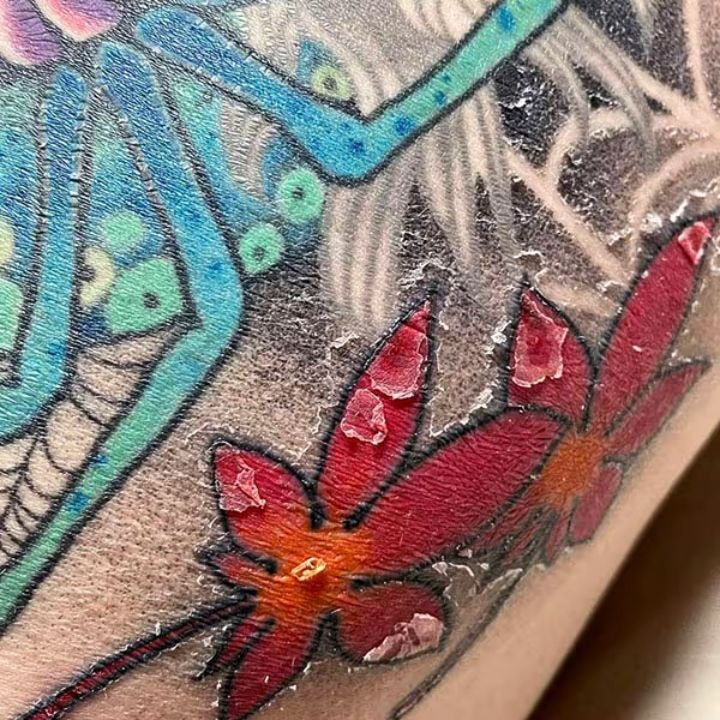
As your tattoo heals, you might notice dead skin or slight peeling—this is normal. Avoid picking or scratching at the peeling skin, as this can remove ink and affect how the tattoo heals properly. Instead, continue moisturizing and let the skin naturally slough off on its own.
Avoiding Excessive Heat and Hot Water
Hot water and excessive heat can irritate your healing tattoo. Stick to lukewarm showers and avoid direct heat sources like saunas. When washing, use warm water and keep it brief, gently cleaning around the tattooed area without prolonged exposure.
Using Fragrance-Free and Gentle Products
Using fragrance-free and dye-free products is essential for tattoo aftercare. Avoid soaps, lotions, and cleansers with strong fragrances, as they can irritate the tattooed skin. Opt for unscented soap and gentle cleansers that won’t disrupt the healing process.
Tattoo Aftercare Products: What to Use and What to Avoid
The right products make a big difference in tattoo healing. Tattoo artists often recommend specific aftercare products to help your tattoo heal well. Avoid using regular body lotions and any harsh, drying agents. Instead, choose tattoo-specific ointments or lotions that are fragrance-free and formulated to support the healing skin.
Applying Sunscreen After the Tattoo Heals
Once your tattoo is fully healed, sun protection becomes a lifelong part of tattoo care. UV rays can fade tattoo ink over time, so applying a broad-spectrum sunscreen will help protect your tattoo. This step is essential in maintaining the vibrancy of the tattoo and preventing premature fading.
Common Tattoo Aftercare Mistakes to Avoid
Avoid these common mistakes to keep your tattoo healthy:
Picking at Scabs: Picking can pull out ink and cause patchiness.
Overwashing: Too much washing can dry out the tattoo and delay healing.
Ignoring Aftercare Instructions: Follow the advice given by your tattoo artist to avoid complications.
Using Scented Products: These can irritate the tattooed area and disrupt the healing process.
Why Aftercare Instructions from Your Tattoo Artist Matter
Each tattoo artist may have specific aftercare instructions based on the tattoo style, placement, and your skin type. These recommended tattoo aftercare steps are tailored to help you achieve the best healing results and ensure that the tattoo maintains its appearance. Always ask questions if you’re unsure about any part of the process.
Managing Itching and Discomfort
Itching is a normal part of tattoo healing, but resist the urge to scratch. Instead, apply a thin layer of moisturizer or gently pat the area if it becomes uncomfortable. Scratching can cause damage and potentially lead to infections or faded areas in the tattoo.
Protecting the Tattooed Area During Exercise
During the healing period, avoid activities that cause excessive sweating or friction on the tattooed skin. Exercise can irritate the area, and gym equipment may harbor bacteria that increase the risk of infection. Modify your routine to prevent stress on the tattoo site until it’s fully healed.
How to Handle Tattoo Scabbing
Scabbing is a natural part of the healing process. Allow scabs to fall off on their own without picking or pulling, which can remove ink and cause scarring. Continue your regular tattoo aftercare routine, and be patient while the scabs heal naturally.
Signs of Infection: When to Seek Help
If you notice signs of infection, such as excessive redness, swelling, or discharge, contact your tattoo artist or a healthcare professional immediately. Proper tattoo aftercare can usually prevent infections, but it’s essential to address any complications as soon as possible to avoid long-term issues.
Preparing for Your Tattoo Appointment
Before even getting your tattoo, it’s helpful to understand tattoo aftercare to ensure you’re fully prepared. Wear loose clothing to your appointment, as it will be more comfortable over the tattooed area post-procedure. Bring any aftercare products recommended by your tattoo artist so you can start the aftercare process as soon as possible.
Choosing the Right Aftercare Products
It’s important to select high-quality, fragrance-free, and dye-free products designed for tattoo aftercare. Some tattoo shops offer specialized aftercare products, but if not, ask your tattoo artist for recommendations. Using appropriate products minimizes irritation and aids in a smoother healing process.
How Long Should You Avoid Sun Exposure?
Even after the tattoo has completely healed, avoid prolonged sun exposure as much as possible. Sun exposure can cause fading and dryness, reducing the vibrancy of your tattoo over time. Always apply sunscreen with a high SPF to the tattooed area when you’re outside to maintain the colors and details of your tattoo.
Patience is Key in Tattoo Healing
Every tattoo heals at its own pace, and it’s essential to allow sufficient time for your tattoo to heal properly. Rushing the process or skipping steps in tattoo aftercare can lead to issues that may compromise the quality of your tattoo. Patience, combined with diligent care, is the best approach to achieving an impressive, well-healed tattoo.
FAQs on Tattoo Aftercare
Generally, you should keep the bandage on for a few hours as instructed by your tattoo artist. This initial covering protects the tattooed area from bacteria and helps control bleeding.
You can gently wash your tattoo once you remove the bandage, typically after a few hours. Use warm water and a fragrance-free soap or gentle cleanser to clean the tattoo. Avoid using hot water, as it may irritate the skin.
Apply a thin layer of unscented, dye-free moisturizer a few times a day to prevent dryness. Look for products recommended by your tattoo artist to support the healing process and avoid products containing harsh chemicals or fragrances.
It’s best to avoid swimming in pools, oceans, or hot tubs until your tattoo is completely healed. Submerging a healing tattoo in water can expose it to bacteria and increase the risk of infection.
While surface healing usually takes about 2-4 weeks, full healing of deeper skin layers may take up to a few months. Follow the recommended tattoo aftercare steps throughout this period for optimal results.
Peeling and light scabbing are natural parts of the healing process. Avoid picking or scratching, as this can damage the tattoo. Continue moisturizing and allow any dead skin to shed naturally.
Avoid direct sunlight on your tattoo until it’s fully healed. Once healed, always apply a high-SPF sunscreen on the tattooed area to protect it from UV damage, which can cause fading.
Wear loose clothing that won’t rub against the tattooed area. Tight clothing can irritate the tattoo and slow down the healing process, so opt for breathable fabrics that allow air to circulate.
Signs of infection include excessive redness, swelling, pus, or a foul smell. If you notice any of these symptoms, contact your tattoo artist or a healthcare provider as soon as possible.
Itching is normal as the tattoo heals, but avoid scratching. Instead, apply a thin layer of moisturizer to soothe the skin. Gently pat the area if necessary to reduce discomfort.
Even after a tattoo is fully healed, ongoing care like regular moisturizing and sun protection helps maintain the ink’s vibrancy and prevents fading over time.
Use a gentle, fragrance-free soap with warm water to clean your tattoo if tattoo-specific cleansers aren’t available. Be sure to rinse thoroughly and avoid scrubbing, which can damage the tattoo.
Normal signs of healing include minor redness, slight swelling, and peeling or flaking. If you experience severe pain, intense redness, or any signs of infection, seek advice from your tattoo artist or a healthcare provider.
While petroleum jelly can be effective for certain skin conditions, it is not typically recommended for tattoos as it can block airflow to the skin. Instead, use a thin layer of tattoo-safe moisturizer.
Plastic wrap is generally only used immediately after tattooing. For home care, let the tattoo breathe and avoid prolonged covering, as airflow helps the tattooed skin heal properly.
Gently pat dry your tattoo with a clean paper towel or soft cloth after washing. Avoid rubbing, which can irritate the skin. Letting the tattoo air dry can also be beneficial.
Your tattoo artist is your best resource for aftercare instructions tailored to your specific tattoo. Don’t hesitate to ask questions before or after your session to ensure you understand the aftercare process thoroughly.

Final Thoughts on Tattoo Aftercare
Caring for your tattoo is an investment in preserving the beauty and integrity of your body art. Whether it’s a fresh tattoo or a piece with multiple sessions, proper tattoo aftercare ensures that your ink heals smoothly and retains its quality. Always prioritize cleanliness, use recommended products, and follow any specific instructions from your tattoo artist for optimal results.
By following this guide and being mindful of your tattoo’s needs, you can enjoy a well-maintained tattoo that looks vibrant and appealing for years to come. Embracing these tattoo aftercare steps will not only keep your tattoo looking its best but also enhance your satisfaction with your body art and the overall tattoo experience.