


Cannabidiol, or CBD, has emerged as a cornerstone in the wellness industry due to its range of therapeutic benefits and versatility. Derived from the cannabis sativa plant, CBD is one of many cannabinoids and is non-psychoactive, meaning it doesn’t induce the “high” commonly associated with THC. Instead, CBD has drawn attention for its potential to alleviate symptoms across diverse health areas, including chronic pain, mental health, neurological disorders, and skin conditions. This comprehensive article explores what CBD does, how it interacts with the body, and its wide-ranging applications in medical cannabis and health, emphasizing the most current scientific evidence available. If you’re interested in exploring top CBD brands, check out our detailed review to discover quality options that meet your needs.
What Is Cannabidiol (CBD) and How Does It Differ from Medical Cannabis and CBD Oil?
CBD is one of more than 100 cannabinoids naturally occurring in cannabis sativa. Alongside THC, it is one of the most studied compounds, with significant interest in its therapeutic potential. However, CBD stands apart from THC in a crucial way: while THC binds directly to receptors in the brain and induces psychoactive effects, CBD provides therapeutic benefits without altering one’s state of mind.
- CBD Oil as a Delivery Mechanism: CBD oil is a popular way to consume cannabidiol, made by extracting CBD from the cannabis or hemp plant and diluting it with carrier oils such as coconut or hemp seed oil. CBD oil allows for flexible dosing, can be used in food or taken directly, and is applied topically for skin and muscle relief.
- Distinction from THC and Medical Cannabis: Medical cannabis often includes THC, making it suitable for pain and symptom management but limiting its use for those avoiding psychoactive effects. CBD products, in contrast, offer many of the same benefits without affecting cognitive function.
The appeal of CBD lies in its non-intoxicating effects, making it an ideal option for those interested in the therapeutic side of medical cannabis without the high.
The Endocannabinoid System (ECS): CBD’s Mechanism of Action in the Body
The endocannabinoid system (ECS) is a network of receptors, endogenous cannabinoids, and enzymes found throughout the body, playing a central role in maintaining balance, or homeostasis. Discovered in the early 1990s, the ECS is now known to regulate various bodily functions such as immune response, sleep, mood, and pain perception.
CB1 and CB2 Receptors: CBD’s Unique Interaction
CBD interacts with two primary receptors within the ECS—CB1 and CB2:
- CB1 Receptors: Primarily located in the brain and central nervous system, these receptors influence mood, memory, and pain perception. THC directly binds to CB1 receptors, leading to psychoactive effects, whereas CBD’s interaction is indirect, modulating other receptor sites without producing a high.
- CB2 Receptors: Found primarily in immune cells and peripheral tissues, CB2 receptors help regulate inflammation and immune responses. CBD’s ability to influence these receptors contributes to its anti-inflammatory effects, beneficial for conditions such as arthritis and chronic pain.
By indirectly influencing these receptors, CBD promotes homeostasis, supporting the body’s natural processes without overstimulation.
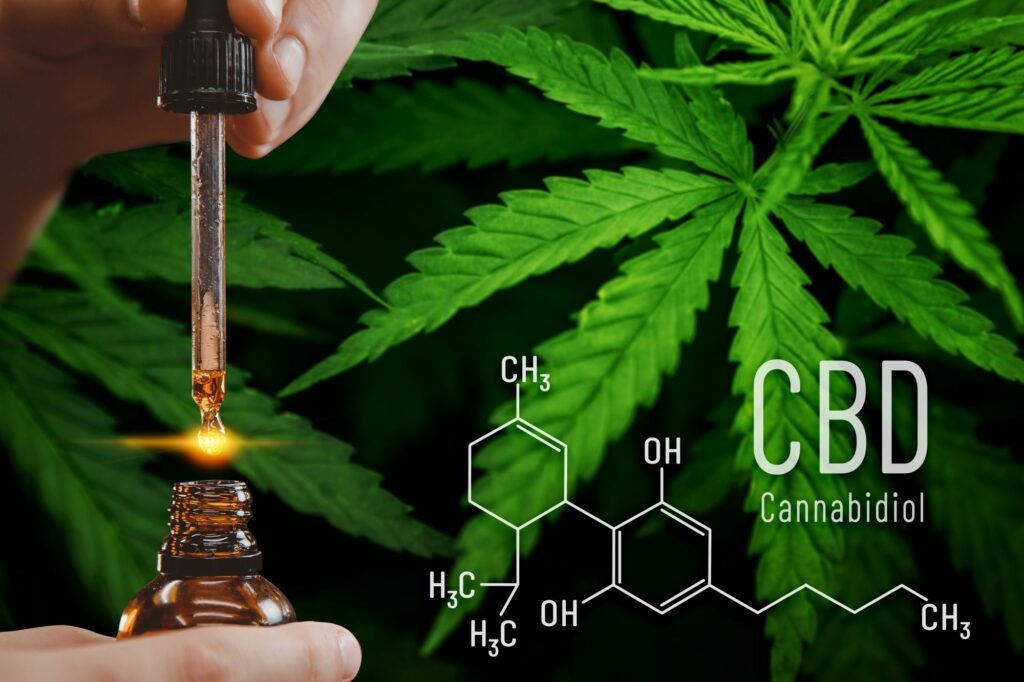
How CBD Supports Health and Wellness: An Overview of Key Benefits
CBD is widely known for its therapeutic properties across multiple health conditions. From chronic pain management and mental health support to enhancing skin health, CBD’s potential to promote well-being has led to its integration into medical cannabis practices.
Chronic Pain Relief and Inflammatory Support
CBD’s anti-inflammatory properties are essential for pain management. Chronic pain conditions such as arthritis, fibromyalgia, and neuropathic pain benefit from CBD’s ability to modulate pain pathways in the ECS and beyond.
- Chronic Pain and Inflammation: Research has shown that CBD’s interaction with CB2 receptors reduces inflammation, thereby alleviating pain. This mechanism of action makes it particularly beneficial for arthritis patients, whose joint pain often results from inflammation.
- Localized Relief with CBD Oil: Applied directly to painful areas, CBD oil provides targeted relief by bypassing systemic circulation and acting directly on affected muscles and joints.
Through its interaction with the ECS and other pain-related pathways, CBD has become a preferred choice for those seeking natural pain relief, especially within medical cannabis practices.
CBD for Mental Health: Managing Anxiety, Depression, and Stress
CBD is increasingly recognized for its impact on mental health, with a growing number of studies indicating its efficacy in managing anxiety disorders, depression, and stress-related symptoms. Its calming effects make it a popular choice among individuals seeking relief without the sedative or addictive qualities associated with some pharmaceutical medications.
Mechanism of Action: CBD and Serotonin Receptors
One way CBD helps manage mental health is through its interaction with serotonin receptors, which play a crucial role in mood regulation.
- Anxiety Reduction: CBD has been shown to modulate serotonin receptors, reducing anxiety levels in individuals with social anxiety and generalized anxiety disorder. In randomized trials, CBD’s effects on anxiety have proven significant, with users reporting increased calmness and focus.
- Depression and Mood Support: Some studies suggest that CBD’s modulation of serotonin may also contribute to antidepressant effects. While not a replacement for conventional antidepressants, CBD offers a natural alternative for those seeking to improve mood and reduce depressive symptoms.
CBD’s non-drowsy, calming effects provide an accessible way to manage mental health symptoms, positioning it as an invaluable component of medical cannabis and holistic mental health care.

FDA-Approved CBD for Epilepsy: An Important Milestone for Medical Cannabis
The FDA’s approval of Epidiolex, a CBD-based medication, for epilepsy has marked a significant milestone for CBD’s acceptance in modern medicine, particularly within medical cannabis applications. Epidiolex has become a treatment option for patients with severe seizure disorders like Dravet syndrome and Lennox-Gastaut syndrome.
- Clinical Success with Seizure Reduction: Clinical trials demonstrate that Epidiolex reduces seizure frequency and severity in epilepsy patients, often proving effective where traditional medications fail.
- Safety and Side Effects: While high doses are required for seizure management, they may lead to mild side effects like drowsiness and appetite changes. However, the benefits often outweigh these concerns, especially for patients with drug-resistant epilepsy.
Epidiolex has brought increased credibility to CBD in medical treatments, highlighting CBD’s potential as a medical cannabis therapy for neurological disorders.
Neuroprotective Effects of CBD: Potential in Parkinson’s Disease and Multiple Sclerosis
CBD’s neuroprotective properties have sparked research interest in its potential role in managing neurodegenerative diseases such as multiple sclerosis (MS) and Parkinson’s disease.
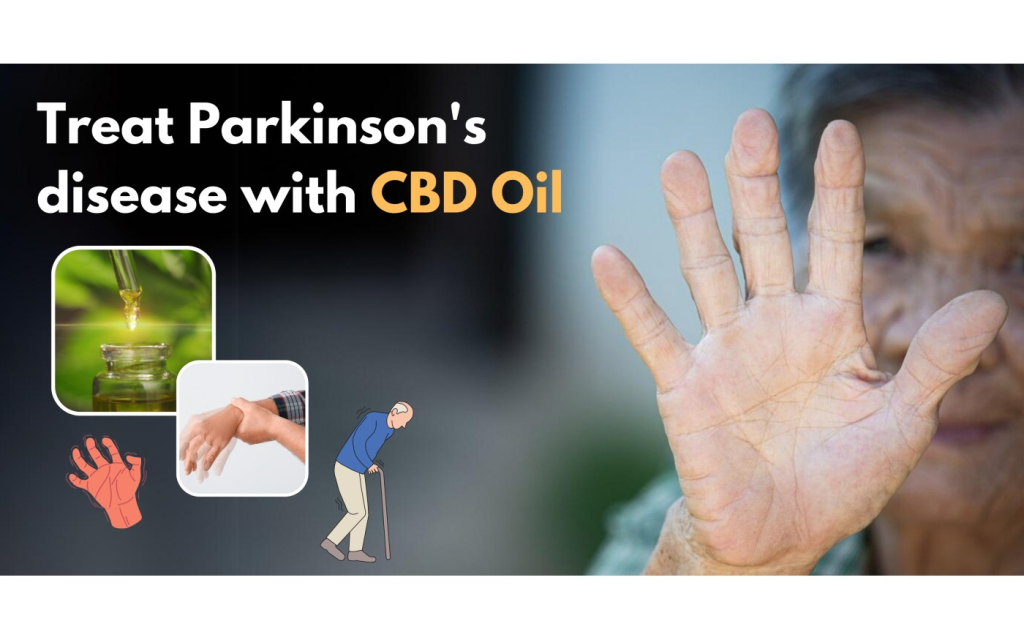
CBD for Parkinson’s Disease
In Parkinson’s, CBD has shown promise in reducing symptoms like tremors, anxiety, and movement issues, offering support for patients’ daily quality of life.
- Reduction of Anxiety and Depression in Parkinson’s: Some studies indicate that CBD oil may reduce anxiety and depressive symptoms commonly associated with Parkinson’s. This has a significant impact on the overall well-being of patients managing chronic neurological decline.
- Alleviating Motor Symptoms: Although not a cure, CBD’s effects on the ECS may improve muscle rigidity and coordination, offering relief for physical symptoms in Parkinson’s patients.
CBD’s Impact on Multiple Sclerosis Symptoms
For those with MS, CBD has been shown to alleviate symptoms of muscle spasticity, pain, and fatigue.
- Muscle Relaxation and Pain Relief: CBD’s anti-inflammatory effects can reduce muscle spasms and pain, two of the most debilitating symptoms in MS. Patients report improved mobility and reduced muscle stiffness, highlighting CBD’s role in pain management.
The neuroprotective properties of CBD hold promise for future medical cannabis treatments, potentially offering a natural approach to symptom management in these challenging conditions.
CBD’s Role in Cancer Symptom Management and Quality of Life
CBD’s versatility in medical cannabis has led to its exploration as a supportive therapy for cancer patients, particularly for managing cancer pain and alleviating chemotherapy side effects such as nausea, vomiting, and appetite loss.
Managing Pain and Improving Comfort
Pain management is critical for cancer patients, particularly when conventional pain relief fails. CBD’s ability to reduce inflammation and modulate pain perception makes it valuable in this regard.
- Cancer Pain Relief with CBD Oil: Patients often use CBD oil to reduce pain levels, particularly when traditional medications fall short. This approach can improve quality of life, allowing patients to engage more fully with daily activities.
- Reducing Chemotherapy-Induced Nausea: CBD’s interaction with serotonin receptors helps reduce nausea and vomiting, two common chemotherapy side effects. By managing these symptoms, CBD can help patients maintain adequate nutrition and hydration.
As a supportive component of medical cannabis care, CBD provides a non-intoxicating option that can make cancer treatment more tolerable.

Skin Health and Anti-Inflammatory Benefits of CBD Oil
CBD’s anti-inflammatory and antioxidant properties have popularized it in skincare, where it is used to manage conditions like acne, eczema, psoriasis, and even signs of aging. CBD oil is used in various skincare products, including creams, serums, and balms, as a natural way to soothe inflammation, reduce redness, and promote a clearer complexion. This makes it a preferred choice for individuals seeking gentle, plant-based solutions in their skincare routines.
CBD for Acne: Reducing Inflammation and Oil Production
Acne is a common skin condition often caused by clogged pores, inflammation, and an overproduction of sebum (skin oil). CBD’s properties make it a promising option for acne management:
- Sebum Regulation: Research suggests that CBD may help reduce the production of sebum, helping to prevent pores from clogging and reducing the likelihood of breakouts.
- Anti-Inflammatory Effects: CBD’s anti-inflammatory properties soothe the skin, helping to calm red, inflamed blemishes and prevent irritation.
Anti-Aging and Skin Protection with CBD Oil
CBD oil is also used in anti-aging skincare due to its antioxidant properties, which help protect the skin from free radicals and environmental damage.
- Reducing Fine Lines and Wrinkles: The antioxidants in CBD combat oxidative stress, a primary factor in the aging process. Regular use of CBD-infused skincare may help reduce visible signs of aging.
- Protection Against Environmental Stressors: By protecting the skin from UV rays and pollution, CBD oil can help maintain skin integrity and delay signs of aging.
CBD’s ability to enhance skin health aligns with its holistic benefits in medical cannabis applications, offering a natural approach to skincare for individuals seeking gentle and effective results.
The Expanding Market of CBD Products: Quality Standards and Consumer Choices
The CBD market has grown exponentially, offering products that cater to diverse preferences and therapeutic needs. However, this expansion has also led to variances in quality and efficacy, making it essential for consumers to choose products wisely.
Popular Forms of CBD: Oils, Capsules, Edibles, and More
- CBD Oils and Tinctures: Often considered the most versatile CBD product, CBD oil can be taken sublingually, added to food, or applied topically. This form provides fast absorption and is commonly used for anxiety, pain relief, and overall wellness.
- Edibles and Capsules: Gummies, capsules, and other edible forms are popular for their ease of use and discreet nature. Edibles provide a longer-lasting effect as they must go through digestion.
- Topical Applications: For localized relief, CBD-infused lotions, creams, and balms are ideal. They are widely used for muscle aches, joint pain, and skin conditions without systemic effects.
- CBD for Pets: With the rise in popularity of CBD, products specifically formulated for pets are now available, catering to pet owners seeking to address anxiety, arthritis, and other health issues in their animals.
Ensuring Product Quality and Safety
With so many products on the market, ensuring the quality of CBD products is crucial. High-quality CBD products typically meet the following criteria:
- Third-Party Lab Testing: Reputable brands provide certificates of analysis from third-party labs, verifying the product’s potency and purity. These tests confirm the absence of contaminants, such as pesticides, heavy metals, and residual solvents.
- Organic and Sustainable Sourcing: The best CBD products are derived from organic hemp, which reduces exposure to pesticides and other chemicals. Sustainable farming practices also ensure environmental health.
- Transparent Labeling: High-quality products have clear labels detailing CBD concentration, ingredients, and suggested dosages, which helps consumers make informed choices.
Selecting quality products ensures consumers can safely experience the full potential of CBD oil and medical cannabis.
Full-Spectrum, Broad-Spectrum, and CBD Isolate: Understanding Types of CBD
When selecting a CBD product, it’s important to understand the differences between full-spectrum CBD, broad-spectrum CBD, and CBD isolate, as each type offers unique benefits depending on the individual’s goals and needs.
- Full-Spectrum CBD: Full-spectrum CBD contains all naturally occurring compounds in the cannabis plant, including trace amounts of THC, terpenes, and flavonoids. These compounds may work together in what’s known as the “entourage effect,” potentially enhancing therapeutic benefits.
- Broad-Spectrum CBD: This type contains multiple cannabinoids and terpenes but has had all THC removed. It’s ideal for those who want the benefits of the entourage effect without any THC.
- CBD Isolate: Isolate is the purest form of CBD, containing only CBD without other cannabinoids or terpenes. This option is preferred by individuals sensitive to THC or those looking to avoid any cannabis compounds except CBD.
Choosing the right type of CBD allows users to tailor their experience and maximize therapeutic benefits, particularly in medical cannabis applications where each compound may provide distinct effects.
Legal Landscape of CBD and Medical Cannabis: U.S. and International Regulations
The legal status of CBD and medical cannabis varies across regions, with federal, state, and international laws impacting availability, quality standards, and permissible uses.
U.S. Federal Law and the Agriculture Improvement Act of 2018
In the United States, hemp-derived CBD with less than 0.3% THC is federally legal under the Agriculture Improvement Act of 2018. However, individual states can have specific regulations, with some restricting CBD sales or requiring special licensing.
- FDA Regulation: The FDA has approved Epidiolex as the only CBD-based medication for epilepsy. Otherwise, most CBD products remain unregulated, leading to inconsistencies in quality and labeling across the market.
- State-Specific Laws: Some states permit all CBD products, while others limit the sale of certain types or restrict CBD with THC.
International Regulations for CBD
While many countries have legalized CBD, regulations vary significantly worldwide:
- Canada and Europe: In Canada and some parts of Europe, both CBD and THC products are more widely accepted, provided they meet quality and labeling standards. However, THC limits and medical cannabis regulations differ by country.
- Asia and the Middle East: In countries like Japan, CBD is legal but highly regulated, while others restrict it entirely.
Understanding these laws ensures compliance and promotes safe use of CBD, both domestically and abroad.
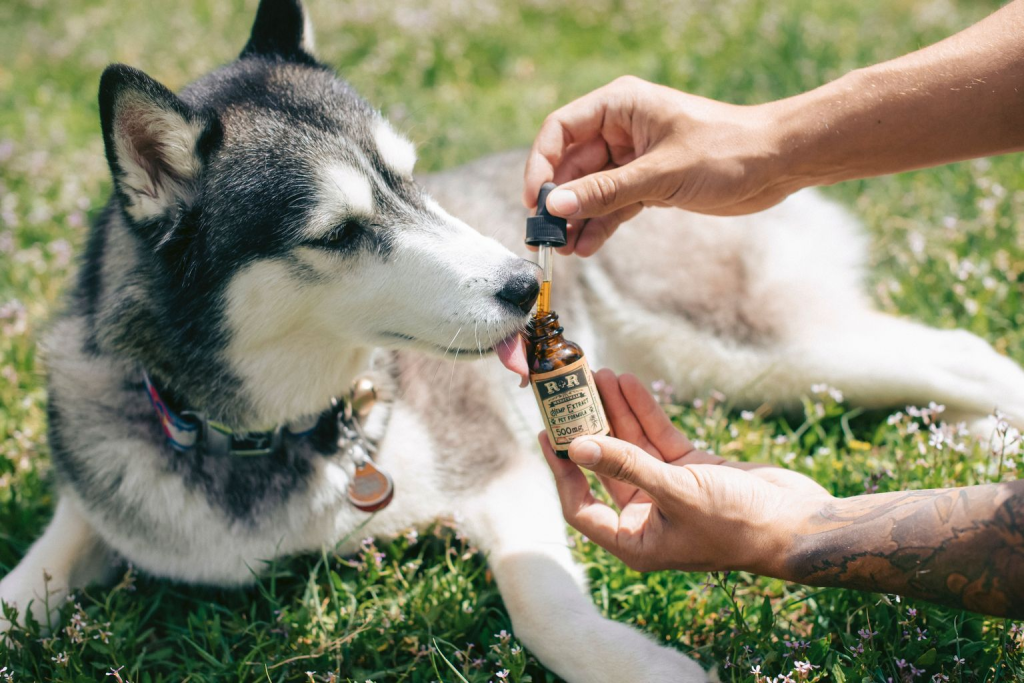
CBD for Pets: Applications and Safety in Veterinary Medicine
The use of CBD for pets is an emerging field, as pet owners seek natural options for managing their animals’ health concerns, such as anxiety, joint pain, and inflammation.
Popular Applications of CBD for Pets
- Anxiety and Stress: Many pet owners report that CBD helps reduce anxiety in their animals, particularly during stressful events like fireworks, thunderstorms, or travel.
- Pain and Inflammation: CBD’s anti-inflammatory properties are beneficial for pets with arthritis or other pain-related conditions. Some pet owners use CBD oil or treats to help improve their pets’ mobility and comfort.
- Safety and Dosage Considerations: While CBD is generally well-tolerated by pets, it’s crucial to start with low doses and monitor for side effects. Consulting a veterinarian is recommended to ensure proper dosing.
With positive feedback from pet owners, CBD continues to gain popularity in veterinary medicine, offering an alternative approach for supporting pet wellness.
Myths and Misconceptions About CBD: Clarifying Common Beliefs
Despite CBD’s widespread use, several misconceptions remain about its effects and safety. By addressing these myths, consumers can gain a clearer understanding of what CBD can realistically offer.
- Myth: CBD Is Psychoactive: Unlike THC, CBD does not produce a “high” or alter cognitive function, making it suitable for daily use without mental impairment.
- Myth: All CBD Products Are the Same: The quality, potency, and effects of CBD products can vary widely depending on factors such as extraction methods, cannabinoid content, and the use of third-party testing.
- Myth: More CBD Equals Better Results: CBD’s effects can vary based on dose, with low and high doses producing different outcomes. Optimal dosing is unique to each individual, making it essential to start low and adjust as needed.
By clarifying these myths, consumers can set realistic expectations and choose products that align with their health and wellness goals.
CBD in Daily Wellness Routines: Integrating Cannabidiol for Holistic Health
CBD is becoming a staple in many wellness routines, offering a natural way to support mental and physical health.
Morning Use for Focus and Calm
Some individuals take CBD in the morning to reduce anxiety and promote focus, helping them start the day feeling balanced and grounded.
Post-Workout Recovery with CBD Oil
Athletes and fitness enthusiasts use CBD for post-workout recovery, as its anti-inflammatory effects can help alleviate muscle soreness and promote faster recovery.
Evening Use for Restful Sleep
CBD taken in the evening can help improve sleep quality by promoting relaxation and reducing insomnia symptoms, making it an alternative to traditional sleep aids.
Future Research and Emerging Applications of CBD and Medical Cannabis
CBD research is still in its early stages, but promising studies continue to explore its potential in various health fields.
- Neurodegenerative Disease: Researchers are studying CBD’s potential for slowing the progression of conditions like Alzheimer’s and ALS, where it may offer neuroprotective benefits.
- Metabolic Health and Weight Management: Early research suggests CBD may affect metabolism, possibly aiding in weight management and metabolic health.
- Pain Management and Addiction Recovery: CBD is being explored as a safer alternative to opioids, offering pain relief without addiction risk.
As research progresses, the applications of CBD in both wellness and medical cannabis may broaden, unlocking new therapeutic possibilities.
Embracing CBD’s Full Potential for Health, Wellness, and Therapeutic Support
CBD’s journey from alternative therapy to mainstream wellness staple highlights its versatility and potential benefits. From managing pain and anxiety to supporting skin health and neuroprotection, CBD has proven itself as a valuable resource in health and wellness. Its non-psychoactive nature makes it appealing to a wide range of users, including those who want to experience the therapeutic properties of medical cannabis without the high associated with THC. As more high-quality CBD oil products enter the market, consumers have access to a variety of forms that fit their individual needs, whether for localized pain relief, mental clarity, or as part of a skincare regimen.
Embracing a Holistic Approach to Health with CBD
CBD’s integration into everyday routines signifies a shift towards holistic health, where natural remedies complement modern medicine. For many, CBD offers an alternative to pharmaceutical options, especially in areas where traditional medications may carry unwanted side effects. Individuals are increasingly turning to CBD for long-term health management, adding it to wellness regimens that include diet, exercise, and mindfulness.
- Mental Health and Well-Being: CBD’s anxiolytic effects support mental clarity and reduce stress, making it beneficial for mental health as people seek balance in a fast-paced world.
- Pain Management and Inflammation: From managing arthritis pain to easing post-workout soreness, CBD’s role in pain relief showcases its importance for individuals who prefer natural pain solutions.
- Skin Health and Beauty: As part of a skincare routine, CBD provides antioxidant protection and anti-inflammatory benefits, contributing to healthier, younger-looking skin.
This comprehensive embrace of CBD reflects a growing appreciation for nature’s potential to heal, calm, and restore. As the science surrounding CBD continues to expand, individuals can expect even greater insights into its efficacy and applications.
The Ongoing Evolution of CBD in Medicine and Wellness
The future of CBD holds vast potential, with ongoing research aiming to uncover even more applications. This evolution will likely lead to a refined understanding of optimal dosing, delivery methods, and targeted benefits for specific conditions.
- Pharmaceutical Developments: We may see more CBD-based medications like Epidiolex emerge, particularly for conditions resistant to current treatments.
- Personalized Medicine: Advances in biotechnology could lead to personalized CBD treatments tailored to individual needs, maximizing therapeutic outcomes.
- Integrated Health Approaches: As public interest grows, CBD may increasingly be integrated into healthcare settings, blending traditional and natural medicine for a more comprehensive approach to patient care.
With its wide-ranging applications, CBD continues to gain acceptance in medical circles and among wellness advocates. It represents a promising addition to health practices worldwide, standing as a testament to the growing demand for natural, holistic solutions.
In summary, CBD is transforming health and wellness landscapes by offering a broad range of benefits without the psychoactive effects of THC. Its adaptability as part of medical cannabis therapies, its potential in chronic disease management, and its versatility in skincare and mental health illustrate CBD’s comprehensive role in modern wellness. As knowledge around CBD expands, so does its place in daily life, enhancing well-being through nature’s power.


