


In the quest to discover more about our family origins, DNA testing has become a groundbreaking tool. Unlike traditional family trees that rely on historical records, a DNA family tree uses genetic data to map out connections, offering a comprehensive view of one’s ancestry. This approach allows individuals to uncover distant relatives, trace ancient roots, and even identify links to early civilizations.

What is a DNA Family Tree?
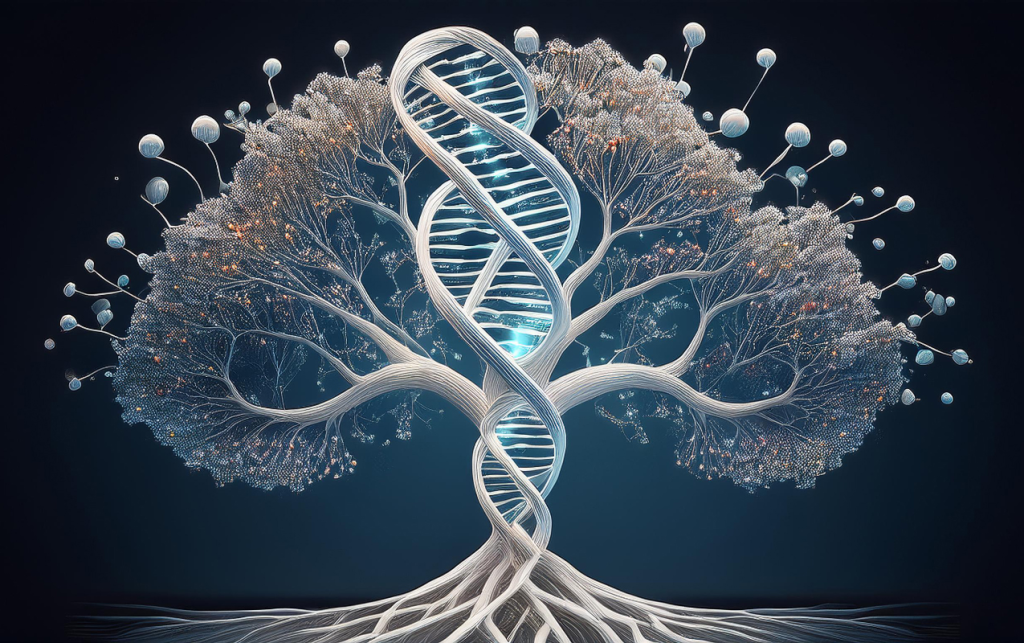
A DNA family tree takes family mapping to a new level by analyzing genetic data rather than relying solely on historical documentation. Each person’s DNA holds segments inherited from their ancestors, and these segments provide clues about familial connections that span generations. A DNA family tree can reveal relatives from both maternal and paternal sides by analyzing markers like autosomal DNA, Y DNA (specific to paternal lineage), and mitochondrial DNA (specific to maternal lineage). This unique combination of genetic information helps construct an expansive family tree that reflects both recent and ancient heritage.
Unlike traditional methods, which are limited by available records, a DNA family tree uses biological data. This type of tree becomes particularly useful in connecting with unknown relatives or understanding your deep ancestry—tracing lineages that go back thousands of years.

How DNA Testing Works for Family Tree Building
Building a DNA family tree begins with a simple DNA test. Most testing kits require either a saliva sample or a quick swab from inside the cheek. This sample is then processed to reveal genetic data, which is used to map familial connections. Choosing a home DNA test kit involves understanding different options and selecting one that aligns with your goals, whether it’s discovering new family members, confirming distant relatives, or mapping ancient ancestry.
There are several types of DNA tests available, each providing unique insights into family history:
- Autosomal DNA Test: This test examines DNA inherited from both parents, making it a powerful tool for identifying relatives across multiple generations.
- Y DNA Test: Analyzes the Y chromosome, which is passed from father to son, allowing individuals to trace their paternal line specifically. This test is ideal for individuals looking to understand their direct paternal lineage.
- Mitochondrial DNA Test: Focuses on mitochondrial DNA, passed from mother to child, and helps trace maternal lineage back through the generations.
These tests collectively provide a comprehensive look at family history. The results are then compared with other profiles in the testing service’s database, revealing matches with individuals who share common ancestors.
Key Components of DNA Family Tree Analysis
Analyzing DNA for family tree building involves understanding various aspects, including DNA segments, genetic matches, and tools designed to visualize these connections. Here’s a closer look at some of the critical components:
- DNA Segments and Genetic Matches: When individuals share DNA segments, it indicates a shared ancestor. These segments, located on chromosomes, vary in size based on the closeness of the relationship. For instance, siblings will share large segments, while distant cousins may share only small segments.
- Genetic Relatives: The testing service uses algorithms to identify and label relatives based on shared DNA segments. This information includes the estimated relationship and the “most recent common ancestor,” providing a framework for placing these relatives within the family tree.
- Family Finder Tests: Family finder tests, such as the “Signature Family Finder Test,” are used to locate relatives within the company’s database, offering individuals an opportunity to expand their family tree. These tests make it easy to connect with both immediate and extended family members.
Exploring Your Ancestry: What DNA Results Reveal
DNA testing provides more than just information about immediate relatives; it offers insights into ancient ancestry and population groups that shape our genetic makeup. Many DNA testing companies provide tools that link users to specific ancient groups, revealing connections that date back thousands of years. Some of these ancient populations include early European groups, Bronze Age metal invaders, and early farming communities.
- Deep Ancestry: With DNA analysis, individuals can discover their “deep ancestry,” connecting them to specific groups like ancient European farmers or prehistoric invaders. This knowledge reveals migration patterns and settlement areas, providing context for understanding the long-term movement of one’s ancestors.
- Y DNA and Paternal Lines: For individuals interested in their paternal lineage, Y DNA testing is invaluable. Y DNA is inherited directly through the male line and offers insights into paternal ancestry, making it particularly useful for tracing the father’s side of the family.
- Maternal Ancestry and Mitochondrial DNA: Mitochondrial DNA testing focuses on maternal ancestry, allowing individuals to trace their mother’s lineage. Since mitochondrial DNA is passed exclusively from mother to child, it creates a stable link through generations, making it easier to uncover maternal roots.
Using DNA Data for Family Matching
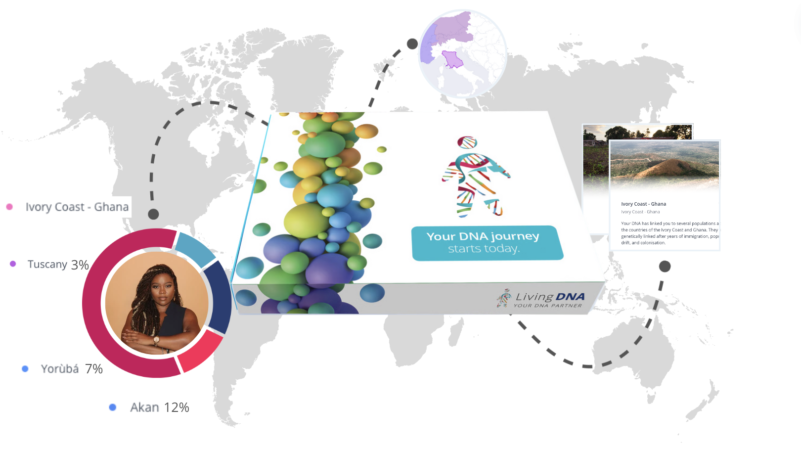
DNA data analysis includes tools for matching and connecting with family members, often making the process interactive and visually engaging. Testing companies provide tools like the Chromosome Painter and pie charts that show shared DNA segments in easy-to-understand formats. Chromosome Painter, for example, assigns colors to DNA segments, representing the regions inherited from specific ancestors.
Interactive features not only make it easy to interpret data but also help individuals connect with genetic relatives. Platforms often offer a family matching feature, where users can compare DNA results with other family members in the system. This feature enhances understanding by revealing who shares specific genetic traits, regions, or markers with the user, ultimately adding branches to the DNA family tree.
These tools streamline the process of building and visualizing a DNA family tree by making it intuitive and accessible, even for those without scientific backgrounds.

Security and Privacy in DNA Testing
Security and privacy are of utmost importance in DNA testing. Due to the sensitive nature of genetic data, most DNA testing companies enforce strict data protection measures, ensuring that user information is kept confidential. These companies follow industry-standard security practices to protect both genetic and other personal data, such as name and contact information.
Before processing DNA, testing services require explicit consent from users, which grants them control over who can access their data and under what circumstances. Many companies also provide options to adjust privacy settings, enabling users to opt out of family matching features if desired.
Additionally, encryption is typically used to safeguard data in both storage and transit, minimizing the risk of unauthorized access. It’s recommended to review each company’s privacy policy to fully understand how data will be handled, stored, and shared before proceeding with testing.
Archeological Insights and Ancient Origins
One of the most intriguing aspects of DNA testing is its ability to link individuals to ancient populations, revealing archeological insights about ancestry. Modern DNA testing connects people to early groups, such as Bronze Age metal invaders, early farmers, and other ancient populations. These archeological connections enrich our understanding of ancestry, showing how historical events, like migrations and conquests, influenced genetic diversity.
Through DNA testing, some users have discovered links to archeological dig sites where ancient DNA samples have been preserved. This bridge between ancient and modern genetics provides a rare glimpse into the prehistoric lives of our ancestors, illustrating the broader impact of ancient civilizations on today’s genetic landscape.
Limitations and Considerations in DNA Family Trees
While DNA family trees offer extensive insights, there are limitations to keep in mind. The accuracy of DNA matching depends on the database’s size; larger databases yield more potential matches, while smaller ones may leave gaps in the family tree. This means that if you have ancestry from a less represented region, it may be challenging to find complete family matches. Additionally, distant relatives may not appear as matches if the shared DNA segments are too small to detect.
Another consideration is the cost. Many DNA testing services offer additional features for an added fee, such as advanced family matching or deep ancestry tools. It’s important to understand the scope of the services included in each package before purchasing a DNA testing kit. Ethical and legal considerations are also essential since DNA test results can reveal unexpected family connections or sensitive information about relatives.
FAQs About DNA Family Tree
Most DNA testing companies prioritize data privacy and follow stringent security measures, including encryption and industry-standard security practices. Users have control over data sharing settings, with options to limit or disable family matching if desired. However, it’s crucial to read the privacy policy of your chosen DNA testing service to fully understand how your data is stored, used, and protected.
There are three main types of DNA tests used for ancestry: autosomal DNA, Y DNA, and mitochondrial DNA. Autosomal DNA covers both sides of the family and is suitable for identifying relatives within a few generations. Y DNA, specific to the paternal line, is best for exploring the father’s ancestry, while mitochondrial DNA is ideal for tracing maternal ancestry. If you’re interested in a broad overview, an autosomal DNA test is a good choice. If you wish to explore a specific line, Y DNA or mitochondrial tests may be more suitable.
DNA segments are key to constructing a family tree because they indicate shared ancestry. When you and another person share DNA segments, it suggests that you both inherited them from a common ancestor. Analyzing these segments, especially with the help of tools like chromosome painters, helps place relatives accurately within the family tree.
Yes, many DNA testing companies offer features that connect users to ancient populations, like early European farmers or Bronze Age groups. These connections help illustrate deep ancestry and migration patterns, showing how genetic material has been passed down from early civilizations. Testing companies often visualize this information through interactive features, adding historical context to your family history.
Family matching is a feature where your DNA results are compared against a database of other users to identify relatives. By analyzing shared DNA segments, the testing company can estimate relationships, allowing you to connect with both immediate and extended family members. You can then view and communicate with these matches to expand your family tree further.
Yes, DNA testing can raise ethical and legal issues, especially around unexpected discoveries, such as unknown siblings or previously undisclosed parentage. It’s essential to consider the potential impact on family dynamics before taking a test. Many DNA testing companies provide resources and support to help users handle sensitive information, but personal discretion and family discussions are encouraged.
An ancestry-focused DNA test primarily reveals family connections and genetic ancestry. While some companies offer health screenings in addition to ancestry tests, these are separate features and are designed to provide insights into potential genetic health risks. If you’re interested in learning more about genetic health, consider a company that offers health-related reports alongside ancestry information.
Traditional family research relies on historical records, such as birth and marriage certificates, while DNA testing uses genetic data to map connections. DNA testing is particularly useful for discovering relatives where records are scarce or unavailable. Together, DNA data and historical records can provide a comprehensive view of family history.
Most DNA testing companies allow users to adjust their privacy settings, offering options to opt out of data sharing and family matching. Users can choose to keep their data private or limit access to certain relatives. Before testing, review the privacy settings to ensure your data is only used in ways that align with your preferences.
DNA family tree results are highly accurate for close relatives, such as siblings and first cousins. However, accuracy decreases with more distant relatives due to the smaller shared DNA segments. As databases grow and algorithms improve, accuracy continues to increase.
A DNA segment is a portion of a chromosome that you share with another individual, signifying a common ancestor. The size and number of shared segments help determine the closeness of the relationship, making DNA segments a fundamental aspect of family matching.
Interpreting DNA matches involves analyzing the amount of shared DNA, which can indicate the type of relationship. Testing companies often provide estimates for relationships, allowing users to place matches within their family tree. Some companies also offer tools for more detailed analysis, like chromosome painters and pie charts.
DNA tests reveal genetic connections to recent and ancient ancestors, providing insights into ethnic backgrounds and migratory patterns. For instance, some tests link users to specific ancient populations or archeological sites, enhancing our understanding of ancestry.
A DNA family tree offers an extraordinary way to uncover family history and connect with relatives across generations. By using genetic data, individuals can trace both recent and ancient ancestry, gaining insights into migration patterns, historical origins, and genetic links to early populations. From discovering unknown family members to understanding deep ancestry, DNA family trees are a valuable resource for anyone interested in exploring their roots.
If you’re considering DNA testing, choosing a reliable home DNA test is a crucial first step. With careful attention to privacy and ethical practices, building a DNA family tree can become a meaningful journey that bridges past, present, and future generations.


