
In today’s fast-paced business environment, companies are constantly seeking ways to improve efficiency and reduce operational costs. One of the most effective ways to achieve this is through business process automation (BPA). BPA leverages technology to streamline and automate repetitive tasks, reducing manual intervention and minimizing errors. Beyond just improving productivity, BPA is a key enabler of digital transformation, helping organizations stay competitive and adaptable in a dynamic market.

This guide will explore the fundamentals of business process automation, its key benefits, and the essential steps to implement it effectively. By understanding how BPA works and its impact on business performance, companies can harness automation to achieve operational excellence and long-term growth.
What is Business Process Automation?
Business process automation (BPA) refers to the use of technology to execute recurring tasks or processes in a business where manual effort can be replaced. It involves applying software and technology solutions to complete specific workflows, allowing employees to focus on more strategic activities. BPA can range from simple tasks, like sending automated email responses, to complex processes like supply chain management and sales pipeline automation.
By automating various business processes, companies can achieve consistency, accuracy, and faster execution, which translates to better business performance. Ultimately, BPA aims to improve operational efficiency and provide a foundation for digital transformation.
Key Benefits of Automating Business Processes
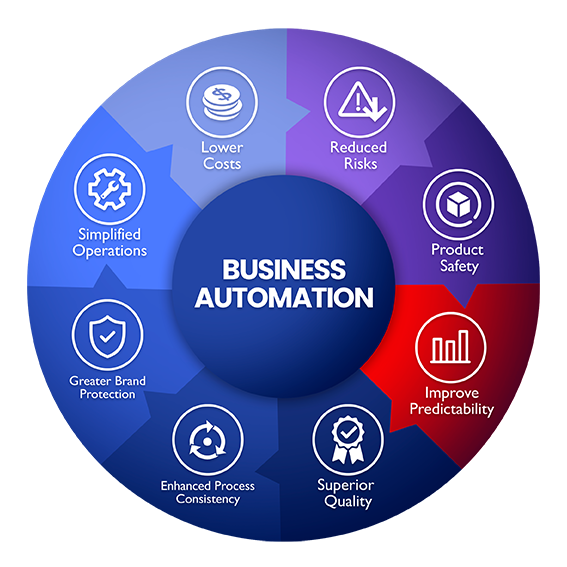
Automating business processes can yield significant benefits across various aspects of an organization. Some key benefits include:
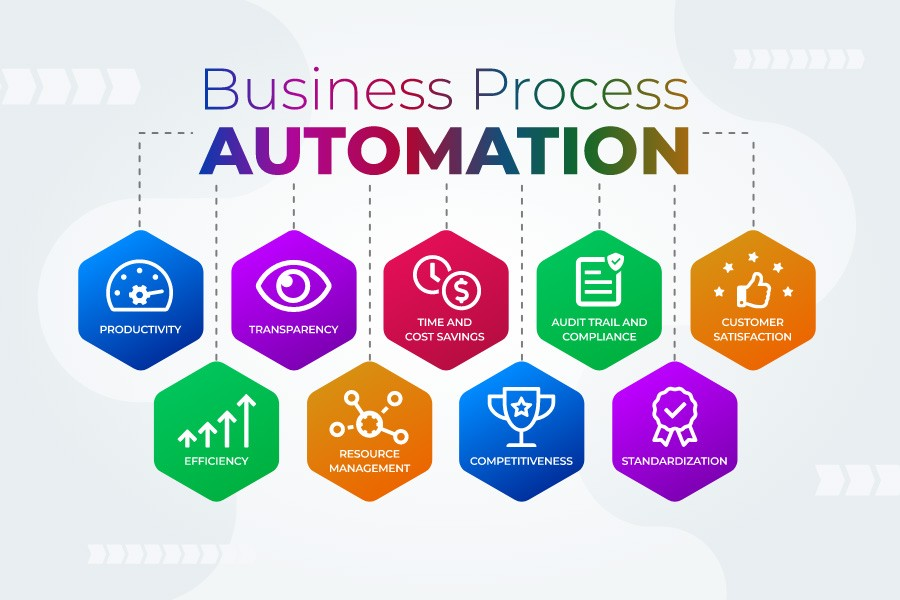
- Increased Efficiency: Automating repetitive tasks reduces the time required to complete them, allowing for faster and more consistent outputs.
- Cost Reduction: BPA reduces labor costs by decreasing the need for manual intervention, thus freeing resources for more value-added activities.
- Improved Customer Satisfaction: Automated processes can lead to quicker response times and higher accuracy, enhancing the overall customer experience.
- Enhanced Compliance: BPA ensures that processes are followed consistently, which helps maintain regulatory compliance and reduces the risk of human error.
These advantages make BPA a valuable tool for companies looking to streamline their operations and stay competitive.

Understanding Business Processes in Automation
A business process is a set of linked tasks that result in the delivery of a product or service. In the context of automation, processes that are repetitive, time-consuming, or prone to human error are ideal candidates for automation.
Common examples of automated business processes include data entry, invoicing, customer support, and employee onboarding. By automating these tasks, companies can improve accuracy and efficiency while reducing operational costs.
Identifying Candidates for Automation
Selecting the right processes for automation is crucial for a successful BPA implementation. When evaluating potential candidates, consider factors such as:
- Process Frequency: High-frequency tasks that are repetitive are excellent candidates for automation.
- Complexity: Simpler, rule-based tasks are often more suitable for automation than complex ones that require decision-making.
- Impact on Business Goals: Focus on automating processes that directly contribute to business objectives or customer satisfaction.
Tools like process mapping and workflow analysis can help organizations identify and prioritize which processes to automate.

Types of Automation Tools and Software
There are several tools and software options available for BPA, ranging from basic task automation tools to advanced robotic process automation (RPA) and intelligent automation (IA) solutions.
- Robotic Process Automation (RPA): This technology automates routine tasks by mimicking human actions. It’s highly effective for tasks like data entry and data extraction.
- Intelligent Automation (IA): IA combines RPA with artificial intelligence (AI) to automate complex processes that require decision-making or analysis.
Popular BPA tools include platforms like UiPath, Blue Prism, and Automation Anywhere. These tools allow organizations to build custom workflows tailored to their unique requirements.
Robotic Process Automation (RPA) vs. Intelligent Automation
While both RPA and IA serve the purpose of automation, they differ in their capabilities and applications.
- Robotic Process Automation (RPA): Focuses on automating rule-based, repetitive tasks. RPA tools are typically used for back-office operations like invoice processing and data entry.
- Intelligent Automation (IA): Goes beyond basic automation by incorporating AI-driven capabilities, enabling it to make decisions and adapt to changing conditions. IA is ideal for tasks that require data analysis or natural language processing.
Choosing between RPA and IA depends on the complexity of the processes that need automation and the specific requirements of the organization.

Business Process Management (BPM) and Automation
Business Process Management (BPM) is a methodology focused on analyzing, improving, and optimizing business processes. BPA is a key aspect of BPM, as it helps streamline workflows and improve operational efficiency.
BPM tools often include BPA functionalities, allowing organizations to design, monitor, and manage automated workflows. By integrating BPA with BPM, companies can achieve consistent, measurable improvements across their business operations.
Examples of Automated Business Processes
Automating business processes can improve efficiency in various departments. Some common examples include:
- Invoice Processing: Automating the invoicing process reduces errors and speeds up payment cycles.
- Employee Onboarding: BPA can streamline the onboarding process by automating paperwork, training schedules, and compliance tasks.
- Customer Support: Automated chatbots and email responders can provide quick assistance, improving customer satisfaction.
These examples illustrate how BPA can be applied across different areas of a business, enhancing productivity and accuracy.
Common Business Operations for Automation
Certain business operations are well-suited for automation due to their repetitive nature. Key areas include:
- Customer Support: Automating responses to frequently asked questions or routing customer inquiries can improve response times.
- Data Entry: Automation reduces errors in data entry and allows employees to focus on more analytical tasks.
- Compliance Management: Automating compliance-related tasks, such as audit trails and data reporting, minimizes the risk of errors and enhances transparency.
Steps to Automating a Business Process
Implementing BPA requires careful planning and a structured approach. Here’s a step-by-step guide to automating a business process:
- Identify Process Candidates: Use process analysis to identify suitable tasks for automation.
- Define Objectives: Set clear goals for the automation initiative, such as reducing errors or speeding up processes.
- Choose BPA Tools: Select appropriate BPA software based on process complexity and integration needs.
- Develop Workflows: Map out workflows to create a standardized, repeatable process.
- Test and Refine: Test automated workflows to identify any issues and make improvements.
- Implement and Monitor: Roll out the automation across the organization, continuously monitoring performance to ensure desired outcomes.
Process Analysis and Process Mining
Process analysis is a critical step in BPA, as it helps businesses understand how current processes operate and where inefficiencies lie. Techniques like process mining allow companies to capture and analyze data on existing workflows, providing insights into areas for improvement.
Process mining software visualizes processes and highlights bottlenecks, enabling organizations to make data-driven decisions about which processes to automate.
Choosing the Right BPA Tools
Selecting the right BPA tools is vital for successful automation. Key factors to consider include:
- Scalability: Choose tools that can grow with your business.
- Integration: Ensure that the software integrates with existing systems and workflows.
- Ease of Use: Opt for user-friendly tools that are easy for employees to adopt.
Some leading BPA tools include IBM BPM, Kissflow, and Microsoft Power Automate, which offer versatile functionalities for various business needs.
Developing a Workflow Automation System
A workflow automation system is essential for managing tasks that require multiple steps or approvals. Workflow automation tools allow organizations to design and manage processes with minimal manual intervention, ensuring consistency and reducing errors.
By automating workflows, companies can achieve faster execution of routine tasks and create a more organized work environment.
Benefits of Standardizing Processes in BPA
Standardizing processes as part of BPA leads to consistent performance and quality. When processes are standardized, they become easier to monitor and improve, contributing to better compliance and reducing the risk of human error.
Standardized processes also facilitate training and onboarding, as employees follow the same workflows and understand their roles within each process.
Streamlining Internal and External Processes
BPA can optimize both internal processes (like HR, finance) and external processes (like customer support and supply chain). By automating these processes, companies can enhance productivity and provide better service to customers and partners.
Role of Artificial Intelligence in Process Automation
Artificial intelligence plays a significant role in BPA by enabling predictive analysis and decision-making. AI-driven BPA can handle complex tasks that go beyond simple automation, such as analyzing large datasets or personalizing customer interactions.
Impact of BPA on Customer Relationships
BPA can improve customer relationships by enhancing service speed and accuracy. For instance, automation tools can quickly process customer inquiries, leading to shorter response times and higher customer satisfaction.
By automating routine tasks, companies can focus on delivering a personalized experience that meets or exceeds customer expectations.
Improving Compliance and Audit Trails with BPA
Maintaining compliance is essential for many organizations, especially those in regulated industries. BPA ensures that processes are followed consistently, creating audit trails that can be used for compliance reporting.
This level of transparency helps reduce the risk of non-compliance and improves accountability across the organization.
Managing Human Error through Automated Processes
Human error is a common issue in manual processes, especially in data entry and other repetitive tasks. By automating these tasks, companies can significantly reduce the likelihood of human error, leading to more accurate data and consistent results. Automation ensures that processes are executed exactly as designed, minimizing variability and enhancing reliability.
For example, automated data entry systems reduce errors that might occur due to manual input, while automated quality control checks ensure that standards are maintained throughout the process. In this way, BPA minimizes human error, leading to improved operational quality and greater confidence in data accuracy.

Implementing Automation in the Sales Pipeline
The sales pipeline is a complex process that involves multiple stages, from lead generation to closing deals. Automating the sales pipeline helps streamline these stages by reducing manual tasks and improving tracking.
Some areas in the sales pipeline that benefit from automation include:
- Lead Management: Automating lead scoring and routing can help sales teams prioritize high-quality leads.
- Follow-Ups: Automated reminders for follow-up emails and calls ensure that potential customers are engaged consistently.
- Data Syncing: Automation tools can sync data between CRM systems, improving data accuracy and providing a comprehensive view of customer interactions.
Automating the sales pipeline allows sales teams to focus on relationship-building and closing deals, ultimately driving revenue growth.
Automation in HR Processes and Employee Onboarding
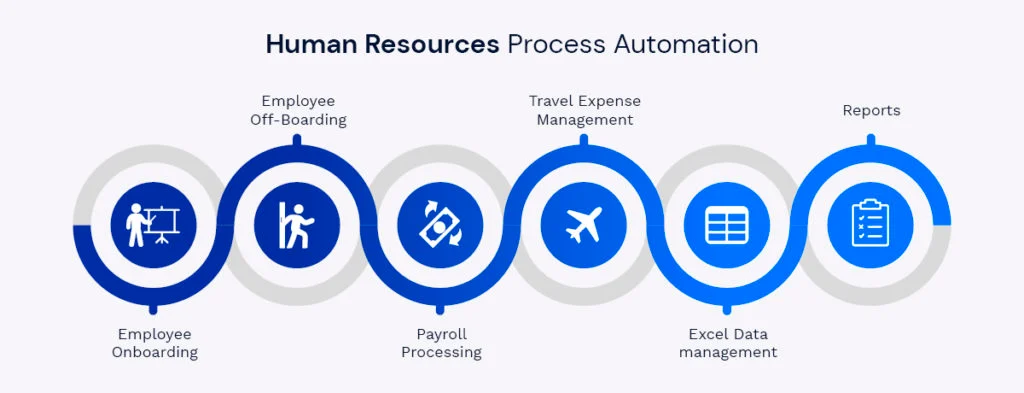
Human Resources (HR) is a department where automation can make a significant impact. From recruitment to onboarding, HR processes often involve multiple steps and approvals. By automating these processes, companies can enhance efficiency and create a positive experience for new hires.
Common HR tasks that can benefit from automation include:
- Employee Onboarding: Automated onboarding workflows ensure that new hires complete necessary paperwork, training, and compliance tasks in a timely manner.
- Employee Request Management: Automation streamlines the management of employee requests, such as leave applications, reducing administrative workload.
- Performance Tracking: Automated performance reviews can help HR teams monitor employee progress and identify areas for development.
These automations free HR professionals to focus on strategic initiatives, such as talent development and workforce planning.
Using BPA for Data Analysis and Process Performance Monitoring
BPA tools often come with data analysis capabilities, allowing businesses to track key performance indicators (KPIs) related to automated processes. Monitoring process performance provides insights into how well automation is working and highlights areas that may need improvement.
Key metrics for process performance monitoring include:
- Cycle Time: Measures how long it takes to complete an automated task from start to finish.
- Error Rates: Tracks the frequency of errors within automated processes, indicating areas that may need refinement.
- Cost Savings: Evaluates the financial impact of automation by comparing current costs with those prior to automation.
By analyzing these metrics, companies can ensure that their BPA initiatives deliver the expected benefits and make adjustments as necessary.
Overcoming Challenges in Business Process Automation
Implementing BPA comes with its own set of challenges, such as:
- Resistance to Change: Employees may be hesitant to adopt automation, fearing job displacement or change in workflow. Clear communication and training are essential to overcome this.
- Technical Limitations: Integration with existing systems can be challenging, especially if the organization uses legacy systems.
- Lack of Clear Goals: Without clear objectives, BPA projects may lack direction and fail to achieve intended outcomes.
Addressing these challenges requires a strategic approach, including establishing a clear automation roadmap, involving employees in the process, and providing comprehensive training and support.
Measuring the Success of a BPA Project
To gauge the effectiveness of a BPA initiative, it’s essential to establish measurable goals and metrics. Key performance indicators (KPIs) for BPA include:
- Process Completion Time: Reduction in the time needed to complete automated tasks.
- Error Reduction: Decrease in human error rates in automated workflows.
- Cost Savings: Financial savings achieved through reduced labor and operational efficiency.
- Employee Productivity: Improvements in productivity as employees are freed from repetitive tasks.
By tracking these metrics, organizations can assess the impact of automation on their operations and determine if adjustments are needed to enhance results.
The Future of Business Process Automation
The future of BPA is likely to be shaped by advances in artificial intelligence (AI) and machine learning (ML). As these technologies evolve, they will make automation more adaptive and capable of handling complex tasks that go beyond simple rule-based processes.
Predictions for BPA in the coming years include:
- Increased Use of AI: AI-driven automation will allow businesses to analyze data in real-time, enabling faster and more informed decision-making.
- Personalized Customer Interactions: Automation will enable more personalized customer service, tailored to individual needs and preferences.
- Greater Flexibility: Future automation solutions will be more adaptable, allowing businesses to respond quickly to changes in the market or customer demands.
These advancements will make BPA an even more powerful tool for companies seeking to stay competitive and agile.

Best Practices for Implementing BPA Solutions
To ensure the success of a BPA project, follow these best practices:
- Define Clear Goals: Set measurable objectives for the automation project to guide implementation and assess success.
- Choose Scalable Solutions: Opt for BPA tools that can grow with your business, allowing for future expansion as needs evolve.
- Train Users Thoroughly: Provide comprehensive training to ensure employees are comfortable with the new tools and workflows.
- Monitor and Refine: Continuously track performance and make improvements as needed to maximize efficiency and effectiveness.
By following these best practices, companies can overcome potential obstacles and fully leverage the benefits of BPA.
FAQs About Automating Business Process
Business process automation (BPA) is the use of technology to automate repetitive tasks and streamline workflows, helping organizations improve efficiency, reduce errors, and save time.
Automating processes increases operational efficiency, reduces manual errors, lowers costs, and frees employees to focus on more strategic tasks, ultimately improving productivity and customer satisfaction.
Common examples include data entry, invoice processing, customer service responses, employee onboarding, and inventory management.
BPA (Business Process Automation) focuses on streamlining entire workflows, while RPA (Robotic Process Automation) automates specific repetitive tasks. RPA is a subset of BPA, often used for simple, rule-based tasks.
Companies identify candidates for automation by assessing tasks that are repetitive, time-consuming, and prone to errors. Process mapping and workflow analysis are common methods used to find areas ripe for automation.
Popular BPA tools include UiPath, Blue Prism, Automation Anywhere, Kissflow, and IBM BPM. The best tool depends on your organization’s needs, scale, and integration requirements.
Common challenges include resistance to change, technical limitations, lack of clear objectives, and training requirements. These can be managed with proper planning, clear communication, and continuous support.
BPA enables faster response times, accurate service delivery, and seamless processes, all of which contribute to an improved customer experience and higher satisfaction levels.
Yes, BPA can improve compliance by ensuring consistent execution of processes and creating audit trails, which help companies meet regulatory requirements and enhance accountability.
Intelligent automation combines BPA with artificial intelligence (AI) to handle complex tasks that require decision-making or data analysis, such as personalized customer service or predictive maintenance.
Success is measured by tracking metrics such as error reduction, time savings, cost savings, and employee productivity improvements. Monitoring these KPIs helps determine if automation goals are being met.
The future of BPA will likely involve increased integration of AI and machine learning, enabling automation of more complex processes and fostering adaptive, data-driven decision-making capabilities.
Embracing BPA for Operational Excellence
Business process automation has the power to transform how organizations operate, offering benefits that range from cost reduction and increased efficiency to improved customer satisfaction. With careful planning, the right tools, and a strategic approach, BPA can be a valuable asset in driving digital transformation and operational excellence.
As automation technology continues to evolve, companies that embrace BPA will be better positioned to remain competitive, agile, and responsive to changes in the business landscape. From streamlining HR tasks to enhancing customer interactions, BPA is a cornerstone of modern business strategy, helping organizations unlock new levels of productivity and growth.
For companies of all sizes, mastering business process automation is no longer an option but a necessity. By following the steps and best practices outlined in this guide, businesses can harness the power of automation to achieve greater efficiency, accuracy, and customer satisfaction, paving the way for a successful future.