
Lead generation is the backbone of any successful real estate business. Whether you’re a seasoned real estate agent or just starting your journey in the real estate industry, consistently generating real estate leads is essential for maintaining steady growth and revenue. Without a regular influx of new leads, even the most experienced real estate professionals can find themselves struggling to keep up with the competition and secure new clients. In a constantly evolving industry, effective lead generation strategies help ensure a continuous stream of potential buyers and sellers.

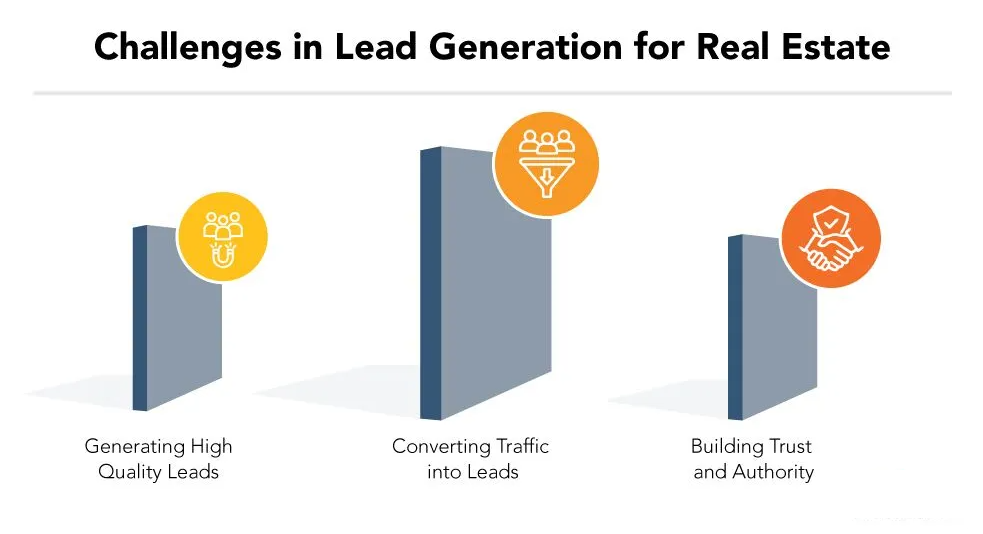
However, the lead generation process in real estate is not without its challenges. Real estate agents often face fierce competition, especially in densely populated markets, where multiple agents may be vying for the attention of the same target audience. Beyond competing with other agents, professionals also need to focus on generating quality leads—exclusive leads that are more likely to convert—rather than simply increasing the volume of cold leads. Striking the right balance between quantity and quality can be difficult. Lead nurturing is crucial in converting these leads into clients, as it involves building relationships and guiding prospects through the sales funnel.

Moreover, the landscape of real estate lead generation is evolving rapidly. Agents must navigate the complexity of combining traditional techniques like direct mail campaigns and open houses with modern, digital methods such as social media ads, Google Ads, and leveraging real estate websites. Staying updated on industry trends and adopting a well-rounded approach is critical to success.
In this article, we will break down proven strategies for generating real estate leads. These methods span online and offline tactics as well as niche-specific approaches, providing a comprehensive overview of how to attract potential clients, generate qualified leads, and convert those leads into satisfied clients. We will also explore tools, real estate lead companies, and advanced techniques that can streamline your efforts and maximize your results. Whether you’re looking to target buyer leads, seller leads, or specialize in commercial real estate, these strategies will help you strengthen your position as a market leader and grow your business.

Understanding Real Estate Lead Generation
What Is Lead Generation in Real Estate?
At its core, lead generation in real estate refers to the process of identifying, attracting, and converting potential clients—whether they are buyers or sellers—into leads who are genuinely interested in your services. Lead qualification is a crucial step in ensuring that these leads are genuinely interested in the services offered. These leads represent individuals or businesses who have shown an interest in the properties you represent or the real estate services you offer.
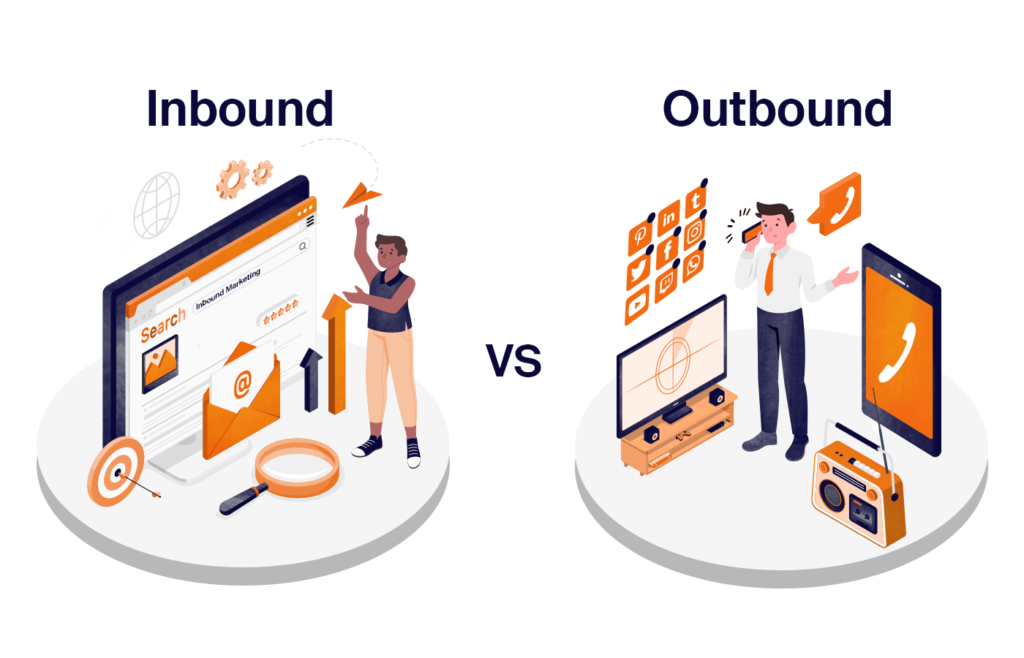
In real estate, lead generation strategies can be broadly divided into two types: inbound leads and outbound leads.
Inbound leads:
Inbound leads are those who take the initiative to reach out to you. They might find your website through search engine results, visit your social media pages, or fill out lead capture forms on your property listings. These leads have already shown some level of interest and are often easier to convert since they are actively seeking information or assistance.
Outbound leads:
Outbound leads, on the other hand, are those that you reach out to directly. These could come from cold calling, email marketing, or targeted campaigns like direct mail. While outbound lead generation can bring in new prospects, it often requires more effort in terms of nurturing and building trust, as these leads may not yet know your services or express an immediate need.
Both types of leads are crucial for real estate professionals aiming to grow their business. Understanding the balance between inbound and outbound strategies is key to optimizing your overall lead generation process.
The Importance of a Consistent Lead Flow
Consistency in real estate lead generation is vital to sustaining a healthy and predictable pipeline of business. Without a steady flow of new leads, you may experience revenue gaps that can negatively impact your ability to grow as a real estate agent. A successful real estate business thrives on the ability to attract, nurture, and convert potential clients over time.
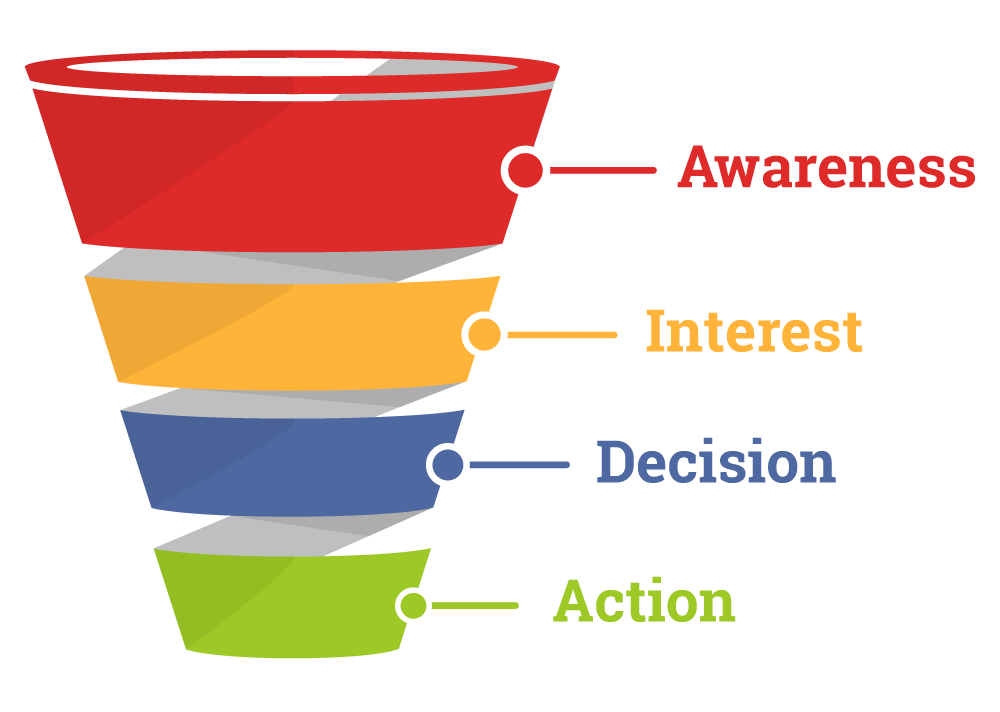
A consistent lead flow also allows agents to move prospects through the sales funnel, from initial contact to closing the deal. The sales funnel is often divided into stages:
- Awareness: The lead becomes aware of your services.
- Interest: The lead expresses interest in a property or consultation.
- Consideration: The lead evaluates different agents, properties, or investment opportunities.
- Decision: The lead engages your services or makes a purchase.
By nurturing leads at each stage—whether through email marketing, social media ads, or personalized outreach—you can ensure that prospects move through the funnel smoothly. This nurturing process is essential for turning cold leads into qualified leads and eventually into satisfied clients.
Challenges in Generating Real Estate Leads
Lead Quality
- One of the most common complaints among agents is the lack of quality leads. For instance, some leads may provide incomplete or inaccurate contact information, making follow-up difficult. Others may not be ready to buy or sell, despite expressing initial interest. Agents need to focus on generating qualified leads—those who are genuinely interested in engaging your services. Lead conversion plays a crucial role in turning these qualified leads into actual clients.
- Exclusive leads, often generated through real estate lead companies, tend to have higher quality since they are not shared with other agents, giving you a better chance of conversion.
Local Market Competition
- The real estate market is often saturated with licensed real estate agents vying for the same pool of potential buyers and sellers. This makes it difficult, especially for newer agents, to stand out. To overcome this, you need to establish yourself as a market leader by showcasing your expertise through real estate marketing efforts, such as publishing real estate advice and positioning yourself as a trusted resource in your local market.
Resource Allocation
- Effective lead generation requires a balanced allocation of resources, including time, budget, and effort. Many real estate professionals struggle with balancing the need to focus on marketing efforts, lead generation, and serving existing clients. Often, agents must decide how much to invest in online advertising like Google Ads or social media ads, compared to more traditional methods like direct mail campaigns or open houses.
- Budget constraints also play a role. Newer agents, in particular, may not have the financial resources to invest in real estate lead generation tools or hire lead generation companies to assist with generating exclusive leads.
While there are challenges, understanding the fundamentals of lead generation and consistently applying the right strategies can help you stand out in a crowded market and maintain a steady flow of quality leads. By combining inbound and outbound lead generation techniques, focusing on lead nurturing, and overcoming common obstacles like competition and resource allocation, real estate professionals can build long-lasting client relationships and sustain business growth.

I. Online Lead Generation Strategies for Real Estate Agents
1. Develop a Strong Online Presence
A strong online presence is crucial for attracting qualified leads and building your brand. Your website is your digital business card and often the first point of contact for potential clients. A well-designed site can turn visitors into valuable real estate leads.
Key Elements of an Effective Website:
- Clear Navigation: Make it easy for visitors to find property listings and contact information.
- Fast Load Times: Ensure your website loads quickly to prevent high bounce rates, especially on mobile devices.
- High-Quality Visuals: Use professional images and virtual tours to engage potential clients.
Search Engine Optimization (SEO)
To ensure your website is visible, use local SEO strategies to target keywords like “homes for sale in [city]” or “real estate agent near me.” Additionally, incorporate long-tail keywords to attract more specific searches and use tools like Google Keyword Planner to refine your strategy.
Lead Capture Forms
Place lead capture forms on high-traffic pages, offering incentives like free home valuations or exclusive listings to encourage sign-ups. Keep forms simple to increase conversion rates.
Mobile Optimization
With 60% of real estate searches happening on mobile devices, ensure your website is mobile-friendly with responsive design and quick access to key information.
2. Leverage Social Media Advertising
Social media advertising has become a cornerstone of effective real estate lead generation strategies. With billions of active users across platforms like Facebook, Instagram, and LinkedIn, social media offers an unparalleled opportunity for real estate agents to reach potential buyers and sellers where they spend much of their time. To maximize your efforts, it’s important to choose the right platforms and leverage targeted ads that speak directly to your target audience.
Platform Selection: Choosing the Right Social Media Platforms
Not all social media platforms are created equal, and each serves a different purpose for real estate professionals.
- Facebook: This platform is ideal for targeting a broad range of potential clients, including home buyers, sellers, and investors. It’s particularly effective for reaching older demographics and families who are searching for homes. The robust ad platform allows for detailed demographic targeting.
- Instagram: As a visually-focused platform, Instagram is perfect for showcasing property listings, interior designs, and community highlights. Real estate agents can use high-quality images, video tours, and Instagram Stories to engage potential buyers, especially millennials and younger demographics.
- LinkedIn: While LinkedIn is primarily a business-focused platform, it can be useful for commercial real estate agents looking to connect with property investors, developers, and other professionals in the industry.
Targeted Ads: Precision Marketing for Real Estate
One of the biggest advantages of social media advertising is its ability to precisely target specific demographics. By using platforms like Facebook Ads, real estate agents can create targeted ads that reach potential clients based on criteria like age, location, income level, and interests.
- Demographic Targeting: For instance, if you’re trying to sell homes in a high-end neighborhood, you can target users with a higher income bracket, who live or work near that area, and who have recently shown interest in property-related topics.
- Lookalike Audiences: An effective strategy is to experiment with lookalike audiences—these are users who share similar characteristics to your past clients. This feature allows agents to find new leads who are more likely to be interested in your services based on the behaviors and preferences of your existing clients.
Engagement: Building Relationships with Social Media
Engaging with followers is a critical part of making your social media ads successful. Don’t just run the ads—engage with your audience. When followers comment on your posts or ask questions, respond quickly and thoughtfully. This interaction builds trust and demonstrates your expertise.
- Offer Valuable Insights: Provide real estate tips, market updates, and community insights that show your authority in the real estate market.
- Respond Promptly: Engaging directly with potential clients makes them more likely to reach out for your services.
Retargeting Ads: Boost Conversions with Follow-Up Advertising
A highly effective feature of social media advertising is the ability to run retargeting ads. By using tools like Facebook Pixel, you can track visitors who have browsed your website but didn’t take action—such as filling out a lead capture form. These retargeting ads allow you to stay top of mind with potential clients and encourage them to return to your website to complete their inquiry.
- Increased Conversion Rates: Retargeting ads are proven to convert at a 70% higher rate than standard ads because they target users who have already shown interest in your services. These potential leads are often closer to the decision-making stage, making retargeting ads a powerful tool for lead generation.
Example:
A real estate agent in Los Angeles used Instagram Stories to showcase new property listings with stunning visuals and short video clips. By highlighting properties in trendy neighborhoods, the agent generated 15 qualified leads in just one week.

3. Content Marketing and Blogging
Content marketing is an essential part of building trust and authority with potential clients. A well-executed blogging strategy can establish you as a knowledgeable expert in the real estate field, attracting new visitors to your website who are looking for advice, insights, and market information. By creating valuable and relevant content, you can turn casual visitors into qualified leads. Additionally, creating valuable content can drive organic traffic to your website, improving visibility and attracting potential leads.
Why Blog? Building Trust and Authority
Blogging helps real estate agents showcase their expertise and build credibility with potential clients. When you provide real estate advice and valuable insights, potential buyers and sellers are more likely to view you as a trusted resource. Additionally, regular blogging improves your website’s SEO, helping you appear in search results when prospective clients look for real estate information.
Types of Content to Attract Real Estate Leads
The key to a successful blog is creating content that is both informative and engaging. Here are some ideas for blog topics:
- Local Market Trends: Write about the latest trends in your local market, including home prices, inventory levels, and market forecasts.
- Buyer and Seller Tips: Offer advice to buyers and sellers on how to navigate the real estate process, such as “Top 10 Tips for First-Time Homebuyers” or “How to Stage Your Home for a Quick Sale.”
- Neighborhood Reviews: Highlight specific neighborhoods, discussing their amenities, schools, safety, and real estate market.
- Property Investment Advice: Share insights into the best investment opportunities in real estate, including rental properties and commercial real estate.
SEO Benefits: Improving Organic Traffic
Optimizing your blog posts for search engine optimization (SEO) helps drive organic traffic to your website. Use relevant keywords like “homes for sale in [city],” “best neighborhoods in [city],” and “real estate tips for sellers” to attract your target audience.
- Long-Tail Keywords: Focus on long-tail keywords to capture more specific queries. For example, instead of targeting “real estate tips,” try “real estate tips for first-time homebuyers in [city].”
Visual Content: Boosting Engagement
Incorporating high-quality images and videos into your blog posts significantly increases engagement. Blog posts with visuals get 94% more views than those without. Including virtual tours, property photos, and neighborhood video walkthroughs can capture your readers’ attention and encourage them to explore your website further.
Example:
A real estate agent in Boston created a blog series called “Best Neighborhoods for First-Time Buyers in Boston” that included detailed neighborhood reviews, pricing trends, and lifestyle descriptions. After publishing the series, the agent saw a 30% increase in website traffic and more lead form submissions.
4. Email Marketing and Lead Nurturing
Email marketing is one of the most powerful tools for lead nurturing. It allows real estate agents to stay in regular contact with their leads, guiding them through the buying or selling process and keeping them engaged until they are ready to take the next step. By segmenting your audience and using personalized email sequences, you can significantly improve your conversion rates.
Building an Email List: Capture and Retain Leads
To build your email list, offer valuable resources in exchange for a visitor’s contact information. For example, you could provide a free homebuyer’s guide, a property investment analysis, or access to exclusive listings. Once you’ve captured a lead’s email address, you can begin nurturing them through regular, informative emails.
Segment Your Email List: Personalize Your Campaigns
Segmenting your email list is essential for sending the most relevant content to each lead. For example:
- First-Time Homebuyers: Send guides on navigating the home buying process and tips on finding the right home.
- Sellers: Provide market updates, home staging tips, and pricing strategies.
- Investors: Share information on property investment opportunities, ROI, and market trends.
Email Sequences: Automating Follow-Up
Create email sequences to automate the follow-up process. For example, new leads could receive a series of emails that explain the home-buying process, offer advice on securing a mortgage, and showcase your latest listings. By automating this process, you can ensure consistent engagement without constant manual effort.
Personalized Emails: Increasing Engagement
Personalizing your emails can significantly boost engagement. Use the recipient’s name, mention their specific needs (e.g., the type of property they’re interested in), and include clear CTAs (Call to Action) like “Schedule a Consultation” or “View New Listings.” Personalized emails can result in a much higher open and click-through rate.
Example:
A real estate agent segmented her email list into first-time buyers, sellers, and past clients. By sending tailored content to each group, she saw a 25% increase in engagement, with more recipients opening her emails and responding to calls to action.
Relevant Stat:
“Email marketing ROI can be as high as $42 for every $1 spent.” (Source: Litmus) This underscores the importance of a strong email marketing strategy in nurturing leads and converting them into clients.
II. Offline Lead Generation Strategies for Real Estate Agents
While online strategies dominate the modern real estate lead generation landscape, offline methods remain equally important for generating qualified leads and building personal connections. Networking, participating in community events, and using traditional methods like direct mail and open houses still offer significant opportunities to connect with local clients. Below, we explore four key offline strategies that can help real estate agents grow their business.
5. Networking and Partnerships
Networking is one of the most powerful ways to generate real estate leads through personal connections. By forming partnerships with local businesses and professionals who serve the same audience, you can tap into a network of potential referral leads.
Networking with Local Businesses
To maximize your lead generation efforts, consider building relationships with professionals who cater to homeowners, buyers, or sellers. These might include:
- Mortgage lenders who can refer clients needing financing for home purchases.
- Contractors and home renovation specialists who may know homeowners looking to sell.
- Home inspectors and appraisers who interact with homebuyers and sellers during key stages of real estate transactions.
By establishing mutually beneficial partnerships, real estate agents can exchange leads and offer clients a more comprehensive service package. For instance, you could partner with a local contractor to offer home renovation discounts to clients looking to sell, enhancing their home’s value before listing.
Referral Programs
Another great way to expand your network is by creating a formal referral program. This can incentivize other professionals and past clients to send potential real estate leads your way. Referral programs may include:
- Offering financial incentives to contractors or lenders for referring clients.
- Providing past clients with discounts or rewards for referring their friends or family members who are interested in buying or selling.
The power of referrals cannot be overstated. According to the National Association of Realtors (NAR), “75% of a real estate agent’s business comes from referrals and repeat clients.” Developing a solid referral network is key to long-term success.
Industry Events
Attending or sponsoring real estate-related events, such as conferences, expos, and networking functions, can also help agents meet potential clients and forge partnerships. These events offer a chance to establish your presence in the local market, share your expertise, and build relationships that can lead to real estate leads in the future.
Example:
An agent partnered with a local furniture store and offered home staging discounts to sellers. As a result, the agent saw a 10% increase in referrals from the store, as both businesses referred clients to one another.
6. Community Events and Sponsorships
Engaging with your community through events and sponsorships is another effective way to build trust, raise awareness of your brand, and generate new leads. This method works well because it positions you as a local expert who is invested in the community. Building relationships with local clients through community events and sponsorships is crucial for establishing long-term trust and loyalty.
Sponsoring Local Events
Consider sponsoring or participating in community events such as neighborhood block parties, school fundraisers, or charity drives. By sponsoring these events, your name will be associated with positive community involvement, increasing your visibility to potential clients.
- Set up a booth or table where you can display property listings, offer free consultations, and hand out branded materials (e.g., brochures or business cards).
- This personal interaction allows potential clients to put a face to your name, making them more likely to reach out when they need a real estate agent.
Hosting Real Estate Seminars
Hosting real estate seminars is another powerful way to position yourself as an authority in the local real estate market. For example, you can organize:
- First-Time Homebuyer Workshops: Provide information on navigating the home-buying process, securing financing, and selecting the right home.
- Real Estate Investment Seminars: Offer guidance on identifying profitable investment properties, managing rental homes, and understanding ROI in real estate.
These events help you connect with attendees and provide a forum for collecting contact information from potential leads.
Lead Collection
Make sure to have sign-in sheets, digital forms, or other mechanisms to collect contact information from attendees at events and seminars. Follow-up is critical—send personalized emails or make calls to attendees who showed interest, offering additional real estate advice or relevant property listings.
Example:
A real estate team sponsored a local charity run and set up an information booth. By engaging with attendees and collecting contact details, they generated 30+ leads, many of whom became clients.
7. Direct Mail Campaigns
In the digital age, direct mail campaigns may seem outdated, but they are still highly effective for real estate lead generation. Direct mail allows you to target specific geographic areas and deliver personalized, tangible marketing materials directly to homeowners. Geographical farming involves sending direct mail to a specific area to establish presence and build familiarity with residents.
Targeting Specific Neighborhoods
One of the most effective strategies for direct mail is geographical farming. This involves sending postcards, letters, or brochures to a specific neighborhood over time to establish your presence and build familiarity with residents. The goal is to position yourself as the go-to real estate agent in that area when residents are ready to buy or sell.
Effective Messaging
Your direct mail pieces should offer valuable information that catches the recipient’s attention. Include:
- Local market statistics: Share recent data on home prices, sales trends, and inventory levels in the recipient’s neighborhood.
- Success stories: Highlight homes you’ve sold nearby, including how quickly they sold or the value your clients received.
- Calls to Action (CTAs): Offer incentives like a “Free Home Valuation” or “Market Analysis” to entice recipients to reach out.
Personalization
Personalization can make a big difference in the effectiveness of your direct mail. Address recipients by name and reference nearby homes you’ve helped buy or sell. This makes your message feel more personal and relevant.
Example:
A realtor in San Francisco sent targeted direct mail postcards to a high-end neighborhood. The mailers featured success stories from recent sales and offered a free home valuation. This campaign generated six leads, two of which resulted in listings.
8. Open Houses and Property Showcases
Open houses remain a time-tested way for real estate agents to meet potential buyers and sellers face-to-face. These events allow you to build relationships with prospects in a personal setting, answer their questions, and collect contact information for follow-up.
Virtual Open Houses have become increasingly popular, offering a convenient alternative to traditional open houses. Virtual tours are highly effective in attracting a broader audience and providing an immersive experience for potential buyers.
Host Open Houses
Hosting traditional open houses gives potential buyers the chance to tour a home and ask questions. While showcasing the property, use the opportunity to connect with visitors. Many of them may not be working with an agent yet, making this an ideal time to build a rapport.
- Lead Collection: Encourage attendees to leave their contact information on sign-in sheets or digital forms for future follow-up.
- Personal Follow-Up: After the event, reach out to each attendee with a thank-you note and provide more details on the property or other similar listings.

Virtual Open Houses
With the rise of digital tools, virtual open houses have become increasingly popular. These events attract a broader audience, including out-of-town buyers who may not be able to attend in person.
- Use live video streaming platforms like Zoom or social media to give a live virtual tour of the property.
- You can interact with participants in real time, answering their questions and guiding them through the home.
Lead Follow-Up
Whether you host traditional or virtual open houses, follow-up is critical. After gathering contact information from attendees, reach out via email or phone to nurture the relationship and offer additional information.
Example:
An agent in Chicago hosted a virtual open house that attracted over 200 attendees, many of whom were from out of state. The event resulted in three offers within a week, demonstrating the effectiveness of virtual tours in today’s market.
III. Niche-Specific Lead Generation Strategies
Niche-specific lead generation strategies allow real estate agents to target distinct groups with specialized needs, offering tailored services that resonate with their unique situations. By focusing on niche markets such as seniors, individuals going through a divorce, or property owners with expired listings, you can generate exclusive leads that are more likely to convert. Below, we’ll explore key strategies for generating leads in these niche markets.
9. Senior-Specific Community Sponsorship Opportunities
With an aging population, there’s a growing need for real estate professionals who specialize in helping seniors transition to downsizing, moving to retirement communities, or relocating to assisted living properties. These clients have specific needs and often require guidance and support in making such a significant life change. Targeting senior communities can be a highly effective way to tap into this market.
Targeting Senior Communities for Downsizing or Retirement Homes
Many seniors are looking to downsize from their larger homes or move into specialized housing communities. As a real estate agent, you can:
- Host seminars or events on downsizing to educate seniors on the benefits of moving into a more manageable home.
- Sponsor events at senior centers or retirement communities to increase visibility and establish yourself as a trusted resource.
- Provide home-selling guides tailored to seniors, focusing on downsizing and transitioning to senior-friendly homes.
Partnering with Senior-Focused Services
By partnering with other professionals who work with seniors, such as estate planning attorneys, downsizing services, and retirement consultants, you can expand your referral network and offer more comprehensive services to your clients.
- These partnerships can result in referral leads from professionals who regularly work with seniors in need of real estate services.
- Offer joint seminars with these professionals, where you can educate seniors on both financial planning and home transition strategies.
Example:
A real estate agent in Arizona built a thriving business by focusing on senior clients. By partnering with a local downsizing service and sponsoring events at retirement homes, the agent increased her lead generation by 20% and helped seniors transition smoothly into retirement communities.
10. Divorce Leads and FSBOs
Divorce and For Sale By Owner (FSBO) situations present unique opportunities for real estate professionals to provide much-needed support during stressful and complex transitions. These markets often need quick solutions, which can lead to exclusive leads and faster transactions.
Targeting FSBO Sellers
Many FSBO sellers initially try to sell their homes without the help of a real estate agent but often struggle with marketing, pricing, and navigating the legalities of the sale. This presents an opportunity for agents to step in and offer their expertise.
- Outreach Campaigns: Create targeted marketing campaigns for FSBO sellers, offering free consultations or advice on how they can improve their sales strategy.
- Provide Value: Explain the benefits of working with a professional agent—such as gaining access to larger buyer pools, better pricing strategies, and managing paperwork efficiently.
Divorce Leads: Partnering with Divorce Attorneys
Divorce leads represent another niche market where individuals need to sell their homes quickly due to the dissolution of their marriage. In these cases, sellers are often motivated to sell quickly and may need additional guidance.
- Partnerships with Divorce Attorneys: By partnering with divorce attorneys, you can become the go-to agent for clients who need to sell their marital home. Offer specialized services such as expedited property evaluations and quick-sale strategies.
- Tailored Messaging: Your marketing campaigns for divorce leads should highlight how you can simplify the home-selling process during an emotionally difficult time. Offer solutions that emphasize speed, fairness, and efficiency.
Example:
A real estate agent in Atlanta began targeting FSBO sellers and partnered with a group of local divorce attorneys. Within two months, the agent had secured five exclusive leads from FSBO listings and divorce-related referrals, resulting in quick sales and satisfied clients.
11. Expired Listings and Absentee Owners
Another effective lead generation strategy is focusing on expired listings and absentee owners. These are property owners who, for various reasons, may not have had success selling their homes or may not be managing their properties actively. They often represent a goldmine of untapped opportunities for real estate agents. Using direct mail campaigns, you can offer property evaluations or selling advice to absentee owners, making it easier to connect with them and provide valuable services.
Targeting Expired Listings
An expired listing refers to a home that was listed for sale but didn’t sell within the listing period. These property owners are often frustrated and looking for fresh approaches.
- Approach with a New Strategy: Reach out to owners of expired listings and offer a new marketing plan, different pricing strategies, or professional staging to help the home sell more quickly the second time around.
- Build Trust: Emphasize that you understand their frustration and can provide new tactics to help them achieve their selling goals. Highlight your track record of successfully selling homes that other agents couldn’t.
Reaching Absentee Owners
Absentee owners are property owners who don’t live in the home they own, such as out-of-town landlords or investors. These individuals may be motivated to sell, especially if managing the property has become too burdensome or the property has been vacant for too long.
- Mail Campaigns: Use direct mail campaigns to target absentee owners, offering them a free property evaluation or advice on selling in the current real estate market.
- Highlight Benefits: Many absentee owners may not know the potential profits they could gain from selling in a seller’s market. Use your marketing materials to explain how selling now could maximize their return on investment.
Example:
A real estate agent in New York targeted expired listings and absentee owners using a combination of direct mail and follow-up calls. By offering new marketing plans and property evaluations, the agent converted 20% of expired listings into new clients, many of whom were able to sell their homes within 60 days of relisting.
IV. Lead Generation Tools and Companies
In today’s competitive real estate industry, leveraging the right lead generation tools and companies can significantly enhance your ability to attract and convert qualified leads. With a plethora of real estate lead generation companies and AI-powered tools available, agents can streamline their processes, focus on high-quality leads, and automate their follow-ups. In this section, we’ll explore top companies and innovative tools that can help you boost your lead generation efforts.
13. AI-Powered Lead Generation Tools
As technology advances, AI-powered tools are becoming increasingly popular in the world of real estate. These tools not only help agents generate qualified leads but also streamline the entire process by automating tasks like follow-up communication and lead qualification. By using artificial intelligence, agents can improve their response time, better nurture leads, and convert more prospects into clients.
BoomTown
BoomTown is a leading platform that leverages AI to enhance lead generation and management. One of its standout features is the use of predictive analytics to score leads and help agents prioritize those that are more likely to convert. This ensures that agents focus their efforts on high-potential prospects, thereby increasing their chances of success.
LeadFlow
LeadFlow is a robust AI-driven platform that automates lead generation and follow-up for real estate agents. It captures lead data from multiple online sources and nurtures these leads with personalized communication, keeping prospects engaged throughout their buying journey.
- Automated Lead Generation: LeadFlow automatically identifies potential clients across various platforms and integrates them into your CRM.
- Customizable Drip Campaigns: The platform allows agents to set up automated email drip campaigns based on lead behavior, ensuring that leads receive the right information at the right time.
Zurple
Zurple is an AI-powered lead nurturing platform that provides real estate agents with highly personalized insights into their leads’ behavior. It automatically sends tailored emails to leads based on their online activity, helping to nurture them through the buying or selling process.
- Behavioral Insights: Zurple tracks lead behavior on your website—such as the properties they view or the searches they conduct—and sends personalized follow-ups. This helps keep leads engaged without requiring constant manual effort.
- Automated Conversations: The platform automates conversations with leads, delivering the right message at the right time to maximize conversion rates.
BoomTown
BoomTown is an all-in-one real estate CRM platform that helps agents generate, manage, and nurture leads. The platform uses AI to streamline follow-up and communication with leads, allowing agents to focus on higher-priority tasks.
- Lead Nurturing Automation: BoomTown automatically follows up with leads using personalized email and text message campaigns, reducing the chance that a lead will slip through the cracks.
- Lead Scoring: The platform also uses predictive analytics to score leads, helping agents prioritize those that are more likely to convert.
How AI Helps Real Estate Agents Qualify and Nurture Leads
AI-powered tools provide several advantages for real estate agents:
- Automating Lead Follow-Up: AI systems automatically send follow-up messages to leads at the right time, preventing agents from missing opportunities.
- Lead Scoring and Prioritization: These tools use data to assess which leads are more likely to convert, allowing agents to focus on high-priority prospects.
- Personalized Communication: AI can tailor messages based on lead behavior and preferences, delivering a personalized experience that builds trust and engagement.
Example:
A real estate agent in Dallas adopted an AI-powered CRM system and saw a 50% increase in lead response time. By automating follow-up emails and tracking lead activity, the agent was able to prioritize hot leads and close more deals.
FAQs About Real Estate Lead Generation Strategies
Real estate lead generation is the process of identifying and attracting potential buyers or sellers who are interested in real estate services, with the goal of converting them into clients.
Most Realtors get their leads from referrals, online platforms (like Zillow or Realtor.com), social media, open houses, and networking events.
Yes, real estate lead generation companies can be worth it if they provide high-quality, exclusive leads and align with your target market, helping save time and generate more business.
Realtors typically spend anywhere from $500 to $2,000+ per month on lead generation, depending on their marketing strategy, tools, and target market.
Lead generation in real estate involves finding and attracting people interested in buying or selling property and nurturing them until they become clients.
Estate agents generate leads through networking, online marketing (SEO, social media), referrals, direct mail campaigns, and by hosting open houses.
New real estate agents can generate leads by leveraging social media, building a referral network, attending local events, and using lead generation companies to get started.
Lead generation for Realtors is the process of attracting and nurturing potential buyers and sellers until they convert into clients.
A lead generation agent focuses on identifying potential clients, gathering their contact information, and nurturing them into becoming actual buyers or sellers.
Agencies generate leads through a mix of online advertising, content marketing, email campaigns, networking, and using real estate lead generation companies.
To get real estate leads quickly, use social media ads, Google Ads, referrals, and participate in local community events or networking events.
In 2024, generating real estate leads will focus on AI-powered tools, social media marketing, SEO-optimized content, and leveraging virtual open houses.
To generate leads as a real estate agent, focus on building a strong online presence, leveraging social media, and building referral networks with local professionals.
Leads are generated through digital marketing (SEO, social media ads), networking, referrals, real estate websites, and lead generation companies.
To generate off-market real estate leads, use networking, direct mail campaigns, partner with local contractors, and keep an eye on expired listings.
You can get leads as a real estate agent through social media marketing, email campaigns, online lead generation platforms, and building a strong referral network.

In the highly competitive real estate industry, successful lead generation requires a multi-faceted approach. A combination of online and offline strategies is essential to attract, nurture, and convert qualified leads consistently. From building a strong online presence through your website, social media, and content marketing to leveraging offline methods like networking, community events, and direct mail campaigns, real estate professionals have numerous avenues to generate real estate leads and grow their business.
While online lead generation strategies like SEO, social media ads, and AI-powered tools help you reach a broad audience and automate follow-up processes, offline strategies offer the personal touch needed to build trust and long-term relationships with potential clients. Additionally, niche-specific approaches—targeting seniors, FSBO sellers, and owners of expired listings—allow agents to tap into specialized markets that often lead to quicker transactions.
The key to mastering real estate lead generation lies in testing different strategies and constantly optimizing your efforts. Not every strategy will work for every agent, market, or niche. By tracking the performance of each method—whether it’s email marketing, direct mail, or social media ads—you can refine your approach, focus on what works best, and ensure a steady flow of high-quality leads.
Start implementing these proven strategies today, and continuously evaluate and adjust them to suit your unique business needs. The right combination of tools, platforms, and tactics can turn your real estate business into a market leader.