


White nails, medically termed leukonychia, are a common issue that many notice at some point. These white spots or streaks can be harmless, often resulting from minor trauma, or they may signal underlying health concerns. Learning about the types and causes of leukonychia can help you maintain nail health and identify when professional advice is needed.
What are White Marks on Nails?
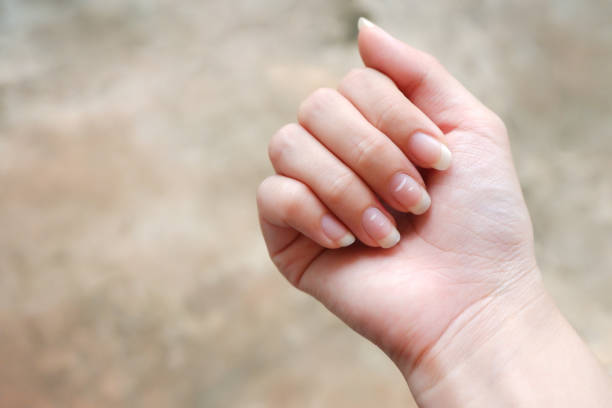
White marks on nails, also known as leukonychia, are small, white spots or lines that appear on the nail plate. These marks can result from various factors, including nail injury, fungal infections, and certain medical conditions. Often, white marks are harmless and do not require treatment. However, they can sometimes indicate an underlying health issue that needs attention. For instance, minor trauma to the nail, such as from nail-biting or rough manicures, can cause these white spots. In other cases, more persistent white marks might signal a need for a closer look at your overall health.
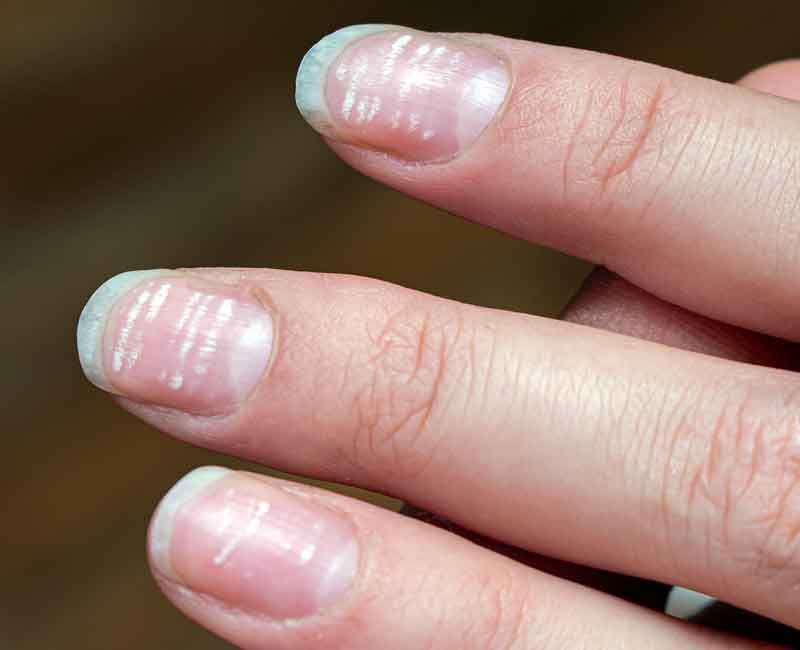
Types of White Marks (Leukonychia)
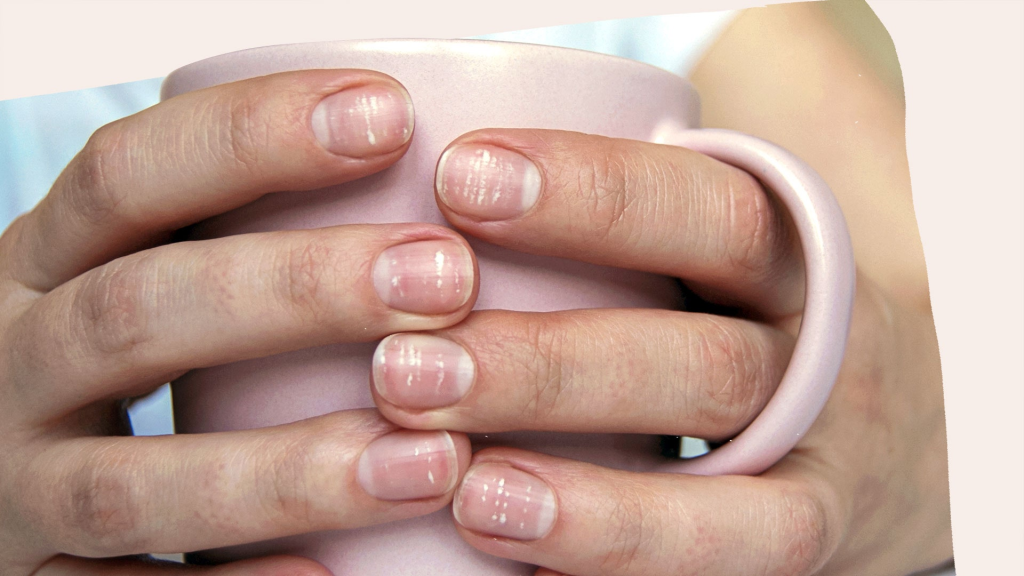
Leukonychia manifests as white spots, bands, or lines on the nails. Understanding the different types of leukonychia helps in identifying its causes and potential treatments:
True Leukonychia: Originating in the nail matrix, true leukonychia causes white spots that remain unchanged as the nail grows. Often due to minor trauma, such as nail-biting or rough manicures, these spots are usually harmless but may weaken nail structure over time. In some cases, the white spots can stretch across the entire nail plate, indicating potential injuries or other underlying causes.
Apparent Leukonychia: In this type, white marks appear beneath the nail plate and move as the nail grows. Apparent leukonychia can sometimes signal systemic health issues, such as liver or kidney disease. It’s advisable to consult a healthcare provider if you notice persistent white streaks under the nail.
Pseudoleukonychia: Typically caused by a superficial fungal infection, pseudoleukonychia leads to white marks on the outer surface of the nail. Early treatment with antifungal medication can prevent further discoloration and maintain nail integrity.

Common Causes of White Spots on Nails
Understanding the common causes of white marks aids in prevention and effective treatment:
Minor Trauma: Everyday activities, like typing or excessive manicuring, can traumatize the nail plate, resulting in small white dots. The use of acrylic nails can contribute to nail trauma, leading to white marks. Avoiding harsh nail practices and handling nails gently can reduce these trauma-induced marks.
Allergic Reactions: Chemicals in nail polish, nail glue, and certain treatments may cause allergic reactions, leading to white spots. Choosing hypoallergenic products and limiting chemical exposure can minimize this risk.
Fungal Infections: Fungal infections, such as onychomycosis, thrive in moist environments and can lead to brittle, discolored nails with white spots. Early intervention with antifungal treatments is key to preserving nail health.
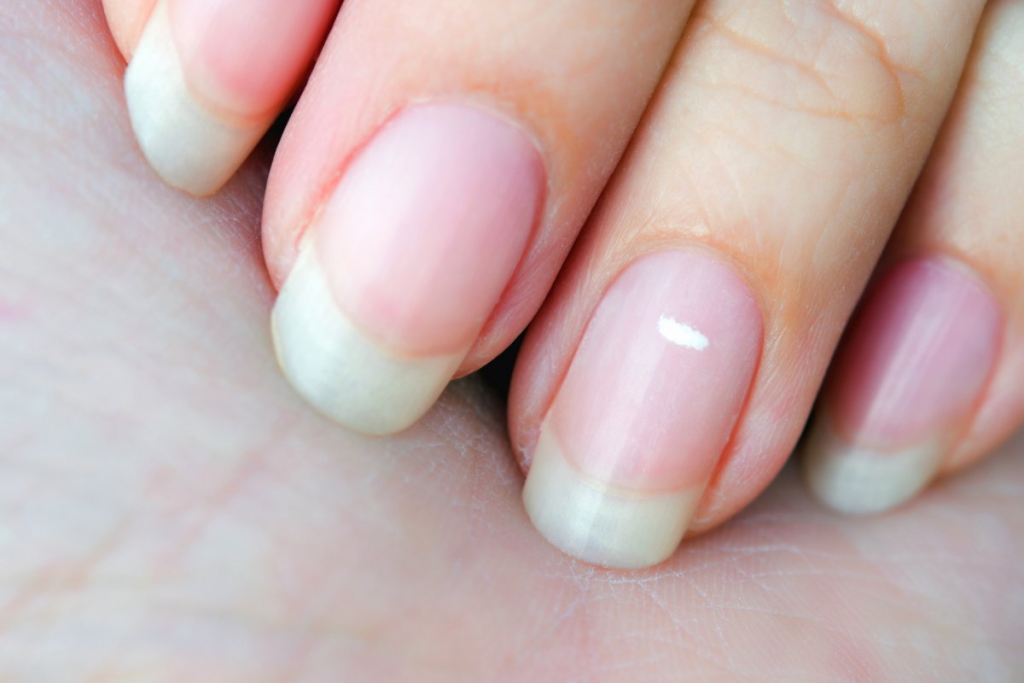
Nail Fungus and White Marks
Nail fungus, medically termed onychomycosis, is a prevalent cause of white marks on nails. Fungal infections can lead to the nail becoming thick, brittle, and discolored, often resulting in white spots or lines. In severe cases, the fungus can cause the nail to separate from the nail bed, leading to pain and discomfort. If you notice these symptoms, it’s crucial to seek medical advice for proper diagnosis and treatment. Early intervention with antifungal treatments can prevent the infection from spreading and maintain the health of your nails.
Health Conditions Associated with White Marks
Persistent white marks on nails may indicate underlying health concerns:
Systemic Diseases
Conditions like liver or kidney disease, as well as diabetes, can affect nail color and texture, often leading to apparent leukonychia. Consulting a healthcare provider for persistent nail changes can facilitate early diagnosis and treatment of these conditions.
Vitamin and Mineral Deficiencies
Deficiencies in iron, zinc, and biotin impact nail health, leading to changes like white spots or spoon-shaped nails. Maintaining a balanced diet with essential vitamins and minerals is crucial for nail integrity and overall health.
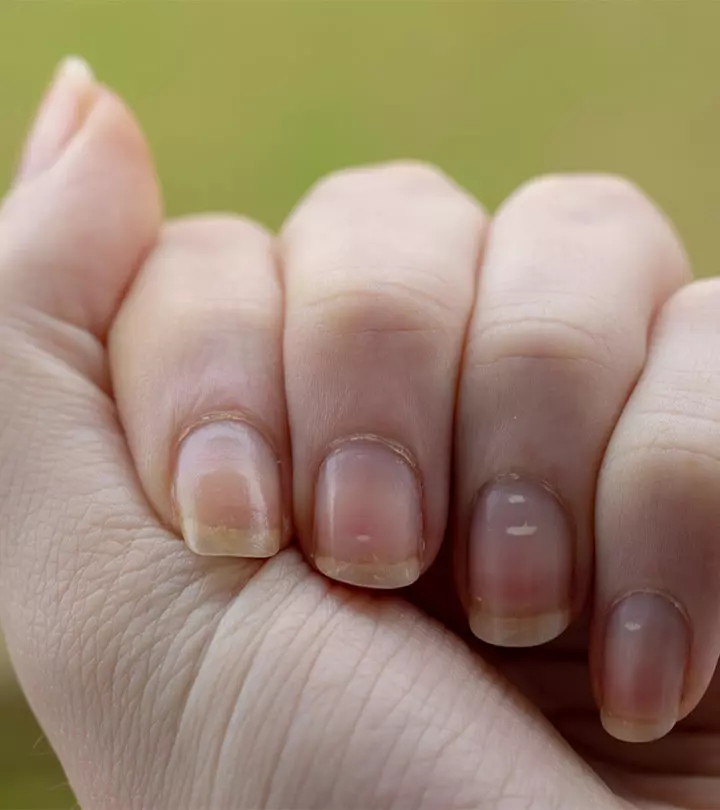
Severe Health Issues Indicated by White Marks
In some cases, white lines or patches on nails may indicate severe conditions:
Heavy Metal Poisoning: Exposure to heavy metals like lead or arsenic can result in “Mees’ lines,” white bands across the nail. If the entire nail appears white, it may indicate severe health issues and should be evaluated by a healthcare professional. Occupational or environmental exposure to heavy metals necessitates immediate medical attention.
Medications: Certain drugs, such as chemotherapy agents, may cause leukonychia as a side effect, appearing as transverse white lines. If white marks appear after starting a new medication, consult your healthcare provider.
Nail Bed and Nail Plate Disorders
Conditions affecting the nail bed or plate can also lead to white marks:
Nail Bed Conditions: The nail bed, which nourishes nail growth, can develop white patches due to conditions like leukoderma or nail trauma. Protecting the nails from repeated stress and injuries is essential for healthy nail beds.
Nail Plate Disorders: Disorders like psoriasis cause changes in nail texture, color, and appearance, often with white marks. Treating underlying nail plate disorders helps maintain a healthier nail structure. Additionally, heavy metal poisoning from substances like arsenic and lead can lead to the development of lines on nail plates, indicating potential health issues.
Skin Conditions Causing White Marks
Certain skin conditions indirectly impact nail appearance:
Psoriasis and Eczema: Skin conditions like psoriasis and eczema affect surrounding skin, causing inflammation, redness, and white nail discoloration. These conditions can also lead to spots on your nails, affecting their appearance. Proper management of these conditions can improve both skin and nail health.
Redness and Swelling: Skin conditions often lead to swelling and redness around nails, making them susceptible to infection. Regular moisturizing and gentle care can alleviate these symptoms.
Identifying Nutritional Deficiencies
Your nails often reflect your overall nutritional status, with white spots indicating possible deficiencies:
Vitamin Deficiencies
Vitamins like B12, biotin, and vitamin D are essential for healthy nails. A deficiency in B vitamins may lead to brittle nails, while vitamin D is crucial for calcium absorption, impacting nail strength.
Mineral Deficiencies
Zinc and iron deficiencies are commonly linked to white spots and brittle nails. Incorporating zinc- and iron-rich foods such as nuts, leafy greens, and lean meats supports nail health.
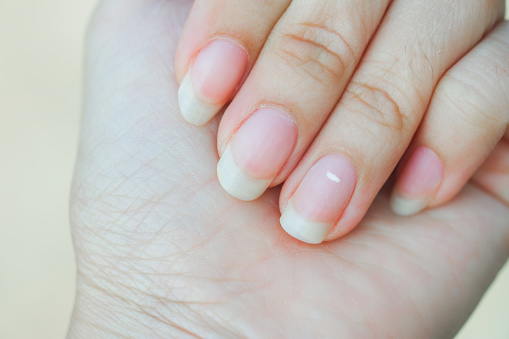
Diagnosis and Tests for White Marks
If white marks persist, a healthcare provider may recommend specific tests:
Physical Examination
An initial examination involves assessing white marks, medical history, and environmental or lifestyle factors contributing to nail changes.
Diagnostic Tests
Blood tests can reveal nutrient deficiencies or health conditions causing leukonychia. In rare cases, a nail biopsy may be needed to diagnose fungal infections or severe nail issues.
Treatment Options for White Marks
Effective treatment depends on the cause of white marks:
Fungal Infection Treatment
Antifungal medications, either topical or oral, are effective against fungal infections causing white marks. Persistent cases may require prescription treatments.
Correcting Nutritional Deficiencies
Supplements or dietary adjustments can address deficiencies manifesting as white marks on nails. Iron and zinc supplements are often recommended but should be taken under medical guidance.
Healing Nail Trauma
Avoiding habits that stress the nails, such as biting or rough filing, helps prevent trauma-related white marks. Using cuticle oils and moisturizing can also support nail recovery.
Nail Care and White Marks
Proper nail care is essential in preventing white marks on nails. Here are some practical tips to keep your nails healthy and free from white marks:
Keep Nails Trimmed and Filed: Regularly trimming and filing your nails helps prevent breaks and cracks that can lead to white marks.
Avoid Harsh Chemicals: Exposure to harsh chemicals or detergents can dry out your nails. Wear gloves when washing dishes, gardening, or engaging in activities that expose your hands to these substances.
Moisturize Regularly: Keeping your hands and nails hydrated with regular moisturizing can prevent dryness and maintain nail health.
Avoid Nail Biting and Picking: Biting or picking at your nails can cause damage and lead to white marks. Try to break these habits to protect your nails.
By following these tips, you can help keep your nails healthy and minimize the risk of white marks. If you do notice persistent white marks on your nails, it’s essential to consult a healthcare provider to rule out any underlying health issues.
Prevention of White Marks on Nails
Adopting healthy nail practices helps in preventing white marks:
Proper Nail Care
Regular trimming, gentle filing, and moisturizing are crucial for healthy nails. Avoiding rough tools and metal instruments minimizes trauma.
Use of Safe Nail Products
Choose hypoallergenic, non-toxic nail products to avoid allergic reactions. Using a base coat under polish helps protect the nail plate.
Healthy Habits
Nail-friendly habits like keeping nails clean and dry, wearing breathable footwear, and including nutrient-rich foods in your diet can prevent issues like fungal infections and nutrient-related white spots.
When to Seek Professional Help
Certain symptoms may indicate more serious issues, warranting professional advice:
Consulting a Dermatologist
Persistent white marks, nail thickening, or brittleness may signal systemic health issues. A dermatologist can provide specialized care for chronic nail problems.Early Diagnosis Benefits
Early diagnosis is key for managing systemic illnesses indicated by nail changes. Seeking professional guidance promptly ensures timely intervention.
FAQs about White Marks on Nails
While calcium deficiency is often cited, zinc and iron deficiencies are more commonly linked to white marks.
White lines, or leukonychia, can result from nail trauma, nutrient deficiencies, or systemic health issues.
Usually a sign of minor trauma or an allergic reaction, a single white patch may also indicate a fungal infection.
A horizontal white stripe may be caused by trauma or health issues, like heavy metal poisoning.
Nails may appear mostly white with a pink band at the tip, known as “Terry’s nails.”
White spots are often due to trauma, allergic reactions, or zinc deficiency.
Dehydration can make nails brittle, making them more prone to damage but is not a direct cause of white spots.
Zinc deficiency may cause white spots, brittle nails, and slow growth.
Key Takeaways for Nail Health
White marks on nails can stem from trauma, deficiencies, allergies, or health conditions. Maintaining healthy habits, including a balanced diet and proper nail care, can prevent these marks. For persistent or unusual changes, consulting a healthcare provider can aid in diagnosing and addressing underlying causes early.


