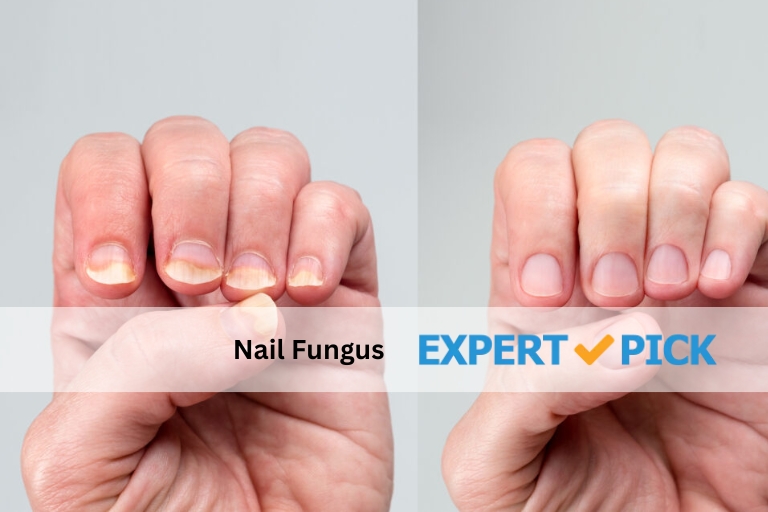
Nail fungus, also known as onychomycosis, is a widespread condition affecting millions worldwide. Characterized by discolored, thickened nails, it can cause discomfort, embarrassment, and even long-term damage if not treated properly. Most people encounter nail fungus due to various factors, including nail injuries, exposure to moist environments, or a weakened immune system.
In this blog post, we’ll delve into what causes nail fungus, the most effective treatments available, preventive measures, and frequently asked questions to give you a complete understanding of this common issue. Whether you’re dealing with toenail fungus or looking for ways to maintain healthy nails, this guide has got you covered.
What is Nail Fungus?
Nail fungus, or onychomycosis, is a fungal infection that can affect the nail bed, nail plate, or surrounding skin. The infection can occur in both fingernails and toenails, though toenail fungal infections are more common due to the warm, dark environment that shoes create—ideal for fungi to thrive. Fungi that cause nail infections feed on keratin, the protein that makes up your nails.
Symptoms of Fungal Nail Infection
The symptoms of a fungal nail infection can vary based on the type of infection, but they typically start mild and become more noticeable over time.
Initially, you might see a small white or yellow spot under the nail. As the infection progresses, this discoloration can spread, causing the entire nail to turn white, yellow, green, or even black.
Other symptoms include:
Thickened nails, making them difficult to trim.
The nail may start to curl upward or downward, or loosen from the nail bed.
Your nails might become brittle, easily crumbling when touched.
The nail may take on a misshapen appearance.
In more severe cases, you may notice a bad odor coming from the infected nail.
These infections often start mild but can worsen over time, leading to more significant problems, including pain, difficulty walking, and permanent damage to the affected nail if left untreated. This makes prompt and effective treatment crucial.

Causes and Risk Factors of Nail Fungus
Fungal nail infections are primarily caused by dermatophytes, fungi that thrive in warm, moist environments. Other types of fungi, like yeast and non-dermatophyte molds, can also infect the nails. Nail infections can develop through direct contact with fungi in public places like locker rooms, swimming pools, or shared nail tools at a nail salon.
Risk Factors Include:
Moist environments: Wearing shoes that keep your feet damp or walking barefoot in public areas.
Nail injuries: Small cuts or trauma to the nail or surrounding skin can allow fungi to enter.
Weakened immune system: Conditions such as diabetes or liver disease can increase susceptibility.
Athlete’s foot: This common fungal skin infection can spread to your toenails if left untreated.
Wearing nail polish: Prolonged use of nail polish can trap moisture, creating an ideal environment for fungi to grow.
Types of Fungal Nail Infections
Not all nail infections are the same. The type of infection often dictates the best course of treatment:
Distal subungual onychomycosis: The most common form, affecting the tip of the nail and spreading towards the cuticle.
White superficial onychomycosis: This type causes white spots on the nail surface.
Proximal subungual onychomycosis: Less common and usually affects individuals with weakened immune systems, starting at the cuticle and spreading outward.
Candida nail infections: Caused by yeast, usually impacting nails already damaged by injury or other infections.
How to Treat Fungal Nail Infection
Treating nail fungus can be challenging because the infection occurs beneath the nail, making it hard for topical treatments to reach. However, several effective treatments are available, and their effectiveness depends on the severity of the infection and the type of fungus.
1. Topical Treatments
For mild infections, antifungal creams and medicated nail polish may help. These topical treatments include ciclopirox or efinaconazole, which are applied directly to the infected nail. However, these treatments often take several months to show results and may not be as effective for more severe infections.
2. Oral Antifungal Medications
Oral antifungal drugs like terbinafine and itraconazole are commonly prescribed for more stubborn infections. These drugs help your nails grow free of infection, gradually replacing the infected nail. Treatment typically lasts 6 to 12 weeks, but you may not see the final result until the new nail grows fully—up to 6 months or more.
3. Laser Treatments
Laser treatments are a newer option that directly targets the fungus beneath the nail. Lasers can penetrate the nail without damaging the surrounding tissue. Multiple treatments may be needed, and while effective, laser treatments can be costly and are not always covered by insurance.
4. Natural Remedies
Some home remedies, such as tea tree oil, Vicks VapoRub, or apple cider vinegar, are frequently mentioned as alternatives. While some people claim these remedies help treat nail fungus, clinical evidence is limited. It’s essential to consult a healthcare provider before trying home remedies, especially if you have a severe infection.
5. Nail Removal
In severe cases, where the nail is heavily infected and causing pain, surgical or chemical removal of the infected nail may be necessary. This allows the doctor to treat the nail bed directly and, over time, a healthy nail may grow in its place
Prevention of Nail Fungus
Preventing nail fungus is easier than treating it. By taking proactive steps, you can lower your risk of developing toenail fungus or other fungal infections.
Tips for Prevention of fungal Infection:
Practice good foot hygiene: Wash and dry your feet thoroughly every day, especially between your toes.
Wear shoes in public places: Avoid walking barefoot in locker rooms, pools, or showers.
Keep nails trimmed: Trim nails straight across to avoid injury.
Disinfect tools: Sterilize your nail clippers, files, and other nail tools before each use.
Avoid wearing nail polish for extended periods, as it can trap moisture and promote fungal growth.
Wear breathable shoes: Choose shoes that allow air circulation and avoid socks that trap moisture.
Complications of Untreated Nail Fungus
Leaving nail fungus untreated can lead to several serious issues beyond cosmetic concerns. Here are some key complications:
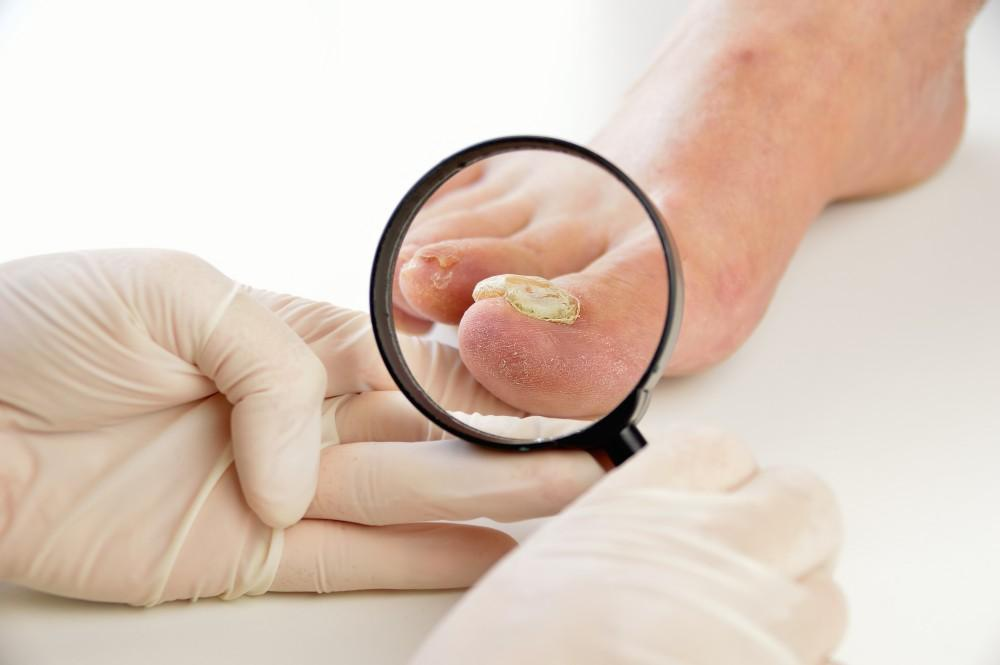
Permanent Nail Damage: Untreated fungal infections can cause thickening, cracking, and deformation of the nails, leading to permanent nail loss or damage.
Spread of Infection: The fungus can spread to other nails, surrounding skin, or even lead to conditions like athlete’s foot. In some cases, it can also cause bacterial infections like cellulitis.
Increased Pain: As the infection worsens, it can cause pain, especially when walking or wearing shoes. Severe infections can lead to blisters or ulcers.
Complications in Diabetes: People with diabetes or weakened immune systems are at a higher risk of severe complications, such as foot ulcers, which can lead to infections requiring amputation.
Difficulty in Treatment: The longer nail fungus is left untreated, the harder it becomes to cure. In advanced cases, treatments may be less effective, and nail removal might be necessary.

FAQs about Nail Fungus
The most effective treatment for nail fungus is often a combination of oral antifungal medications and topical treatments. Laser treatments are another option, and some home remedies may provide relief, though they are less effective.
Nail fungus is typically caused by dermatophytes, which are fungi that thrive in warm, moist environments. Contributing factors include poor foot hygiene, wearing tight shoes, and a weakened immune system.
Oral antifungal medications such as terbinafine and itraconazole are the fastest proven treatments. Laser treatments are also effective, but multiple sessions may be required.
Trimming the infected part of the nail can help manage symptoms, but it won’t cure the infection. You’ll need antifungal treatments to eliminate the fungus completely.
Untreated nail fungus can lead to permanent nail damage, pain, and even the spread of the infection to other parts of the body. It can also cause complications for people with diabetes or weakened immune systems.
Yes, toenail fungus can be contagious. It spreads through direct contact with an infected person or by sharing contaminated tools like nail clippers or walking barefoot in public areas like pools or showers.
Don’t Wait to Treat Nail Fungus
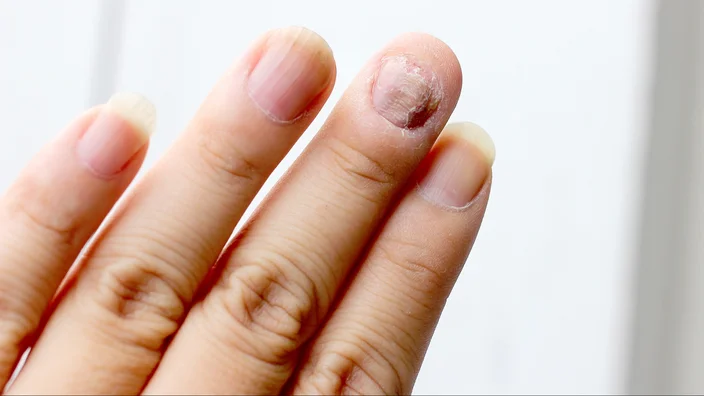
Nail fungus is not just a cosmetic issue—it can lead to long-term discomfort and serious complications if left untreated. Fortunately, there are several effective treatment options available, from oral antifungal medications and laser treatments to preventive measures like foot hygiene and disinfecting tools.
If you suspect you have a fungal nail infection, it’s crucial to act quickly. Consult with your healthcare provider for a proper diagnosis and the best course of treatment. Remember, prevention is always better than cure, so take care of your feet and nails to avoid future infections.
Ready to take action against nail fungus? Schedule an appointment with a podiatrist or dermatologist today to discuss the best treatment options for you.