


As artificial intelligence (AI) technology advances, its impact on social media becomes increasingly profound. From automating repetitive tasks to providing valuable insights into audience behavior, AI is revolutionizing how brands, influencers, and users interact across social platforms. With millions of social media posts shared daily, standing out in a crowded digital space can be challenging. This is where artificial intelligence for social media comes in, offering tools and insights that enhance engagement, improve content strategies, and streamline the entire social media workflow.

In this comprehensive guide, we’ll explore how AI transforms social media management, from content creation and scheduling to personalized audience targeting. Whether you’re a business looking to increase engagement or a social media manager seeking efficient solutions, this guide will show how AI can boost your social media game and help you reach new heights of digital success.
What is Artificial Intelligence for Social Media?
Artificial intelligence for social media refers to the application of machine learning, natural language processing, and other AI technologies within social media platforms. AI enables platforms to analyze user behavior, predict engagement trends, and automate content creation. By understanding user preferences and analyzing content performance, AI-powered tools can assist in creating a customized, engaging social media experience.
For marketers and social media managers, AI provides actionable insights into audience behavior, allowing them to design posts and campaigns that resonate more deeply with their target audience. It also helps save time by automating scheduling, content generation, and data analysis, making it an invaluable asset in today’s fast-paced digital environment.
Key Benefits of Using Artificial Intelligence for Social Media
Artificial intelligence brings several key benefits to social media management, transforming how brands interact with their followers. Here’s a closer look at some of the main advantages:
- Enhanced Audience Engagement: AI helps identify the types of content that resonate most with audiences, boosting engagement through tailored recommendations.
- Improved Content Strategy: AI tools can provide data-backed insights, enabling businesses to craft a targeted social media content strategy that aligns with audience preferences.
- Increased Efficiency and Automation: From social media scheduling to automated responses, AI can manage repetitive tasks, allowing social media managers to focus on creative strategy.
By leveraging these benefits, brands can build stronger connections with their audiences, create impactful social media posts, and enhance the overall success of their digital campaigns.
AI Tools for Social Media Management
The market is filled with AI-powered tools that assist in various aspects of social media management. Here are a few top options:
- Hootsuite and Sprout Social: These tools use AI for scheduling posts, tracking analytics, and automating responses, making it easier to manage multiple social media channels.
- Buffer: Known for its user-friendly interface, Buffer provides AI-driven insights to determine the best times to post on different social media platforms.
- Lately: Lately uses AI to generate social media posts from long-form content, helping brands repurpose their existing content more effectively.
These AI tools streamline social media management by providing automated solutions for scheduling, engagement tracking, and even content generation.
AI-Powered Content Creation for Social Media
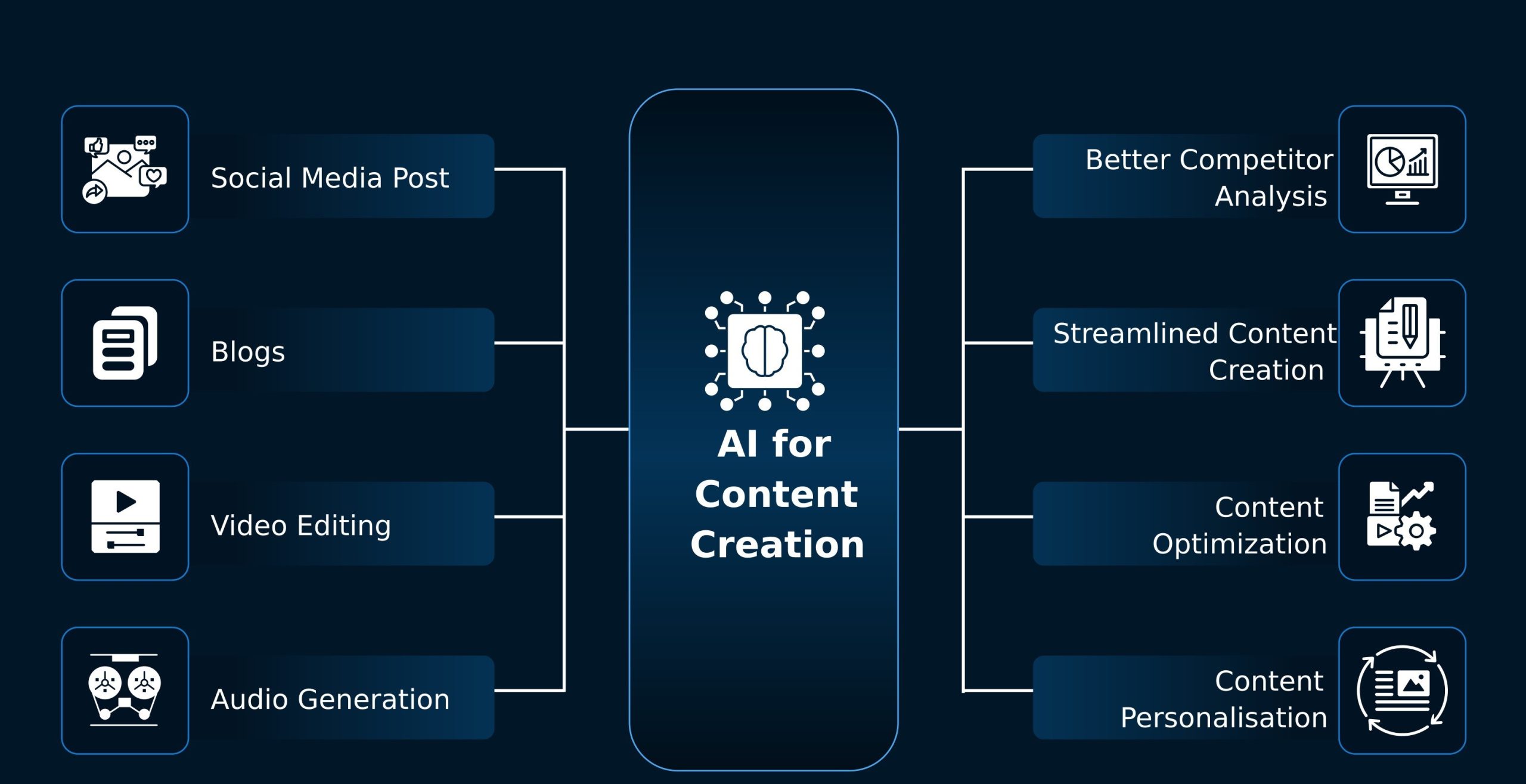
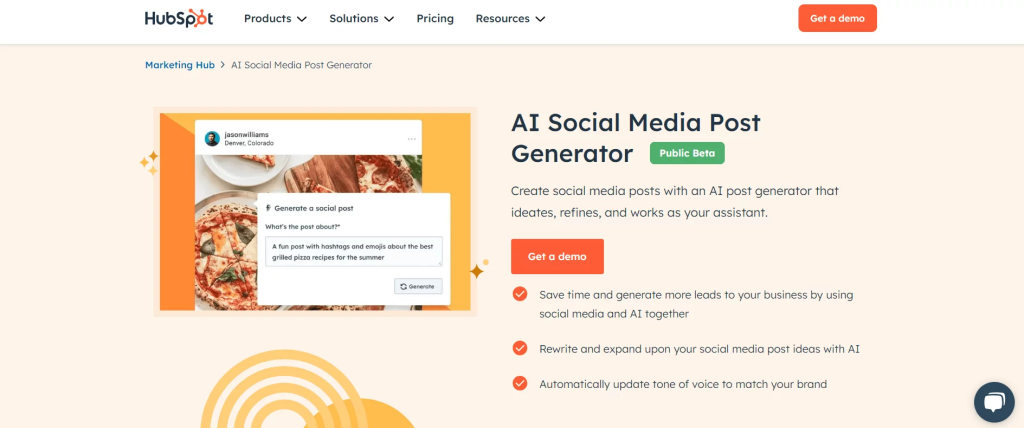
Creating engaging and relevant social media content can be challenging, but AI tools simplify the process. With AI-powered content generators, brands can create posts that resonate with their audiences in just a few clicks. These tools analyze trending topics, previous engagement data, and user behavior to create content that aligns with audience interests.
Popular AI content creation tools include Jasper for text-based posts and Canva’s AI-based design features for stunning visuals. These tools are perfect for creating engaging, on-brand content that keeps your social media game strong.
Enhancing Social Media Strategies with AI
Developing an effective social media strategy requires a deep understanding of audience behavior, market trends, and brand positioning. AI takes social media strategy to the next level by analyzing vast amounts of data to uncover patterns and insights. For example, AI can predict which type of posts will perform well and suggest optimal posting times.
By implementing an AI-driven social media content strategy, brands can refine their campaigns to be more impactful and targeted, ultimately leading to a higher return on investment (ROI) and greater brand loyalty.
AI and Social Listening: Understanding Your Audience Better
Social listening involves monitoring social media channels for mentions of a brand, industry, or specific topics. AI-powered social listening tools help brands stay on top of these conversations in real time. By tracking brand mentions, AI enables companies to respond quickly, addressing customer feedback and improving brand sentiment.
Tools like Brandwatch and Sprinklr use AI to analyze social media conversations, offering insights into audience sentiment and industry trends. This helps businesses make informed decisions based on what people are saying online.
Leveraging Natural Language Processing (NLP) in Social Media
Natural Language Processing (NLP) is a branch of AI that enables machines to understand and interpret human language. In social media, NLP is used to analyze the language used in posts, comments, and messages, allowing brands to respond in a way that feels authentic and engaging. NLP can also detect sentiment, identifying whether a post is positive, negative, or neutral.
Brands like Twitter and Facebook use NLP to monitor user sentiment and improve the relevance of content. This helps in creating a positive user experience and fosters meaningful connections with audiences.
AI Algorithms and Personalization in Social Media Marketing
AI algorithms are the backbone of personalization on social media. They help platforms and brands deliver relevant content to users based on their past behavior, interactions, and preferences. This personalized approach increases engagement by showing users content that aligns with their interests.
Platforms like Instagram and TikTok use AI algorithms to recommend content, making users more likely to engage. This not only benefits the platform but also helps brands reach the right audience with the right message.
AI in Social Media Content Generation and Post Ideas
Generating fresh content ideas can be a challenge for even the most creative marketers. AI simplifies this by providing post ideas based on trending topics and audience interests. Tools like BuzzSumo and AnswerThePublic can generate post ideas tailored to current trends and user needs, helping brands maintain a dynamic and engaging content calendar.
By using AI-generated post ideas, brands can ensure that their content remains relevant and engaging, attracting a wider audience.
AI-Powered Image and Video Editing Tools for Social Media Posts
Visual content is essential on social media, and AI-powered editing tools have made it easier than ever to create high-quality visuals. Tools like Adobe Spark, Lumen5, and InVideo offer AI-driven video and image editing features that enhance the visual appeal of social media posts.
These tools allow users to create eye-catching videos and images that capture attention and improve engagement, especially on visual-heavy platforms like Instagram and Pinterest.

Using AI for Social Media Caption Generation
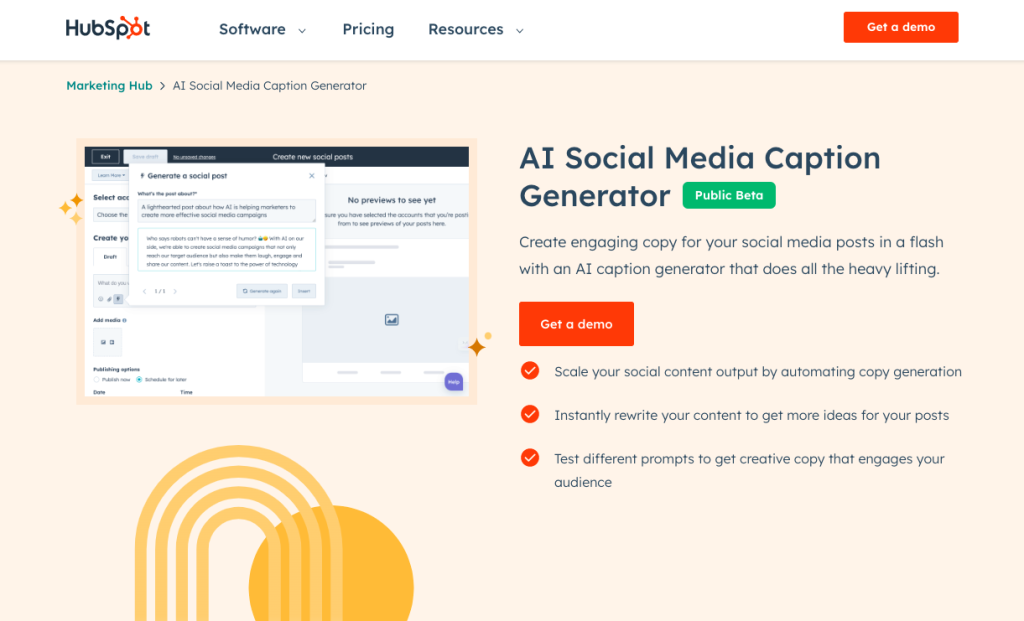
Captions play a significant role in social media engagement, providing context and inviting interaction. AI tools such as Copy.ai and Writesonic can generate creative and on-brand captions that capture a brand’s tone and appeal to its audience.
AI-generated captions save time and can reduce writer’s block, allowing marketers to focus on overall strategy. With engaging captions, brands can boost engagement and attract more interactions on their posts.
AI in Audience Targeting and Customizable Templates
Knowing your audience is key to social media success, and AI helps achieve this through precise audience targeting. AI-powered tools like Google Audience Targeting use machine learning to analyze user data, allowing brands to reach specific audience segments with tailored content.
Customizable templates also make it easier for brands to create content that resonates with different audience demographics, streamlining the content creation process.
Creating Social Media Content Calendars with AI
A well-planned content calendar is essential for maintaining a consistent social media presence. AI tools help organize and schedule posts in advance, ensuring that content is published at optimal times. Tools like CoSchedule use AI to recommend the best posting times and automate content distribution.
By maintaining an organized content calendar, brands can ensure that their social media strategy aligns with audience needs and maximizes engagement.
AI for Real-Time Audience Insights and Valuable Analytics
AI is invaluable for gathering real-time insights into audience behavior. Analytics tools powered by AI, like Socialbakers and Sprinklr, track metrics such as engagement rate, audience demographics, and sentiment analysis. These insights are essential for fine-tuning social media strategies and crafting content that resonates with followers.
Real-time insights allow brands to adjust their strategies dynamically, improving engagement and optimizing content performance based on user feedback.
AI and Social Media Post Scheduling: Saving Time and Maximizing Impact
Automating post scheduling is one of AI’s most practical applications for social media managers. Scheduling tools like Later and Zoho Social streamline the process, ensuring that posts are published consistently without manual intervention. Regular posting increases visibility and engagement, helping brands maintain a strong presence on social media.
Enhancing Marketing Campaigns with AI-Driven Content
Artificial intelligence has transformed marketing campaigns on social media by enabling brands to optimize content in real-time based on audience responses and engagement metrics. AI-driven content allows marketers to adapt their campaigns to current trends, ensuring higher relevance and impact. For example, platforms like Facebook and LinkedIn use AI to analyze which types of content yield the best engagement, allowing brands to allocate resources to the most effective content.
Real-world examples show that AI-driven campaigns often achieve a significantly higher return on investment (ROI) than traditional methods. By using AI to analyze metrics and refine marketing strategies, brands can better connect with their target audience, maximize visibility, and ultimately improve their campaign outcomes.
AI for Predictive Analytics in Social Media Marketing
Predictive analytics, driven by AI, takes social media marketing to the next level by forecasting future engagement trends based on historical data. This allows brands to make data-backed predictions about the types of posts, topics, and times that will yield the most engagement. Predictive analytics is especially valuable for tailoring content to match user behavior patterns, maximizing the reach and effectiveness of each post.
With tools like HubSpot and IBM Watson, marketers can analyze and predict trends in user interactions, brand sentiment, and engagement metrics. These insights help brands craft a proactive social media content strategy, ensuring they stay ahead of competitors and consistently engage their audience.
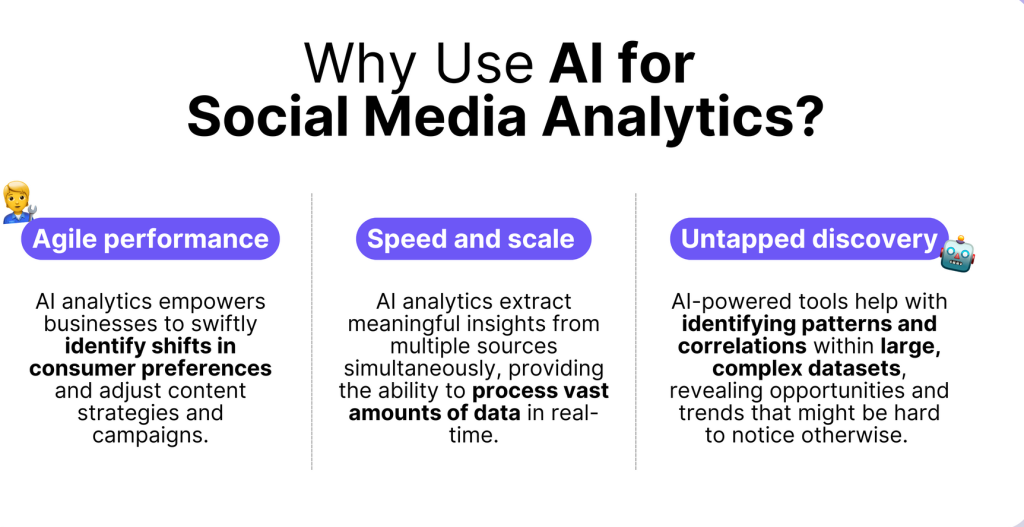
AI and User Preferences: Crafting Personalized Social Media Experiences
AI-powered algorithms play a crucial role in crafting personalized social media experiences that align with user preferences. Platforms like Instagram, Twitter, and YouTube use AI to curate content feeds that reflect a user’s interests, ensuring that each individual sees content tailored to their tastes. For brands, this presents an opportunity to deliver more relevant content directly to their audience, increasing the likelihood of interaction.
By analyzing data from previous engagements, AI can recommend specific types of content for each user, such as images, videos, or articles, making it easier for brands to connect with the right audience at the right time.

AI in Video Creation and Editing
Video content has become an essential component of social media marketing, and AI-powered tools make creating high-quality videos easier and more accessible. Tools like Lumen5, Animoto, and InVideo provide AI-driven video editing features, allowing brands to create professional-looking videos without requiring extensive technical skills. These tools offer features such as automated scene selection, text-to-video conversion, and even video optimization for specific platforms.
By using AI-driven video creation tools, brands can produce engaging video content that resonates with audiences, capturing their attention on video-centric platforms like TikTok, Instagram, and YouTube.
AI-Powered Chatbots: Improving Customer Support
AI-powered chatbots are transforming customer support on social media, allowing brands to engage with their audience 24/7. Chatbots like Chatfuel and ManyChat provide instant responses to user inquiries, improving customer satisfaction and boosting engagement. These bots use AI and natural language processing to understand and respond to customer questions, assisting with everything from product inquiries to troubleshooting.
By incorporating chatbots into their social media strategies, brands can streamline customer service and create more meaningful connections with their audience.

AI for Analytics: Tracking Performance and ROI
Sm analytics are critical for understanding what works and what doesn’t in a social media strategy. AI-powered analytics tools like Sprinklr and Socialbakers offer in-depth insights into metrics such as engagement rates, audience demographics, and conversion rates. These tools use machine learning to provide actionable insights, enabling brands to track ROI and refine their social media strategies based on real-time data.
With AI analytics, brands can adjust their strategies dynamically, ensuring they stay aligned with audience preferences and market trends.
Social Media Content Calendars and Scheduling with AI
Consistency is key in SM marketing, and AI-powered scheduling tools make it easier to maintain a steady posting schedule. Tools like CoSchedule, Later, and Zoho Social use AI to recommend the best posting times and streamline scheduling across multiple platforms, ensuring that brands can maintain a consistent online presence without the need for manual intervention.
A well-organized content calendar also helps align posts with strategic goals, allowing brands to plan ahead and stay consistent in their messaging.
AI and Social Media Listening: Gathering Valuable Audience Insights
AI-powered listening tools like Mention and Brandwatch enable brands to track conversations and mentions across platforms, providing insights into what audiences are saying about their brand, competitors, and industry trends. This real-time information allows brands to understand customer sentiment and adjust their strategies accordingly.
By keeping a pulse on audience sentiment and trending topics, brands can refine their content and address potential issues proactively, improving their overall social media strategy.
Using AI for Content Optimization
AI tools like SEMrush and Surfer SEO analyze data to determine which types of content are most effective for social media, allowing brands to optimize their posts for maximum reach and engagement. These tools examine factors such as keyword usage, image selection, and audience behavior to provide insights that help brands improve the quality and relevance of their social media content.
By continuously optimizing their social media content, brands can ensure that their posts stay fresh, engaging, and aligned with audience interests.
The Role of Machine Learning in Social Media Marketing
Machine learning, a subset of AI, plays a significant role in social media marketing by enabling platforms to continuously improve based on user interactions. Algorithms on platforms like Facebook, TikTok, and YouTube use machine learning to analyze engagement data and refine content recommendations, keeping users engaged and improving the overall user experience.
For brands, this means that creating high-quality, engaging content is more important than ever, as platforms increasingly prioritize content that garners organic engagement.
AI and Image Recognition on Social Media Platforms
Image recognition technology allows AI to identify objects, people, and locations within photos. Platforms like Pinterest and Snapchat use AI-powered image recognition to enhance user experience by suggesting similar images or related content. For brands, this technology can be used to tag products in posts or recommend similar items, making it a powerful tool for increasing visibility and driving engagement.
AI-powered image recognition also helps brands monitor how their visual content is being used and shared, providing insights into user interactions with their imagery.
AI-Powered Influencer Marketing on Social Media Posts
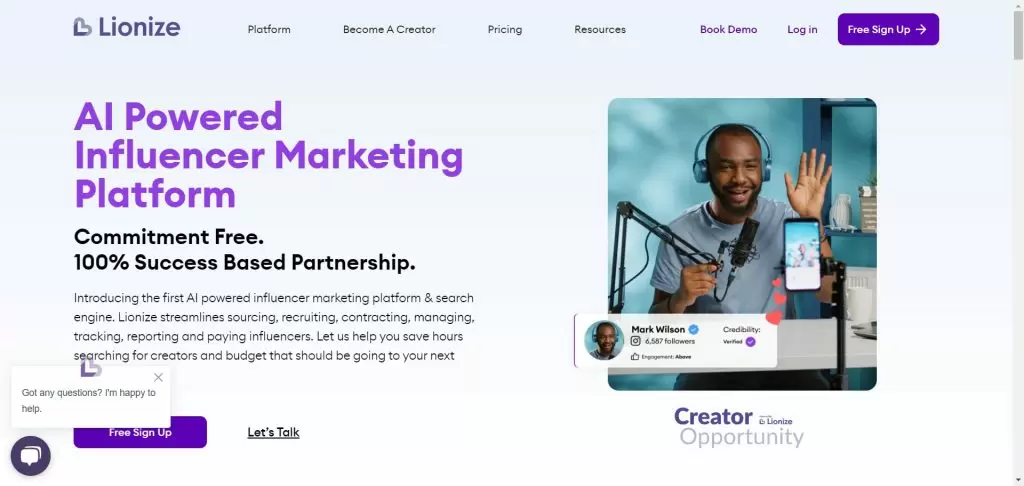
AI helps brands identify the right influencers for their campaigns by analyzing data such as engagement rates, audience demographics, and post performance. Tools like Influencity and Upfluence use AI to match brands with influencers who align with their goals and audience, improving the effectiveness of influencer marketing.
By leveraging AI in influencer marketing, brands can connect with influencers who resonate with their target audience, maximizing the impact of their campaigns.
AI in Audience Segmentation and Targeting
Audience segmentation is essential for delivering relevant content to specific groups within a brand’s broader audience. AI tools analyze user data to segment audiences based on factors like age, location, interests, and behaviors. This allows brands to create targeted content that speaks directly to each segment, increasing engagement and strengthening brand loyalty.
Audience targeting through AI ensures that brands reach the right people with the right content, enhancing their social media effectiveness.
AI and Competitive Analysis in Social Media
Understanding what competitors are doing on social media is crucial for staying ahead. AI-powered competitive analysis tools like Rival IQ and Sprinklr monitor competitor activity, providing insights into their content strategies, engagement rates, and audience demographics. Brands can use this information to refine their own strategies and differentiate their content.
By keeping an eye on the competition, brands can identify trends, fill gaps in their strategies, and improve their social media performance.
Enhancing Social Media ROI with AI Analytics
Calculating the return on investment (ROI) of social media campaigns can be challenging, but AI analytics tools simplify the process by tracking engagement metrics, conversions, and revenue generated from social media. Tools like Hootsuite and Buffer provide in-depth insights into campaign performance, allowing brands to adjust their strategies for better ROI.
With AI-powered analytics, brands can accurately measure the success of their social media efforts, justifying marketing investments and guiding future campaigns.
AI-Driven Content Curation on Social Media
Content curation involves sharing high-quality, relevant content created by others on your social media channels. AI tools like Curata and Feedly use algorithms to recommend content that aligns with a brand’s interests and audience, saving time while maintaining a consistent flow of valuable information.
Curated content can complement original posts, providing a well-rounded content strategy that keeps followers engaged and informed.
Future of Artificial Intelligence for Social Media
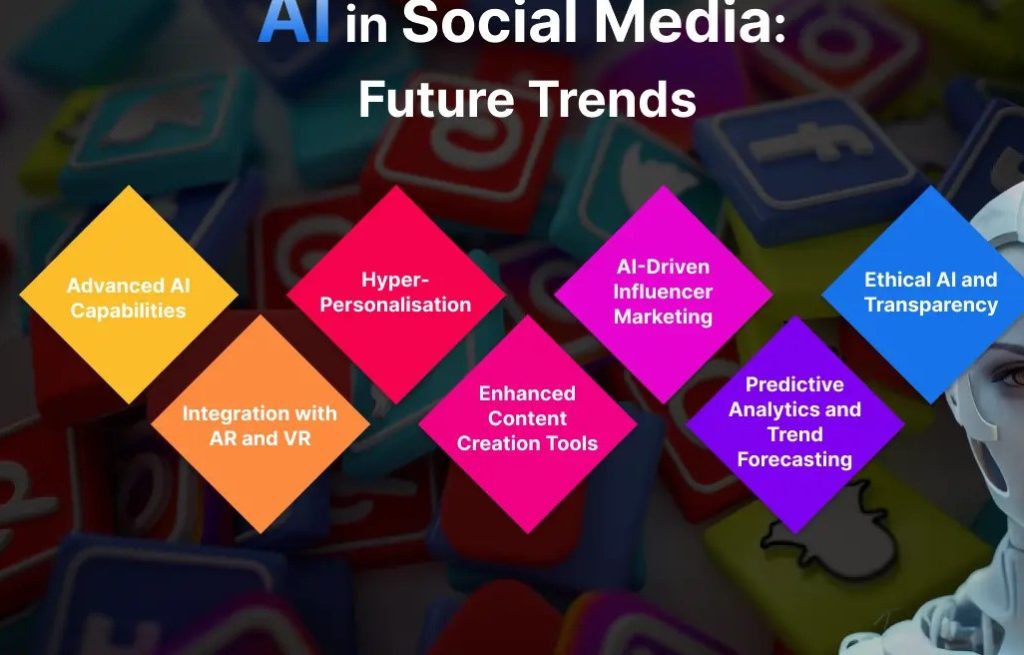
The future of artificial intelligence in social media looks promising, with emerging trends like virtual reality, augmented reality, and AI-powered voice search set to redefine the way brands engage with audiences. As AI technology continues to evolve, it will offer even more sophisticated tools for content creation, audience targeting, and data analysis, making it an indispensable asset in social media marketing.
Brands that adopt AI early on will have a competitive advantage, able to engage their audiences more effectively and create a more personalized experience.
FAQs about Artificial Intelligence for Social Media
Artificial intelligence enhances social media marketing by providing tools for content creation, audience targeting, and analytics. AI analyzes audience behavior to offer insights that help brands tailor their strategies, making content more relevant and increasing engagement. It also automates repetitive tasks like scheduling and social listening, which saves time and allows marketers to focus on high-level strategy.
Popular AI tools for social media management include Hootsuite, Buffer, Sprout Social, and Zoho Social. These tools offer features like post scheduling, audience insights, analytics, and even content generation, helping brands streamline their social media workflows and boost engagement across platforms.
Yes, AI can assist in creating engaging content for social media. Tools like Jasper, Copy.ai, and Canva use AI to generate text, images, and design elements for posts. These tools analyze audience preferences and industry trends, enabling brands to create content that resonates with their followers quickly and efficiently.
AI-powered social listening involves using AI tools to monitor and analyze conversations about a brand, product, or industry across social media. Tools like Brandwatch and Mention help brands understand customer sentiment, identify trending topics, and respond to feedback in real time, enhancing brand reputation and customer satisfaction.
AI improves audience targeting by analyzing data such as demographics, behavior, and preferences, allowing brands to segment their audience more accurately. This helps create personalized content that appeals to specific audience groups, leading to higher engagement and more effective campaigns.
Yes, AI-powered scheduling tools like Later, CoSchedule, and SocialBee help brands plan and schedule posts in advance, choosing the optimal times to maximize visibility and engagement. These tools analyze past performance data to recommend the best times to post, ensuring content reaches the target audience when they’re most active.
AI tools like Copy.ai and Writesonic can generate creative and engaging captions based on the content theme and brand voice. These tools help marketers overcome writer’s block and save time, providing caption suggestions that align with the brand’s messaging and appeal to the target audience.
Predictive analytics uses historical data to forecast future trends and engagement patterns. In social media marketing, predictive analytics tools like HubSpot and IBM Watson predict the types of posts, topics, and timing that will generate the most engagement. This helps brands create proactive strategies that align with audience interests.
Yes, AI tools like Lumen5, InVideo, and Animoto offer video editing features that make it easy to create professional-quality videos for social media. These tools use AI to suggest video templates, add subtitles, and even match music to the video’s theme, making video content creation accessible to all skill levels.
AI analytics tools like Socialbakers and Sprinklr provide insights into engagement metrics, conversions, and revenue generated from social media, helping brands calculate their ROI. These insights allow brands to identify high-performing content, optimize campaigns, and improve future social media strategies based on data-driven results.
AI-powered tools like Rival IQ and Brandwatch analyze competitor activities, engagement rates, and audience demographics. This competitive analysis provides valuable insights that help brands understand market trends, discover gaps in their strategy, and adjust their content to stand out from competitors.
Machine learning, a subset of AI, enables social media platforms to learn from user interactions and optimize content recommendations. For marketers, machine learning allows for enhanced personalization, ensuring that audiences see relevant content based on their interests and past behavior, which can improve engagement and brand loyalty.
Yes, AI tools like Upfluence and Influencity help brands find influencers who match their target audience by analyzing metrics like engagement, demographics, and niche relevance. This data-driven approach to influencer marketing improves the effectiveness of campaigns and ensures that brands collaborate with influencers who resonate with their audience.
AI algorithms on platforms like Instagram, Twitter, and Facebook analyze user behavior to deliver personalized content feeds. By identifying user preferences, AI can ensure that each person sees content that aligns with their interests, which enhances engagement and increases user satisfaction on the platform.
Yes, AI-powered content curation tools like Feedly and Curata recommend relevant articles, videos, and posts for sharing, allowing brands to maintain a consistent flow of curated content. Curating content helps brands stay relevant, keeps audiences engaged, and saves time by streamlining the research process.
The future of AI in social media marketing includes advancements in virtual and augmented reality, voice search, and hyper-personalization. As these technologies develop, AI will provide even more tools to create immersive, interactive experiences, making social media a more engaging platform for both brands and users.
Yes, AI tools like BuzzSumo and AnswerThePublic analyze trending topics and provide creative post ideas based on current trends and audience preferences. This helps marketers generate fresh content ideas that are relevant and engaging, keeping their social media channels dynamic and interesting.
AI-driven analytics tools analyze large volumes of data quickly, providing insights into engagement, demographics, and audience sentiment. These insights help brands refine their strategies, measure performance, and understand what content resonates with their audience, allowing for more effective and data-driven social media decisions.
Artificial intelligence is transforming the landscape of social media marketing, offering brands a range of tools to optimize their strategies, enhance engagement, and streamline operations. From content creation and audience segmentation to real-time analytics and customer support, AI empowers brands to connect with their audiences on a deeper level, ensuring long-term success in the digital world. As technology advances, AI will continue to reshape social media, opening new avenues for innovation and growth. By embracing AI today, brands can stay ahead of the curve, enhance their social media presence, and drive meaningful results.


