

A precious metals IRA account offers a unique way to diversify and safeguard your retirement savings with tangible assets. This type of specialized individual retirement account (IRA) allows you to hold physical metals like gold, silver, platinum bullion, and palladium. Unlike traditional assets, these metals provide stability during market volatility, inflation, and other economic uncertainties.
Whether you are new to precious metals or considering expanding your retirement account portfolio, this guide will cover everything you need to know about precious metals IRAs, gold IRAs, storage options, and tax considerations.

What is a Precious Metals IRA Account?
A precious metals IRA account is a type of self-directed IRA that allows you to hold physical assets in the form of precious metals like gold coins and platinum coins, offering an alternative to stocks, bonds, and mutual funds. This account is ideal for investors looking to secure their retirement with tangible assets that hold intrinsic value.

The Importance of Diversifying Your Retirement Accounts
Retirement accounts that include both traditional assets and precious metals are often more resilient against economic downturns. By diversifying, you create a balance that can weather various market conditions, securing your financial future against potential uncertainties.
The Basics of Gold IRAs and Precious Metals IRAs
A gold IRA is a specific type of precious metal IRA that focuses on gold, while a broader precious metals IRA can include other precious metals like silver, platinum, and palladium. Gold IRA accounts are popular due to gold’s historical stability, offering investors a reliable way to protect their wealth.
Why Hold Physical Metals in a Retirement Account?
Holding physical metals in a retirement account, such as gold coins or bullion, adds a layer of security that paper assets can’t offer. Physical precious metals retain intrinsic value, providing a hedge against inflation, currency devaluation, and market volatility.
Eligible Precious Metals for an IRA
Only IRS-approved precious metals are eligible for inclusion in a precious metals IRA. To qualify, gold coins, silver, platinum bullion, and palladium must meet specific purity standards, such as 99.5% for gold and 99.9% for silver. Always confirm eligibility when choosing metals.
The Role of Precious Metals Dealers
Precious metals dealers are essential in setting up a precious metals IRA. Dealers provide access to IRS-approved metals and handle transactions, ensuring you meet all compliance requirements. Working with reputable dealers protects your investments and ensures regulatory adherence.
Finding a Self-Directed IRA Custodian
To open a precious metals IRA, you need a self-directed IRA custodian. This custodian handles administration, compliance, and the secure storage of your metals. Reputable companies, such as Equity Trust, offer custodial services for precious metals IRAs.
The Difference Between Traditional and Self-Directed IRAs
A traditional IRA primarily invests in stocks, bonds, and mutual funds, while a self-directed IRA offers broader investment options, including precious metals. Both accounts offer tax-deferred growth, but self-directed IRAs give investors more control over their assets.

Precious Metals IRAs and Tax Benefits
A precious metals IRA provides significant tax advantages. Traditional IRAs offer tax-deferred growth, while Roth IRAs provide tax-free withdrawals. Understanding these tax benefits helps investors maximize their retirement savings.
Gold IRAs: A Specialized Individual Retirement Account
A gold IRA is a type of specialized individual retirement account focusing solely on gold. These accounts allow you to purchase gold and benefit from gold’s historical stability. A gold IRA provides a reliable option for those seeking a durable asset to preserve wealth.
Steps to Purchase Precious Metals for Your IRA
To purchase precious metals for your IRA, select a custodian, then choose a reputable dealer. The dealer will handle the purchase, while your custodian arranges secure storage in an IRS-approved depository to meet compliance standards.
Precious Metals Storage Requirements
The IRS mandates that precious metals owned in an IRA be stored in an approved depository. These depositories, such as the Delaware Depository Service Company, provide high security and insurance coverage to protect your assets.
Delaware Depository and Other Approved Storage Facilities
The Delaware Depository Service Company is a premier choice for precious metals storage, known for its high-security standards and IRS approval. This facility and other IRS-approved depositories offer secure and compliant storage solutions.
Physical Precious Metals vs. Paper Assets
Physical precious metals like gold and silver offer a tangible investment, holding value independently of market shifts. Unlike gold stocks or other paper assets, physical metals are unaffected by company performance, providing stability during market fluctuations.
Converting an Existing IRA to a Precious Metals IRA
If you have an existing IRA, you can roll over funds into a precious metals IRA through an IRA transfer. This process allows you to convert your assets into precious metals without incurring tax penalties, preserving wealth during economic downturns.
Common Metals Held in Precious Metals IRAs
A precious metals IRA can hold gold, silver, platinum, and palladium. Each of these precious metals serves as a hedge against inflation and economic instability, providing a reliable addition to your retirement portfolio.
Exploring Roth IRA Options with Precious Metals
A Roth IRA funded with precious metals offers tax-free withdrawals in retirement. This structure is beneficial for investors expecting to be in a higher tax bracket upon retirement, maximizing tax benefits on long-term investments in gold and other metals.

How to Pay Taxes on Precious Metals IRAs
Tax obligations for precious metals IRAs depend on the account type. Traditional IRAs are tax-deferred, while Roth IRAs grow tax-free. However, early withdrawals may incur IRS penalties, so it’s essential to understand these implications before accessing funds.
Required Minimum Distributions for Precious Metals IRAs
Once you reach age 72, required minimum distributions (RMDs) apply to traditional precious metals IRAs. These distributions may involve liquidating metals or taking in-kind distributions to meet the RMD requirements, depending on your custodian’s policies.
Precious Metals as a Hedge Against Inflation
Precious metals are known to act as a hedge against inflation, retaining value when the purchasing power of currency decreases. Many investors choose precious metals IRAs for this reason, as the tangible value of metals remains stable over time.
The Commodity Futures Trading Commission’s Role
The Commodity Futures Trading Commission (CFTC) regulates the precious metals market to ensure ethical practices. Reputable precious metals dealers adhere to these standards, giving investors confidence in the reliability and transparency of their investment.
Working with Precious Metals IRA Companies
Several companies, such as Birch Gold Group and American Hartford Gold, specialize in setting up precious metals IRAs. These companies handle the full range of services, from setting up the account to purchasing metals and arranging secure storage.
Buying Gold Coins and Bullion for Your IRA
Gold coins and bullion are popular options in gold IRAs. Coins like the American Eagle and Maple Leaf meet purity standards and are eligible for IRA storage, offering recognized and liquid assets for retirement.
IRA Custodian Fees and Associated Costs
Custodian fees are common with precious metals IRAs, covering account setup, management, and secure storage. Custodian account fees vary by provider, so it’s essential to compare costs to find a custodian that fits your budget and investment goals.
Inherited IRAs with Precious Metals
An inherited IRA holding precious metals offers lasting value to beneficiaries. A financial advisor can assist in structuring the IRA to meet estate planning goals, helping heirs avoid penalties and excessive taxes.
Precious Metals IRAs and Economic Uncertainty
During economic uncertainty, a precious metals IRA provides stability. Unlike equities, precious metals do not rely on company performance, allowing them to retain value during periods of market volatility and recession.
Using Precious Metals to Build Wealth
While precious metals are primarily stable, they can also appreciate over time, allowing investors to grow wealth. Bullion prices for metals like gold and silver often increase during inflationary periods, benefiting long-term retirement investors.
Choosing Between Physical Metals and Digital Gold
Physical metals offer tangible security, while digital gold and ETFs offer exposure without ownership. Many precious metals IRAs favor physical assets, giving investors peace of mind with assets stored in a secure depository.
Working with a Self-Directed IRA Custodian
Selecting a knowledgeable self-directed IRA custodian is key for managing a precious metals IRA. Custodians ensure IRS compliance and arrange secure storage, helping you avoid IRS penalties and protecting your investment.
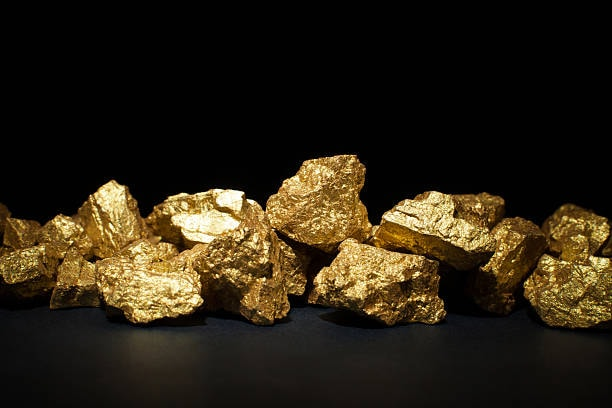
Gold Stocks vs. Physical Gold in IRAs
While gold stocks provide exposure to the gold market, they are subject to market volatility and company performance. Physical gold in a precious metals IRA offers a tangible investment unaffected by corporate fluctuations, making it an ideal choice for those prioritizing stability and asset security.
Can Precious Metals IRAs Include Silver, Platinum, or Palladium?
Yes, precious metals IRAs can hold other metals like silver, platinum, and palladium, offering diversification within your retirement account. These metals each have unique industrial applications, providing a hedge against different economic factors and reducing investment risk.
Diversifying with Precious Metals in Multiple IRAs
For those with multiple IRAs, including a precious metals IRA adds flexibility. Diversifying across various accounts allows investors to spread risk, and holding a mix of metals offers protection against market-specific downturns. With assets like platinum bullion and gold coins, a precious metals IRA provides robust portfolio balance.
The Role of Precious Metals in Preserving Retirement Assets
Precious metals have historically retained value over time, preserving wealth even during economic shifts. For retirement planning, metals like gold and silver help safeguard assets, making them ideal for long-term wealth protection in a precious metals IRA account.
Final Thoughts on Precious Metals IRAs
A precious metals IRA account offers a valuable way to secure and grow retirement assets. Whether you choose gold, silver, platinum, or palladium, investing in precious metals IRAs provides a stable, tax-advantaged method to hedge against inflation, currency devaluation, and market volatility. Unlike traditional paper assets, metals like gold coins and platinum bullion retain intrinsic value and offer lasting security.
With a self-directed IRA and a reputable custodian, you can effectively manage these investments within the rules, leveraging assets with reliable growth potential. Consider consulting with a financial advisor to confirm that a precious metals IRA aligns with your long-term retirement strategy. With careful planning, a precious metals IRA can serve as a resilient foundation for a secure retirement future.
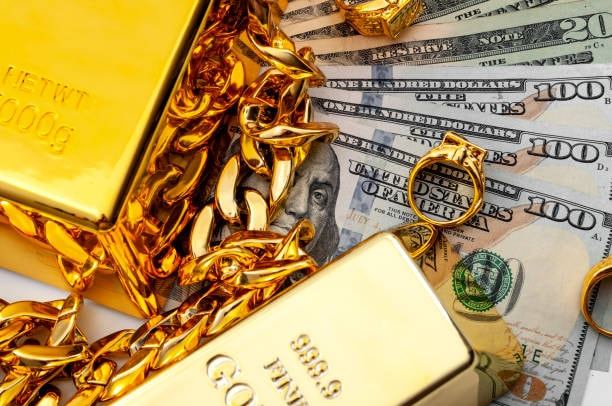
Potential Downsides of a Precious Metals IRA
While precious metals IRAs offer many benefits, there are some potential downsides to consider. First, custodian account fees and storage costs are typically higher than with traditional IRAs. Additionally, precious metals don’t generate income like dividends or interest, so returns are based solely on market appreciation. For some, limited liquidity compared to traditional assets may also be a drawback.
Balancing a Precious Metals IRA with Other Investments
A precious metals IRA can serve as part of a balanced retirement strategy. Many financial advisors recommend combining precious metals with other asset classes, such as stocks, bonds, or mutual funds. By integrating precious metals with traditional investments, you gain stability while taking advantage of growth potential in a broader portfolio.
Choosing the Best Gold IRAs
For those primarily interested in gold IRAs, selecting the right provider is crucial. The best gold IRAs offer competitive fees, secure storage options, and responsive customer service. Companies like Birch Gold Group and American Hartford Gold have earned positive reputations for their comprehensive services, helping investors purchase and store physical gold in IRS-compliant ways.
How to Buy Physical Gold for Your IRA
To buy physical gold for your IRA, start by working with an approved custodian and reputable dealer. After selecting your preferred gold assets, the dealer will arrange secure storage at an IRS-approved depository. Initial purchase requirements may vary, with some custodians setting minimum investment amounts, so it’s essential to verify these before opening an account.
Comparing Bullion Prices Before Investing
When investing in a precious metals IRA, comparing bullion prices can help you get the best value for your assets. Prices for gold, silver, and other metals vary by market demand and global economic conditions. Reputable dealers offer transparent pricing, allowing investors to make informed decisions on their initial purchase.
Initial Purchase Requirements for Precious Metals IRAs
Most custodians and dealers set an initial purchase requirement for precious metals IRAs. This minimum investment, which can range from $5,000 to $10,000 or more, helps investors start with a significant amount of precious metals, ensuring a solid foundation for long-term growth. Be sure to review these requirements with your chosen custodian.
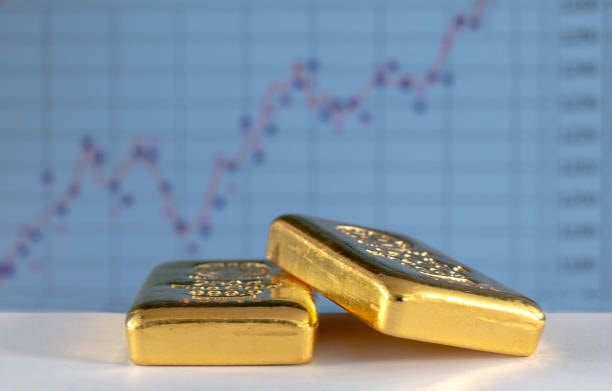
Working with Precious Metals Dealers for Future Investments
Precious metals dealers not only facilitate the initial purchase but also offer guidance on future investments. Whether you want to add platinum coins or diversify with other metals like palladium, working with an experienced dealer helps you adjust your portfolio according to market conditions and investment goals.
Tracking Bullion Prices to Maximize Returns
Staying informed on bullion prices is crucial for managing a precious metals IRA effectively. Market trends in gold, silver, and platinum can impact your investment’s value over time. By tracking these prices, investors can plan future purchases strategically, maximizing returns on their retirement accounts.
Avoiding IRS Penalties with Precious Metals IRAs
To avoid IRS penalties on a precious metals IRA, always adhere to withdrawal and distribution regulations. For instance, taking distributions before reaching the eligible age may incur penalties, as will storing metals outside an approved facility. Working with a reliable custodian ensures that you comply with IRS guidelines and avoid unnecessary fees.
Evaluating Investment Options in Precious Metals IRAs
A precious metals IRA offers diverse investment options beyond just gold. Silver, platinum, and palladium each add unique benefits to an IRA, from portfolio diversification to hedging against inflation. For a balanced strategy, consider spreading investments across these metals to maximize protection against economic shifts.
How to Hold Precious Metals in a Self-Directed IRA
A self-directed IRA allows investors to hold physical assets like precious metals, but specific requirements must be met. Working with a custodian helps investors hold precious metals in IRS-approved ways, including proper storage and documentation. This process keeps your investments secure and compliant with tax regulations.
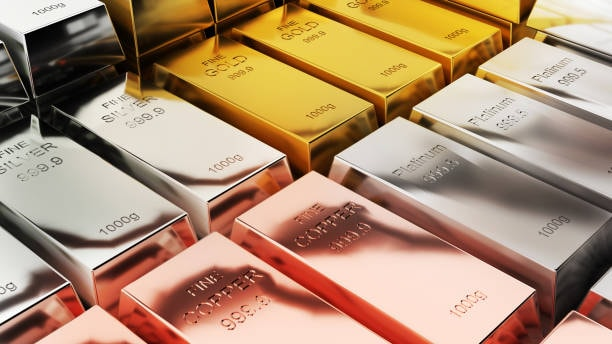
Considering Platinum Bullion for Diversification
Platinum bullion is an appealing choice for those looking to diversify within a precious metals IRA. Platinum’s unique applications in industries like automotive manufacturing make it less correlated to traditional assets, providing an additional hedge within a retirement portfolio.
Why Palladium and Other Metals Matter in an IRA
Palladium and other metals beyond gold and silver add value to a precious metals IRA. Known for its scarcity and industrial demand, palladium offers investors a way to balance exposure across different metals, which can reduce overall risk.
How Custodian Account Fees Affect Precious Metals IRAs
Custodian account fees for precious metals IRAs typically include charges for storage, setup, and maintenance. These fees vary by provider, and understanding them is key to managing costs. Some custodians offer tiered pricing based on investment amounts, allowing larger portfolios to benefit from reduced fees.
Precious Metals IRAs in Uncertain Economic Times
During uncertain economic times, a precious metals IRA offers financial stability. Investors often turn to tangible assets like gold coins and silver bullion to hedge against inflation, currency devaluation, and market volatility, which can erode traditional paper assets’ value.
Diversifying with Platinum Coins in Your IRA
Adding platinum coins to a precious metals IRA introduces further diversification. Platinum’s unique industrial uses can increase its demand, offering a valuable addition to an investment portfolio that’s centered on precious metals.
The Role of Gold IRA Accounts in Wealth Preservation
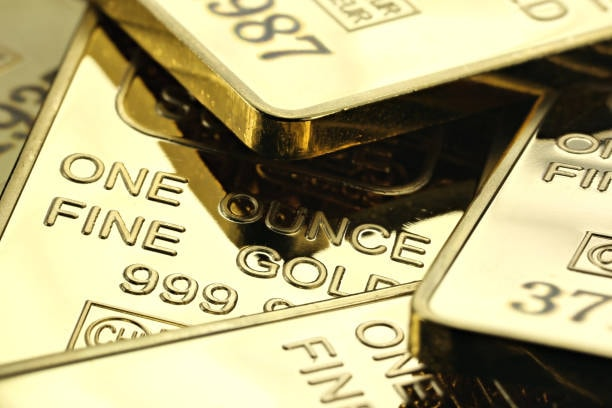
A gold IRA account is widely regarded as a cornerstone for wealth preservation. By focusing on gold’s intrinsic value, investors gain a buffer against economic shifts, making a gold IRA account a critical element in a well-rounded retirement plan.
Are Precious Metals IRAs Right for All Investors?
Not every investor may find a precious metals IRA suitable. Those with a long-term outlook and a preference for stability often benefit most from these accounts. For individuals seeking high growth or short-term returns, alternative investments might better align with their goals.
How to Safely Transfer IRA Funds to a Precious Metals IRA
Transferring IRA funds to a precious metals IRA is a straightforward process with the right guidance. Custodians can assist with IRA transfer procedures to ensure compliance with IRS rules. This direct transfer is tax-free, helping investors preserve wealth while converting to precious metals.
How Economic Conditions Affect Precious Metals IRAs
Economic conditions, such as inflation and currency fluctuations, can impact the value of a precious metals IRA. During periods of inflation, metals often retain or increase in value, providing a buffer for retirement assets against purchasing power loss.
Common Myths About Precious Metals IRAs
A few myths surround precious metals IRAs, such as the misconception that they’re only for wealthy investors. In reality, many custodians offer low minimums, making these IRAs accessible. Another myth is that precious metals are high-risk; however, their stability during economic downturns makes them a reliable choice for long-term investments.
The Importance of an IRS-Approved Depository
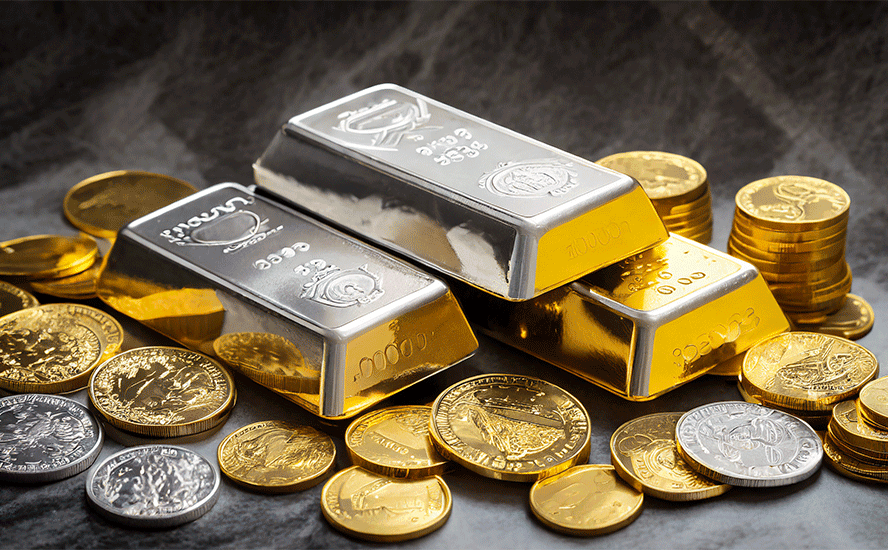
To meet IRS requirements, all metals in a precious metals IRA must be stored in an IRS-approved depository. These depositories provide insured, secure storage that protects against theft, loss, and damage, ensuring investors’ assets remain safeguarded.
Key Questions to Ask Before Opening a Precious Metals IRA
When considering a precious metals IRA, ask potential custodians about fees, storage options, and minimum investments. Also, verify their experience with precious metals and their policies on liquidating metals. This due diligence helps ensure a secure, informed investment.
Can You Hold Gold at Home in a Precious Metals IRA?
While some investors may want to hold gold at home, the IRS prohibits it for precious metals IRAs. Metals must be stored in approved depositories to comply with tax rules. Failure to follow these guidelines can lead to penalties and additional taxes.
The Long-Term Value of a Precious Metals IRA
A precious metals IRA account provides long-term value through its inherent stability and inflation resistance. Unlike paper assets, metals like gold and platinum offer protection from economic volatility, helping to secure your retirement portfolio’s purchasing power over time.
Key Takeaways for Precious Metals Investors
- Understand Your Options: Decide between a gold IRA, silver IRA, or a broader precious metals IRA.
- Select a Reputable Custodian: Choose a self-directed IRA custodian experienced in precious metals.
- Choose Approved Metals and Dealers: Only IRS-approved precious metals qualify, so work with a trusted dealer.
- Plan for Custodian Fees: Expect annual fees for account management and secure storage.
- Consider Tax Implications: Understand how traditional and Roth IRAs affect tax treatment.
FAQs About Precious Metals IRA Account
A precious metals IRA account is a self-directed IRA that allows you to hold physical precious metals like gold coins, silver coins, platinum bullion, and palladium. Unlike a traditional IRA that holds paper assets like stocks and mutual funds, a precious metals IRA provides an alternative investment option focused on tangible assets.
Only approved precious metals can be included in a precious metals IRA. These include gold, silver, platinum, and palladium with specific purity standards: gold (99.5%), silver (99.9%), and platinum and palladium (99.95%). Popular options include American Eagle coins, Canadian Maple Leaves, and other IRS-approved precious metals.
No, IRS regulations require that precious metals owned in an IRA be stored in an IRS-approved depository like the Delaware Depository or Delaware Depository Service Company. Home storage does not qualify, and improper storage can lead to IRS penalties and disqualification of tax benefits.
A precious metals IRA offers various tax advantages. With a traditional IRA, taxes are deferred until withdrawal, while a Roth IRA allows tax-free withdrawals in retirement. These benefits enable tax-efficient growth of your retirement assets while holding physical assets.
You’ll need a self-directed IRA custodian to open a precious metals IRA. Reputable custodians like Equity Trust and Birch Gold Group can assist with account setup, facilitate purchases, and arrange secure storage of your metals. Gold IRA companies and precious metals dealers can also guide you through the initial purchase requirement and help ensure IRS compliance.
Yes, funds from an existing IRA or 401(k) can be transferred to a precious metals IRA through a rollover IRA or IRA transfer. Custodians assist with this process to avoid taxes and penalties. Moving IRA funds to a precious metals IRA is an effective way to diversify your retirement accounts.
During economic uncertainty, precious metals IRAs offer stability due to the inherent value of metals like gold and silver. Physical gold and other metals are less affected by market downturns, providing a secure store of wealth in volatile times. Holding precious metals in an IRA can hedge against inflation, currency devaluation, and stock market fluctuations.
Custodian account fees cover account setup, management, and storage. Some custodians also charge custodian fees for secure storage in an IRS-approved depository. Comparing fees across custodians is essential, as they can impact the overall value of your retirement savings.
The initial purchase requirement for a precious metals IRA depends on the custodian and dealer. Some providers may set a minimum of around $5,000 to $10,000, while others require higher amounts. Check with your chosen custodian for specific requirements before committing.
Yes, in addition to gold and silver, you can hold platinum coins and palladium bullion in your IRA, subject to purity standards. These other precious metals offer diversification within a metals IRA, as each has unique industrial and investment properties that can add stability to your portfolio.
A Secure Investment for Retirement Stability
A precious metals IRA provides a solid investment option for those focused on stability, inflation protection, and long-term asset preservation. By holding assets like gold coins, silver bullion, platinum, and palladium in an IRA, you gain a hedge against economic shifts and market volatility, making it an ideal choice for a stable retirement portfolio.
With the assistance of a reputable custodian and precious metals dealer, you can effectively navigate the setup process, manage custodial fees, and adhere to IRS guidelines for secure storage. Precious metals IRAs offer the peace of mind that your retirement assets are backed by tangible resources with intrinsic value. Unlike paper assets that can fluctuate with the economy or suffer from inflation, physical precious metals have a proven history of maintaining value, making them a reliable cornerstone for long-term investment security.


