


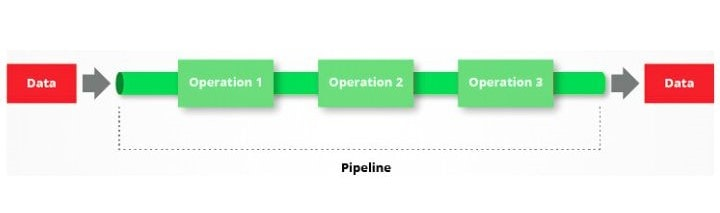
In the modern data landscape, data pipelines are essential for moving, transforming, and processing data between different systems. A data pipeline is a series of steps that automate the collection, processing, and storage of data from various sources to deliver insights and support data-driven decisions. Whether dealing with structured data from relational databases or unstructured data from text documents or sensor data, pipelines ensure a smooth and reliable data flow.
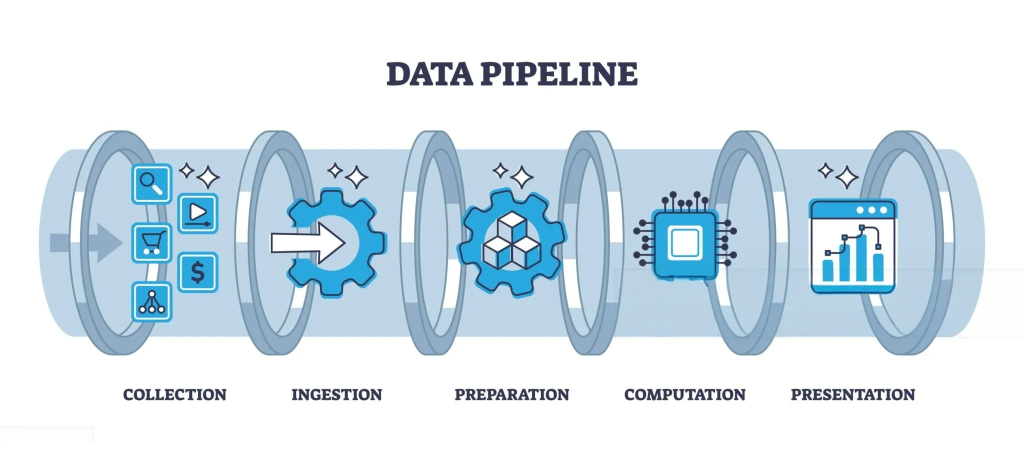
Data pipelines enable businesses to integrate data from multiple sources, transform it into usable formats, and load it into destinations such as data lakes or data warehouses. This automation streamlines data workflows, freeing up valuable time for data engineers and data scientists to focus on generating insights and business intelligence.
The Key Components of a Data Pipeline
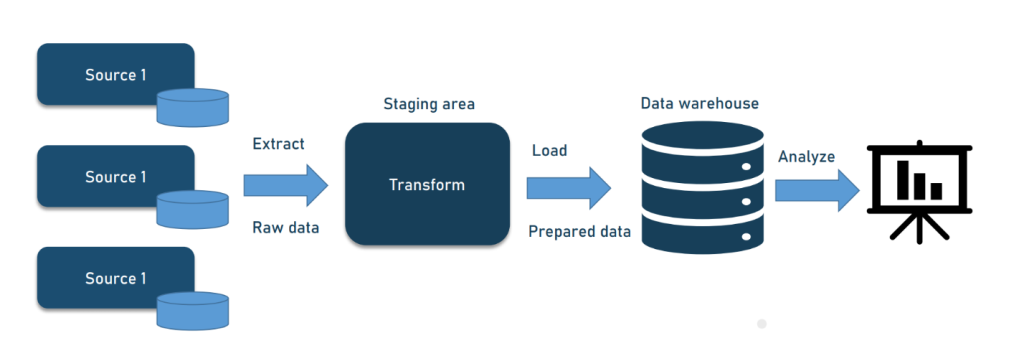
To understand the workings of a data pipeline, it’s essential to break down its core components:
Data Sources: The origin points where data is generated, including external data sources like APIs, databases, or cloud services.
Extraction: The process of pulling data from various sources. This involves data extraction techniques that efficiently collect and organize raw data from disparate systems.
Transformation: The step where data is cleaned, standardized, and formatted to ensure consistency and usability. Transforming data is key to ensuring consistent data quality across the pipeline.
Loading: Finally, data is loaded into target storage locations, such as data warehouses or cloud data lakes, where it can be accessed for analysis.
Data pipelines can vary based on their complexity and specific use cases, but these core components remain the foundation of any successful pipeline.

Types of Data Pipelines
Data pipelines can be classified into two primary types based on how they process data:
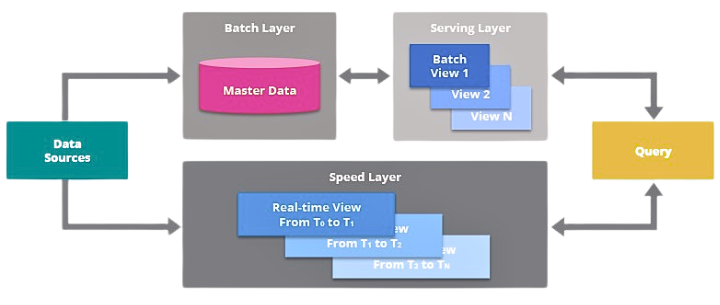
Batch Processing Pipelines: These pipelines operate on scheduled intervals, processing large volumes of data at set times (e.g., daily, weekly). Batch processing is ideal for data that doesn’t need to be processed in real-time, such as large-scale analytics or reporting tasks.
Streaming Pipelines: Unlike batch processing, streaming pipelines work in real time, processing data as it arrives. This is particularly useful for applications that require up-to-the-minute data, such as real-time analytics, fraud detection, or IoT sensor data processing.
The choice between batch and streaming pipelines depends on the business’s requirements, with many enterprises using a combination of both to handle different types of data efficiently.
Data Pipeline Architecture
Data pipeline architecture is the backbone of any data integration and analytics process. It dictates how data moves from its source to the destination, ensuring that the flow is efficient, scalable, and secure. Some key architectural components include:
Data Ingestion Tools: These tools collect raw data from various data sources and feed it into the pipeline.
Data Transformation Tools: This layer handles data cleaning, formatting, and standardization, ensuring that the data is usable for downstream processes.
Storage Solutions: The final destination for processed data, such as a cloud-based data warehouse or a cloud data lake. Cloud solutions are particularly popular due to their scalability and flexibility.
A well-designed architecture ensures smooth data processing and guarantees that both batch and real-time data can be handled efficiently.
Data Lakes vs. Data Warehouses: What’s the Difference?
As companies collect more data, they often debate whether to use a data lake or a data warehouse for storage. Both have their advantages, but the choice largely depends on how data will be used:
Data Lakes: These are storage systems designed to hold unstructured data in its raw form. A data lake is ideal for businesses that want to store vast amounts of diverse data for future use, as it provides a flexible environment for data scientists and engineers to experiment with.
Data Warehouses: In contrast, a data warehouse stores structured data, which has already been processed and optimized for analysis. It’s perfect for generating business insights and supporting business intelligence platforms, as it allows for quick queries and analysis.
While data lakes offer flexibility and scalability, cloud data warehouses provide faster access to actionable insights, making them more suitable for business intelligence needs.
Ensuring Consistent Data Quality in Data Pipelines
Maintaining consistent data quality is one of the most critical aspects of a data pipeline. Data quality issues can arise from duplicate data, missing fields, or errors during extraction or transformation. Poor data quality leads to inaccurate insights, which can negatively affect business decisions.
To ensure data quality in a pipeline, businesses should implement data monitoring tools to track the flow of processed data and identify issues before they reach the analysis stage. Additionally, automating data cleansing processes, such as removing duplicates or filling in missing fields, can help maintain a high standard of data quality.
Handling Structured, Unstructured, and Sensor Data
Data pipelines are designed to handle various types of data:
Structured Data: This includes data that fits neatly into databases, such as transaction records or customer profiles.
Unstructured Data: Data that doesn’t follow a predefined format, like emails, social media posts, or documents. Handling unstructured data requires advanced processing techniques to extract useful information.
Sensor Data: With the rise of the Internet of Things (IoT), sensor data from devices and machines is becoming increasingly important. Pipelines must be capable of handling this high-volume, real-time data to ensure timely insights.
By effectively managing both structured and unstructured data, businesses can leverage data from various sources to gain a comprehensive view of their operations.
The Role of Data Engineers in Building and Managing Data Pipelines
Data engineers play a vital role in designing, building, and maintaining data pipelines. Their expertise ensures that data flows seamlessly from one point to another, regardless of the complexity of the data landscape.
Data engineers work closely with data scientists to ensure that the pipelines they build are optimized for analytics and business intelligence. They also collaborate with data analysts to ensure that the transformed data meets the needs of the business.
By automating parts of the pipeline and implementing monitoring systems, data engineers can ensure that pipelines remain efficient and scalable as data volumes increase.

Real-Time Analytics and Business Intelligence through Data Pipelines
In today’s fast-paced world, businesses rely on real-time data pipelines to deliver up-to-the-minute insights. Real-time analytics allows organizations to make quick, data-driven decisions, improving everything from customer service to operational efficiency.
For example, e-commerce companies use real-time data to track customer behavior and adjust marketing campaigns on the fly. Similarly, financial institutions use real-time pipelines to monitor transactions and detect fraudulent activities in real-time.
Business intelligence platforms depend heavily on these pipelines to deliver accurate, timely insights, helping organizations stay competitive in an increasingly data-driven world.
Use Cases of Data Pipelines in Modern Businesses
Data pipelines are integral to numerous industries, each with unique needs and use cases:
E-commerce: Data pipelines help integrate data from multiple sources—such as customer interactions, purchase histories, and inventory systems—into a unified platform for better decision-making.
Finance: Real-time pipelines enable financial institutions to process massive amounts of transaction data and detect fraud in real time.
IoT and Smart Devices: IoT ecosystems generate enormous volumes of sensor data, which must be processed in real-time for applications like smart homes and industrial automation.
In all these cases, data pipelines ensure that data is efficiently moved and processed, enabling businesses to harness the full potential of their data.
Challenges in Data Pipelines and How to Overcome Them
Building and managing data pipelines is not without its challenges. As data volume and complexity increase, businesses often encounter the following issues:
Managing Data Volume: As companies generate and collect more data, the sheer volume can overwhelm pipelines. If the pipeline isn’t built to scale, it may become inefficient, leading to slow processing times and delayed insights. The solution is to implement scalable architectures that can grow as data demands increase. Using cloud infrastructure, such as cloud data warehouses, can help handle this scalability challenge.
Handling Data from Multiple Sources: Integrating data from multiple sources can be complex, especially when dealing with disparate systems that each have their own format and structure. This challenge is addressed by designing robust data extraction and transformation processes that normalize data before it enters the pipeline.
Ensuring Data Quality Across the Pipeline: Maintaining high data quality is another challenge, particularly when moving data between systems. It’s critical to employ validation checks at every stage of the pipeline to detect and address quality issues before they affect downstream processes. Data engineers often use automated monitoring tools to track data health.
Real-Time Data Processing: In real-time systems, latency is a significant concern. Delays in data processing can lead to outdated insights, impacting decision-making. Implementing efficient streaming pipelines that can handle continuous data flow with minimal lag is essential for reducing latency.
By proactively addressing these challenges, organizations can ensure that their data pipelines remain robust, scalable, and efficient.

Best Practices for Building Scalable and Robust Data Pipelines
To ensure the long-term success of a data pipeline, it’s important to follow best practices that address scalability, performance, and security. Here are some key recommendations:
Plan for Scalability: When designing your data pipeline, always plan for growth. Start with a flexible architecture that can handle increasing data volumes and the addition of new data sources. Leveraging cloud data warehouses like AWS Redshift or Google BigQuery can help scale the pipeline effortlessly.
Automate Wherever Possible: Automation is key to reducing manual intervention and ensuring that pipelines run smoothly. From data ingestion to data transformation, automating repetitive tasks improves efficiency and reduces the risk of human error. Batch processing pipelines are commonly automated to process data at regular intervals, freeing up time for data engineers.
Implement Data Security Measures: Protecting sensitive data is crucial, especially when handling customer information or financial records. Encryption, access controls, and secure connections are just a few of the security measures that should be integrated into every stage of the pipeline.
Ensure Data Consistency: Consistent data quality is essential for reliable analysis. Implementing data cleansing processes to remove duplicates and standardize formats can help ensure that all data passing through the pipeline is accurate and usable.
Monitor and Optimize: Monitoring the performance of your data pipeline is critical to identify bottlenecks and potential issues. Using monitoring tools to track key metrics, such as data throughput and error rates, can help you optimize the pipeline for better performance.
These best practices help build a data pipeline that is not only efficient but also able to adapt to future data requirements.
Monitoring and Maintaining Data Pipelines
Once a data pipeline is up and running, ongoing monitoring and maintenance are crucial to ensure smooth operation. A well-maintained pipeline will provide consistent data quality and prevent bottlenecks that can slow down data processing.
Monitoring Tools: Real-time monitoring tools such as Datadog, Prometheus, or AWS CloudWatch provide visibility into the health and performance of your data pipelines. These tools track metrics like data latency, processing speed, and error rates, allowing data engineers to quickly identify and resolve any issues that arise.
Proactive Alerts: Setting up automated alerts can help detect pipeline failures or performance degradation before they affect business operations. Alerts should be configured to notify data engineers when data isn’t flowing as expected, enabling quick action to resolve any problems.
Continuous Improvement: Maintaining a data pipeline isn’t a one-time task. Regular audits and performance reviews are necessary to identify areas for improvement. By continuously refining the pipeline and implementing optimizations, businesses can ensure that their data processing remains fast and reliable even as data sources evolve.
The Future of Data Pipelines: Trends and Innovations
The world of data pipelines is rapidly evolving, driven by new technologies and business demands. Several trends and innovations are shaping the future of data pipelines:
AI and Machine Learning Integration: Machine learning (ML) is playing a growing role in optimizing data pipelines. By applying ML models, pipelines can become more adaptive and intelligent, automatically identifying patterns in data and adjusting processes for better efficiency. For example, ML algorithms can predict when a pipeline might fail or detect anomalies in data quality in real-time.
Serverless Pipelines: Serverless computing is changing how pipelines are built and managed. Instead of relying on traditional infrastructure, serverless pipelines run in the cloud without needing to manage servers directly. This reduces costs and allows for more flexible scaling, making it easier for businesses to handle fluctuating data volumes.
Edge Computing for Real-Time Processing: Edge computing is becoming increasingly important for handling real-time data processing, especially in industries like IoT and autonomous vehicles. By processing data closer to its source—at the “edge” of the network—businesses can reduce latency and make faster decisions.
DataOps: Similar to DevOps, DataOps focuses on improving the collaboration between data engineers, scientists, and analysts to streamline data pipeline processes. DataOps emphasizes automation, continuous integration, and collaboration to deliver more reliable and efficient data pipelines.
As businesses continue to rely on data-driven insights, these trends will shape the future of how pipelines are designed, managed, and optimized.
FAQs About Data Pipeline
A data pipeline is a system that automates the collection, processing, and storage of data from multiple sources. It is crucial for businesses to efficiently move and transform data for analysis and decision-making.
A data lake stores unstructured data in its raw form, while a data warehouse stores structured data that has been processed and is ready for analysis.
Batch processing pipelines process data at scheduled intervals, while streaming pipelines process data in real-time as it is ingested.
Data engineers design, build, and maintain data pipelines, ensuring data flows efficiently from source to destination. They collaborate with data scientists and analysts to ensure data is properly processed and available for insights.
Implement automated data validation and cleansing processes, use monitoring tools to track data quality, and ensure data is transformed correctly before it reaches its destination.
Common challenges include handling large data volumes, integrating data from multiple sources, maintaining data quality, and ensuring real-time data processing.
Real-time pipelines ingest and process data continuously, allowing businesses to gain insights and make decisions based on up-to-the-minute information.
Tools like Datadog, Prometheus, and AWS CloudWatch provide real-time monitoring and alerting for data pipelines, helping engineers track performance and address issues.
Yes, data pipelines can process both structured and unstructured data by using advanced extraction and transformation techniques.
The future includes innovations like AI-driven optimizations, serverless architectures, and edge computing, which will make data pipelines more efficient and adaptive for real-time analytics and business intelligence.
Key Takeaways for Effective Data Pipelines
In today’s data-driven world, having a well-designed data pipeline is essential for organizations to process, store, and analyze data efficiently. By following best practices, such as ensuring data quality, automating processes, and leveraging real-time analytics, businesses can unlock the full potential of their data.
The key to success is building a scalable, flexible pipeline architecture that can grow with your organization’s data needs. As technologies like AI, serverless computing, and edge processing evolve, data pipelines will continue to play a crucial role in delivering actionable insights quickly and reliably.
By focusing on the challenges and opportunities presented in the modern data landscape, companies can ensure that their data pipelines are equipped to handle the future of big data and real-time analytics.


