


Experiencing foul-smelling gas and bloating can be uncomfortable and sometimes even embarrassing. While passing gas is a natural process in which the digestive system releases gases formed during digestion, an increase in bad-smelling gas or smelly flatulence could indicate certain health issues or dietary choices. This article explores why you may experience foul-smelling gas, what causes it, and practical steps you can take to reduce it.
What Causes Foul-Smelling Gas?
Gas forms as food moves through the digestive tract and is broken down. Certain foods and conditions can increase smelly gas production. Here’s a breakdown of the primary causes:
Diet and Certain Foods:
High-fiber foods, dairy products, and cruciferous vegetables like broccoli and cauliflower are common culprits. These foods can produce more gas during digestion, especially in people with food intolerances.
Gut Bacteria and Fermentation:
The bacteria in the large intestine break down food and produce gases, such as hydrogen sulfide, which gives gas its characteristic rotten eggs odor.
Health Conditions:
Conditions such as irritable bowel syndrome (IBS), celiac disease, and certain digestive and kidney diseases can lead to excessive gas and foul-smelling farts.
Air Intake and Swallowing Air:
Habits like chewing gum, eating quickly, or swallowing air can lead to smelly farts by increasing the amount of air in the digestive system.
Smelly flatulence is often harmless but can sometimes indicate digestive tract issues or an imbalance in gut bacteria. If the farts smell worse than usual or are accompanied by other symptoms, it may be worth examining dietary or lifestyle factors.4


The Role of the Digestive Tract
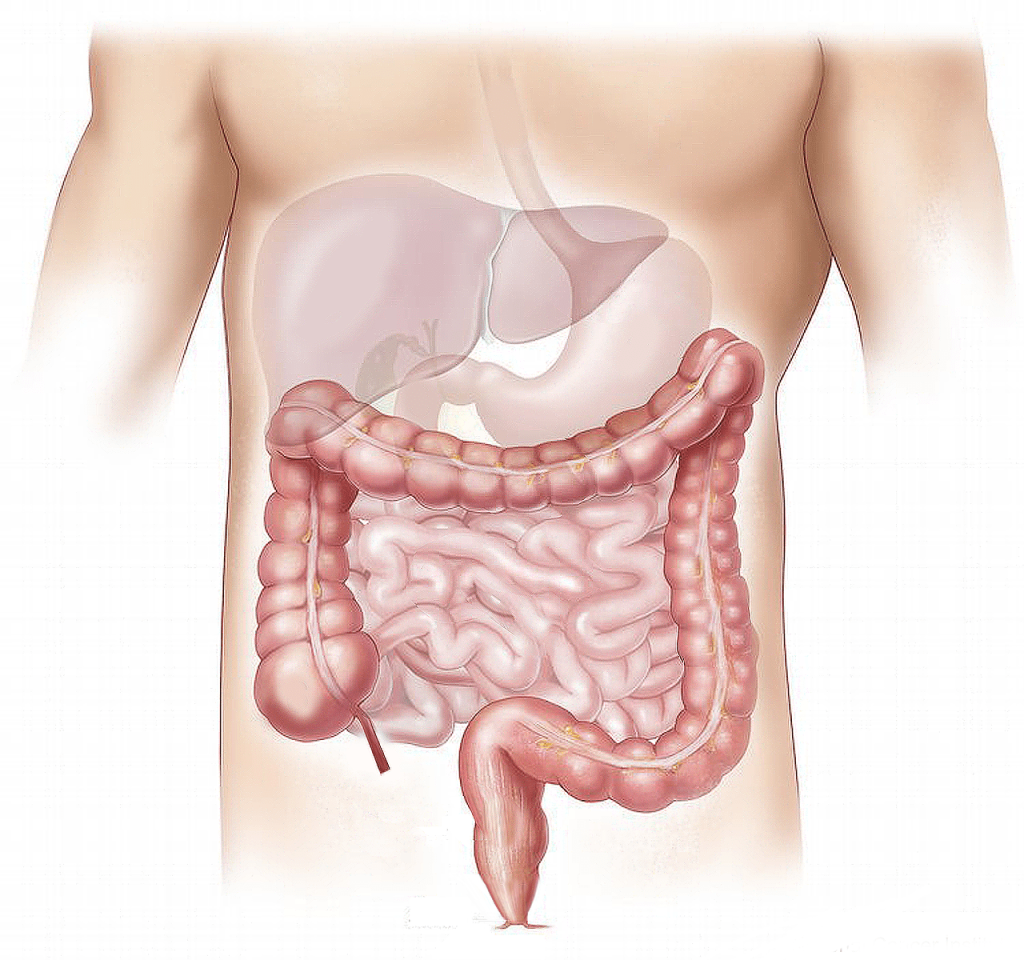
The digestive tract breaks down food, absorbs nutrients, and eliminates waste. This complex system involves various organs, including the small intestine and large intestine, where food is digested, and gases are produced.
Gut Bacteria: The gut is home to trillions of intestinal bacteria that aid in breaking down food, producing gases as a byproduct. An imbalance in these bacteria can lead to smelly gas and other digestive symptoms.
Fermentation Process: Certain foods undergo fermentation in the intestines, leading to smelly gas. Foods high in sulfur, like eggs and meats, can produce gases with a rotten egg odor.
Normal Byproduct: Passing gas is a natural process and a sign of a functioning digestive system. However, excess gas can result from an imbalanced gut bacteria population or underlying health conditions.
A healthy digestive tract ensures that gases pass through without causing discomfort or a bad smell. When digestive issues arise, excess gas and bloating may result, indicating that the digestive tract is working harder than usual.
Dietary Changes to Reduce Smelly Gas
Adjusting your diet can significantly reduce foul-smelling gas and improve overall digestive health. Here are some dietary tips to manage smelly flatulence effectively:
Limit High-Fiber Foods Gradually: High-fiber foods, such as beans, lentils, and certain whole grains, are essential for health but can lead to excessive gas. Slowly increasing fiber intake allows your gut to adjust.
Avoid Certain Foods: Dairy products, carbonated drinks, and sugar alcohols can increase gas production and intestinal gas. Avoiding or reducing these foods may help alleviate foul-smelling flatulence.
Watch Cruciferous Vegetables: Vegetables like broccoli, cabbage, and cauliflower contain sulfur, which can cause smelly farts. Reducing these vegetables may lessen the smell, though they remain valuable for overall health.
Eat Smaller Portions: Eating large meals may lead to more gas production. Eating smaller portions can reduce the amount of gas generated during digestion.
Consider Food Intolerances: People with food intolerances to dairy, gluten, or other foods may experience bad-smelling gas. Identifying and avoiding trigger foods can help manage smelly gas.
These dietary changes can support a healthier digestive system, reducing the occurrence of bad-smelling flatulence and promoting more comfortable digestion.

Lifestyle Changes to Reduce Smelly Gas
In addition to dietary adjustments, certain lifestyle changes can help minimize smelly gas and improve gut health:
Eat Slowly and Avoid Swallowing Air: Eating quickly can lead to swallowing air, which adds to gas buildup in the stomach. Eating slowly and chewing thoroughly can help reduce air intake and minimize smelly flatulence.
Avoid Chewing Gum: Chewing gum leads to swallowing more air, increasing intestinal gas. Replacing gum with alternatives like mints can help reduce smelly gas.
Stay Hydrated: Drinking water throughout the day helps with digestion and can reduce excessive or smelly gas by keeping the digestive system moving smoothly.
Avoid Carbonated Drinks: Carbonated drinks like soda and sparkling water release carbon dioxide, which contributes to gas buildup. Replacing carbonated drinks with water or herbal tea can help relieve gas.
Exercise Regularly: Physical activity encourages movement in the digestive tract, helping to release intestinal gas and reduce bloating and discomfort.
These small but effective lifestyle changes can make a significant difference in reducing bad-smelling gas and supporting the digestive system.
Managing Smelly Gas with Supplements and Medications
Several supplements and medications can aid in reducing foul-smelling gas and other digestive symptoms.
Probiotics:
Probiotics are beneficial bacteria that can improve gut health by promoting a balanced gut microbiome. Probiotics are especially helpful for people with irritable bowel syndrome and can reduce smelly gas by improving digestion.
Activated Charcoal:
Activated charcoal tablets are often used to absorb excess gas in the digestive system, helping to alleviate smelly flatulence. However, consult a healthcare provider before using activated charcoal regularly.
Lactase Supplements:
For those with lactose intolerance, lactase supplements help break down lactose in dairy products, reducing bad-smelling gas associated with dairy consumption.
Beano:
This over-the-counter product contains enzymes that help digest fiber-rich foods like beans and cruciferous vegetables, reducing foul-smelling farts.
Using these supplements can help relieve excess gas and improve gut health, leading to less bad-smelling flatulence.
Maintaining Good Gut Health
A healthy gut plays a vital role in reducing smelly gas and ensuring comfortable digestion. Supporting gut health involves dietary and lifestyle practices that maintain a balanced gut microbiome.
Consume Probiotic-Rich Foods: Foods high in probiotics, such as yogurt, kefir, and sauerkraut, help replenish gut bacteria and promote a healthy balance of intestinal bacteria.
Increase Fiber Gradually: Fiber supports gut health, but rapid increases can lead to excess gas. Gradually introducing fiber helps the digestive tract adjust without causing bad-smelling gas.
Stay Hydrated: Drinking plenty of water supports a healthy gut and prevents constipation, which can lead to foul-smelling flatulence.
Avoid Antibiotics When Possible: Antibiotics can disrupt gut bacteria, leading to foul-smelling gas. When prescribed, talk to your doctor about taking probiotics to help restore gut balance.
Maintaining good gut health is crucial for reducing foul-smelling gas and other digestive issues, leading to improved well-being and a healthier digestive system.
When to Seek Medical Attention
While smelly gas is typically harmless, certain symptoms may warrant medical attention:
Persistent Gas and Abdominal Pain: If excessive gas or abdominal pain persists, it may indicate an underlying digestive condition.
Severe Bloating and Bowel Changes: Bloating that doesn’t subside, especially when accompanied by changes in bowel movements, could signal an issue in the digestive tract.
Family History of Digestive Issues: If you have a family history of conditions like irritable bowel syndrome, digestive and kidney diseases, or colon cancer, it’s wise to discuss your symptoms with a healthcare provider.
Other Symptoms: If foul-smelling gas is accompanied by symptoms like vomiting, diarrhea, or rapid weight loss, consulting a healthcare provider is essential.
Early medical attention can identify or rule out potential health conditions affecting the digestive system, ensuring that your digestive tract works optimally.
FAQs on Foul-Smelling Gas
Bloating and bad-smelling gas often result from certain foods, an imbalance in gut bacteria, or food intolerances. High-fiber foods and cruciferous vegetables can cause smelly gas during the fermentation process in the gut.
Infections, particularly in the gut, can lead to smelly flatulence. For instance, bacterial infections, such as those caused by Clostridium difficile, can disrupt normal gut flora and result in foul-smelling gas. Intestinal infections may require medical treatment to restore balance in the digestive tract.
A sudden change in smelly gas could be due to diet changes, such as consuming more sulfur-rich foods or high-fiber foods. It could also indicate an infection or a disruption in gut bacteria. If it persists, consult a healthcare provider to rule out any underlying health conditions.
Reducing foul-smelling gas involves dietary adjustments, like limiting cruciferous vegetables and dairy products, staying hydrated, and eating slowly to avoid swallowing excess air. Adding probiotics to your diet can help balance intestinal bacteria, and supplements like activated charcoal can relieve excess gas.
Farts smell bad due to sulfur-containing compounds produced by intestinal bacteria. Foods high in sulfur, such as eggs, meat, and cruciferous vegetables, can make farts smell worse. An imbalance in gut bacteria or certain digestive conditions can also contribute to smelly gas.
Managing smelly gas from the body includes a combination of dietary changes, supplements, and good eating habits. Avoiding trigger foods, taking digestive supplements, and staying hydrated can reduce foul-smelling flatulence.
The heat sensation often results from high-fat or spicy foods, which can stimulate the digestive system and increase gas production. The smell is generally due to sulfur-rich compounds from foods or an imbalance in intestinal bacteria.
To stop smelly gas, focus on diet, lifestyle, and gut health. Limit foods known to cause excessive gas, such as carbonated drinks and high-sulfur foods, and try eating smaller portions to reduce gas buildup. Regular exercise and staying hydrated can also help improve digestion.
Horrible-smelling gas is often caused by sulfur-rich foods, poor digestion, and imbalances in the gut. Medical conditions like celiac disease or irritable bowel syndrome (IBS) can also produce bad-smelling gas. A diet high in fiber without proper hydration can intensify the smell.
Consuming foods that support gut health, like yogurt, kefir, and other probiotic foods, can help alleviate smelly gas. Reducing intake of high-sulfur foods and fiber-heavy meals all at once can help balance gas production.
Managing Foul-Smelling Gas and Maintaining Digestive Health
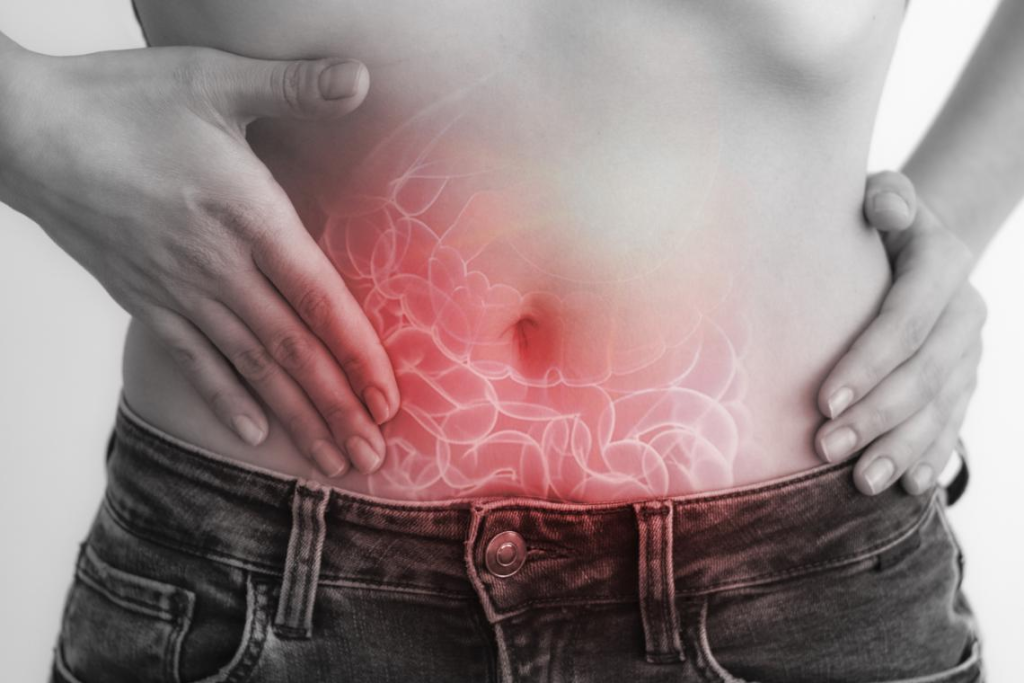
While foul-smelling gas can be bothersome, it’s often a normal byproduct of the digestive process. However, smelly farts can indicate dietary or lifestyle factors that need adjustment or, in some cases, underlying health issues in the digestive system. By implementing dietary changes, such as reducing sulfur-rich foods and carbonated drinks, staying hydrated, and eating slowly, you can significantly reduce bad-smelling gas. Supplements, such as probiotics and activated charcoal, can further support gut health and minimize excess gas.
If foul-smelling flatulence is persistent and accompanied by symptoms like abdominal pain, bloating, or changes in bowel habits, consulting a healthcare provider is essential. These symptoms could signal conditions like irritable bowel syndrome or celiac disease, which may require medical intervention.
Ultimately, maintaining a healthy digestive system through a balanced diet, good hydration, and regular exercise can help reduce smelly gas and promote overall health. For those experiencing regular issues with smelly flatulence, taking proactive steps can make a significant difference, helping you feel more comfortable and confident in your daily life.


