


Intestinal worms and intestinal parasites are common across the globe, affecting millions each year. These parasites live and thrive within the human digestive system, drawing nutrients from the body and, in some cases, causing severe health issues. Intestinal worm infections can vary in severity, and understanding the symptoms, risk factors, and methods of treatment can help manage these infections effectively. This guide will walk you through how to tell if you have worms in your stool, potential causes, preventive strategies, and effective treatments for various types of intestinal parasites.


Understanding Intestinal Parasites and Worms
Intestinal parasites are organisms that live inside another organism (their host) and feed off their nutrients, potentially harming the host. Intestinal worms, a common type of intestinal parasite, infect the digestive system and can lead to intestinal infection and various health complications.
Parasitic intestinal worms include a variety of types of worms, such as roundworms, pinworms, and tapeworms, each capable of causing unique symptoms and health risks. These infections are classified as intestinal worm infections or parasitic infections. Recognizing and treating intestinal parasites early is essential to prevent severe health issues.
Symptoms of Intestinal Worm Infections
Symptoms of intestinal worm infections may differ depending on the type of worm, the infection level, and the individual’s immune response. Mild symptoms often go unnoticed, but as the infection grows, more noticeable symptoms can develop.
Common Symptoms of Intestinal Worms in Humans
Abdominal Pain and Cramping: Abdominal pain is a common symptom of worm infections. Worms attach to the intestinal wall, causing irritation, pain, and sometimes even mild abdominal pain.
Changes in Bowel Movements: Infected individuals may experience changes in stool consistency, diarrhea, or frequent bowel movements. In severe cases, worms in stool may be visible, indicating a progressed infection.
Bloating and Gas: Many intestinal parasites produce gas as they digest nutrients, which can lead to bloating and discomfort.
Nausea and Upset Stomach: Intestinal parasites can cause upset stomach and nausea as they disrupt the natural digestive processes.
Fatigue and Anemia: Some worms, particularly hookworms, feed on red blood cells, which can lead to fatigue, anemia, and other health issues.
Visible Worms in Stool: One of the most noticeable symptoms is the presence of live worms, worm eggs, or segments of adult worms in stool.
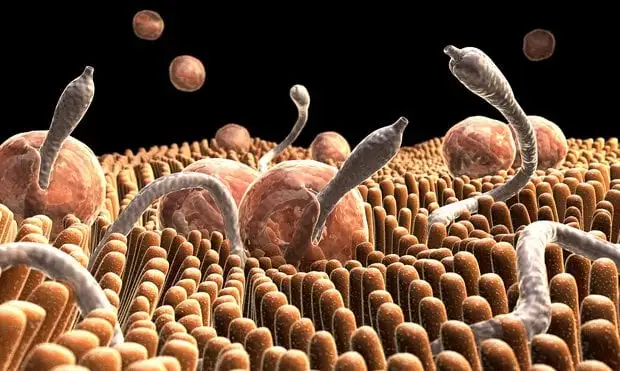
How to Tell if You Have Worms in Your Stool
Seeing worms in your stool can be alarming, but it’s one of the most definitive signs of an intestinal worm infection. Here’s how to recognize worms in your stool:
Check for Visible Worms or Segments: Some worms, like tapeworms, shed segments or egg sacs, which may appear as small, white, grain-like structures in stool.
Look for Worm Eggs or Larvae: Although worm eggs are often microscopic, certain species, such as pinworms, lay eggs near the anus, which may cause itching.
Observe Stool Changes: Gastrointestinal symptoms, such as loose stools, mucous in stool, or bloody stool, may indicate an advanced intestinal worm infection.
Collect Stool Samples for Lab Analysis: A healthcare provider may request stool samples to diagnose intestinal worms through microscopic examination. Multiple stool samples may be needed to detect the infection accurately.
Causes and Risk Factors for Worm Infections
Intestinal parasitic infections often result from exposure to contaminated environments or improper food handling. Understanding the risk factors can help in preventing infections.
Common Causes of Intestinal Worms
Eating Undercooked Meat: Consuming undercooked meat—particularly raw or undercooked pork or undercooked beef—is a common source of infection. These meats can harbor tapeworms and other parasites.
Contaminated Soil: Soil-transmitted helminth infections occur when people come into contact with contaminated soil that contains parasitic worms. These worms can enter the body through the skin or mouth.
Drinking Contaminated Water: Drinking or swimming in drinking contaminated water can expose individuals to various intestinal parasites.
Poor Hygiene and Sanitation: Living in areas with poor sanitation or practicing poor hygiene habits, like not washing hands after using the restroom, increases the risk of worm infections.
Exposure to Infected Animals: Contact with infected animals or pets can lead to worm infections, as animals can carry worm eggs and larvae.
Risk Factors for Worm Infections
Living in Areas with Poor Sanitation: In regions with limited access to clean water and sanitation, intestinal worm infections are more prevalent.
Immune System Health: People with weakened immune systems have an increased risk of severe intestinal parasitic infections.
Age: Children, who frequently play in soil or have close contact with other children, are more susceptible to worms.
Types of Intestinal Worms
Various types of worms can infect humans, each with unique characteristics and symptoms.
Pinworms:
These small, thread-like worms often infect children. Pinworm infection causes itching around the anus, particularly at night when pinworm eggs are laid.
Roundworms:
Common in many regions, roundworm infection can lead to abdominal discomfort and gastrointestinal symptoms.
Tapeworms:
Acquired through consuming raw or undercooked meat, tapeworms live in the intestines and can grow several feet long.
Hookworms:
These worms are common in areas with contaminated soil and enter the body through the skin, often causing severe symptoms like anemia.
Whipworms:
Known for causing intestinal infections through contaminated food or water, whipworms can lead to abdominal pain and bloody diarrhea.
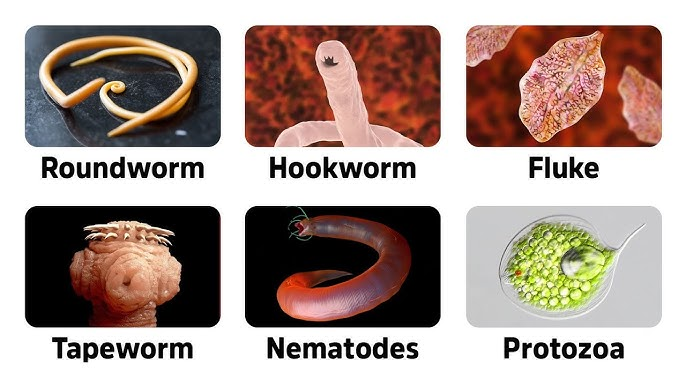
Diagnosing Intestinal Worms
If you suspect an intestinal worm infection, seeking medical attention for accurate diagnosis is crucial.
Stool Sample Analysis: A stool sample is often required for microscopic examination to detect worm eggs or larvae. Several stool samples may be needed to confirm the infection.
Blood Tests: Some infections, such as hookworm, cause anemia. A blood test may detect low red blood cells or an elevated white blood cell count, which indicates infection.
Imaging Tests: In cases of severe infection, imaging tests like X-rays or ultrasounds may be used to detect large worms or tapeworm segments in the digestive tract.
Physical Examination: Doctors may perform a physical examination and take a health history, asking questions about exposure to infected soil, recent travel, or consumption of raw meat.
Treatment Options for Intestinal Worm Infections
Treating intestinal parasites involves a combination of medications, lifestyle changes, and preventive measures. Treat intestinal parasites early to avoid complications and prevent the spread of infection.
Medications
Antiparasitic Drugs: Common medications include albendazole, mebendazole, and praziquantel, which target and kill worms. These drugs are effective against a range of parasitic worms, including roundworms and pinworms.
Anti-Inflammatory Medications: In cases of severe infection, anti-inflammatory drugs may help manage symptoms like pain and inflammation caused by adult worms.
Natural Remedies and Dietary Changes
Probiotics and Fermented Foods: Introducing probiotics and fermented foods like yogurt, kefir, and sauerkraut can help restore balance to the gut flora and support the digestive system.
Garlic and Pumpkin Seeds: Garlic and pumpkin seeds have natural anti-parasitic properties and can be added to meals to aid in mild infections.
Fruits and Vegetables: Including more fruits and vegetables in the diet can strengthen the immune system, making it easier to fight off parasitic infections.
Lifestyle Changes and Preventive Measures
Practice Good Hygiene: Regular hand washing, especially after handling soil, animals, or using the bathroom, can prevent intestinal parasite infections.
Cook Food Thoroughly: Avoid eating undercooked meat, especially raw or undercooked pork and beef, as these can harbor parasites.
Avoid Walking Barefoot in Contaminated Areas: Wearing shoes outdoors, especially in areas with high exposure to contaminated soil, reduces the risk of soil-transmitted helminth infections.
Ensure Clean Water: Only drink water from reliable sources, and avoid swimming in unclean or contaminated water sources
FAQs About Intestinal Worms and Parasites
Worms in stool may appear as small, white, thread-like structures or even larger segments, depending on the type of worm.
Observing stool for signs of worms, or consulting a healthcare provider for stool sample testing, are effective ways to check for intestinal worms. In some cases, you may need multiple stool samples for accurate detection, as eggs or larvae may not always be present in every sample.
Undigested food particles, mucus, or fibrous strands in stool can sometimes be mistaken for worms in humans. It’s best to consult a healthcare provider for clarification if you are unsure.
Common symptoms of worm infections include abdominal pain, diarrhea, fatigue, changes in stool appearance, bloating, and nausea. Visible worms in stool are a strong indication of intestinal worm infection.
If you notice symptoms like stomach discomfort, mild abdominal pain, itching around the anus, especially at night, or changes in stool, it’s wise to see a doctor who can diagnose intestinal worms through testing.
Treatment often involves antiparasitic medications, improved hygiene practices, and sometimes dietary changes, such as incorporating fruits and vegetables and fermented foods to restore gut health.
Deworming typically involves taking prescribed antiparasitic medications like albendazole or mebendazole. It’s essential to follow your doctor’s advice for dosage and duration to effectively kill worms and prevent reinfection.
Symptoms of intestinal worms include digestive disturbances such as diarrhea, upset stomach, abdominal pain, and sometimes non-gastrointestinal symptoms like rashes or anemia.
Treatment for bowel worms includes medications prescribed by a healthcare provider, along with hygiene practices to prevent reinfection.
Besides medication, avoiding contaminated soil and drinking contaminated water, as well as ensuring food is cooked thoroughly, are preventive measures to reduce infection and reinfection rates.
Live worms or segments of adult worms in stool are often visible to the naked eye. Worms can appear thread-like (pinworms) or have a grain-like structure (tapeworm segments).
Long-Term Health Impacts of Intestinal Worm Infections
While many intestinal worm infections can be treated effectively with medication, untreated worm infections can lead to more serious health problems, especially in vulnerable populations.
Potential Complications of Worm Infections
Malnutrition and Nutrient Deficiency: Intestinal worms absorb nutrients from the host, leading to malnutrition, anemia, and deficiencies in essential vitamins and minerals. This is particularly concerning for children, pregnant women, and those with already compromised immune systems.
Intestinal Blockages: In severe cases, adult worms live in large numbers, causing blockages in the small intestine or intestinal wall, which can result in digestive distress and may require medical intervention.
Anemia: Blood-feeding worms, like hookworms, deplete red blood cells, causing anemia and fatigue.
Skin Conditions: Parasitic infections can lead to skin rashes and itching, especially in infections like hookworm, where larvae penetrate the skin directly from infected soil.
Risk of Severe Infection: Untreated infections can progress to severe infection, impacting the body’s ability to absorb nutrients and maintain a strong immune system.
Prevention: Keeping Intestinal Worms at Bay
Preventing intestinal parasite infections involves a combination of personal hygiene, dietary precautions, and awareness of environmental risks. The World Health Organization (WHO) and other public health organizations emphasize the importance of hygiene and sanitation in reducing disease control challenges related to intestinal parasitic infections.
Key Prevention Tips
Wash Hands Regularly: Practicing good hygiene, such as washing hands thoroughly with soap and water, is critical after handling soil, interacting with animals, or using the restroom.
Cook Meat Thoroughly: Avoid eating raw or undercooked meat, particularly pork and beef, to reduce exposure to tapeworms and other parasites. Proper cooking temperatures kill parasites in food.
Avoid Walking Barefoot: Wear shoes outdoors, especially in areas with high worm prevalence or where animals defecate, as this minimizes contact with contaminated soil and reduces the risk of soil-transmitted helminth infections.
Drink Safe Water: Only drink water from reliable sources and avoid drinking contaminated water or swimming in polluted water bodies.
Practice Safe Food Preparation: Washing fruits and vegetables thoroughly before eating, especially if consumed raw, helps remove any worm eggs or larvae that may be present.
Keep Your Environment Clean: Regular cleaning, disinfecting surfaces, and ensuring children practice good hygiene reduce the spread of pinworm eggs and other parasite eggs in the home.
Intestinal Worms and Public Health
Intestinal parasites are a significant public health issue worldwide, especially in areas with poor sanitation and limited access to healthcare. According to the World Health Organization, millions of people are affected by soil-transmitted helminth infections and other worm infections, highlighting the importance of public health education and preventive measures.
Vulnerable Populations
Certain populations, including young children, people with weakened immune systems, and those in low-resource settings, are at increased risk of intestinal worm infections. For these populations, access to clean water, hygiene education, and preventive medications can drastically reduce infection rates.
Maintaining Digestive Health and Preventing Intestinal Worm Infections
Intestinal worms and parasitic infections are common yet preventable health concerns. By understanding the symptoms, causes, and preventive strategies, individuals can reduce their risk of contracting intestinal parasites and promote a healthy digestive system. Recognizing symptoms like abdominal pain, changes in stool, and fatigue, and seeking early medical intervention, are key to managing and treating intestinal worm infections effectively.
Practicing good hygiene, avoiding eating raw or undercooked meat, washing fruits and vegetables thoroughly, and following health guidelines in areas with poor sanitation are essential preventive measures. If you suspect a worm infection or notice worms in your stool, consult with a healthcare provider promptly for accurate diagnosis and treatment to restore digestive health and well-being.
With awareness and preventative care, the risk of intestinal worms can be significantly reduced, allowing individuals to maintain a healthy, balanced digestive system free from the harmful effects of intestinal parasites.


