
Starting a business as a sole proprietorship offers simplicity and flexibility, but as businesses grow, many sole proprietors consider transitioning to a Limited Liability Company (LLC). This shift can provide substantial benefits, including liability protection, tax advantages, and improved business credibility. In this guide, we’ll walk through the essential steps, benefits, and considerations when changing a sole proprietorship to an LLC.
If you’re ready to take the next step in your business journey, learn how to Start, Register, and Manage Your Business effectively with the right resources and support.
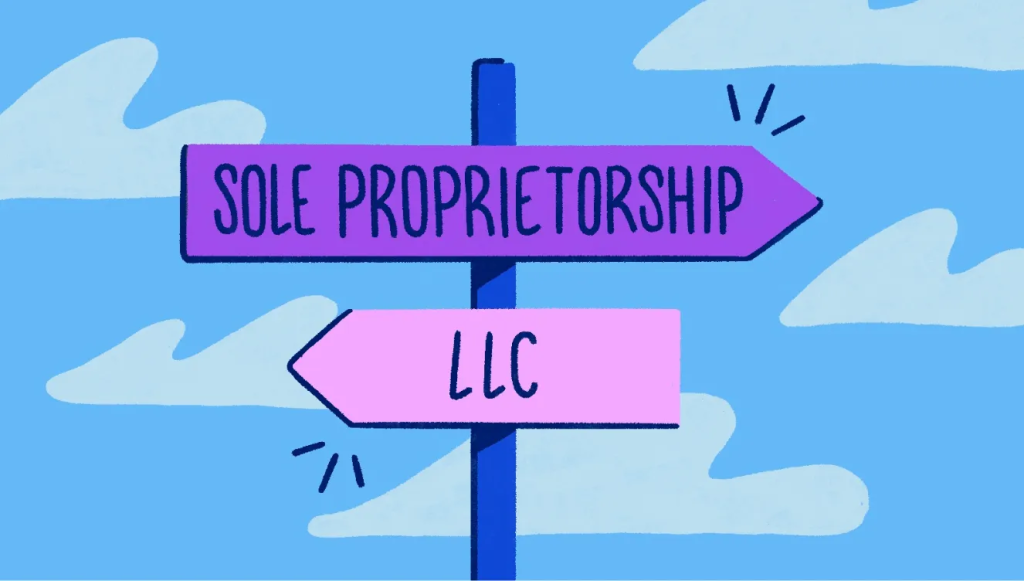
Understanding Sole Proprietorship and LLC Structures
Sole Proprietorship:
A sole proprietorship is an unincorporated business owned by one individual. There’s no distinction between personal and business assets, meaning the owner is personally liable for all business debts and liabilities. This setup is ideal for small or low-risk businesses due to its straightforward structure and low costs.

Limited Liability Company (LLC):
An LLC is a more formal business structure that protects personal assets by legally separating them from the business, and it is considered a separate legal entity. An LLC can have one or multiple members and is often seen as a hybrid structure, offering the liability protection of a corporation with the flexibility and tax benefits of a partnership.

Benefits of Transitioning from Sole Proprietorship to LLC
Liability Protection: An LLC separates personal and business assets, limiting liability for business debts to the LLC itself. This shields your personal assets, like savings or property, from business liabilities.
Tax Flexibility: LLCs offer various tax options, including the choice to be taxed as a sole proprietorship, partnership, or corporation. This flexibility can lead to savings on self-employment taxes and other tax benefits.
Increased Credibility: Operating as an LLC adds professional credibility to your business, which may attract customers, investors, and partners.
Management Flexibility: LLCs allow different management structures, meaning you can operate it as a single-member LLC or expand it to include other members as your business grows.

Pre-Transition Checklist
Before converting your sole proprietorship to an LLC, it’s essential to review and update various aspects of your business. Here’s a pre-transition checklist to help you prepare:
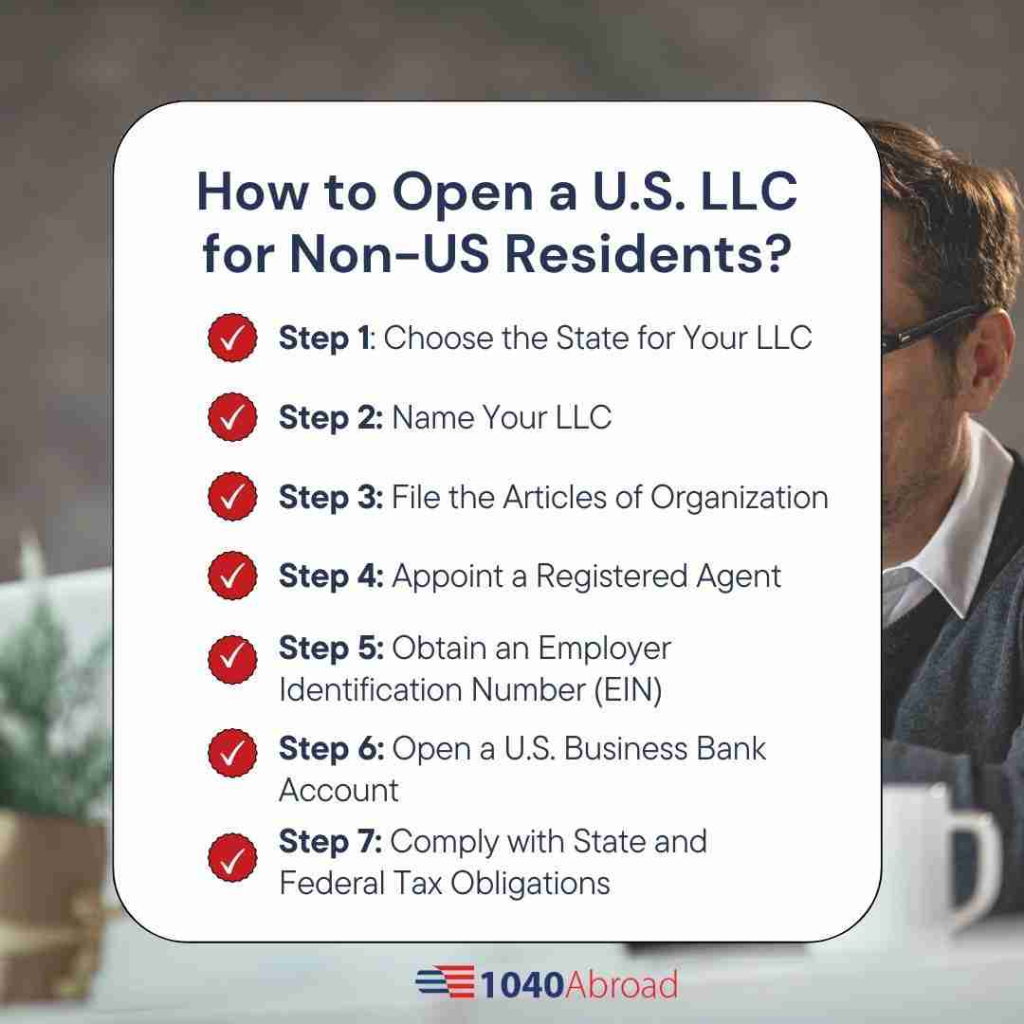
Business Name: Ensure your business name is available and compliant with your state’s naming laws. You can check the availability of your desired name using your state’s business name search tool.
Registered Agent: Appoint a registered agent to receive legal documents and notices on behalf of your LLC. You can choose a professional registered agent service or an individual, such as yourself or a business partner.
Business Licenses and Permits: Verify that your business licenses and permits are up-to-date and compliant with your state and local regulations. You may need to update or obtain new licenses and permits after converting to an LLC.
Contracts and Agreements: Review your existing contracts and agreements to determine if they need to be updated or assigned to your new LLC. This includes contracts with clients, vendors, and employees.
Insurance: Check your insurance policies to ensure they are adequate for your LLC. You may need to update your policies or obtain new ones to reflect your changed business structure.
Bank Account: Open a new business bank account in the name of your LLC to separate your personal and business finances.
Employer Identification Number (EIN): Apply for a new EIN from the IRS, as your LLC will require a unique EIN for tax purposes.

Step-by-Step: Transitioning from Sole Proprietorship to LLC
1. Research and Prepare for Transition
Begin by understanding the legal requirements in your state, including understanding the new business structure, as each state has specific rules and fees for forming an LLC. This preparation phase will also involve choosing an LLC name that’s both unique and meets state guidelines.
Business Name Requirements: Your LLC name must be distinct and include terms like “LLC” or “Limited Liability Company.” Ensure that your chosen name is available by checking with your state’s business registry.
Domain and Social Media Availability: Securing a matching domain and social media handles helps strengthen your brand and makes it easy for customers to find you.
2. File the Articles of Organization
The Articles of Organization is a legal document that officially establishes your LLC in your state. This document typically includes:
Business Name
Registered Agent – An individual or entity responsible for receiving legal documents on behalf of your LLC.
Business Purpose and Duration (if applicable)
Once completed, submit the Articles of Organization to your state’s business filing office and pay the applicable filing fee. These fees vary by state but are generally between $50 and $500.
3. Create an LLC Operating Agreement
Although not always legally required, an LLC Operating Agreement outlines the ownership and operational structure of the LLC, and it also covers various aspects of business operations. This agreement is essential for:
Defining the roles and responsibilities of LLC members
Establishing management structure (member-managed vs. manager-managed)
Outlining profit-sharing arrangements
Even in a single-member LLC, having an operating agreement can prove helpful for legal clarity and business continuity planning.
4. Obtain an Employer Identification Number (EIN)
An EIN is necessary for opening a business bank account, filing taxes, and hiring employees. You can easily apply for an EIN through the IRS website, often with same-day approval. The EIN essentially acts as a Social Security Number for your business.
Post-Formation Steps and Compliance Requirements
1. Open a Separate Business Bank Account
Once your LLC is formed, open a new bank account under the LLC’s name. This separation of finances is vital for maintaining liability protection, as it prevents personal and business funds from mixing.
2. Update Business Licenses and Permits
Notify local and state licensing authorities of your change from a sole proprietorship to an LLC, updating any business licenses and permits. This step ensures that all documentation reflects your new LLC status, which is crucial for compliance.
3. Inform Clients and Update Contracts
Notify clients of your new LLC status, especially if you have ongoing contracts. Updating your business name and structure in existing contracts maintains transparency and reflects your new business entity.
4. Update Business Insurance Policies
LLC status may affect your business insurance policies, so be sure to inform your insurance provider of the structural change. This update ensures proper coverage under the LLC’s name and protects both personal and business assets.

Updating Your Business Operations
After converting your sole proprietorship to an LLC, you’ll need to update various aspects of your business operations to reflect your new business structure. Here are some key updates to consider:
Business Registration: Update your business registration with your state and local government to reflect your new LLC status.
Business Licenses and Permits: Obtain any necessary licenses and permits required for your LLC, and update your existing licenses and permits to reflect your new business name and structure.
Contracts and Agreements: Update your contracts and agreements to reflect your new LLC status, including contracts with clients, vendors, and employees.
Insurance: Update your insurance policies to reflect your new LLC status and ensure you have adequate coverage for your business.
Bank Account: Use your new business bank account for all business transactions, and keep your personal and business finances separate.
Accounting and Bookkeeping: Update your accounting and bookkeeping systems to reflect your new LLC status, including your financial statements and tax returns.
Employee Management: If you have employees, update your employee management systems to reflect your new LLC status, including payroll, benefits, and employee contracts.

Tax Implications for LLCs
One of the most significant benefits of an LLC is tax flexibility. LLCs can choose from several tax classifications:
Default Classification (Single-member LLC): A single-member LLC is typically considered a “disregarded entity” for federal income tax purposes, meaning the IRS doesn’t recognize the LLC as separate from its owner. Business income and expenses are reported on the owner’s personal tax return.
Partnership Classification (Multi-member LLC): Multi-member LLCs are taxed as partnerships by default, requiring the LLC to file an informational return, while members report their share of profits on personal returns.
Corporate Tax Classification: An LLC may elect to be taxed as an S corporation or C corporation, which can reduce self-employment taxes.
Consulting with a tax professional is recommended to determine the most advantageous tax status for your LLC, especially as the business grows.
Managing Your LLC
As an LLC owner, you’ll have new responsibilities and obligations to manage your business effectively. Here are some key aspects to consider:
LLC Operating Agreement: Draft and maintain an LLC operating agreement that outlines the ownership, management, and operation of your LLC.
Member Roles and Responsibilities: Define the roles and responsibilities of each LLC member, including their ownership percentage, voting rights, and management duties.
Decision-Making Process: Establish a decision-making process for your LLC, including how decisions will be made and who will have authority to make decisions.
Financial Management: Manage your LLC’s finances effectively, including budgeting, accounting, and tax planning.
Compliance: Ensure your LLC is compliant with all applicable laws and regulations, including tax laws, employment laws, and business licensing requirements.
Risk Management: Identify and manage risks associated with your LLC, including liability risks, financial risks, and operational risks.
Record-Keeping: Maintain accurate and complete records of your LLC’s activities, including financial records, meeting minutes, and business correspondence.

Key Considerations for Maintaining Your LLC
1. Filing Annual Reports
Most states require LLCs to file annual or biennial reports and pay renewal fees to maintain good standing. This requirement ensures that the state has updated information on your LLC.
2. Keeping Updated Operating Agreements
As your business evolves, update the LLC Operating Agreement to reflect changes in ownership or management. An up-to-date operating agreement is a valuable tool in preventing disputes among members.
3. Adhering to Meeting Requirements
Some states require LLCs to hold regular meetings and maintain minutes, even for single-member LLCs. Regularly documenting LLC decisions strengthens the separation between personal and business activities, reinforcing liability protection.
4. Filing for Necessary Permits and Licenses
Even after forming an LLC, additional business licenses may be required, depending on your industry. Staying compliant with state and local licensing requirements is vital to avoid fines or legal complications.

FAQs on Transitioning from Sole Proprietorship to LLC
Yes, transitioning from a sole proprietorship to an LLC is a common step for business owners seeking liability protection and tax benefits.
Yes, typically, you will need a new EIN for your LLC since the business structure has changed. The IRS provides a straightforward process for obtaining a new EIN.
One downside could be the added administrative requirements, like filing annual reports and paying fees. However, these costs are generally outweighed by the liability protection benefits.
An LLC may offer tax advantages, especially if you elect S-Corp status, reducing self-employment taxes. Consult a tax professional for tailored advice.
No, when you switch to an LLC, you typically need a new EIN, as the IRS treats the LLC as a separate legal entity.
Forming an LLC is relatively straightforward, but it does come with state fees, which vary by location. Legal assistance can simplify the process if you’re unsure of specific requirements.
Business growth, increased liability risk, or a need for credibility are common reasons to transition. Consult with a professional if unsure.
Business growth, increased liability risk, or a need for credibility are common reasons to transition. Consult with a professional if unsure.
Yes, depending on your LLC’s tax classification, it can reduce self-employment taxes, though the tax impact varies by business type and income.
An LLC provides personal liability protection and tax benefits, making it a preferred choice as business needs grow.
Updating insurance to reflect LLC status ensures proper coverage for business assets and liability protection.
Transitioning from a sole proprietorship to an LLC is a practical choice for many small business owners. By following this guide, including the necessary legal, financial, and operational steps, you can enjoy liability protection, tax advantages, and increased business credibility. Working with a legal professional can help ensure that all requirements are met, allowing you to make the most of your LLC status. By staying compliant, managing your LLC effectively, and consulting professionals when needed, you can build a robust business structure that supports long-term growth and financial security.