

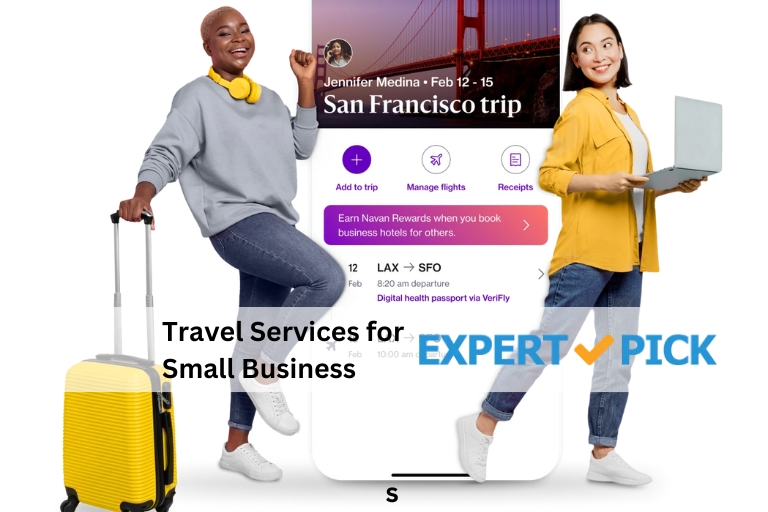
In today’s business landscape, small businesses need efficient travel management to streamline their travel processes and maximize their budget. Managing travel for business purposes can be complex, from booking flights and hotels to ensuring travel policies are followed. A corporate travel agency can manage travel logistics and enforce policies, allowing employees to concentrate on their core responsibilities. This guide explores the best travel services, agencies, and tools that can help small businesses create seamless and cost-effective travel experiences for employees.
For a comprehensive review of Navan’s travel management platform, check out our Navan Review, which highlights its advanced features for small business travel.
What is Business Travel Management?
Business travel management refers to the comprehensive process of planning, organizing, and overseeing business trips for employees. For small businesses, effective travel management is crucial to control costs, ensure employee satisfaction, and maintain operational efficiency. It encompasses a range of activities designed to streamline travel logistics and enhance the overall travel experience.
Key activities involved in business travel management include:
Travel Policy Creation and Enforcement: Establishing clear guidelines for travel-related expenses and procedures to ensure consistency and compliance.
Travel Booking and Expense Management: Coordinating the booking of flights, accommodations, and transportation while tracking and managing travel expenses.
Travel Risk Management and Duty of Care: Implementing measures to ensure the safety and well-being of business travelers, including travel alerts and emergency support.
Travel Data Analysis and Reporting: Collecting and analyzing travel data to gain insights into spending patterns and identify cost-saving opportunities.
Travel Program Optimization and Improvement: Continuously refining the travel program to enhance efficiency, reduce costs, and improve traveler satisfaction.
A well-managed business travel program can help small businesses achieve their goals, strengthen client relationships, and drive growth. By focusing on these key activities, small businesses can create a travel management strategy that supports their overall business objectives.
Optimizing Business Trips for Business Travelers
Business trips are pivotal for small businesses aiming to foster relationships, expand networks, and explore new opportunities. However, it is crucial to manage business travel effectively to ensure that business travelers can focus on their objectives rather than logistical challenges. Here’s how small businesses can make business trips more efficient and cost-effective:
Streamlined Planning: Using platforms like Navan or TravelPerk allows businesses to book flights, hotels, and transportation with ease. These tools offer features like policy compliance and real-time expense tracking, ensuring trips are well-organized and within budget.
Enhanced Traveler Experience: Business travelers benefit from centralized booking and instant updates on schedules or disruptions, reducing travel-related stress and allowing them to concentrate on business objectives.
Cost Control and Productivity: Automated expense tracking and detailed reporting help monitor travel spend, making it easier for businesses to identify cost-saving opportunities while enabling business travelers to be more productive.
With the right travel tools, small businesses can optimize every business trip, boosting employee satisfaction, controlling costs, and enhancing the overall travel experience.

How to Choose the Right Travel Agency for Your Small Business
Selecting the right travel agency for your business is essential to manage travel efficiently. Here’s what to look for:
Experience in Small Business Travel: Choose an agency that understands the needs of small businesses and offers tailored solutions.
Range of Services: Look for services such as online booking tools, travel policy management, and real-time reporting to track spending.
Customer Support Quality: Reliable 24/7 support ensures that employees have assistance if travel disruptions occur.
Certifications: Agencies with certifications like those from the American Society of Travel Advisors (ASTA) or the International Air Transport Association (IATA) are generally more reliable.
A well-structured corporate travel program can significantly enhance travel management by supporting traveler wellbeing, managing risk, and optimizing travel spend.
Top travel agencies often include tools like online booking, expense tracking, and real-time analytics, which are invaluable for businesses managing frequent travel.

Essential Tools for Business Travel Management
An effective travel management program for small businesses should incorporate:
Online Booking Tools: Simplify booking flights, hotels, and car rentals.
Expense Management Software: Track spending and provide insights to reduce travel costs.
Travel Policy Management: Ensure compliance with company travel guidelines.
24/7 Customer Support: Offer assistance to employees in case of unexpected changes or emergencies.
Using these tools not only streamlines the booking process but also keeps spending within the budget and ensures employees have support whenever they need it.

Top Travel Agencies for Small Businesses
Several travel agencies cater specifically to small business travel needs, offering features that make managing travel easier and more affordable:
Egencia – Provides a streamlined booking experience and travel policy management.
Booking.com for Business – Offers a variety of accommodations and business-friendly booking features.
GTI Travel – Known for its robust reporting tools and customizable options for small business travel.
These agencies offer specialized packages that include real-time tracking, online booking, and support services, helping small businesses manage travel with ease.
Cost-Effective Alternatives to Traditional Travel Agencies
While traditional travel agencies offer personalized support, small businesses often benefit more from cost-effective alternatives like online travel agencies (OTAs) and advanced travel management software.
Online Travel Agencies (OTAs): Sites such as Expedia and Kayak provide access to discounted rates and various travel options, which can be convenient for businesses seeking to minimize travel costs without committing to a full-service agency.
Travel Management Software: Tools like Navan (formerly TripActions), TravelPerk, and SAP Concur offer automated booking, real-time expense tracking, and policy compliance features. Navan, in particular, is designed to meet the needs of small to medium-sized businesses with its AI-powered booking tools, extensive travel inventory, and easy-to-use mobile app. Navan’s focus on real-time insights helps businesses track expenses as they occur, allowing for better cost control and informed decision-making.
Both OTAs and travel management software solutions enable small businesses to streamline travel arrangements, access better rates, and gain control over travel budgets.
Corporate Travel Platforms for Small Businesses
Corporate travel platforms offer specialized tools for small businesses, making it easier to manage business trips. Some of the top options include:
American Express Global Business Travel (Amex GBT): Provides robust travel management tools, including policy compliance and expense tracking.
Ovation Travel Group: Offers personalized travel solutions and reliable customer service.
GBT Travel Services UK: Known for their real-time support and compliance tools for businesses.
Navan: A user-friendly corporate travel platform that uses AI to streamline booking, expense tracking, and compliance. Navan also provides real-time analytics and a mobile app to manage travel efficiently on the go.
These platforms provide small businesses with tools for policy enforcement, spending oversight, and 24/7 customer service, creating a smoother experience for employees and travel managers alike.
Local Guide Services for Small Business
When it comes to corporate trips or small business travel, efficiency and local knowledge make all the difference. GoWithGuide is a service that connects businesses with professional local guides in destinations worldwide. Whether you’re arranging client meetings, scouting new markets, or attending industry events, having a vetted guide on the ground helps you save time, navigate unfamiliar areas with confidence, and uncover valuable networking opportunities you might otherwise miss.
Unlike generic travel apps, GoWithGuide offers personalized itineraries tailored to your company’s goals. You can request everything from airport transfers to full-day cultural tours that double as team-building activities. For small businesses looking to make the most of every travel day-whether domestically or internationally-this platform offers the flexibility and reliability needed to turn business trips into productive, stress-free experiences.
Key Travel Management Features to Look For
When setting up a travel program, ensure the chosen tools or agencies offer the following:
Online Booking and Mobile Access: Allows employees to book and manage travel from anywhere.
Detailed Reporting: Provides insights into travel spending and policy compliance.
Flexible Policies: Supports different employee needs and ensures policy compliance.
Real-Time Support: Offers quick assistance during travel interruptions or emergencies.
Having these features in place ensures that the program meets the needs of both the business and its employees.
Understanding Corporate Discounts and Preferred Suppliers
Many travel agencies offer discounts on flights, hotels, and car rentals, which can help small businesses save significantly. By partnering with preferred suppliers, businesses can:
Access Corporate Rates: Enjoy reduced rates on frequent travel needs.
Improve Service Quality: Preferred suppliers are often more reliable and responsive.
Gain Loyalty Rewards: Employees can benefit from loyalty points or rewards, enhancing satisfaction.
Preferred suppliers and corporate discounts can reduce costs, making business travel more affordable for small companies.
Measuring Success and Optimizing Your Travel Program
Measuring the success of a business travel program is essential for optimizing it and achieving business goals. Here are some key performance indicators (KPIs) to consider:
Travel Spend: Monitor travel expenses to ensure they are within budget and aligned with business objectives. Keeping a close eye on travel spend helps identify areas where costs can be reduced.
Traveler Satisfaction: Measure employee satisfaction with the travel program to identify areas for improvement. Happy travelers are more productive and likely to adhere to travel policies.
Travel Policy Compliance: Track compliance with travel policies to ensure employees are following guidelines and procedures. High compliance rates indicate a well-implemented travel policy.
Travel Risk Management: Monitor travel risks and incidents to ensure the safety and well-being of business travelers. Effective risk management minimizes disruptions and enhances traveler security.
Travel Program ROI: Measure the return on investment (ROI) of the travel program to ensure it is delivering value to the business. A positive ROI indicates that the travel program is contributing to business success.
To optimize a business travel program, consider the following strategies:
Implement a Travel Management System: Use a travel management system to streamline bookings and expenses, making the process more efficient.
Negotiate with Suppliers: Secure the best rates and discounts by negotiating with airlines, hotels, and car rental companies.
Develop a Comprehensive Travel Policy: Create a travel policy that aligns with business objectives and addresses the needs of employees.
Provide Training and Support: Ensure employees understand the travel policy and procedures through regular training and support.
Continuously Monitor and Analyze Travel Data: Regularly review travel data to identify trends and areas for improvement, allowing for ongoing optimization of the travel program.
By focusing on these KPIs and strategies, small businesses can create a more efficient and cost-effective travel program that supports their overall goals.

Getting Started with a Business Travel Agency
Getting started with a business travel agency can seem daunting, but following these steps can simplify the process:
Define Your Business Travel Needs: Identify your business travel requirements, including the number of travelers, destinations, and travel frequency. Understanding your needs will help you find an agency that can meet them.
Research Business Travel Agencies: Look for agencies that specialize in small business travel management and have experience working with companies like yours. Consider their reputation, client reviews, and industry expertise.
Evaluate Agency Services: Consider the services offered by the agency, such as travel booking, expense management, and travel risk management. Ensure they provide the features you need to manage your travel program effectively.
Check Agency Credentials: Ensure the agency is a member of industry associations, such as the American Society of Travel Advisors (ASTA) or the International Air Transport Association (IATA). These credentials indicate a level of professionalism and reliability.
Request a Proposal: Ask the agency to provide a proposal outlining their services, fees, and benefits. Compare proposals from multiple agencies to find the best fit for your business.
Evaluate Agency Technology: Consider the agency’s online booking tool and travel management system to ensure they meet your business needs. User-friendly technology can streamline the booking process and improve efficiency.
Check Agency Support: Ensure the agency provides 24/7 support for travel-related issues and emergencies. Reliable support is crucial for handling unexpected travel disruptions.
By following these steps, you can find a business travel agency that meets your needs and helps you manage your business travel program effectively. A good agency will provide the tools and support necessary to streamline travel processes, control costs, and enhance the overall travel experience for your employees.

FAQs on Small Business Travel Management
Travel costs vary based on trip frequency and destinations. Using corporate discounts and planning can help reduce expenses.
Options like Booking.com for Business and Egencia are popular due to their user-friendly platforms and diverse booking options.
Yes, businesses typically cover travel-related expenses for employees on official trips, including flights, accommodations, and meals.
Use your company’s travel management tools to book trips and ensure policy compliance.
Travel agents can often secure better rates, especially for frequent travel. However, for smaller trips, booking directly can sometimes be more affordable.
Yes, business travel expenses are generally tax-deductible, including flights, hotels, and certain meals.
Corporate travel agencies handle all travel arrangements for businesses, from booking to expense management, and often provide 24/7 support.
Set up clear policies, use travel management software for automated compliance, and conduct regular audits.
A TMC provides a full range of travel services, including booking, policy compliance, expense tracking, and risk management.
Real-time reporting helps monitor travel spending, improve policy compliance, and identify savings opportunities, keeping travel costs under control.

Investing in business travel management services tailored for small businesses can yield benefits like cost savings, policy compliance, and enhanced employee satisfaction. The right combination of tools, travel agency support, and a structured program will empower small businesses to manage travel efficiently, allowing them to focus on growth and success.


