Hair loss is a condition that affects millions of people worldwide, but when it comes to alopecia, the causes and symptoms can be particularly distressing. This blog will explore different types of hair loss, particularly alopecia areata, its causes, risk factors, symptoms, and the best ways to manage and treat it. For those seeking immediate solutions to promote hair growth and prevent further damage, you may also find value in exploring the top 5 hair products designed to maintain hair health and prevent loss.
What is Alopecia Areata?
Alopecia areata is an autoimmune disease where the immune system attacks the hair follicles, resulting in hair loss. This condition can cause hair to fall out in small patches or lead to more severe forms such as alopecia totalis (total loss of scalp hair) and alopecia universalis (loss of all body hair). While alopecia areata isn’t life-threatening, it can be emotionally taxing and affect a person’s self-esteem.
What Causes Alopecia Areata?
The exact cause of alopecia areata is still unknown, but it is widely believed to be related to an individual’s genetic predisposition and the influence of environmental factors. Autoimmune diseases such as thyroid disease, lupus, and type 1 diabetes increase the likelihood of developing alopecia areata. In this condition, the body’s immune system attacks hair follicles, mistakenly identifying them as harmful.
Common Symptoms of Alopecia Areata
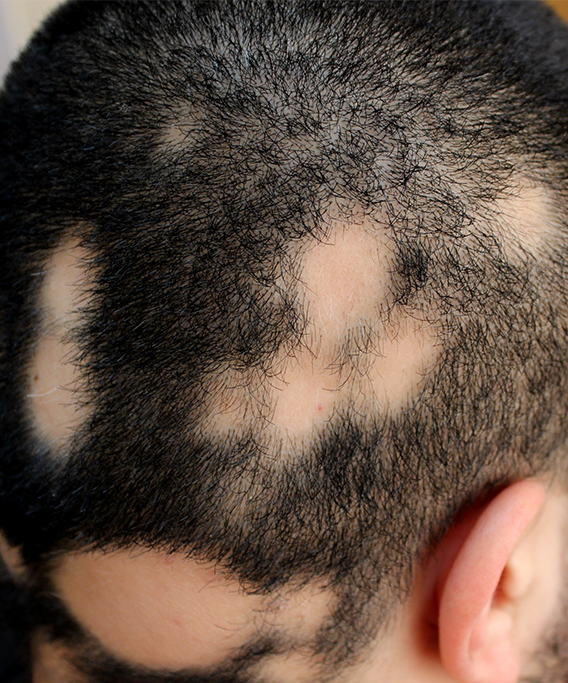
The most recognizable symptom of alopecia areata is patchy hair loss. Typically, the hair falls out in small, round patches that expose smooth, bald areas of the scalp. In more severe cases, people experience sudden hair loss across the scalp or entire body. Here are some common symptoms:
Small patches of hair loss
Bald spots on the scalp or face
Hair falls out suddenly in clumps
Changes in nails such as pitting or white spots
Itching or burning sensations in areas where hair once grew
If left untreated, alopecia areata can escalate into alopecia totalis or alopecia universalis, where an individual may lose all of their scalp or body hair, including eyebrows and eyelashes. Therefore, it is crucial to consult a healthcare provider to treat alopecia areata effectively and manage its symptoms.
Types of Alopecia Areata
There are various forms of alopecia areata, each with its own pattern of hair loss:
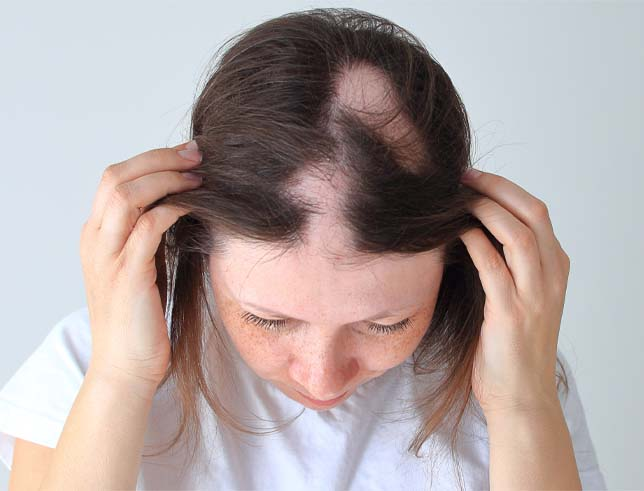
Patchy Alopecia Areata: Hair falls out in small patches on the scalp.
Diffuse Alopecia Areata: This involves more widespread thinning hair across the entire scalp, making it less obvious but equally distressing.
Ophiasis Alopecia Areata: Hair loss occurs around the sides and back of the scalp.
Alopecia Totalis: Complete loss of all hair on the scalp.
Alopecia Universalis: Loss of all body hair, including scalp, face, and body.
The Link Between Alopecia and Autoimmune Diseases
People with alopecia areata often have other autoimmune disorders, such as thyroid disease, rheumatoid arthritis, vitiligo, or Addison’s disease. These conditions occur when the immune system mistakenly attacks healthy tissues, much like how it targets hair follicles in alopecia areata. This connection highlights the need for holistic healthcare in treating alopecia.
Diagnosing Alopecia Areata
Diagnosing alopecia areata involves examining the hair loss patterns and conducting a detailed medical history. In some cases, blood tests may be required to rule out other autoimmune disorders or thyroid disease. Dermatologists may also perform a scalp biopsy to confirm the diagnosis, ensuring that no other conditions, like scarring alopecia, are present.
How Does Hair Loss Occur in Alopecia Areata?
In alopecia areata, hair loss occurs when the immune system mistakenly targets the hair follicles, causing them to shrink and slow down hair production. This results in patchy hair loss, where the hair typically falls out in small, coin-sized patches. Over time, new hair regrowth may occur, but the pattern and timing can be unpredictable.
For those looking to manage their hair health and protect against potential hair loss, using the best hair products available may offer additional benefits in conjunction with medical treatments.
Treatment Options for Alopecia Areata
There is currently no cure for alopecia areata, but several alopecia areata treatments can help stimulate hair growth and reduce hair loss. Some of the most common treatment options include:
Steroid Injections: Corticosteroid injections directly into the bald patches can help regrow hair follicles and reduce inflammation.
Topical Medications: Minoxidil, a commonly used treatment for hair loss, can stimulate hair growth in many patients.
Contact Immunotherapy: This involves applying chemicals to the scalp that provoke an allergic reaction, which can encourage hair regrowth.
Vitamin D Supplements: People with alopecia are often found to have low levels of vitamin D, so supplements can help support new hair growth.
Hair Transplant Surgery: In some cases of permanent hair loss, a hair transplant may be an option.
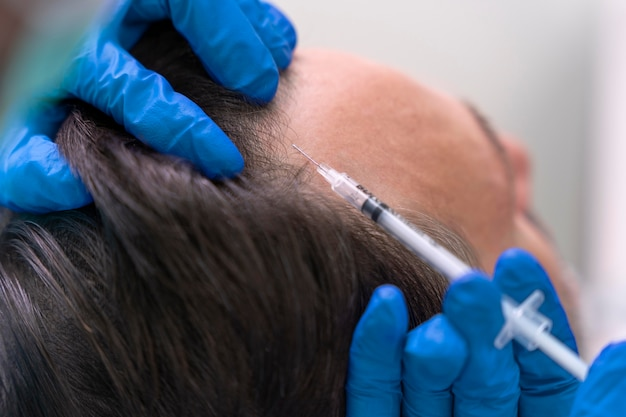
Promoting Hair Growth Through Lifestyle Changes
In addition to medical treatments, certain lifestyle changes can help promote hair growth and slow down the progression of alopecia areata. Here are a few tips:
Reduce Stress: Stress can worsen autoimmune diseases, so practicing stress-management techniques such as meditation or yoga can be beneficial.
Use Gentle Hair Products: Avoid harsh chemicals in shampoos and conditioners, and opt for products that protect the scalp and promote hair health.
Maintain a Healthy Diet: An anti-inflammatory diet, such as the Mediterranean diet, rich in fruits, vegetables, and healthy fats, can support hair regrowth.
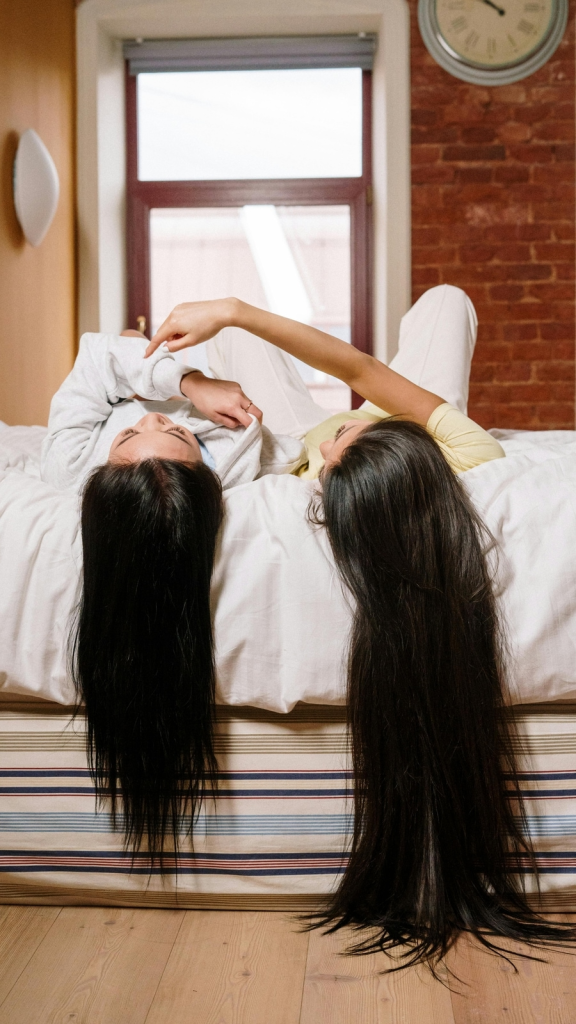
Coping with Hair Loss Emotionally
Hair loss, especially in the form of alopecia areata, can be emotionally challenging. It affects self-confidence and social interactions, leading to feelings of embarrassment or anxiety. Seeking emotional support from therapists or joining support groups for people with alopecia can help individuals navigate the psychological impact of the condition.
Preventing Further Hair Loss
Preventing further hair loss can be challenging with alopecia areata, as the triggers vary from person to person. However, managing autoimmune conditions through diet, stress reduction, and medical care can help reduce flare-ups. Regularly using hair products that protect the scalp and avoiding harsh chemical treatments can also help maintain the health of existing hair.
For more information on the best products to maintain healthy hair, check out this guide on top hair products that support hair growth and scalp health.
Medical Treatments and Future Prospects
Research continues into finding more effective treatment options for alopecia areata. Some emerging therapies include biologic drugs that target the immune system’s specific cells and new forms of laser therapy to stimulate hair growth. For now, patients should consult with a healthcare provider to discuss the best combination of treatments for their individual cases.
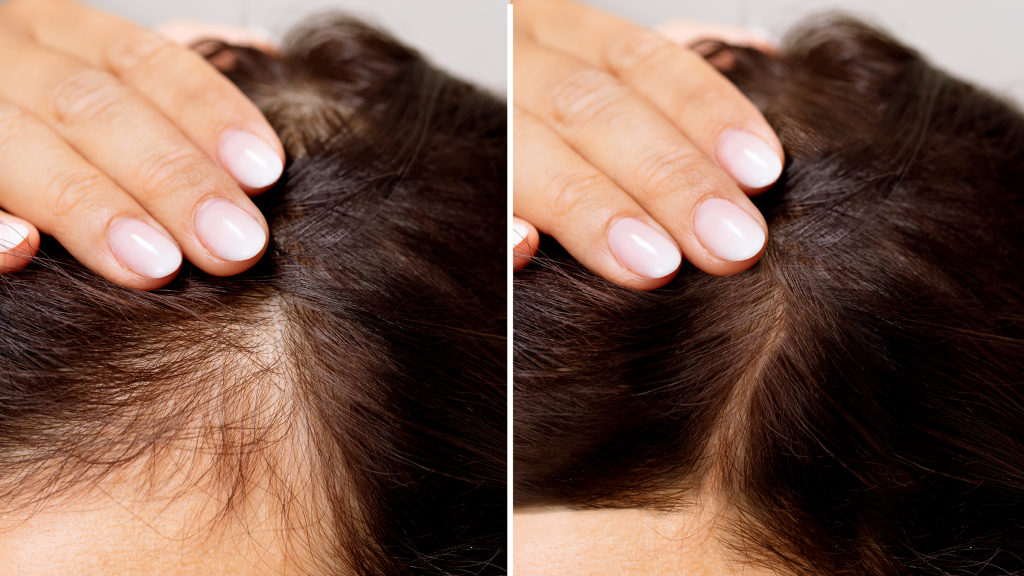
FAQs About Alopecia and Hair Loss
Alopecia typically causes sudden hair loss in small, round bald patches on the scalp or body. If you notice patchy hair loss or thinning hair, it’s best to consult a dermatologist for a proper diagnosis.
While there is no permanent cure for alopecia areata, treatments like steroid injections, topical hair growth medications, and contact immunotherapy can help manage the condition and stimulate hair regrowth. Vitamin D supplements and reducing stress may also improve symptoms.
To calm alopecia areata, stress management is crucial. Additionally, treatments like corticosteroids and immunotherapy can help reduce inflammation and prevent further hair loss. A balanced diet and vitamins like vitamin D may also be beneficial.
Yes, bald spots can grow back in many cases of alopecia areata. With treatment, such as steroid injections or topical solutions, many people experience hair regrowth in affected areas.
If you notice a bald spot, it’s a good idea to consult a doctor. It could be due to various causes like alopecia areata, telogen effluvium, or pattern baldness. Early intervention can help prevent further hair loss.
Treatments for bald spots include corticosteroid injections, topical medications like minoxidil, and hair growth treatments. A healthy diet, vitamin supplements, and stress reduction can also promote regrowth.
Deficiencies in vitamins such as vitamin D, iron, and B12 are often linked to hair loss. Ensure you have a balanced diet or consider supplements if you suspect a deficiency.
Bald patches can be caused by alopecia areata, traction alopecia (from pulling or tight hairstyles), stress, or other conditions like telogen effluvium. Autoimmune conditions and scalp infections can also lead to bald spots.
While alopecia areata is unpredictable, many people experience hair regrowth over time. For some, hair can grow back within months, especially if the condition is treated early with hair growth treatments like steroids or immunotherapy. However, in more severe cases such as alopecia totalis or alopecia universalis, regrowth may take longer or be incomplete.
Yes, hair can regrow in bald spots, especially if treated early. Treatments like minoxidil, corticosteroid injections, and lifestyle changes can promote hair growth in affected areas.
Patchy hair loss could be caused by alopecia areata, an autoimmune condition where the immune system attacks hair follicles. Other causes include stress, infections, or hormonal imbalances.
Yes, hair can often regrow after a bald patch, especially with the right treatment like steroid injections, topical treatments, and stress management techniques.
Yes, alopecia areata can be unpredictable. Hair may fall out and regrow at different times, depending on how the condition progresses and responds to treatment.
Yes, with treatment, many people see hair regrow in areas where they had a bald spot. The regrowth process can vary in length and success depending on the severity and cause of the baldness.
A sudden bald patch may be caused by alopecia areata, stress, or other conditions like telogen effluvium. It’s best to consult a doctor for a proper diagnosis and treatment plan.
Yes, with the right treatment and care, hair can grow back in a bald spot. Corticosteroid injections, topical treatments, and a balanced diet can aid the regrowth process.
A sudden bald spot could be a sign of alopecia areata, where the immune system attacks hair follicles. Stress, nutritional deficiencies, and other health conditions can also lead to hair loss in patches.
The exact cause of alopecia areata is unknown, but it is often triggered by a combination of genetic predisposition and environmental factors like viral infections or stress.
Hair loss on the back of the head could be due to conditions like alopecia areata, telogen effluvium, or even tight hairstyles causing traction alopecia. A doctor can help determine the exact cause.
To treat hair loss on the crown, topical treatments like minoxidil, medications like finasteride, or hair transplants are commonly recommended. A balanced diet and proper hair care can also help.
If you’re noticing thinning hair or bald spots, it could be an early sign of hair loss conditions like male or female pattern baldness. It’s best to consult a dermatologist to determine if you’re truly experiencing hair loss or if it’s temporary thinning.
Living with Alopecia Areata
Living with alopecia areata can be difficult, but it’s important to remember that it does not impact overall health. With the right treatments and support systems, individuals can manage hair loss, stimulate hair regrowth, and regain confidence. As research advances, new alopecia treatments offer hope for those looking to restore their hair. For a complete hair care routine, consider incorporating some of the top-rated hair products into your regimen to ensure healthy hair and scalp care.