Aging is an inevitable process, but that doesn’t mean your skin has to reflect every year that passes. With the right skincare routine and products, you can address aging signs on the face, neck, and hands, maintaining youthful, radiant skin and minimizing the effects of time. This comprehensive guide covers everything you need to know about skin aging, anti-aging products, and the best strategies for maintaining a healthy complexion. By understanding how intrinsic and extrinsic factors influence skin aging and leveraging scientifically-backed ingredients, you can take control of your skincare and enjoy smoother, healthier skin.
For a curated list of the most effective skincare products, check out our Top 10 Skincare Product Providers to find the best solutions for your routine, or explore the Top 20 Best-Selling Beauty Products on Amazon for popular, proven options loved by users worldwide.

Understanding Skin Aging: What Causes Your Skin to Age?
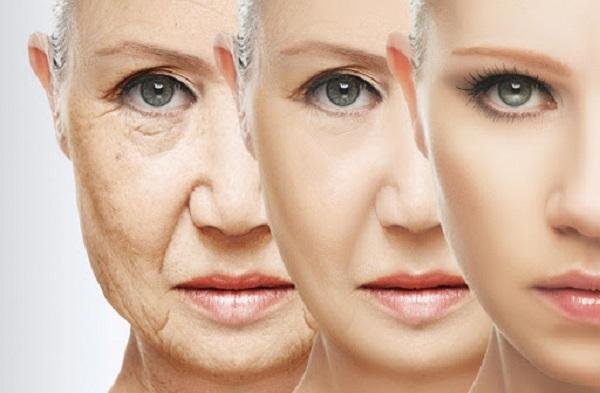
Skin aging happens in two primary ways: intrinsic aging and extrinsic aging. While intrinsic aging is a natural part of growing older, extrinsic aging can often be controlled or minimized with proper care and lifestyle choices.
Intrinsic Skin Aging: Your Skin’s Natural Journey
Intrinsic aging refers to the skin’s natural aging process, driven by internal biological factors like genetics, hormone changes, and cellular metabolism. This process starts as early as your mid-20s but becomes more visible as you reach your 40s and beyond. Intrinsic aging is marked by:
Decreased collagen production, which causes skin to lose firmness.
Reduced elastin, leading to sagging and loss of elasticity.
Thinner skin, making it more fragile and prone to fine lines.
Over time, intrinsic aging results in wrinkles, fine lines, and an overall loss of plumpness, but it progresses gradually and can be influenced by how well you care for your skin.
Extrinsic Skin Aging: External Factors That Accelerate Aging
Extrinsic aging, in contrast, is caused by external factors, many of which can be controlled or minimized. The most significant extrinsic aging factor is sun exposure, which accelerates collagen breakdown and leads to age spots, wrinkles, and other visible signs of damage. Other external factors include:
Pollution: Environmental pollutants can damage skin cells and accelerate aging.
Smoking: Smoking reduces blood flow to the skin and causes premature wrinkling.
Diet: A diet high in sugars and processed foods can increase skin inflammation and weaken collagen.
Stress and Lack of Sleep: Chronic stress and insufficient sleep impair your skin’s ability to repair itself, causing early signs of aging.
Understanding both types of skin aging is crucial for creating a skincare routine that addresses these processes and helps mitigate their effects.
Key Signs of Aging Skin
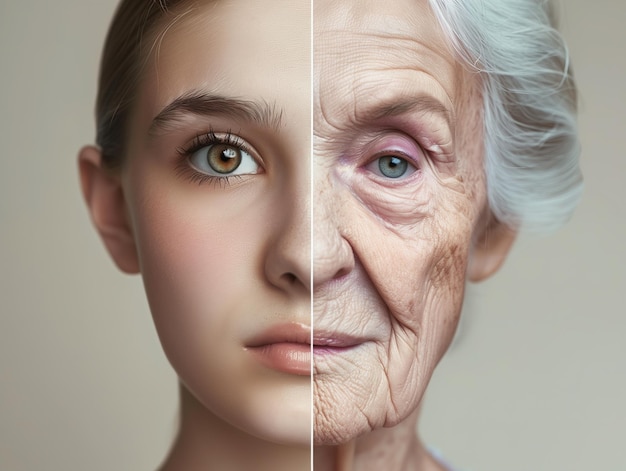
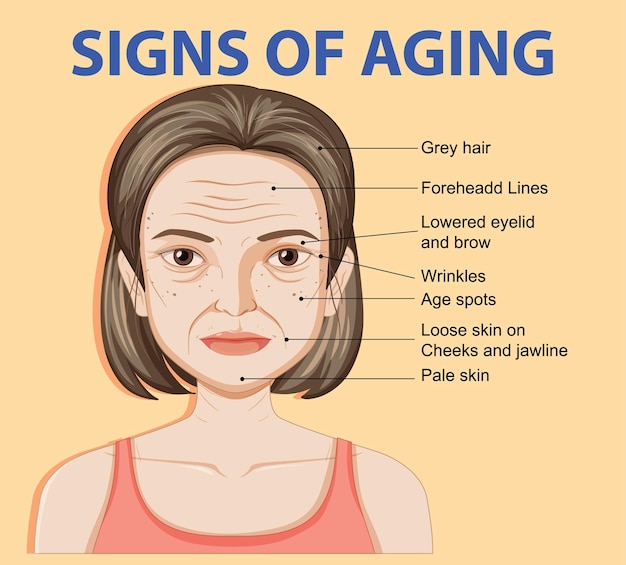
Fine Lines and Wrinkles: Caused by a decrease in collagen production, these lines deepen over time, especially around the eyes and mouth.
Age Spots and Dark Spots: Caused by sun exposure and photoaging, these appear as areas of hyperpigmentation.
Loss of Firmness: A result of reduced collagen and elastin, leading to sagging skin, especially around the jawline and cheeks.
Thinning Skin and Increased Sensitivity: Skin becomes thinner and more prone to damage and irritation due to a weakened barrier.
Dryness and Skin Irritation: Aging skin produces less natural oil, leading to dryness and, often, increased skin irritation.
By addressing these key signs of aging, you can achieve and maintain younger looking skin.
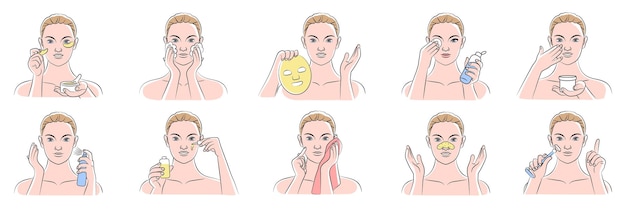
Building an Effective Anti-Aging Skin Care Routine
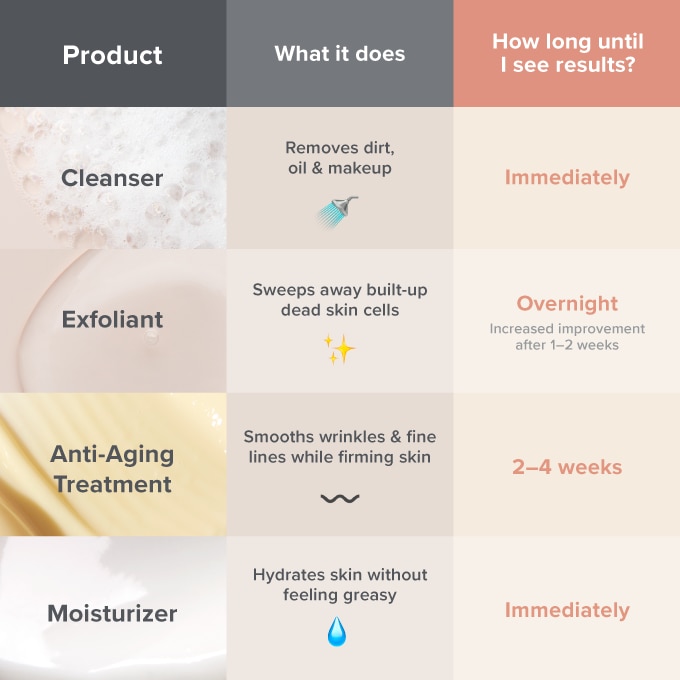
Step 1: Gentle Cleansing
The foundation of any good skincare routine is proper cleansing. As we age, our skin becomes more delicate, so it’s essential to use a gentle cleanser that effectively removes dirt, oil, and impurities without stripping the skin of its natural moisture.
For dry skin: Choose a cream-based or hydrating cleanser to maintain moisture balance.
For sensitive skin: Opt for fragrance-free cleansers with soothing ingredients like glycerin or ceramides to prevent irritation.
Step 2: Exfoliation to Promote Cell Turnover
Exfoliation is key to maintaining cell turnover and removing dead skin cells that can cause dullness. Using chemical exfoliants like AHAs (alpha-hydroxy acids) and BHAs (beta-hydroxy acids) promotes skin renewal and improves texture without the abrasive effects of harsh scrubs.
AHAs (like glycolic acid) help with uneven skin tone and texture, while BHAs (like salicylic acid) are great for oily or acne-prone skin.
Avoid harsh physical scrubs, as they can cause skin irritation and microtears, particularly in aging skin.
Step 3: Applying Serums with Key Active Ingredients
Serums are packed with active ingredients that address specific skin concerns:
Vitamin C (Ascorbic Acid): A potent antioxidant that promotes collagen synthesis, reduces dark spots, and brightens the skin.
Retinol: Boosts collagen production and increases cell turnover, reducing fine lines and wrinkles. Start with a low concentration and gradually increase to avoid irritation.
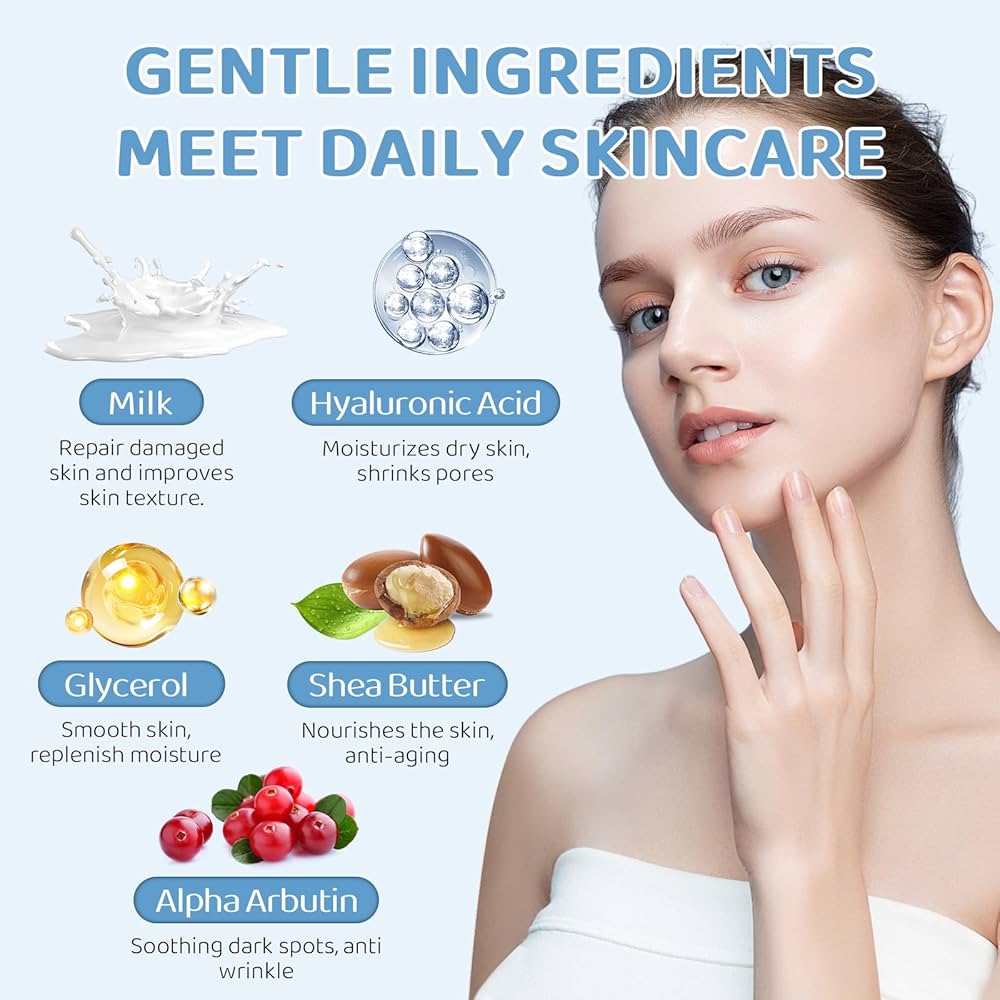
Hyaluronic Acid: Helps maintain hydration by drawing moisture into the skin, plumping the skin, and reducing the appearance of fine lines.
Step 4: Moisturizing for Hydration
As skin ages, its ability to retain moisture diminishes. Using a moisturizer that contains ceramides (to repair the skin barrier) and hyaluronic acid (for deep hydration) is essential for keeping skin firm and hydrated.
Choose richer, more emollient creams for dry skin and lighter formulas for oily or combination skin.
Step 5: Sun Protection
One of the most critical steps in any anti-aging routine is the daily use of broad-spectrum sunscreen. UV exposure is a leading cause of extrinsic skin aging, resulting in wrinkles, dark spots, and loss of elasticity.
Apply a sunscreen with at least SPF 30 daily to prevent sun damage and protect against both UVA and UVB rays. Reapply throughout the day if exposed to the sun for long periods.
Key Anti-Aging Ingredients to Look For
Vitamin C (Ascorbic Acid)
Vitamin C is a powerful antioxidant that plays a crucial role in reducing dark spots and boosting collagen synthesis. It helps brighten the skin, evens out skin tone, and reduces the appearance of hyperpigmentation. Additionally, it protects the skin from damage caused by free radicals and UV exposure, making it essential for maintaining a youthful glow.
Retinol and Retinoids
Retinol and other retinoids are among the most effective ingredients for promoting cell turnover and stimulating collagen production. By accelerating the skin’s natural renewal process, they help reduce fine lines, improve skin texture, and smooth out wrinkles. Regular use can result in firmer, more youthful-looking skin over time.
Hyaluronic Acid: Hydration and Plumping
Hyaluronic acid is a powerful humectant that draws moisture into the skin, providing intense hydration. It helps to plump the skin, making fine lines less noticeable and improving overall skin elasticity. Hyaluronic acid is particularly beneficial for dry or mature skin, as it helps maintain hydration and a supple texture.
Peptides and Growth Factors
Peptides and growth factors are proteins that signal the skin to produce more collagen and elastin. They play a significant role in improving firmness and elasticity, helping to reduce the appearance of sagging and giving the skin a firmer, more lifted appearance over time.
Antioxidants: Vitamin E, Ferulic Acid, and More
Antioxidants like vitamin E and ferulic acid protect the skin from environmental damage caused by pollution, UV rays, and free radicals. These ingredients help neutralize oxidative stress, which can accelerate skin aging, and they work best when combined with other antioxidants like vitamin C to provide comprehensive protection and anti-aging benefits.
Choosing the Right Anti-Aging Products
When selecting anti-aging products, it’s crucial to choose formulations that not only match your specific skin concerns but also suit your skin type. With so many products on the market, it’s essential to focus on ingredients that are scientifically backed rather than relying on marketing claims. Here’s a detailed guide to help you make informed choices.
1. Considerations for Different Skin Types
Your skin type plays a key role in determining which anti-aging products will be most effective. Whether your skin is oily, dry, combination, or sensitive, choosing the right products can help prevent irritation and improve results:
Oily Skin: If you have oily skin, opt for lightweight, non-greasy formulations like serums and gel-based moisturizers. Look for products labeled as non-comedogenic, meaning they won’t clog pores, and consider anti-aging ingredients like retinol or salicylic acid, which help regulate oil production while boosting collagen synthesis. Retinol is especially effective for addressing fine lines, as it promotes cell turnover and reduces wrinkles without adding excess moisture.
Dry Skin: For dry skin, hydration is critical. Look for rich, emollient creams or balms that contain deeply hydrating ingredients like hyaluronic acid, glycerin, and ceramides. These ingredients help to lock in moisture and strengthen the skin’s natural barrier. Anti-aging products that combine retinol with moisturizers are ideal for minimizing dryness while still offering wrinkle-reducing benefits. Additionally, using products with peptides can help restore elasticity and provide long-lasting hydration.
Combination Skin: If your skin is a combination of dry and oily areas, choose balancing products that hydrate dry patches without overloading oilier regions. Lightweight gel moisturizers or lotions with ingredients like niacinamide (to regulate oil) and hyaluronic acid (to hydrate) are excellent options. You can also layer specific treatments—using retinol or peptides on areas with fine lines and opting for lighter products in oil-prone zones.
Sensitive Skin: Sensitive skin requires extra care, especially when incorporating anti-aging ingredients that may cause irritation, such as retinol or chemical exfoliants. Look for fragrance-free and hypoallergenic products that are gentle on the skin, and introduce active ingredients slowly to avoid flare-ups. Ingredients like niacinamide and peptides are great for anti-aging without causing irritation. For retinoids, start with lower concentrations or opt for gentler versions like retinyl palmitate.
2. Clinically Proven Products vs. Marketing Hype
With so many products claiming miraculous results, it’s important to differentiate between clinically proven ingredients and marketing gimmicks. Many anti-aging products boast quick fixes, but in reality, skin improvements take time and consistent use. Here are key ingredients to look for that are backed by science:
Retinol and Retinoids: Widely regarded as the gold standard in anti-aging, retinoids are derived from vitamin A and have been proven to increase cell turnover, reduce wrinkles, and promote collagen production. Retinol is the most common form available over the counter, while stronger retinoids like tretinoin are available by prescription.
Vitamin C (Ascorbic Acid): This powerful antioxidant helps protect the skin from free radical damage, brightens dark spots, and boosts collagen synthesis. Products with stabilized forms of vitamin C are essential for preventing photoaging and maintaining an even skin tone.
Hyaluronic Acid: Known for its ability to retain moisture, hyaluronic acid plumps the skin and reduces the appearance of fine lines by delivering deep hydration. Look for products with multiple forms of hyaluronic acid to ensure maximum penetration into the skin’s layers.
Peptides: These are short chains of amino acids that help stimulate collagen production and strengthen the skin’s support structure. Products with peptides can improve skin elasticity and firmness over time.
Niacinamide: This form of vitamin B3 is ideal for sensitive skin, as it helps improve skin texture, reduce the appearance of fine lines, and even out skin tone without causing irritation.
Avoid products that make exaggerated claims, like promising to completely erase wrinkles or deliver overnight results. Skin aging is a gradual process, and it’s important to approach anti-aging treatments with realistic expectations.
How to Avoid Skin Irritation from Strong Active Ingredients
To prevent irritation from potent ingredients like retinol or AHAs/BHAs, start with a lower concentration and use them only a few times a week. Gradually increase frequency as your skin builds tolerance. Always apply moisturizer after using active ingredients to maintain hydration, and avoid combining too many strong ingredients in one routine.
Addressing Specific Skin Concerns
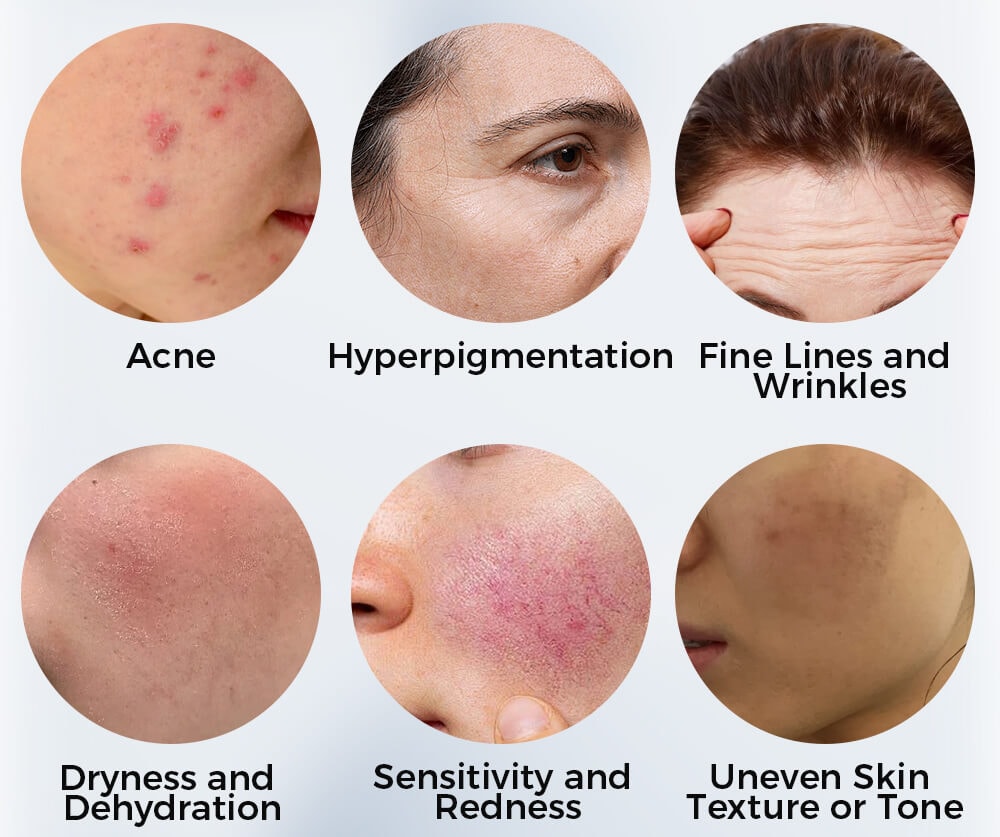
Fine Lines and Wrinkles
The best products for reducing fine lines and wrinkles are retinol serums and creams. Retinol promotes collagen production and cell turnover, which smooths out the skin and reduces the appearance of wrinkles over time. Pair retinol with hyaluronic acid to keep the skin hydrated.
Dark Spots and Hyperpigmentation
To address dark spots and hyperpigmentation, use products containing vitamin C for brightening and chemical peels with AHAs or BHAs to promote cell turnover. These ingredients work together to lighten dark spots and even out skin tone.
Loss of Firmness and Elasticity
Products containing collagen-boosting ingredients like peptides, growth factors, and retinol can help improve skin firmness and elasticity. Consistent use of these ingredients helps rebuild the skin’s structural proteins, resulting in a firmer, lifted appearance.
Dry and Sensitive Skin
For dry or sensitive skin, choose fragrance-free and hypoallergenic products to avoid irritation. Moisturizers with ceramides and hyaluronic acid are essential for maintaining hydration and repairing the skin’s protective barrier, which is crucial for soothing and protecting sensitive skin.
Expert Tips for a Smoother, More Youthful Complexion
Start Early with Anti-Aging Skin Care
Starting an anti-aging routine in your late 20s or early 30s can help prevent early signs of aging such as fine lines and dark spots. By incorporating sunscreen, vitamin C, and hydrating products early, you can maintain youthful-looking skin for longer.
Consistency and Patience
Consistency is key to seeing results from anti-aging products. Whether you’re using retinol, peptides, or moisturizers, results take time—typically 6 to 12 weeks. Stick to your routine to allow active ingredients to work.
Avoiding Skin Irritation from Active Ingredients
Overusing strong ingredients like retinol, vitamin C, or exfoliants can cause skin irritation. Start slow with lower concentrations, apply them at different times (e.g., retinol at night, vitamin C in the morning), and always pair them with moisturizers to prevent irritation.
Consulting a Dermatologist for Personalized Care
If you have specific concerns or want more advanced treatments, consider seeing a dermatologist. They can offer personalized advice and recommend treatments like chemical peels, microdermabrasion, or laser therapy to address deeper wrinkles or hyperpigmentation.
Lifestyle Changes for Healthy, Youthful Skin
Diet and Skin Health
A balanced diet plays a vital role in promoting collagen production and overall skin health. Consuming foods rich in antioxidants, like fruits and vegetables, helps fight free radical damage, while omega-3 fatty acids from fish or flaxseeds support skin hydration and elasticity.
Staying Hydrated
Drinking water throughout the day is essential for maintaining skin hydration and elasticity. Proper hydration helps plump the skin, reducing the appearance of fine lines and keeping the skin soft and smooth.
Exercise and Circulation
Regular exercise increases blood flow, which delivers oxygen and nutrients to the skin, boosting collagen synthesis. This helps maintain a healthy glow and improves overall skin tone and texture.
Adequate Sleep
Getting 7-9 hours of sleep each night allows the skin to regenerate and repair itself. Lack of sleep can lead to the formation of fine lines, dark circles, and dull-looking skin. Prioritizing sleep ensures your skin stays refreshed and youthful.
Avoiding Excess Sun Exposure
Limiting sun exposure and using broad-spectrum sunscreen daily is crucial for preventing extrinsic aging caused by harmful UV rays. Sunscreen helps protect against wrinkles, dark spots, and other signs of photoaging.
Common Skin Concerns and How to Address Them
As skin ages, a variety of concerns begin to surface, ranging from wrinkles to hyperpigmentation and loss of elasticity. Each issue requires a targeted approach, and the right skin care routine can help you effectively address these problems and improve your overall skin health. Here’s a detailed guide on how to tackle these common skin concerns using proven strategies and anti-aging products.
Wrinkles: Best Practices for Reducing Wrinkles
Wrinkles are one of the most common and visible signs of aging. They are primarily caused by the natural decline in collagen production, but environmental factors like sun exposure and lifestyle habits (e.g., smoking) can also accelerate their development. While wrinkles are inevitable, there are ways to reduce their appearance and prevent new ones from forming.
Retinol:
- Retinol (a derivative of vitamin A) is one of the most effective ingredients for minimizing wrinkles. It works by increasing cell turnover, promoting collagen synthesis, and smoothing the skin’s texture.
- Apply a retinol serum or cream at night, starting with a lower concentration to allow your skin to adjust. Over time, retinol helps reduce the depth of fine lines and wrinkles.
Anti-Wrinkle Creams:
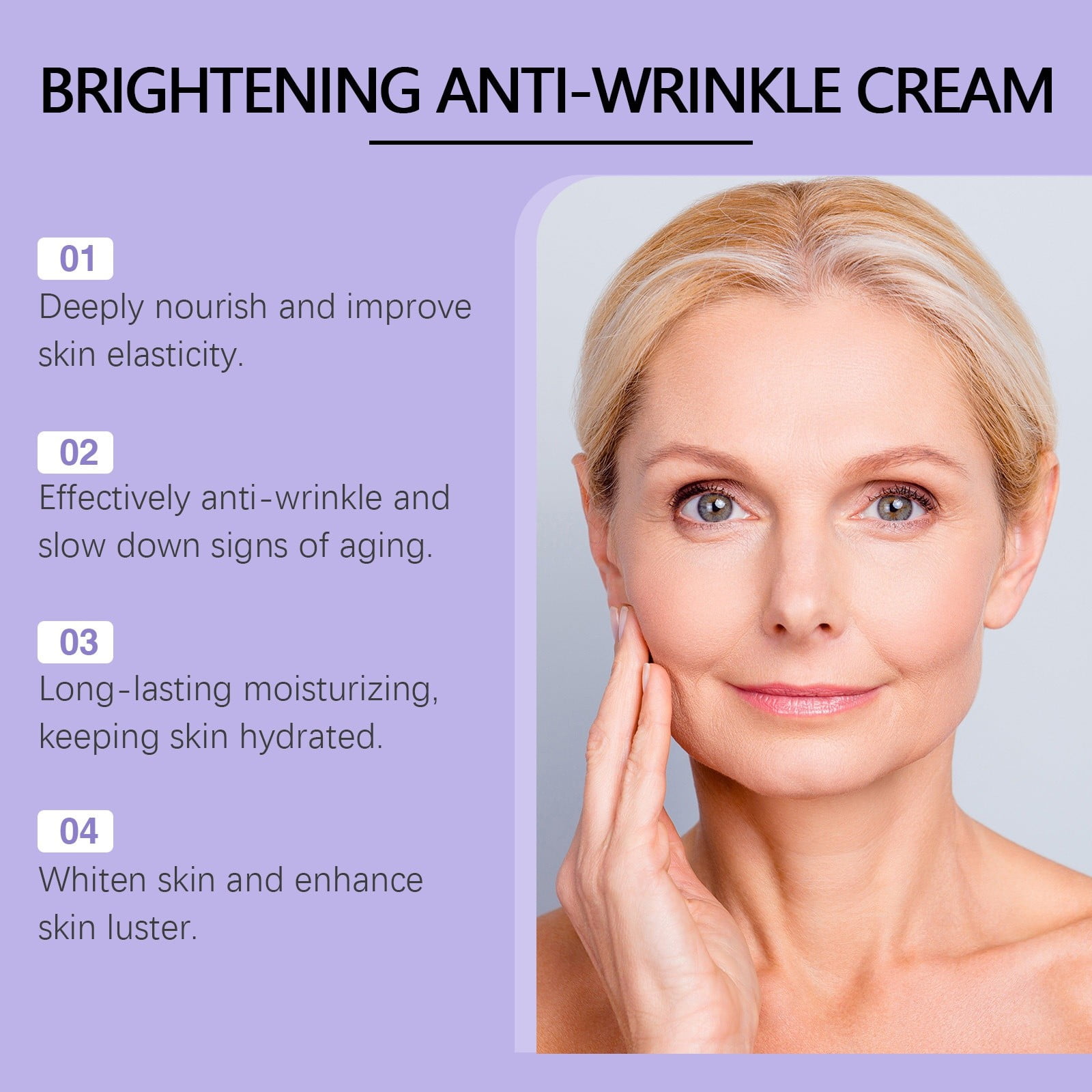
Look for anti-wrinkle creams that contain peptides, hyaluronic acid, and growth factors. These ingredients help hydrate the skin, plump fine lines, and stimulate collagen production.
Regular use of anti-wrinkle creams, especially those containing retinoids or peptides, can improve skin texture and reduce the visible signs of aging.
Sun Protection:
Preventing further wrinkle formation is key, and the most effective way to do this is by wearing broad-spectrum sunscreen daily. UV radiation is one of the leading causes of premature wrinkles, so protecting your skin from the sun will significantly reduce wrinkle development.
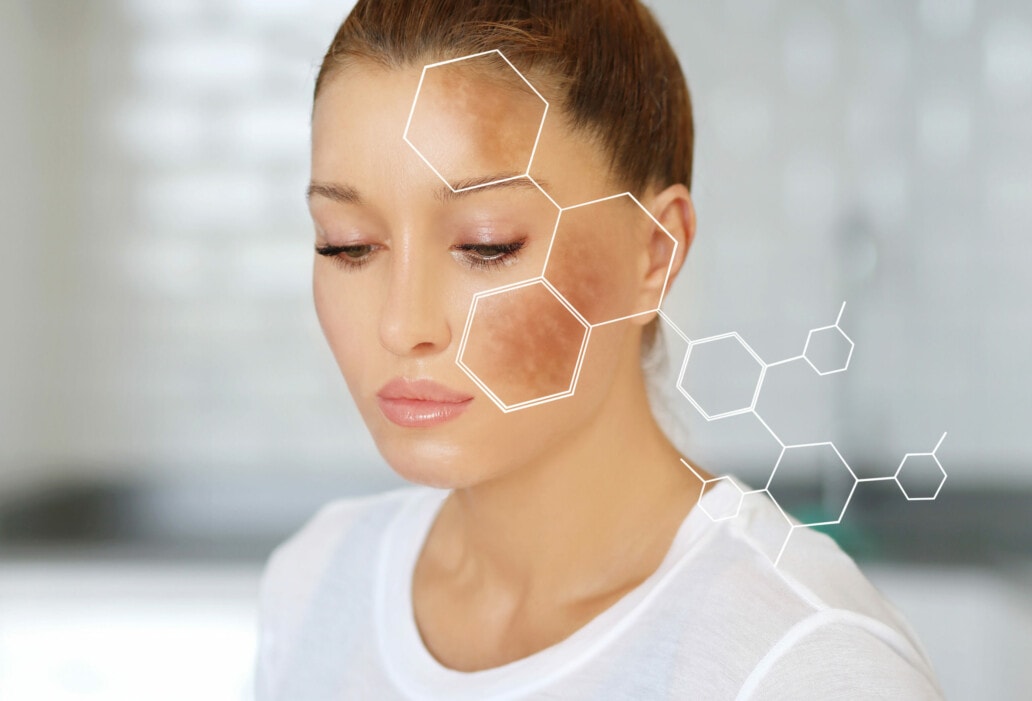
Hyperpigmentation: Using Chemical Peels and Vitamin C to Reduce Dark Spots
Hyperpigmentation, including age spots and dark spots, is another common concern, especially as we age. This uneven skin tone is often the result of sun exposure and photoaging, where UV rays cause an overproduction of melanin in certain areas. Here’s how to address it:
Chemical Peels:
Chemical peels help remove the outer layer of the skin, encouraging cell turnover and revealing fresh, more even-toned skin underneath. Peels containing alpha-hydroxy acids (AHAs) or beta-hydroxy acids (BHAs) can effectively reduce dark spots.
Regular use of mild at-home peels (once or twice a week) can help lighten areas of hyperpigmentation over time.
Vitamin C:
Vitamin C (ascorbic acid) is a powerful antioxidant known for its brightening effects. It helps reduce the appearance of dark spots by inhibiting melanin production and promoting collagen synthesis.
Use a vitamin C serum in the morning to protect against free radicals and gradually lighten age spots. Over time, it helps improve overall skin tone and radiance.
Niacinamide:
Another effective ingredient for reducing dark spots is niacinamide (vitamin B3), which helps regulate melanin and brighten the complexion without irritating the skin.
Incorporating niacinamide serums or moisturizers can also aid in diminishing hyperpigmentation, especially for those with sensitive skin.
Dryness: Keeping Skin Hydrated with Moisturizers Containing Hyaluronic Acid
Dryness is a common issue as we age due to a reduction in the skin’s ability to retain moisture. As skin loses natural oils and the protective lipid barrier weakens, it can lead to flakiness, tightness, and a rough texture. Proper hydration is key to combating dryness and keeping the skin soft and supple.
Hyaluronic Acid:
Hyaluronic acid is a humectant that can hold up to 1,000 times its weight in water, making it an essential ingredient for maintaining hydration. It attracts moisture from the environment and locks it into the skin, helping to keep it plump and hydrated.
Incorporate a hyaluronic acid serum into your routine before applying a moisturizer to maximize hydration. This will give your skin an immediate plumping effect and reduce the appearance of fine lines.
Moisturizers with Ceramides:
Look for moisturizers containing ceramides, which are essential for maintaining the skin’s protective barrier and preventing moisture loss. Ceramides help to restore and strengthen the skin’s barrier, improving its ability to retain hydration.
Using a rich moisturizer formulated with ceramides and glycerin is especially important during colder months when dryness is more severe.
Oils and Occlusives:
For extremely dry skin, adding a facial oil or using occlusive ingredients like shea butter can help seal in moisture and provide an extra layer of protection against dehydration. Oils like squalane or jojoba oil mimic the skin’s natural oils and prevent moisture from evaporating.
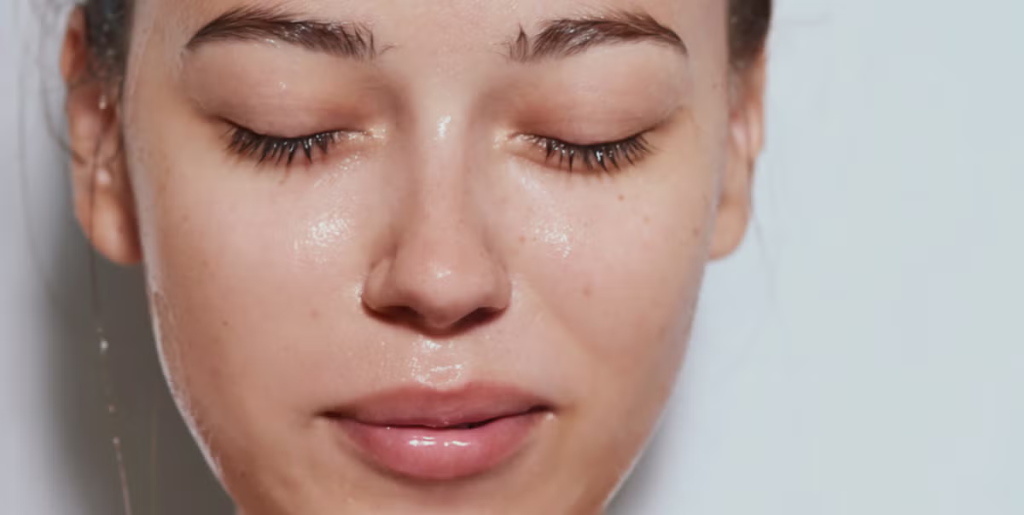
Sensitive Skin: How to Choose Gentle Cleansers and Fragrance-Free Products
As skin becomes thinner and more delicate with age, it’s common for sensitive skin to develop. Sensitive skin may react to certain ingredients or environmental factors with redness, irritation, and dryness. Here’s how to manage it:
Gentle Cleansers:
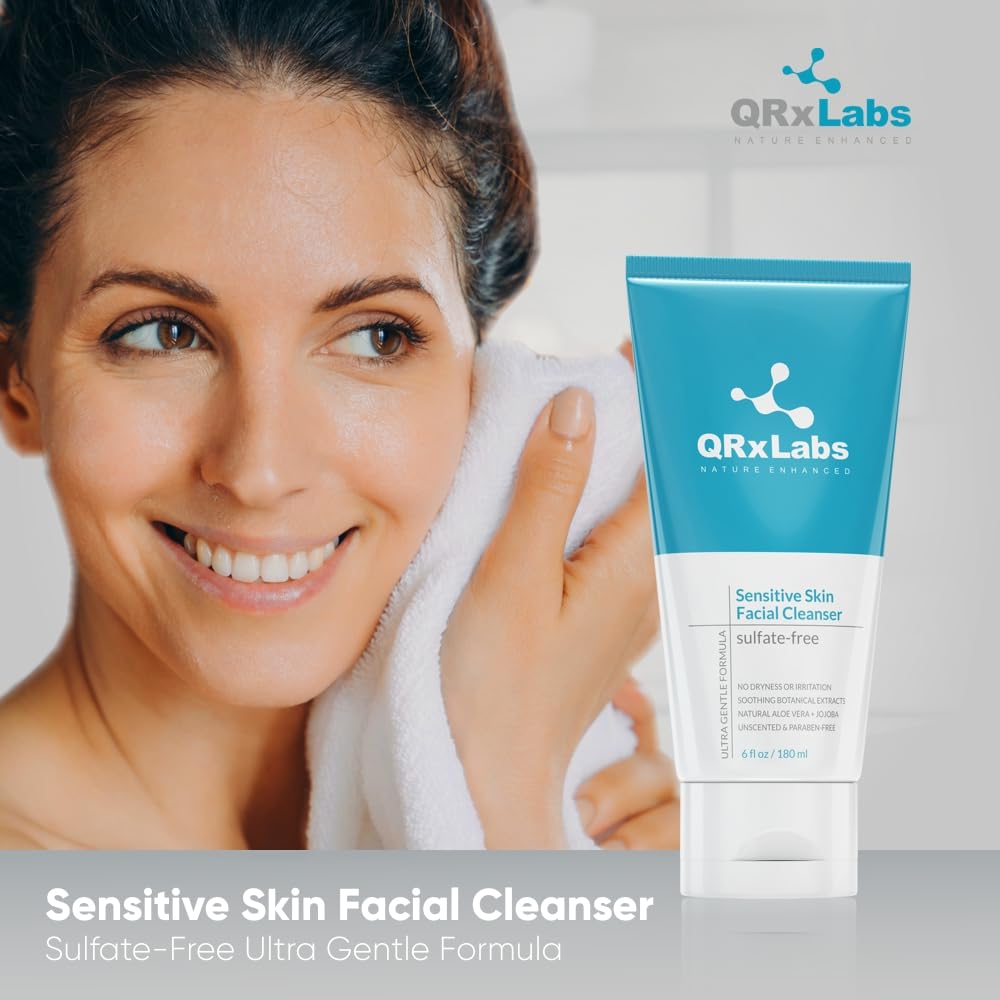
Use a gentle, hydrating cleanser that cleans without stripping the skin of its natural oils. Harsh cleansers can exacerbate dryness and lead to irritation, so opt for mild, fragrance-free cleansers with ingredients like ceramides and glycerin to cleanse the skin without causing damage.
Avoid cleansers containing sulfates, alcohol, or harsh exfoliants, which can irritate sensitive skin.
Fragrance-Free Products:
Fragrance is a common irritant for sensitive skin, so always choose fragrance-free or hypoallergenic products to minimize the risk of reactions.
Look for products labeled as non-comedogenic and formulated specifically for sensitive skin to reduce the likelihood of skin irritation.
Barrier Repair:
Strengthening the skin’s barrier is key to reducing sensitivity. Products containing ceramides, cholesterol, and fatty acids help rebuild the skin’s protective layer, making it more resistant to environmental aggressors and reducing inflammation.
Loss of Elasticity: Rebuilding Elasticity with Growth Factors, Collagen Boosters, and Retinol Serums
As we age, the skin naturally loses its ability to maintain firmness and elasticity due to the reduction in collagen and elastin production. This leads to sagging skin, particularly around the jawline, neck, and eyes. To address loss of elasticity, focus on products that stimulate collagen production and firm the skin.
Retinol Serums:
Retinol is highly effective for boosting collagen production, which helps restore firmness and improve skin elasticity. By increasing cell turnover, retinol smooths fine lines and helps skin retain a youthful, tight appearance.
Use a retinol serum in your nighttime routine to help rebuild the skin’s structure and improve firmness over time.
Collagen Boosters:
Products containing peptides and collagen-boosting ingredients help stimulate the skin’s natural collagen production, leading to firmer and more elastic skin. Look for serums and moisturizers with these ingredients to support skin structure.
Vitamin C also plays a crucial role in collagen synthesis, so using a vitamin C serum in conjunction with other treatments can further improve skin firmness.
Growth Factors:
Growth factors are proteins that stimulate the regeneration of skin cells and boost collagen production. They help repair damaged skin and improve overall elasticity, making them a valuable addition to anti-aging routines targeting loss of firmness.
Incorporate a growth factor serum or cream to support collagen synthesis and enhance skin’s resilience.
Creating a Personalized Skin Care Routine
Developing a personalized skin care routine is essential for maintaining healthy, youthful skin and addressing specific concerns as you age. Your routine should be tailored to your skin type, skin concerns, and lifestyle, and it should adapt as the seasons change. By consistently following a well-structured morning and nighttime routine, along with weekly treatments, you can help slow down the signs of aging and improve the overall health and appearance of your skin.
Morning Routine
Your morning routine is primarily focused on protecting your skin from environmental stressors, particularly sun exposure, while providing hydration and nourishment to keep your skin looking radiant throughout the day. Here’s a step-by-step guide to an effective morning routine:
Cleansing:
Start your day by gently cleansing your skin to remove any oils or impurities that accumulated overnight. Use a gentle cleanser that suits your skin type (e.g., hydrating cleansers for dry skin or gel cleansers for oily skin).
Cleansing prepares your skin to absorb the next products more effectively.
Applying Vitamin C:
After cleansing, apply a vitamin C serum to your face. Vitamin C (also known as ascorbic acid) is a powerful antioxidant that helps protect your skin from free radicals and UV damage, while also brightening your complexion and reducing the appearance of dark spots.
This step helps promote collagen production and prevents premature aging.
Moisturizing:
Hydration is key to keeping the skin supple and smooth. Apply a lightweight moisturizer that contains hyaluronic acid, ceramides, or glycerin to lock in moisture and protect the skin barrier throughout the day.
For oily or combination skin, opt for an oil-free moisturizer that hydrates without clogging pores.
Applying Broad-Spectrum Sunscreen:
The most important step in your morning routine is applying broad-spectrum sunscreen with at least SPF 30. Sunscreen protects your skin from harmful UV rays, which cause extrinsic skin aging such as wrinkles, age spots, and hyperpigmentation.
Reapply sunscreen every two hours if you’re outdoors for extended periods.
By following this simple morning routine, you can help protect your skin from environmental damage, improve its texture, and prevent premature signs of aging.
Night Routine
Your nighttime routine focuses on repairing the skin and delivering active ingredients that target specific aging concerns, such as fine lines, wrinkles, and loss of firmness. The skin repairs itself overnight, so this is the perfect time to incorporate more potent treatments. Here’s how to structure your nighttime routine:
Cleansing:
Remove makeup, sunscreen, and any impurities accumulated throughout the day with a gentle cleanser. This step is essential for allowing your skin to breathe and absorb nighttime treatments.
Double cleansing (using an oil-based cleanser followed by a water-based one) is especially effective if you wear heavy makeup or sunscreen.
Applying Retinol Serum:
After cleansing, apply a retinol serum to help stimulate collagen production, increase cell turnover, and reduce the appearance of fine lines and wrinkles.
Retinol is one of the most powerful anti-aging ingredients, but start with a lower concentration if you’re new to it to avoid irritation. Gradually increase usage as your skin builds tolerance.
For sensitive skin, consider using retinol only a few times a week or choosing a gentler form like retinyl palmitate.
Moisturizing with a Rich Night Cream:
To seal in hydration and provide your skin with extra nourishment overnight, apply a rich moisturizer or night cream. Night creams are typically heavier than day creams and often contain ingredients like hyaluronic acid, ceramides, and peptides, which help repair the skin’s barrier and promote firmness.
If your skin is dry or sensitive, look for night creams that focus on restoring moisture and preventing irritation.
Your night routine is a time for deep nourishment and repair, ensuring that your skin regenerates while you sleep, resulting in a brighter and healthier complexion by morning.
Weekly Treatments
In addition to your daily skincare routine, incorporating weekly treatments can enhance your skin’s appearance and target more specific concerns like dullness, uneven texture, and hyperpigmentation. Here’s how to incorporate these treatments:
Exfoliation:
Exfoliating 1-2 times per week is essential for removing dead skin cells and promoting cell turnover. Use chemical exfoliants containing alpha-hydroxy acids (AHAs) or beta-hydroxy acids (BHAs), which gently exfoliate the skin without causing irritation.
AHAs, such as glycolic acid, are great for improving texture and reducing fine lines, while BHAs like salicylic acid are effective for unclogging pores and treating acne-prone skin.
Chemical Peels:
If your skin can tolerate stronger exfoliation, consider using chemical peels once a week. These peels contain higher concentrations of exfoliating acids and can help brighten the skin, reduce dark spots, and improve overall skin tone and texture.
Be sure to follow the instructions on the product and avoid over-exfoliating, as this can lead to skin irritation or dryness.
Weekly treatments give your skin an extra boost by targeting specific concerns more intensively, helping to maintain smooth, even-toned, and youthful-looking skin.
Adjusting Your Routine Seasonally
Seasonal changes can have a significant impact on your skin, so it’s important to adjust your routine to meet your skin’s needs in different weather conditions. Here’s how to adapt your skincare routine based on the seasons:
Winter:
Cold weather and low humidity can strip your skin of moisture, leading to dryness and flakiness. In winter, switch to a heavier moisturizer that provides more intense hydration and protects the skin’s barrier.
Add hydrating serums containing hyaluronic acid to lock in moisture and prevent dry patches.
Use a gentle cleanser to avoid further drying out your skin and continue to use sunscreen, as UV rays are still harmful in the winter months.
Summer:
In the summer, your skin may become more oily due to increased humidity and heat. Switch to a lightweight, oil-free moisturizer and consider using a mattifying product to control shine.
Continue using broad-spectrum sunscreen daily and reapply more frequently if you’re sweating or swimming.
Add antioxidants like vitamin C to your routine to protect your skin from sun exposure and environmental pollutants.
Spring and Fall:
Transitional seasons like spring and fall may require small adjustments. As temperatures rise in spring, you might switch from a heavy winter moisturizer to a lighter formula.
Fall is a great time to start reintroducing retinol and chemical peels, as the sun’s intensity decreases, reducing the risk of irritation from these stronger treatments.
By adapting your skincare routine to the seasons, you can ensure your skin gets the right balance of hydration, protection, and nourishment all year round.
FAQs About Anti-Aging Skin Care
The best skincare for aging skin includes a consistent routine with a gentle cleanser, moisturizer, broad-spectrum sunscreen, and anti-aging serums like vitamin C, retinol, and hyaluronic acid. These ingredients help combat fine lines, wrinkles, and dark spots.
Effective treatments for aging skin include retinoids, chemical peels, microdermabrasion, laser treatments, and injectable fillers. These target wrinkles, age spots, and loss of firmness.
Brands like SkinCeuticals, La Roche-Posay, CeraVe, and Olay are known for their highly effective anti-aging products that include clinically proven ingredients like vitamin C, retinol, and hyaluronic acid.
Dermatologists often recommend products containing retinoids, peptides, hyaluronic acid, and vitamin C. They may also suggest treatments like chemical peels, micro-needling, or botox for deeper wrinkles.
Top brands for aging skin include SkinCeuticals, Neutrogena, Olay, and La Roche-Posay, offering products with proven ingredients like retinol, vitamin C, and antioxidants that address fine lines, dark spots, and loss of firmness.
The most effective anti-aging treatments include retinoids, chemical peels, laser therapy, and injectable treatments such as botox or dermal fillers. These treatments improve texture, firmness, and reduce wrinkles.
Some of the best anti-aging creams include Olay Regenerist, Neutrogena Rapid Wrinkle Repair, and SkinCeuticals A.G.E. Interrupter, which contain retinol, peptides, and hyaluronic acid to effectively reduce wrinkles and improve skin texture.
The best products for aging skin are those with retinol, vitamin C, hyaluronic acid, and peptides. These ingredients target wrinkles, fine lines, and dark spots while promoting collagen production and hydration.
The best way to improve aging skin is through a comprehensive routine that includes daily sunscreen, retinol, antioxidants like vitamin C, and moisturizers containing hyaluronic acid. Lifestyle changes, like staying hydrated, eating a healthy diet, and avoiding excessive sun exposure, also help.
Achieving Healthy, Youthful-Looking Skin
A well-rounded anti-aging routine is key to maintaining healthy, youthful skin. By incorporating clinically proven products like retinol, vitamin C, and hyaluronic acid, along with consistently protecting your skin from sun exposure, you can effectively slow the aging process and keep your skin radiant.
In addition to a solid skincare routine, making lifestyle changes such as staying hydrated, eating a balanced diet, and exercising regularly will further support your skin’s health and improve overall results.
Final advice: Start your anti-aging routine early, stay consistent, and consult a dermatologist for personalized advice when needed. Remember, skincare is a long-term investment in your skin’s health, so take action now to preserve your youthful glow!
For a deeper dive into the best products to incorporate into your routine, check out our curated lists of the Top 10 Skincare Product Providers and the Top 20 Best-Selling Beauty Products on Amazon. These guides can help you discover the most effective and popular products to enhance your anti-aging regimen.
Start your journey to youthful, glowing skin today!