Thermal drones, equipped with thermal imaging cameras, have revolutionized industries ranging from agriculture to public safety with their ability to capture crucial thermal data from the air. In a market teeming with professional drone options, affordability and value are paramount considerations for prospective buyers looking to harness the power of thermal imaging technology. This article aims to shed light on thermal drones, their wide-ranging applications, and the prices associated with them, helping readers make informed decisions when exploring this advanced technology.
How Does a Drone With Thermal Imaging Camera Work?
A drone equipped with a thermal imaging camera works by capturing and interpreting the heat radiation emitted by objects and surfaces. Here’s a simplified explanation of how it operates:
Thermal Imaging Camera
The drone is equipped with a thermal imaging camera, also known as a thermographic camera or infrared camera. This camera is specifically designed to detect and record infrared radiation, which is essentially heat.
Infrared Sensors
The thermal camera contains an array of infrared sensors that can detect thermal energy in the form of infrared radiation. These sensors convert the detected radiation into electrical signals.

Image Processing
The electrical signals generated by the infrared sensors are then processed by onboard electronics within the camera. This processing converts the signals into a visual representation of temperature variations.
Color Mapping
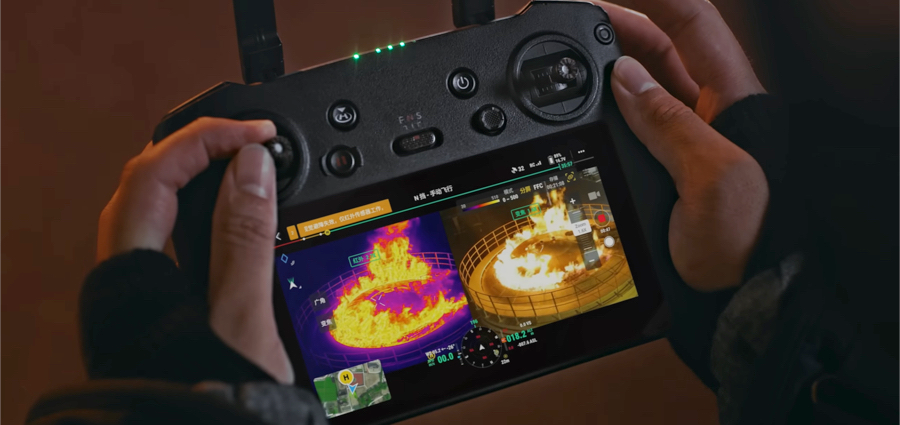
The thermal imaging camera typically uses a color mapping scheme to represent different temperatures. In this scheme, warmer areas are represented in colors like red, orange, or yellow, while cooler areas appear as blue, green, or purple. This color mapping helps users quickly identify temperature differences in the captured images.
Live Feed or Image Capture
Depending on the drone’s capabilities and flight time, the thermal imaging camera can provide a live thermal feed to the operator on the ground or capture thermal images and videos for later analysis.
Data Transmission
In real-time applications, the thermal data is transmitted from the drone to the operator’s controller or mobile device. This allows the operator to monitor the thermal imagery and make decisions based on the information.
Applications of a Thermal Drone
Drones with thermal imaging cameras find applications in various fields, including search and rescue, firefighting, agriculture, construction, infrastructure inspection, and wildlife monitoring. Drones equipped with thermal imaging cameras have found a wide range of applications across various industries, revolutionizing the way professionals in these fields operate. Here are some of the key areas where these advanced aerial tools are making a significant impact:

- Search and Rescue Operations: Thermal drones play a pivotal role in search and rescue missions, particularly in scenarios where time is of the essence. They can swiftly scan large areas, detect heat signatures, and locate missing persons, even in low-light or challenging conditions. This technology significantly enhances the chances of successful rescue operations.
- Firefighting: Firefighters utilize thermal drones to gain critical insights during firefighting efforts. By providing real-time thermal images of fire sources, hotspots, and potentially trapped individuals, these drones help in making informed decisions, directing firefighting efforts more effectively, and ensuring the safety of both responders and victims.
- Agriculture: In agriculture, thermal drones are a game-changer. They can assess crop health, detect irrigation issues, and evaluate the effectiveness of pest control measures. By capturing thermal data, farmers can identify problem areas and take timely corrective actions to optimize crop yield and resource use.
- Construction and Infrastructure Inspection: The construction and infrastructure sectors benefit from thermal imaging drones for assessing structural integrity and identifying potential issues. Drones can detect anomalies in building insulation, locate water leaks, and evaluate the condition of bridges and roads, thus enabling proactive maintenance and enhancing safety.
- Wildlife Monitoring: Researchers and wildlife conservationists rely on thermal drones to observe and study wildlife without causing disruption. The ability to track animal movements, identify species, and monitor their health from a distance is a valuable tool in the realm of wildlife research and conservation efforts.
- Security and Surveillance: Thermal drones are also used for security and surveillance applications. They can monitor large areas, detect unauthorized intrusions, and provide an added layer of safety for critical infrastructure and border control.
Types of Thermal Drones
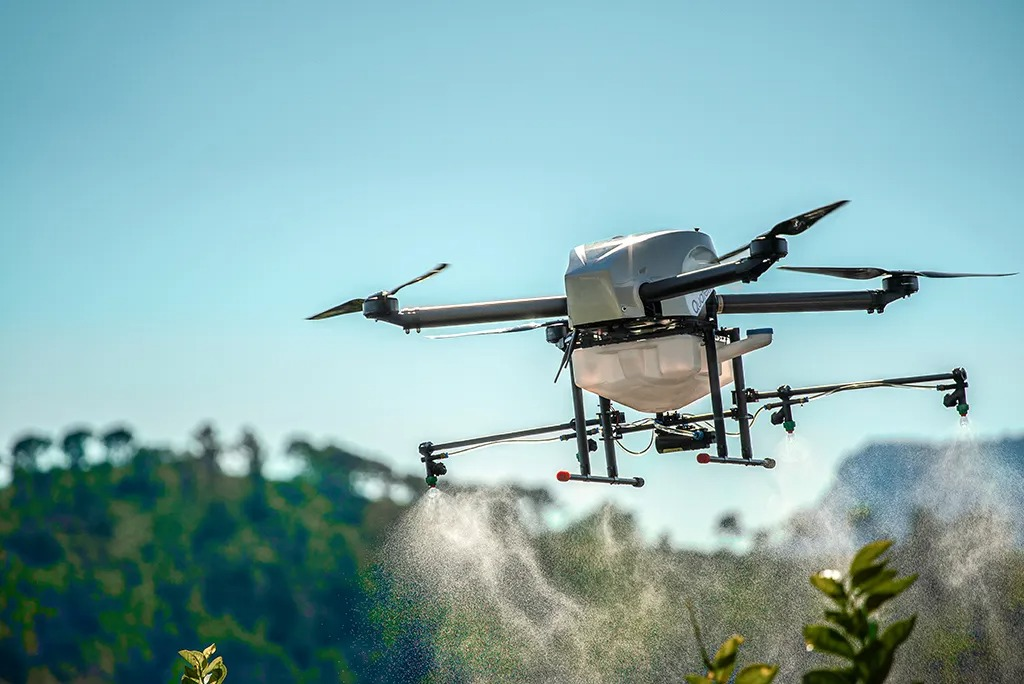
Thermal drones are versatile tools, with various models designed for specific applications. Understanding the different types can help you choose the right one for your needs.
1. Consumer Thermal Drones
These are entry-level thermal drones designed for hobbyists, enthusiasts, and basic professional use. They are often compact, lightweight, and user-friendly. Consumer models are suitable for tasks like home inspections, wildlife observation, and basic search and rescue operations.
2. Prosumer Thermal Camera Drone
Prosumer drones bridge the gap between consumer and professional drone models. They offer more advanced features, better camera quality, and improved flight stability. Prosumer drones are favored by photographers, farmers, and professionals in industries like construction and land surveying.
3. Professional Thermal Cameras Drones
Built for heavy-duty applications, professional thermal drones are equipped with cutting-edge technology. They offer more efficiency, superior camera capabilities, longer flight times, and robust construction. Professionals in fields like public safety, agriculture, and infrastructure inspection rely on these drones for accurate thermal imaging.
4. Industrial Infrared Thermal Imaging Drones
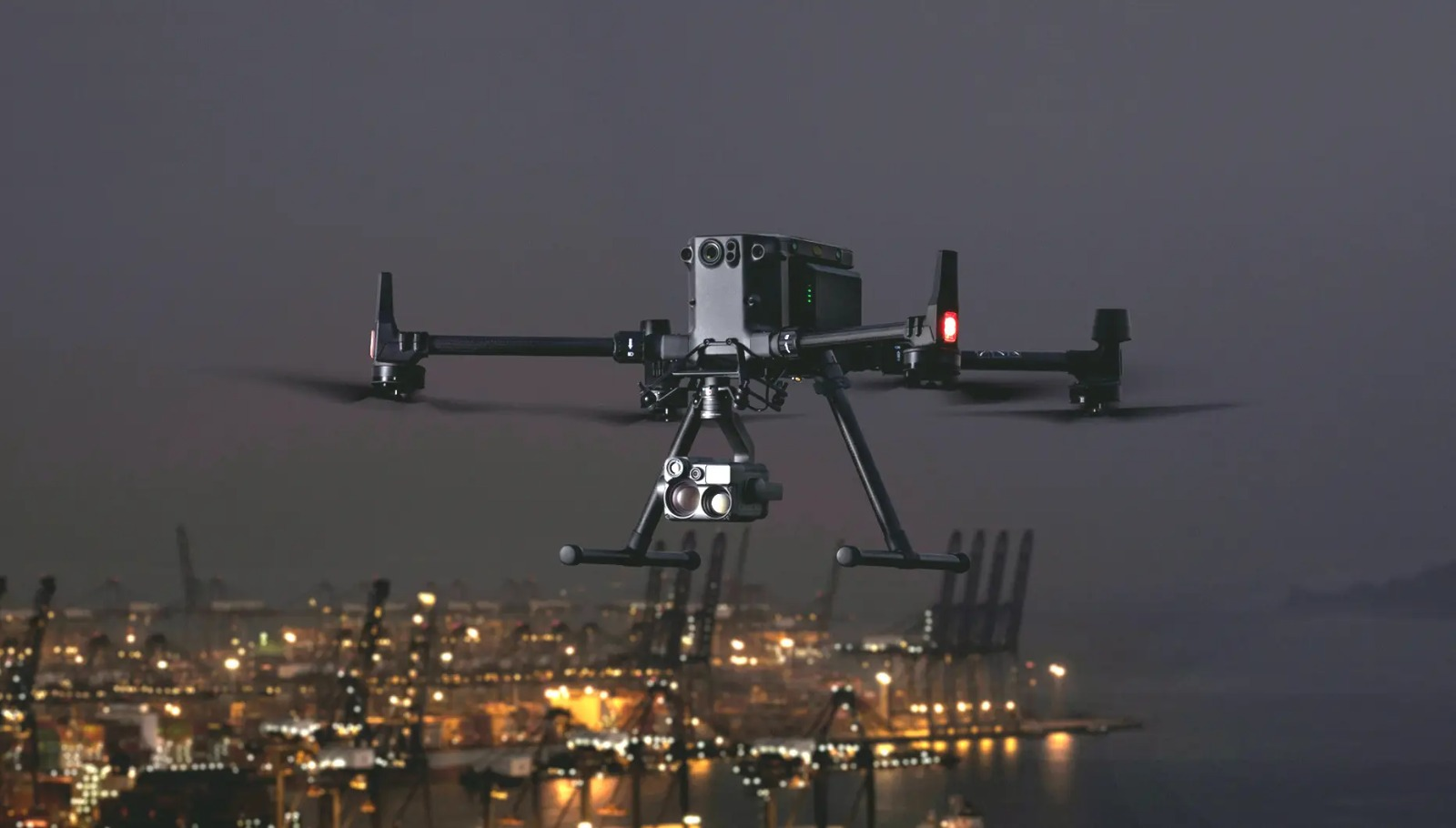
Industrial-grade drones are designed for the most demanding tasks. They feature rugged build quality, extended flight times, top performance and the highest-resolution thermal cameras. Industries such as energy, oil and gas, and scientific research employ industrial thermal drones for critical inspections and data collection.
5. Military and Defense Thermal Drones
In specialized cases, thermal drones are utilized for military and defense purposes. These drones are equipped with advanced safety features, like encrypted communication equipment, and are used for reconnaissance, surveillance, and search and rescue missions.
6. Hybrid Drones
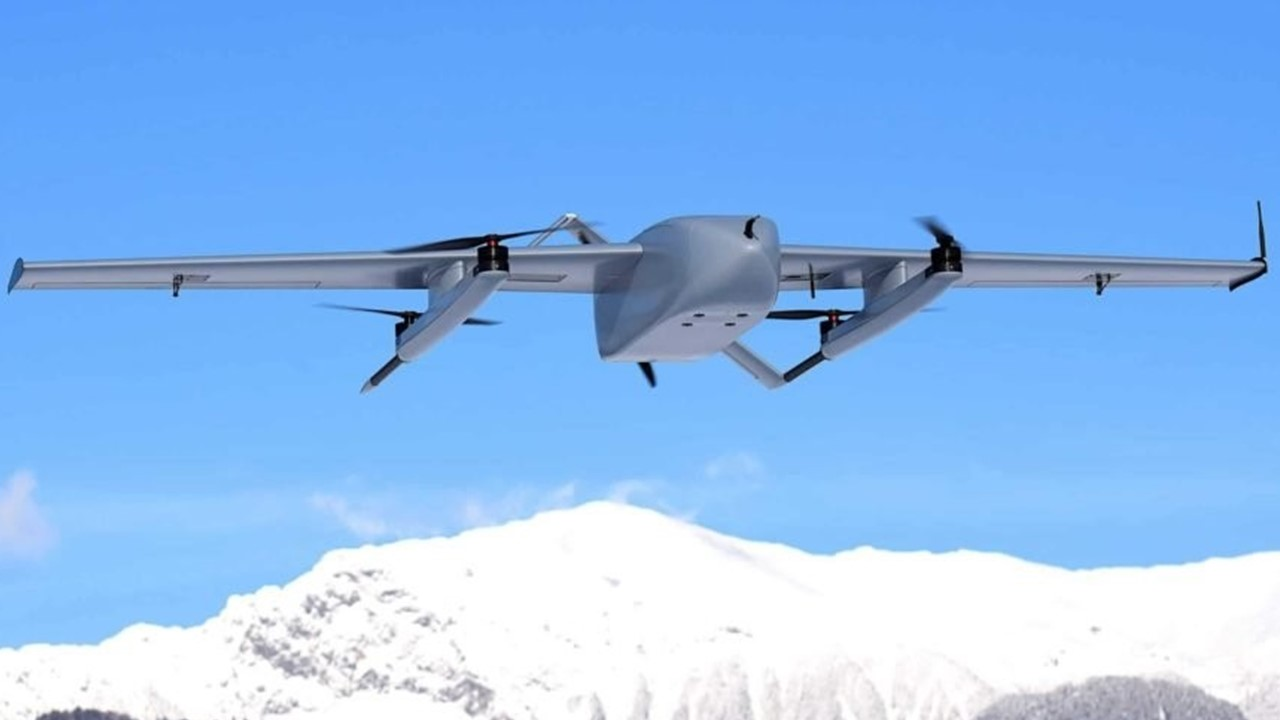
Some drones are versatile and support interchangeable payloads. This allows users to switch between thermal cameras and other sensors like LiDAR or RGB cameras, making them suitable for various applications within a single platform.
7. Payload Customization
Another category involves drones designed to carry external thermal cameras. Users can attach their preferred thermal imaging device to these drones, offering flexibility in camera selection and resolution.
Best Budget Thermal Drones
When it comes to budget-friendly thermal drones, there are several options available that offer a good balance between affordability and functionality. Here’s a list of some of the best budget thermal drones along with their key features and capabilities:
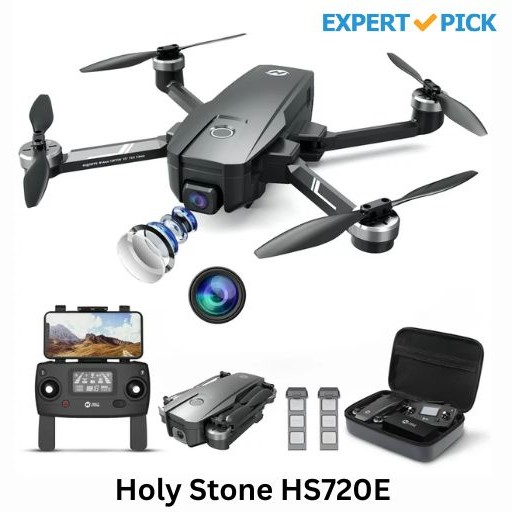
1. Holy Stone HS720E:
The Holy Stone HS720E is a budget-friendly option with both thermal and 4K cameras, GPS-assisted features, and competitive pricing.
Key Features:
- Thermal and 4K cameras
- GPS-assisted features
- Long battery life
- With front collision avoidance
- Cheapest drone with thermal camera
Price Range: Approximately $349 – $499
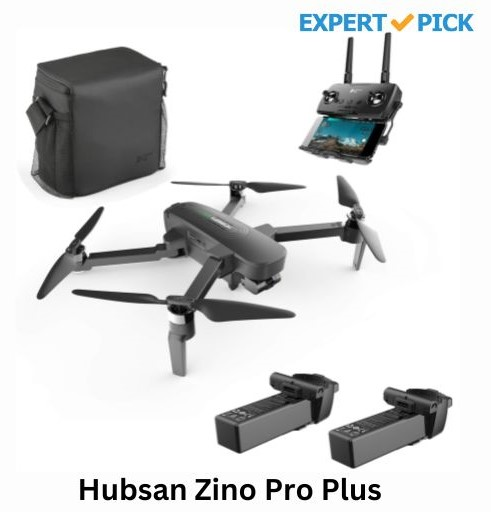
2. Hubsan Zino Pro Plus:
The Hubsan Zino Pro Plus offers a combination of thermal imaging and 4K UHD capabilities in a compact foldable design.
Key Features:
- Thermal imaging camera
- 4K UHD camera
- Long flight time
- Compact foldable design
Price Range: Approximately $399 – $599
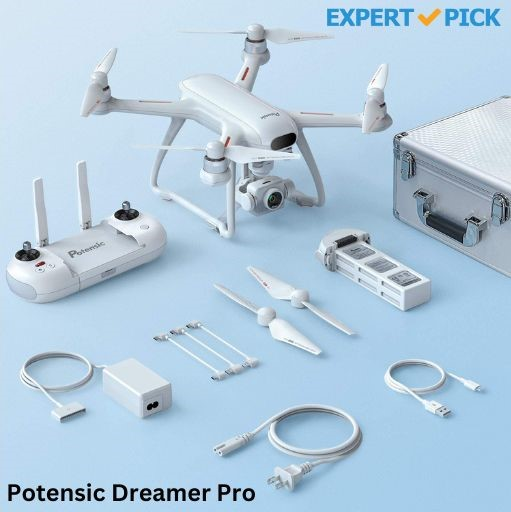
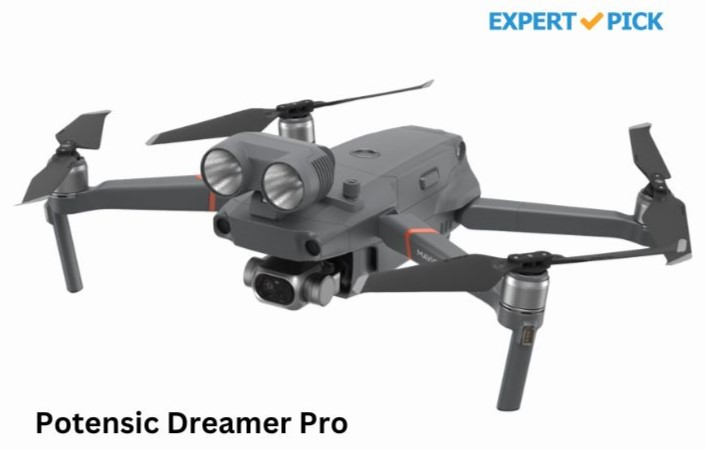
3. Potensic Dreamer Pro:
The Potensic Dreamer Pro is a budget-friendly option with both thermal and 4K cameras, GPS-assisted features, and a competitive price point.
Key Features:
- Dual camera setup (thermal and 4K)
- Up to 31 minutes of flight time
- GPS and advanced flight modes
Price Range: Approximately $699 – $799
4. DJI Mavic 2 Enterprise Dual:
The DJI Mavic 2 Enterprise Dual is an example of a versatile thermal drone known for its dual visual and thermal cameras, making it ideal for various applications.
Key Features:
- Dual visual and thermal cameras
- Foldable design for portability
- Up to 31 minutes of flight time
- Obstacle avoidance sensors
Multiple intelligent flight modes
Price Range: Approximately $2,899 – $3,299
5. Autel Robotics EVO Lite+:
The Autel Robotics EVO Lite+ boasts a dual-camera setup with thermal and 6K capabilities, making it a powerful and foldable drone for various applications.
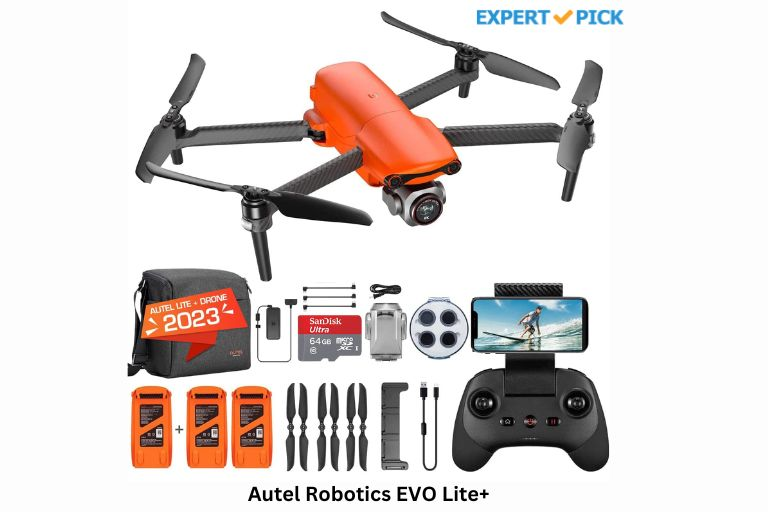
Key Features:
- Dual cameras (thermal and optical)
- 6K video recording
- Obstacle avoidance
- Compact foldable design
Price Range: Approximately $1,799 – $2,299
If you are interested in learning more about the best drones in the market, you might want to check out our detailed guide on top rated drones. We have reviewed the best models and features of drones, and we have also given some tips on how to choose the right one for your needs and preferences.
Where to Find Affordable Thermal Drones
Affordability is a key consideration when purchasing thermal drones. While they offer incredible capabilities, there are ways to find budget-friendly options without compromising on quality or power efficiency.
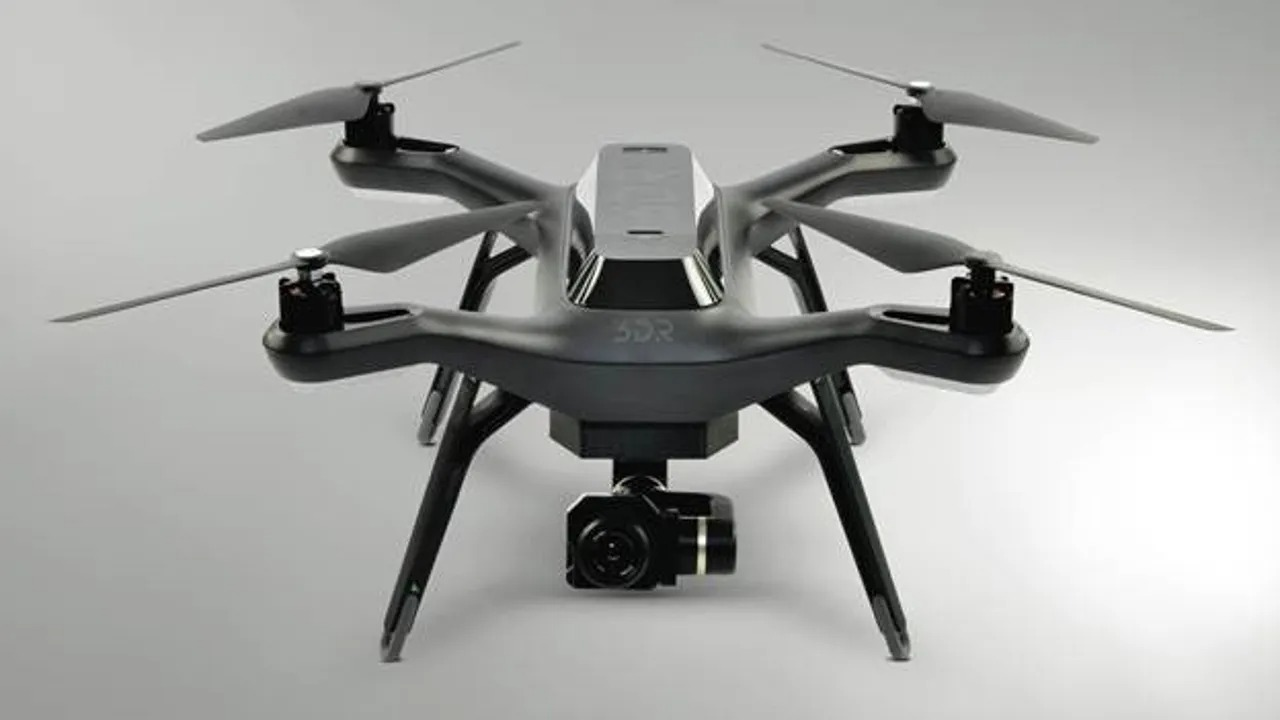
Online Marketplaces and Retailers
The internet is a treasure trove of thermal drone options. Websites like Amazon, eBay, and specialized drone retailers often offer competitive prices. These platforms also provide user reviews and ratings, helping you make informed choices.
Tips for Finding Budget-Friendly Options
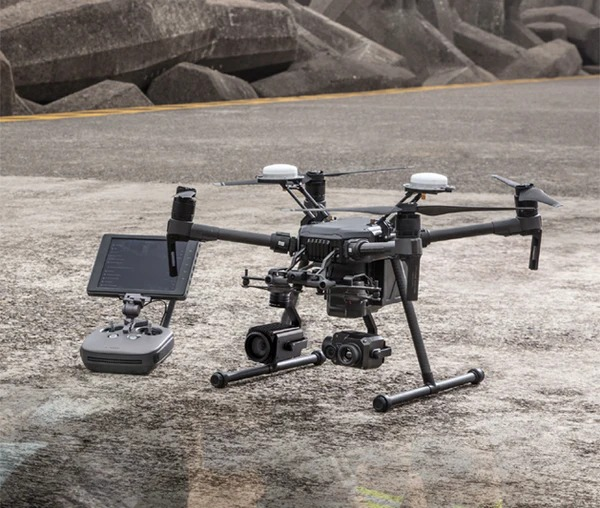
Here are some tips for locating affordable thermal drones:
Research and Compare
Don’t rush into buying the first drone you come across. Spend time researching different models and comparing their prices and features.
Consider Older Models
Newer doesn’t always mean better. Older models can be significantly cheaper and still meet your requirements. Look for deals on previous-generation drones.
Refurbished Drones
Consider refurbished drones from reputable sellers. These have been tested and repaired to meet manufacturer standards, often at a lower cost.
Package Deals
Some retailers offer bundle packages that include essential accessories like spare batteries, carrying cases, or additional propellers. These bundles can be more cost-effective than buying everything separately.
Subscribe to Newsletters
Sign up for newsletters from drone manufacturers and retailers. They often send out promotional offers, discounts, and notifications about sales events.
Buy During Sales Seasons
Keep an eye out for seasonal sales events like Black Friday, Cyber Monday, or holiday discounts. You can often find significant savings during these periods.
Conclusion
In conclusion, the world of affordable thermal drones offers a wide array of options to cater to different needs and budgets. These drones come equipped with thermal imaging capabilities that open up opportunities for applications ranging from search and rescue to agriculture, wildlife monitoring, and more. As technology continues to advance, thermal imaging becomes increasingly accessible, enabling users to harness the power of thermal data. Whether you’re a professional in need of precise thermal imaging or an enthusiast looking to explore this fascinating field, the market has options to accommodate your requirements without breaking the bank. Explore these budget-friendly choices and unlock the potential of thermal imaging in your drone endeavors.