


In today’s digital world, identity theft is a growing concern that can leave you feeling exposed and anxious about your personal information. Picture this: you wake up to find your bank accounts drained, your credit cards maxed out, and your good name tarnished—all because someone stole your identity. It’s a scary thought, and unfortunately, it’s a reality for many people. But don’t worry! This guide is here to help you protect yourself from identity theft. We’ll break down the different types of identity theft, share practical prevention tips, and show you how to take control of your personal information. Let’s embark on this journey together to secure your identity and regain your peace of mind!
What is Identity Theft Protection?
Identity theft protection refers to a range of services designed to safeguard individuals from the unauthorized use of their personal information, such as names, Social Security numbers, and financial details. These services monitor for signs of identity theft, alert users to suspicious activities, and provide support for recovery if theft occurs. With the rise of cyber threats and data breaches, identity theft protection has become essential for both individuals and organizations, aiming to minimize the risk of financial loss and emotional distress caused by identity fraud.
Identity theft protection services typically include credit monitoring, which tracks changes in credit reports and alerts users to unusual activities, and identity monitoring, which scans various databases for unauthorized use of personal information. Some services also offer identity theft insurance, helping victims cover the costs associated with recovery, such as legal fees and document replacement. While these services cannot prevent identity theft entirely, they play a crucial role in detecting it early and mitigating its impact, making them a vital component of modern cybersecurity strategies.
Before you can effectively protect yourself from identity theft, it’s crucial to understand the different types of threats you may face. Knowing the various forms of identity theft will help you recognize red flags, implement targeted prevention strategies, and respond quickly if you become a victim.
Imagine a scenario where someone uses your personal information to open a credit card in your name, racking up thousands of dollars in debt. Or picture a thief obtaining your Social Security number to file a fraudulent tax return and claim a refund. These are just a few examples of the many ways criminals can exploit your identity for their own gain.
By familiarizing yourself with the ten types of identity theft outlined in this guide—from financial and medical identity theft to synthetic and child identity theft—you’ll be better equipped to safeguard your personal information. Recognizing the potential threats is the first step in developing a robust defense against this insidious crime.
As you delve into the details of each type of identity theft, keep in mind that the methods used by criminals are constantly evolving. Staying informed and adapting your security measures accordingly is key to maintaining your identity’s integrity. Remember, knowledge is power, and by understanding the threats, you can take proactive steps to protect yourself and your loved ones from the devastating consequences of identity theft.

Types of Identity Theft
Identity theft is a serious crime that involves the unauthorized use of someone’s personal information, often for financial gain. Understanding the various types of identity theft is crucial for protecting yourself and your loved ones. Here’s a detailed overview of the different forms of identity theft, their implications, and how you can safeguard against them.
1. Financial Identity Theft
This is the most prevalent form of identity theft. It occurs when someone uses another person’s personal information—such as credit card numbers or bank account details—to commit fraud. Thieves may open new accounts, make purchases, or withdraw funds without the victim’s knowledge. Regularly monitoring your financial statements can help catch unauthorized transactions early.
2. Social Security Identity Theft
In this type, criminals obtain your Social Security number (SSN) to apply for loans, credit cards, or benefits in your name. This can lead to significant financial damage and complicate your ability to secure loans or jobs in the future. Protecting your SSN is vital, as it is often the key to various forms of identity theft.
3. Medical Identity Theft
Medical identity theft occurs when someone uses another person’s health insurance information to receive medical care, prescriptions, or file fraudulent insurance claims. This not only affects the victim’s finances but can also lead to serious health issues if incorrect medical records are created. It’s essential to monitor your medical statements and insurance claims for any discrepancies.
4. Synthetic Identity Theft
This sophisticated form of identity theft involves criminals creating a new identity by combining real and fake information. They might use a stolen SSN along with a fictitious name and address to open fraudulent accounts. Synthetic identity theft can be particularly challenging to detect, as the identity created does not correspond to a real person.
5. Child Identity Theft
Children are often targeted for identity theft because they typically do not have established credit histories. Thieves may use a child’s SSN to open accounts or obtain loans, which can go unnoticed until the child reaches adulthood. Parents should consider monitoring their children’s credit and protecting their personal information.
6. Tax Identity Theft
This occurs when someone uses your personal information to file a fraudulent tax return and claim a refund. Victims may discover this type of theft when they attempt to file their taxes and find that a return has already been submitted in their name. Awareness of tax-related scams and monitoring your tax documents can help prevent this.
7. Criminal Identity Theft
In this scenario, a criminal uses someone else’s identity during an arrest to evade legal consequences. This type of theft can lead to wrongful criminal records for the victim, complicating their ability to secure employment or housing. Victims may not realize they have been affected until they encounter legal issues.
8. Employment Identity Theft
This type occurs when someone uses another person’s identity to gain employment. This can lead to complications for the victim, especially if the thief commits crimes while using their identity. Regularly checking your credit report and being vigilant about your personal information can help mitigate this risk.
9. Home Title Identity Theft
Fraudsters may use stolen personal information to forge documents and claim ownership of a victim’s property. This can result in significant legal and financial issues for the homeowner. Monitoring property records and securing personal documents can help prevent this type of theft.
10. Biometric Identity Theft
With the rise of biometric security measures, such as fingerprints and facial recognition, criminals may attempt to steal biometric data to gain unauthorized access to accounts. This type of theft is particularly concerning as it can be difficult to change biometric identifiers once compromised.
Understanding the various types of identity theft is the first step in protecting yourself and your loved ones. By staying informed and vigilant, you can implement effective strategies to safeguard your personal information. Regular monitoring of financial accounts, being cautious with personal data, and utilizing identity theft protection services can significantly reduce your risk of becoming a victim.
How can I protect my identity while Traveling?
To protect your identity while traveling, it’s essential to take proactive measures to safeguard your personal and financial information. Here are some key strategies:
Pre-Travel Preparation
- Notify Your Banks and Credit Card Companies: Inform them of your travel dates and destinations to help them monitor for any suspicious activities on your accounts.
- Limit What You Bring: Only take necessary documents with you. Leave items like Social Security cards and other sensitive documents at home.
- Make Copies of Important Documents: Create photocopies of your passport, credit cards, and other essential documents. Leave a copy with a trusted friend or family member and keep another copy separate from the originals.
During Your Trip
- Use Strong Passwords and Lock Your Devices: Ensure your phone and other devices are password-protected. Avoid logging into sensitive accounts using public Wi-Fi networks.
- Utilize a Virtual Private Network (VPN): A VPN encrypts your internet connection, making it safer to use public Wi-Fi. This is crucial when accessing sensitive information or conducting financial transactions.
- Be Cautious with Public Wi-Fi: Avoid accessing bank accounts or entering personal information on public networks. If you must use public Wi-Fi, ensure you are connected to a VPN.
- Monitor Your Accounts: Regularly check your financial statements and set up alerts for any unauthorized transactions. Be vigilant about any suspicious activity during and after your trip.
- Be Wary of Scams: Be skeptical of unsolicited requests for information, whether via phone or email. Confirm the legitimacy of any requests before providing personal details.
After Your Trip
- Review Your Financial Statements: After returning home, check your bank and credit card statements for any unauthorized charges or suspicious activity.
- Change Passwords: Consider changing passwords for sensitive accounts after your trip, especially if you accessed them while traveling.
By following these strategies, you can significantly reduce the risk of identity theft while enjoying your travels, allowing you to focus on your experiences rather than your security.

How can I protect my identity in home?
To protect your identity at home, consider implementing the following strategies based on best practices:
Secure Your Personal Information
- Clear Your Mailbox: Avoid leaving mail in your mailbox for extended periods, as it can contain sensitive information. If you’re away, ask someone you trust to collect your mail or use a secure mailbox to minimize risks.
- Shred Sensitive Documents: Invest in a shredder to destroy documents containing personal information, such as bank statements, credit offers, and medical records. This prevents identity thieves from piecing together your data from discarded papers.
- Store Important Documents Safely: Keep sensitive documents like your Social Security card, birth certificate, and financial records in a locked, fireproof safe. This ensures they are protected from unauthorized access.
Use Technology Wisely
- Password-Protect Your Devices: Use strong, unique passwords for your computer, tablet, and mobile devices. This adds a layer of security to your personal information stored on these devices.
- Utilize a Password Manager: A password manager can help you create and store strong, unique passwords for different accounts, reducing the risk of using easily guessable passwords.
- Monitor Your Accounts: Regularly check your bank and credit card statements for unauthorized transactions. Set up alerts for any suspicious activity to respond quickly.
Be Cautious with Information Sharing
- Limit What You Carry: Only take necessary items with you when you leave home. For example, keep your Social Security card at home unless absolutely needed.
- Be Wary of Phone Calls: Always verify the identity of callers requesting personal information. Do not provide any details until you confirm the legitimacy of the request.
- Register for the Do Not Call List: This can help reduce unwanted telemarketing calls, making it easier to identify potential scams.
Stay Informed
- Follow News on Data Breaches: Stay updated on potential data breaches that could affect you. If a company you do business with is compromised, change your passwords immediately.
By taking these proactive steps, you can significantly enhance your identity protection at home and reduce the risk of becoming a victim of identity theft.
How to Protect Your Identity Online?
In our increasingly digital world, protecting your identity online is more important than ever. Here are seven essential strategies to help you keep your personal information safe from cybercriminals.
1. Secure Your Devices
To protect your identity and financial data, start by ensuring that your computers and mobile devices are secure. Install reputable antivirus software and keep it updated regularly. Always connect to secure Wi-Fi networks and avoid using public networks for sensitive transactions. Enable passwords or biometric locks on your devices, such as fingerprint or facial recognition, to add an extra layer of security.
2. Create Complex Passwords
A strong password is your first line of defense against unauthorized access. Instead of using easily guessed words or dates, create complex passwords by combining phrases with numbers and special characters. For example, transform the phrase “I love hiking” into “IL0v3H!k1ng!” This method not only strengthens your password but also makes it easier to remember. Use different passwords for various accounts to minimize risk, and change them periodically to enhance security.
3. Regularly Monitor Your Financial Accounts
Keeping a close eye on your financial accounts is crucial for early detection of identity theft. If you bank online, take advantage of the instant access to your account activity. Check your transactions frequently and set up alerts for any unusual activities, such as purchases made in unfamiliar locations. Immediate reporting of unauthorized transactions can help you recover lost funds more swiftly.
4. Avoid Sharing Sensitive Information via Email
Be extremely cautious about sharing personal information through email. Legitimate organizations will never request sensitive information like passwords or Social Security numbers via email. Always verify the sender’s identity before responding to any requests. Phishing emails may look authentic but often lead to fraudulent sites designed to steal your information.
5. Steer Clear of Public Wi-Fi for Sensitive Transactions
Public Wi-Fi networks can be a hotspot for cybercriminals looking to intercept your data. Avoid accessing sensitive information, such as banking details or personal accounts, while connected to public Wi-Fi. If you need to use the internet in public, consider using a Virtual Private Network (VPN) to encrypt your connection and protect your data from prying eyes.
6. Disable Bluetooth When Not in Use
Bluetooth can be a convenient feature, but it can also expose your devices to security risks. When you’re not actively using Bluetooth, turn it off to prevent unauthorized access. Cybercriminals can exploit Bluetooth vulnerabilities to gain access to your device and potentially steal sensitive information.
7. Be Mindful of Your Social Media Activity
Social media platforms can be a treasure trove of information for identity thieves. Be selective about what you share online, especially in quizzes or posts that ask for personal details. Information such as your first pet’s name or your mother’s maiden name can be used to answer security questions for your accounts. While social media is a great way to connect with others, maintaining privacy is essential for protecting your identity. Identity theft is a serious concern that extends beyond just online interactions. By implementing these strategies, you can enhance your online security and protect your personal information from potential threats. Stay vigilant and informed to ensure your identity remains secure in both the digital and real worlds.
How to Safeguard Your Identity Offline?
While the digital world presents many opportunities for identity thieves, offline threats are equally concerning. Here are six crucial strategies to protect your identity in the physical realm:
1. Secure Your Financial Information
Be extremely cautious when sharing sensitive information over the phone or computer, even if the caller claims to be from a financial institution. Legitimate organizations will never ask for critical details like credit card numbers, Social Security numbers, or birthdates unsolicited. If contacted, verify the caller’s identity by asking for their ID number or other personal information that can be independently confirmed. If you have any doubts about the legitimacy of the request, politely decline and contact the institution directly using a trusted phone number.
2. Limit Carrying Important Documents
Unless you are headed to a specific destination that requires them, such as a bank, government office, or airport, there is no need to carry your passport, birth certificate, or Social Security card with you. These documents contain a wealth of personal information that can be exploited by identity thieves. Keep them securely stored at home in a safe or lockbox, and only retrieve them when absolutely necessary.
3. Collect Your Mail Promptly
Regularly collecting your mail is crucial to prevent identity thieves from accessing sensitive information. If you will be away from home for an extended period, arrange for a trusted friend or family member to collect your mail or consider using a post office box. Always mail letters directly at the post office rather than leaving them in your personal mailbox, as they can be stolen before the postal service collects them.
4. Shred Confidential Documents
Invest in a high-quality paper shredder to destroy documents containing personal or financial information before discarding them. This includes bills, bank statements, documents with your Social Security number, and any other materials that could be used to steal your identity. Dumpster diving is a common tactic among identity thieves, so make it as difficult as possible for them to access your discarded documents.
5. Properly Dispose of Old Credit Cards
Even if a credit card is expired, cut it into small pieces before throwing it away. Consider separating the pieces into different trash bags to ensure they are not easily reassembled. Destroying old and unused credit cards is essential to prevent identity thieves from obtaining them and using them for fraudulent purposes.
6. Stay Alert in Public Places
Be mindful of your personal belongings when out in public. Avoid leaving your purse, wallet, cellphone, or laptop unattended, even for a moment. Identity thieves often target busy public places like coffee shops, airports, and restaurants where people are more likely to let their guard down. Keep your valuables close and be aware of your surroundings to minimize the risk of theft.
By implementing these offline strategies in addition to online security measures, you can significantly reduce your vulnerability to identity theft. Staying vigilant and proactive in protecting your personal information is crucial in safeguarding your identity in today’s world.
How Identity Theft Protection Services Work?
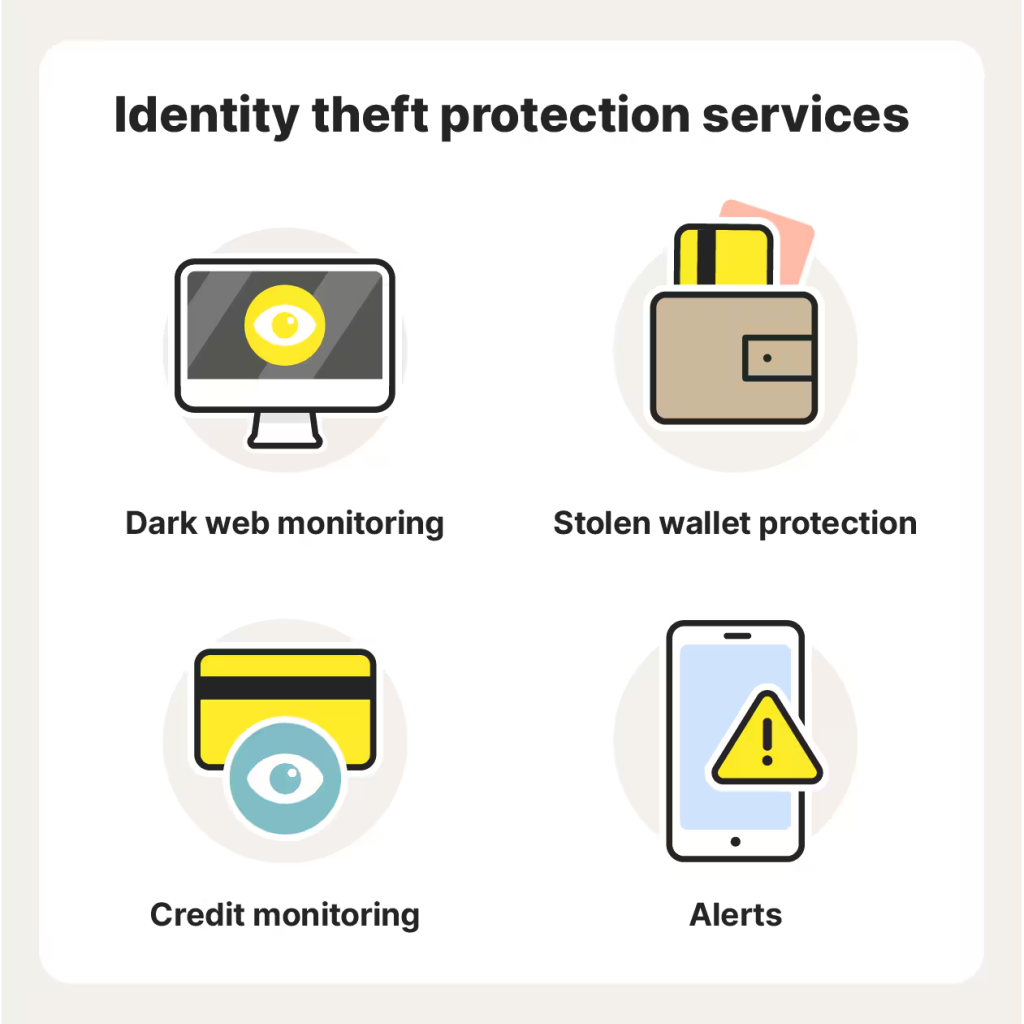
Identity theft protection services are designed to safeguard individuals from the growing threat of identity theft and fraud. These services provide a multi-faceted approach, combining monitoring, alerts, recovery assistance, and education to help protect personal information. Here’s a detailed overview of how these services function:
1. Continuous Monitoring
At the core of identity theft protection is continuous monitoring of personal information across various platforms. This includes:
- Credit Monitoring: Services typically monitor your credit reports from the three major credit bureaus—Equifax, Experian, and TransUnion. They track changes in your credit profile, such as new accounts opened in your name or significant shifts in your credit score. Alerts are sent out for any suspicious activities, allowing you to act swiftly.
- Identity Monitoring: Beyond credit reports, these services also scan various databases and online platforms for signs of your personal information being misused. This includes monitoring public records, social media, and even the dark web for your Social Security number, bank account details, and other personally identifiable information (PII).
- Fraud Alerts: Many services will set up fraud alerts on your credit file, which notifies creditors to take extra steps to verify your identity before issuing new credit in your name.
2. Timely Alerts
When potential threats are detected, identity theft protection services send immediate alerts to users. These notifications can include:
- Suspicious Transactions: Alerts for transactions that occur in unusual locations or amounts that deviate from your typical spending patterns.
- Credit Inquiry Alerts: Notifications when a new credit inquiry is made in your name, which could indicate someone is attempting to open a new account fraudulently.
- Data Breach Notifications: Alerts when your information appears in a data breach, allowing you to take necessary precautions, such as changing passwords or freezing your credit.
3. Identity Recovery Assistance
In the unfortunate event that identity theft occurs, these services provide robust recovery support. This can include:
- Case Management: Many identity theft protection services assign a dedicated case manager to help victims navigate the recovery process. This includes filing necessary reports, contacting creditors, and disputing fraudulent charges.
- Guidance on Legal Steps: Assistance in filing an Identity Theft Report with the Federal Trade Commission (FTC) and other relevant authorities. This documentation is essential for proving that your identity has been compromised.
- Restoration Services: Support in restoring your identity, which may involve canceling and replacing stolen credit cards, disputing fraudulent debts, and restoring your credit score.
4. Identity Theft Insurance
Most identity theft protection services offer some form of identity theft insurance. This insurance typically covers:
- Out-of-Pocket Expenses: Reimbursement for costs incurred during the recovery process, such as legal fees, lost wages, and expenses related to restoring your identity. Coverage limits can vary, often reaching up to $1 million.
- Limitations: It’s important to note that these policies usually do not cover all losses, such as stolen funds or emotional distress. Reading the fine print is crucial to understand what is and isn’t covered.
5. Educational Resources and Prevention Tips
A comprehensive identity theft protection service goes beyond monitoring and recovery. They often provide:
- Educational Resources: Information on how to recognize potential threats, such as phishing scams and social engineering tactics. This empowers users to be more vigilant and proactive in protecting their information.
- Preventive Measures: Recommendations for additional protective measures, such as freezing your credit, using strong passwords, and employing two-factor authentication on sensitive accounts.
6. Cost Considerations
While identity theft protection services offer valuable benefits, they come at a cost. Subscription fees can vary widely based on the level of service provided. Basic plans may start around $10 per month, while more comprehensive services with extensive monitoring and recovery support can exceed $30 per month. Evaluating your needs and budget is essential when choosing a service.
Identity theft protection services serve as a critical line of defense against the pervasive threat of identity theft. By combining continuous monitoring, timely alerts, recovery assistance, and educational resources, these services help individuals safeguard their personal information and mitigate the impact of identity theft. While no service can guarantee complete immunity from identity theft, the proactive measures and support provided can significantly reduce the risk and aid in recovery if a breach occurs. Investing in such services can be a prudent decision for anyone concerned about their personal and financial security in an increasingly digital world.
What are the key Features to look for in an Identity Theft Protection Service
When selecting an identity theft protection service, it’s essential to consider several key features that can ensure comprehensive protection for your personal and financial information. Here’s a detailed overview of the critical features to look for:
1. Comprehensive Monitoring
Credit Monitoring: A robust identity theft protection service should monitor your credit reports from all three major credit bureaus—Equifax, Experian, and TransUnion. This includes tracking changes in your credit profile, such as new accounts opened in your name or significant shifts in your credit score. Alerts for any suspicious activities, such as unexpected credit inquiries, are crucial for early detection of identity theft.Identity Monitoring: Effective services should monitor various sources for unauthorized use of your personal information. This includes scanning public records, social media, and the dark web for your Social Security number and other sensitive data. Monitoring for data breaches and alerting you when your information is found in compromised databases is essential.
2. Identity Theft Recovery Services
In the unfortunate event of identity theft, having access to recovery services is vital. Look for a service that offers:
- Dedicated Case Management: Many identity theft protection services provide a dedicated case manager to assist you through the recovery process. This includes help with filing necessary reports, contacting creditors, and disputing fraudulent charges.
- Guidance on Legal Steps: Assistance in navigating the complex process of reclaiming your identity, including filing an Identity Theft Report with the Federal Trade Commission (FTC) and other relevant authorities.
3. Identity Theft Insurance
Identity theft insurance can provide a safety net if you fall victim to identity theft. Key points to consider include:
- Coverage Limits: Most policies offer reimbursement for expenses incurred during the recovery process, such as legal fees and lost wages. However, it’s important to note that these policies may not cover all losses, so reviewing the terms and limitations is essential.
- Out-of-Pocket Expenses: Coverage typically includes expenses like postage, copying, and notary costs related to reclaiming your identity.
4. User-Friendly Interface and Accessibility
The ease of use of the identity theft protection service is crucial. A user-friendly interface allows you to navigate the service effortlessly, whether you’re monitoring credit reports, receiving alerts, or seeking assistance. Additionally, accessible customer support is essential for addressing any questions or issues that may arise.
5. Educational Resources
A comprehensive identity theft protection service should provide educational materials and resources to help you understand the risks of identity theft and how to prevent it. This includes:
- Awareness of Scams: Information on recognizing phishing attempts and other common scams that could compromise your personal information.
- Preventive Measures: Tips and strategies to enhance your security, such as using strong passwords, enabling two-factor authentication, and regularly reviewing your financial statements.
6. Dark Web Monitoring
Given the prevalence of data breaches, dark web monitoring is a critical feature. This service scans the dark web for your personal information, such as Social Security numbers and credit card details, alerting you if your data is found in compromised databases. Early detection can help mitigate potential damage.
7. Additional Security Features
Some identity theft protection services offer extra security features that can enhance your protection, including:
- Credit Freeze Assistance: Help with freezing your credit to prevent new accounts from being opened in your name without your consent.
- Two-Factor Authentication (2FA): Services that support 2FA provide an additional layer of security for your accounts, making it harder for unauthorized users to gain access.
8. Family Coverage
If you have dependents or family members, consider a service that offers family coverage. This feature allows you to protect multiple individuals under one plan, often at a discounted rate. Family coverage typically includes:
- Monitoring for All Family Members: Comprehensive monitoring for each family member’s credit and personal information, ensuring that everyone is safeguarded against identity theft.
- Recovery Services for Dependents: Access to recovery assistance for family members, which is particularly important for children whose identities may be more vulnerable or less monitored.
When choosing an identity theft protection service, carefully evaluate these key features to ensure you select a service that meets your needs. Comprehensive monitoring, effective recovery services, user-friendly interfaces, educational resources, and family coverage are essential components that contribute to robust identity protection. By investing in a reliable identity theft protection service, you can gain peace of mind and better safeguard your personal and financial information in an increasingly digital world.
Exploring Different Identity Theft Protection Service Providers
Identity theft protection services have become essential in safeguarding personal information in today’s digital landscape. Two notable providers in this space are IDShield and Bitdefender Identity Theft Protection Service. Below is an overview of their offerings, features, and benefits to help you make an informed decision.
IDShield – Identity Theft Protection for Individuals and Families
Key Features:
- 24/7 Identity Monitoring and Alerts: IDShield provides round-the-clock monitoring of your personal information, alerting you to any suspicious activity or potential threats. This includes monitoring your credit, social media, and the dark web.
- Licensed Investigators for Identity Restoration: In the event of identity theft, IDShield assigns licensed private investigators to help restore your identity to its pre-theft status. This ensures that you have professional support throughout the recovery process.
- Up to $3 Million in Fraud Protection: IDShield offers comprehensive fraud protection, covering certain identity fraud expenses, underlying losses, and legal costs resulting from a covered identity fraud event.
- Comprehensive Credit Monitoring: Users can choose to monitor one or all three major credit bureaus, providing a detailed view of their credit status and any changes.
- Family Plans Available: IDShield offers family plans that provide coverage for spouses and dependent children, making it a cost-effective option for families looking to protect multiple members.
- User-Friendly Interface: The service features a mobile app that allows users to manage their accounts, receive alerts, and access restoration services easily.
Pricing:
- Individual Plan: Starting at $14.95/month for monitoring one credit bureau.
- Family Plan: Starting at $29.95/month, covering you, your spouse or partner, and dependents under 18.
Bitdefender Identity Theft Protection Service
Key Features:
- Comprehensive Monitoring: Bitdefender monitors credit reports, social media accounts, and the dark web for any signs of identity theft. This extensive coverage helps ensure that your personal information is safeguarded across multiple platforms.
- Instant Alerts for Identity Threats: Users receive immediate notifications if any potential threats are detected, allowing for quick action to mitigate risks.
- Up to $2 Million in Theft Insurance: Bitdefender provides theft insurance to cover losses resulting from identity theft, offering peace of mind in case of an incident.
- 24/7 Access to Restoration Experts: The service includes round-the-clock access to identity restoration experts who can assist you in recovering your identity if it is compromised.
- Smart SSN Tracking: This feature helps detect unauthorized use of your Social Security Number, providing an additional layer of protection against identity theft.
- User-Friendly Real-Time Dashboard: Bitdefender offers a real-time dashboard that allows users to monitor their identity protection status and alerts easily.
CECE’s Warehouse – RFID Protector
CECE’s Warehouse offers an RFID Protector designed to enhance personal security and prevent unauthorized access to sensitive information. This innovative product is essential for anyone concerned about identity theft and fraud.
Key Features:
- Shielding Your Identity: Effectively protects your personal information from unauthorized access and identity theft.
- Preventing Unauthorized Scanning: Blocks RFID scanners from reading your cards and personal data, ensuring your information remains secure.
- Reducing Fraud Risk: Minimizes the risk of fraud by preventing potential thieves from accessing your sensitive information.
- Anti-theft Brush Functionality: Features an anti-theft brush that adds an extra layer of protection against physical theft.
- E-field Technology: Utilizes advanced E-field technology to enhance the effectiveness of the RFID protection.
- No Batteries Required: Operates without batteries, making it a convenient and low-maintenance security solution.
Refresh.me: Your All-in-One Personal Financial Management Platform
Refresh.me is a comprehensive personal finance management tool designed to help you take control of your financial future. By integrating all your financial accounts, transactions, investments, and credit information in one place, Refresh.me provides unparalleled insights and convenience.
Key Features of Refresh.me
- Sync all your bank accounts: Refresh.me connects with over 12,000 banks and institutions, giving you a clear view of your entire financial landscape.
- Stay on top of your spending: Track your transactions and receive notifications if you’re spending more than usual, helping you stay on track with your financial goals.
- Manage your investments: Consolidate all your investment accounts in one place to monitor your portfolio’s performance and historical allocation.
- Superpowered insights: By bringing together your account balances, transactions, investments, and credit, Refresh.me provides insights you won’t find anywhere else.
- Credit report and score: Access your complete credit report and history, and receive daily updates and important alerts.
- Identity theft protection: Enjoy comprehensive identity theft protection with $1 million in insurance and white-glove restoration services.
- Privacy management: Refresh.me stops data brokers from selling your personal details online and removes your information on your behalf.
Take Control of Your Financial Future
Join thousands of people already using Refresh.me to organize their digital life from one seamless platform. Sign up today and start taking control of your financial future with Refresh.me.
When exploring identity theft protection services, both IDShield and Bitdefender offer robust features tailored to meet different needs. IDShield excels in providing comprehensive family coverage and dedicated restoration services, making it a strong choice for families. On the other hand, Bitdefender stands out with its extensive monitoring capabilities and smart SSN tracking.
In today’s digital age, protecting your identity is more critical than ever, given the increasing prevalence of identity theft and fraud. Both IDShield and Bitdefender Identity Theft Protection Service offer robust solutions tailored to meet the diverse needs of individuals and families seeking to safeguard their personal information.
IDShield stands out with its comprehensive family plans, dedicated licensed investigators for identity restoration, and extensive fraud protection coverage of up to $3 million. This makes it an excellent choice for families looking to protect multiple members under one plan, ensuring peace of mind for parents and guardians.
On the other hand, Bitdefender offers a strong focus on monitoring across various platforms, including social media and the dark web, with instant alerts for potential threats. Its smart SSN tracking feature and user-friendly dashboard provide an accessible and effective way to manage your identity protection.
Ultimately, the best choice for you will depend on your specific needs, whether you prioritize family coverage, extensive monitoring, or expert restoration services. By carefully evaluating the features, pricing, and coverage options of each service, you can make an informed decision that best fits your identity protection requirements.
Investing in a reliable identity theft protection service is a proactive step in safeguarding your personal and financial information, allowing you to navigate the digital landscape with confidence. Take the time to assess your options and choose a service that aligns with your lifestyle and security needs, ensuring that you and your loved ones remain protected against the threats of identity theft.


Thank you for sharing this insightful article! I found the information really useful and thought-provoking. Your writing style is engaging, and it made the topic much easier to understand. Looking forward to reading more of your posts!