

In today’s data-driven business landscape, managing large volumes of data effectively has become a key differentiator for competitive companies. Whether it’s customer data, transactional data, or IoT sensor data, organizations are dealing with a growing array of information from various sources. To harness the full potential of this data, businesses turn to data integration solutions.
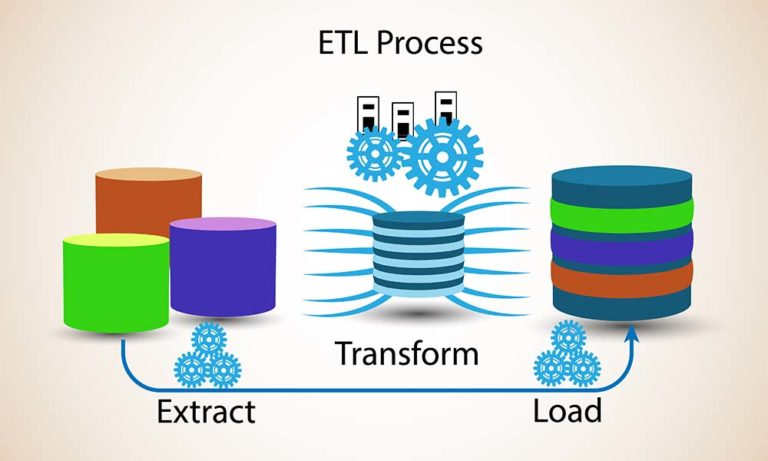
One of the most widely used methods for data integration is the ETL (Extract, Transform, Load) process, which moves and transforms data from multiple sources into a centralized system like a data warehouse or cloud storage. A robust data integration platform combines ease of use with high-performance data integration capabilities, often featuring no-code or low-code interfaces to simplify connecting and processing data from multiple sources. Open source ETL tools offer businesses a cost-effective and flexible way to manage these processes while keeping full control of their data. This guide will delve into the benefits, challenges, and best practices of using open source ETL tools and provide an overview of the top tools available today. To find the best solution for your business, explore our comprehensive review to the Top ETL Tools of 2024.
Data Integration and Its Importance
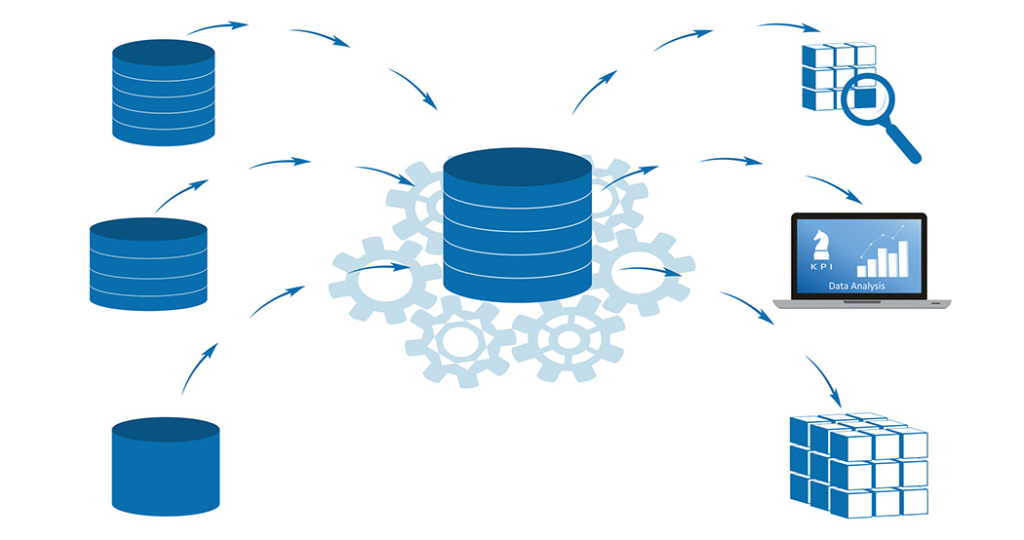
Data integration is the process of combining data from multiple sources into a unified view, enabling organizations to make informed decisions and drive business growth. It involves extracting data from various sources, transforming it into a consistent format, and loading it into a target system, such as a data warehouse or data lake. Effective data integration is crucial for businesses, as it allows them to:
Improve Data Quality and Accuracy: By consolidating data from different sources, organizations can ensure that their data is accurate, consistent, and up-to-date. This leads to better decision-making and more reliable insights.
Enhance Data Security and Compliance: Integrating data into a centralized system allows for better control and monitoring of data access, ensuring compliance with data privacy regulations like GDPR and CCPA.
Increase Data Accessibility and Usability: A unified view of data makes it easier for stakeholders to access and use the information they need, supporting business intelligence and analytics efforts.
Support Business Intelligence and Analytics: Integrated data provides a comprehensive view of the business, enabling more effective analysis and reporting.
Drive Decision-Making and Strategic Planning: With a holistic view of their data, organizations can make more informed decisions and develop strategic plans that drive growth and success.
In today’s data-driven world, data integration is more important than ever. With the increasing amount of data being generated from various sources, organizations need to be able to integrate and manage their data effectively to stay competitive.
Benefits of Using Open Source ETL Tools
1. Cost Efficiency
Open source ETL tools are usually free or come at a fraction of the cost compared to proprietary solutions. This makes them an attractive choice for businesses, especially startups and mid-sized enterprises that need to manage their data processes without a large upfront investment. By adopting an open-source tool, companies can reduce costs while gaining access to a powerful, flexible data management solution.
2. Customizability
Unlike proprietary software, open-source tools provide the ability to modify the source code. This makes it easier for businesses to adapt the tool to their unique data integration needs. Whether it’s adding custom connectors to support niche data sources or developing new modules for specific transformations, open-source ETL tools allow businesses to tailor the software to fit their requirements.
3. Scalability
As businesses grow, so does their data. Open-source ETL tools are designed to handle increasing data volumes and complexity, supporting both batch processing for large-scale data loads and real-time data integration for dynamic data environments. These tools facilitate the extraction, transformation, and loading processes to efficiently transfer data from multiple sources into data warehouses. This makes them highly scalable solutions that can grow alongside your business.
4. Community Support
Most open-source ETL tools benefit from active and engaged communities of developers who contribute to improving the software, providing bug fixes, and adding new features. This collaborative environment ensures that open-source ETL tools remain updated and secure over time. The community also provides valuable resources like tutorials, forums, and troubleshooting guides, making it easier for new users to implement the tools effectively.
Key Features to Consider When Evaluating Open Source ETL Tools
Choosing the right ETL tool for your business depends on several factors, including your data landscape, security requirements, and growth potential. Here are the most critical features to evaluate:
1. Data Extraction Capabilities
The ETL tool must be able to extract data from a wide variety of data sources, including databases, cloud platforms, APIs, and flat files. The more connectors the tool offers, the easier it will be to integrate your various data sources into a cohesive system. Additionally, the tool should support unstructured data such as text or logs.
2. Transformation Capabilities
One of the most important features of an ETL tool is its ability to transform data. Data transformation can include cleaning, normalizing, and enriching data, applying business rules, and handling complex transformations such as merging datasets or performing aggregations. The tool should provide a robust set of transformation functions that meet your specific data quality and standardization requirements.
3. Data Loading and Integration
The final phase in the ETL process is loading data into a target system, which could be a data warehouse, data lake, or cloud-based storage. Data warehouses play a crucial role in this phase by enabling businesses to efficiently manage and utilize their data for analysis and operational insights. The ETL tool should offer flexible options for data loading, including both batch processing and real-time integration. It’s also important that the tool supports scheduling and automation of ETL tasks, ensuring seamless data flow with minimal manual intervention.
4. Security and Compliance
With growing concerns about data privacy, especially with regulations like GDPR and CCPA, it’s essential that your ETL tool has built-in data security features. This includes encryption for data in transit and at rest, as well as robust access controls to ensure only authorized users can access sensitive information. Tools should also offer compliance features such as audit trails to help businesses meet regulatory requirements.
Top ETL Tools
1. Supermetrics
Best for automating marketing data. It supports a wide range of data sources and offers automation capabilities that streamline the transfer of data into analytics platforms like Google Data Studio and BigQuery.

2. Talend Open Studio
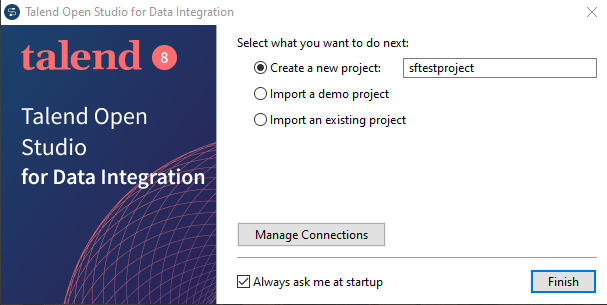
A comprehensive, open-source solution designed to manage complex data pipelines. Talend offers extensive connectors for cloud services, real-time data processing, and a drag-and-drop interface that simplifies data transformation.
3. Informatica
Ideal for advanced data management, Informatica excels in handling large-scale data, offering powerful governance features, data quality tools, and integrations with big data platforms.
4. SQL Server Integration Services (SSIS)
An excellent choice for companies within the Microsoft ecosystem, SSIS offers robust capabilities for data transformations, integration with SQL Server, and scalability for large projects.
5. IBM DataStage
A highly scalable, cloud-native ETL tool, IBM DataStage is designed for large enterprise data environments. It integrates well with big data platforms and offers real-time analytics capabilities.
For a full review, you can visit Top ETL Tools Review to explore more details and comparisons of these tools.
Best Practices for Implementing Open Source ETL Tools
Even after choosing the best open source ETL tool, implementing it effectively requires strategic planning and best practices. Below are some guidelines to follow for successful ETL implementation:
1. Assess Your Data Integration Needs
Begin by analyzing your current and future data integration requirements. This includes the volume of data, the variety of data sources, the complexity of data transformations, and how frequently data needs to be loaded into target systems. Understanding these needs will help you choose an ETL tool that aligns with your business goals.
2. Plan for Scalability
It’s important to choose an ETL solution that can scale as your data grows. While small businesses may only need basic batch processing, larger enterprises may require real-time data pipelines for handling dynamic data. Open source tools like Talend and Apache Airflow are built to scale with growing data demands, making them ideal for businesses anticipating data expansion.
3. Prioritize Data Security
Data security should be a top priority when implementing any ETL solution. Sensitive data should always be encrypted both in transit and at rest. Additionally, access controls should be in place to limit who can view, modify, or load data into systems. Open source tools with built-in security features and audit trails will help ensure compliance with data privacy regulations like GDPR.
4. Test and Monitor ETL Workflows
Once implemented, continuously test your ETL workflows to identify performance bottlenecks or data quality issues. Many open source ETL tools provide real-time monitoring and logging capabilities that make it easier to track job performance, catch errors early, and optimize performance over time.
Common Challenges and Solutions in ETL Implementation
ETL processes can present various challenges depending on your infrastructure, data volume, and requirements. Below are some common challenges businesses face and effective strategies for overcoming them:
1. Managing Data Quality
One of the key challenges with ETL is maintaining data quality as it moves from source to target systems. Issues such as missing data, inconsistencies, and duplicates can occur during the extraction or transformation phases.
Solution: Implement data profiling and validation at the extraction stage to catch and address anomalies early. Many open-source ETL tools provide built-in data cleansing capabilities, allowing you to automate the removal of duplicates and the correction of formatting errors.
2. Performance Bottlenecks
As the volume of data increases, ETL processes can become slow and resource-intensive. This can be particularly problematic when handling large datasets or performing complex data transformations.
Solution: Use parallel processing and distributed computing to improve performance. Additionally, schedule data extraction and loading tasks during off-peak hours to avoid overloading system resources.
3. Real-Time Data Integration
Many modern businesses require real-time data integration, but not all ETL tools are optimized for this. Handling continuous data streams while maintaining data quality and performance can be challenging.
Solution: Opt for open-source ETL tools that support real-time data pipelines and event-driven architectures. Tools like Apache Kafka or Apache NiFi are specifically designed for managing real-time data streams and can integrate seamlessly with ETL processes.
4. Integration with Legacy Systems
Some businesses still rely on legacy systems for data storage, making it difficult to integrate them into modern ETL processes. These older systems may not support modern APIs or have the necessary connectors for seamless data extraction.
Solution: Choose ETL tools that offer wide compatibility with both modern and legacy systems. Alternatively, custom connectors can be developed using open source ETL tools’ APIs or scripting capabilities.
Choosing the Right Open Source ETL Tool
The right open source ETL tool can significantly impact the efficiency and scalability of your data integration processes. Here’s a detailed process to help you select the best tool for your organization:
1. Define Your Data Requirements
Before selecting an ETL tool, assess the complexity and volume of your data. Identify whether your organization primarily deals with structured or unstructured data, and determine whether you need batch processing or real-time data integration.
For batch processing: Look for tools that provide high throughput and can handle large datasets in scheduled jobs.
For real-time integration: Choose a tool optimized for streaming data and event-driven processing, such as Apache Kafka or Apache NiFi.
2. Evaluate Scalability
Ensure the tool you select is scalable enough to handle your future data growth. As your organization collects more data and integrates more sources, the ETL process should not slow down or become a bottleneck. Open source tools like Talend Open Studio and Apache Airflow offer scalability features that can handle growing data pipelines efficiently.
3. Consider Community and Vendor Support
While open-source tools offer flexibility and customizability, they may lack formal vendor support. A strong, active community is essential for receiving guidance, troubleshooting, and accessing updates. Some tools, like Talend, also offer premium support options for enterprises that require guaranteed service levels.
4. Prioritize Security Features
With the increasing complexity of data privacy regulations (e.g., GDPR, CCPA), ensuring data security in your ETL process is critical. Choose a tool with features like end-to-end encryption, role-based access control, and compliance reporting. For example, Apache Nifi offers robust encryption and user authentication mechanisms designed to protect sensitive data.
5. Ease of Use
The usability of the ETL tool is another key factor to consider. Tools with a drag-and-drop interface like Talend or Pentaho Data Integration are easier to implement, particularly for teams with limited coding experience. On the other hand, tools like Apache Airflow or Apache Kafka are ideal for organizations that require more customization and are comfortable using code-based workflows.
For a complete comparison of features, scalability, and ease of use, check out Top ETL Tools Review to find the right tool for your needs.
Future of Open Source ETL Tools
The future of open source ETL tools looks promising, with a growing demand for flexible, scalable, and cost-effective data integration solutions. As data continues to grow in volume, velocity, and variety, open source ETL tools will play a critical role in helping organizations manage and integrate their data.
Some trends that are expected to shape the future of open source ETL tools include:
Increased Adoption of Cloud-Based ETL Tools: As more organizations move their data to the cloud, the demand for cloud-native ETL tools will continue to rise. These tools offer scalability, flexibility, and cost-efficiency, making them ideal for modern data integration needs.
Growing Demand for Real-Time Data Integration and Streaming Analytics: Businesses are increasingly looking to integrate and analyze data in real-time to gain immediate insights and respond quickly to changing conditions. Open source ETL tools that support real-time data pipelines and streaming analytics will be in high demand.
Greater Emphasis on Data Security and Compliance: With the growing complexity of data privacy regulations, organizations will prioritize ETL tools that offer robust data security features and compliance capabilities. This includes encryption, access controls, and audit trails.
Increased Use of Artificial Intelligence and Machine Learning in ETL Processes: AI and ML technologies are being integrated into ETL tools to automate data transformation, improve data quality, and enhance decision-making. These advancements will make ETL processes more efficient and effective.
Greater Focus on User Experience and Ease of Use: As ETL tools become more sophisticated, there will be a greater emphasis on making them user-friendly. This includes intuitive interfaces, drag-and-drop functionality, and comprehensive documentation to support users of all skill levels.
As the data integration landscape continues to evolve, open source ETL tools will need to adapt to meet the changing needs of organizations. By staying ahead of the curve and incorporating new technologies and trends, open source ETL tools can continue to provide valuable solutions for data integration and management.
FAQs about ETL Tool Open Source:
Several ETL tools are available for free, especially open-source ones. Talend Open Studio, Apache Nifi, and Pentaho Data Integration (PDI) are popular free ETL tools that provide robust data integration features without a subscription cost.
Some well-known open-source ETL tools include Talend Open Studio, Apache Airflow, Pentaho Data Integration, and Apache Nifi. These tools offer flexibility and community-driven support for data integration.
The most widely used ETL tools include Talend Open Studio, Informatica, and Microsoft SQL Server Integration Services (SSIS). These tools are popular for their reliability, scalability, and extensive integration capabilities.
Yes, Microsoft offers an ETL tool called SQL Server Integration Services (SSIS). It is a powerful tool for data extraction, transformation, and loading (ETL) within the Microsoft ecosystem, commonly used with SQL Server and Azure services.
Making the Right ETL Tool Decision
Selecting the right open source ETL tool is vital for ensuring seamless data integration. Whether you’re handling small-scale data or managing big data pipelines in real-time, the tool you choose must match your business’s scalability, security, and usability needs. By following best practices and addressing potential ETL challenges, you can optimize your data workflows for peak performance. For a detailed comparison of the best solutions, visit our comprehensive guide to the Top ETL Tools and find the ideal tool for your organization.
In conclusion, open source ETL tools offer a range of benefits for organizations looking to integrate and manage their data. From cost-effectiveness and flexibility to scalability and security, open source ETL tools provide a powerful solution for data integration needs. By understanding the importance of data integration and the benefits of open source ETL tools, organizations can make informed decisions about their data management strategies. Whether you’re looking to improve data quality, enhance data security, or drive business growth, open source ETL tools can help.
As the data integration landscape continues to evolve, it’s essential to stay ahead of the curve and explore new technologies and trends. By doing so, organizations can ensure that their data integration strategies are future-proof and aligned with their business goals. In this article, we’ve explored the best open source ETL tools for data integration. We’ve also discussed the importance of data integration, the benefits of open source ETL tools, and the future of data integration. By leveraging open source ETL tools and staying ahead of the curve, organizations can unlock the full potential of their data and drive business success.


