


When it comes to home flooring, one of the most significant decisions you’ll make is choosing between dense carpeting and hardwood flooring. Both options have their unique advantages and charm, but selecting the right one for your home can be a daunting task. This guide aims to simplify this dilemma by exploring the characteristics of carpet and hardwood flooring, helping you make an informed decision that suits your lifestyle, aesthetics, and practical needs. For insights specifically on carpets, check out our guide on top carpets.
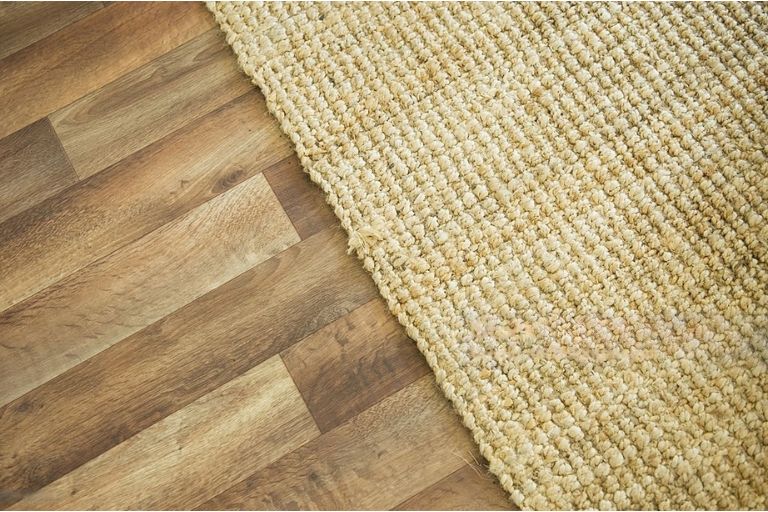
Your choice of flooring isn’t just about aesthetics; it impacts your daily life. Factors such as maintenance, comfort, durability, and budget play crucial roles in this decision-making process. We’ll delve into these considerations, guiding you through the pros and cons of both carpet and hardwood, so you can confidently select the perfect flooring option for your home.
Cost Comparison
One of the first considerations when choosing between carpet and hardwood is often the cost. Many assume that carpet is the more budget-friendly option, comparing hardwood, but is that always the case? We’ll break down the initial carpet flooring and hardwood floor costs and examine whether carpet or solid hardwood truly comes out as the cheaper choice.
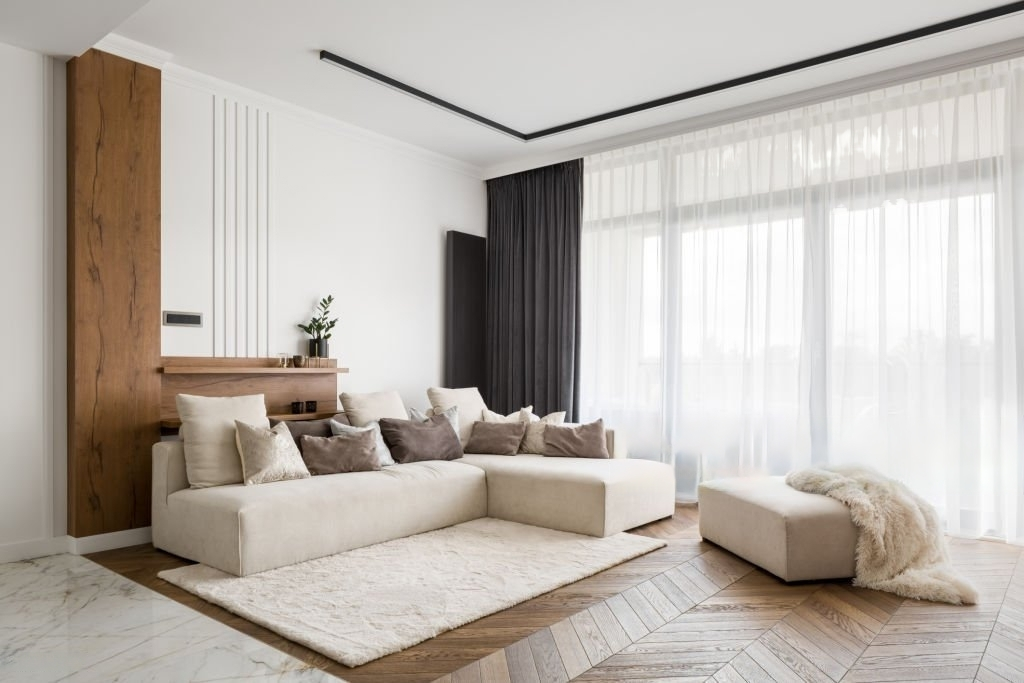
Carpet vs Hardwood Cost Analysis
To make an informed decision, you need a detailed cost analysis. We’ll compare the price per square foot of carpet and hardwood, including the costs of materials and installation. But it doesn’t end there. We’ll also explore the factors that can affect these costs, such as the type of carpet or hardwood you choose and the room’s size and layout.
Per Square Foot Carpet and Hardwood Floors
| Flooring Type | Average Cost per Square Foot | Installation Cost per Square Foot | Total Cost per Square Foot (Including Installation) | Lifespan |
|---|---|---|---|---|
| Carpet | $3 – $12 | $4 – $15 | $4 – $15 | 10 years-20 years |
| Hardwood | $6 – $22 | $4 – $8 | $10 – $30 | 100+ years |
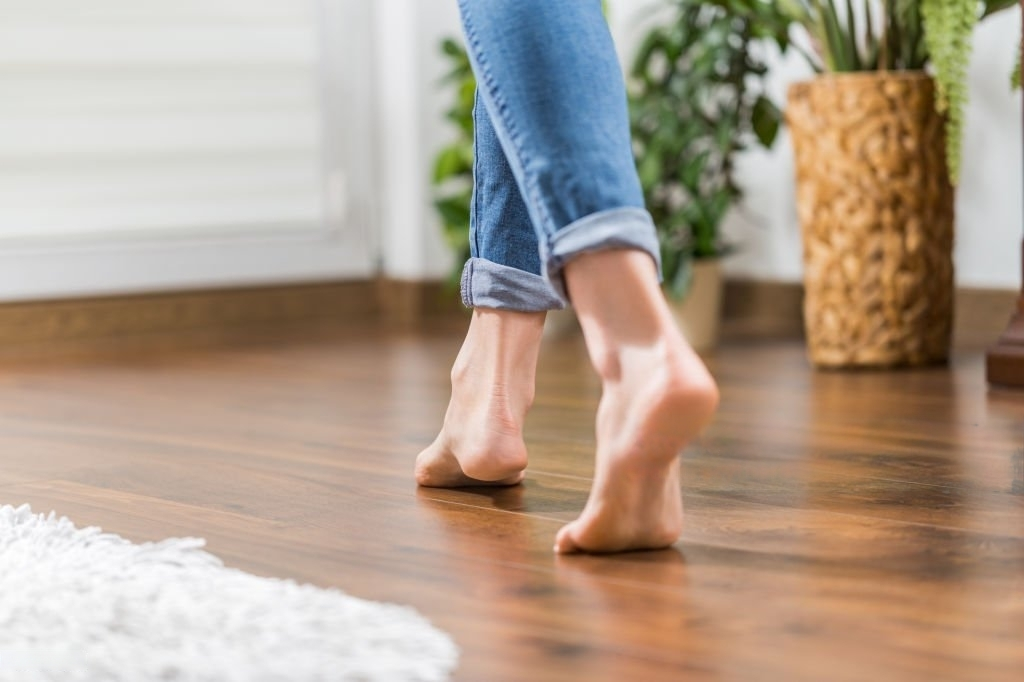
– Average Cost per Square Foot: This 12 per square foot represents the typical cost range for the flooring material itself.
– Installation Cost per Square Foot: The additional cost of professional installation, which can vary based on factors like location and complexity.
– Total Cost per Square Foot (Including Installation): The combined cost of the flooring material and installation.
– Lifespan: The expected lifespan of the flooring type, which can impact long-term costs.
Please note that these costs are approximate and can vary significantly based on factors like the type of wood for hardwood floors or the quality and style of carpeting. Additionally, installation costs can fluctuate depending on your location and the specific requirements of your project. It’s advisable to obtain detailed quotes from contractors or suppliers for precise pricing tailored to your needs.
Aesthetics and Design
When it comes to aesthetics, the choice between carpet and hardwood can significantly impact the look and feel of your space. We’ll explore the visual appeal of both flooring options, discussing the warmth and coziness of carpets versus the timeless elegance of hardwood.
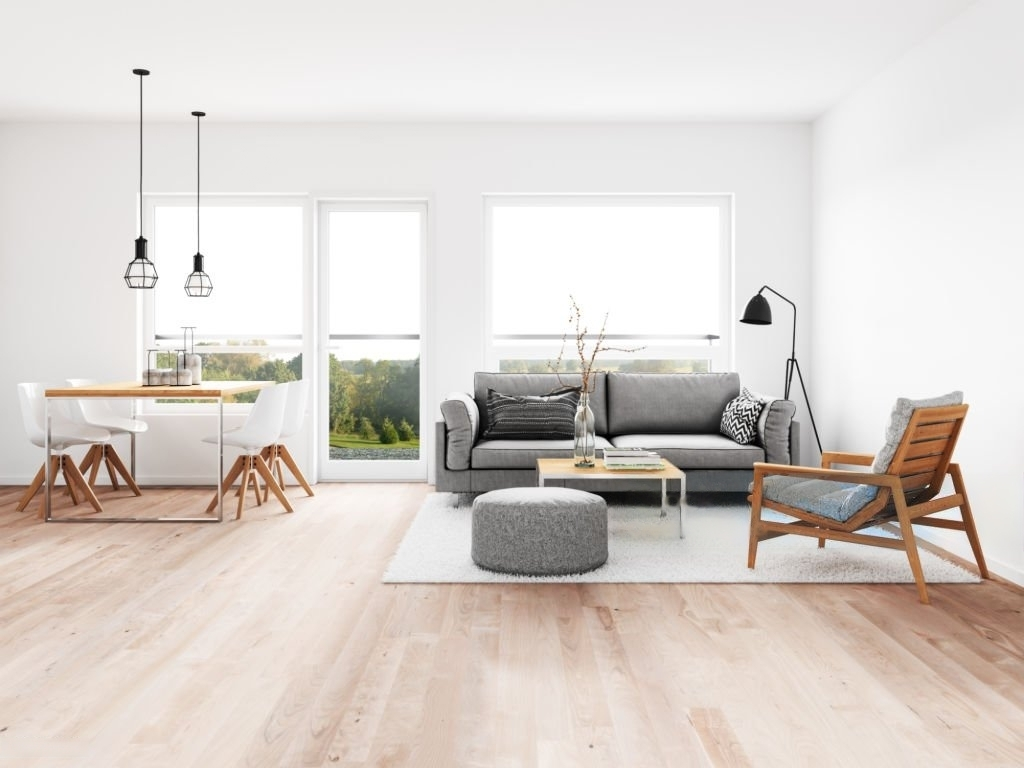
Your flooring choice sets the stage for your interior design. We’ll delve into the decorating and style options that work best with carpeting and hardwood. Whether you prefer a traditional, modern, or eclectic style, understanding how each flooring type complements various design elements can help you create a harmonious living space.
The ambiance of a room is not solely dependent on furniture and décor; flooring plays a crucial role too. We’ll discuss how carpeting and hardwood can contribute to the ambiance you want to create in your home. Whether you’re aiming for a cozy, formal, or rustic atmosphere, your flooring choice can make a significant difference.
Maintenance and Durability
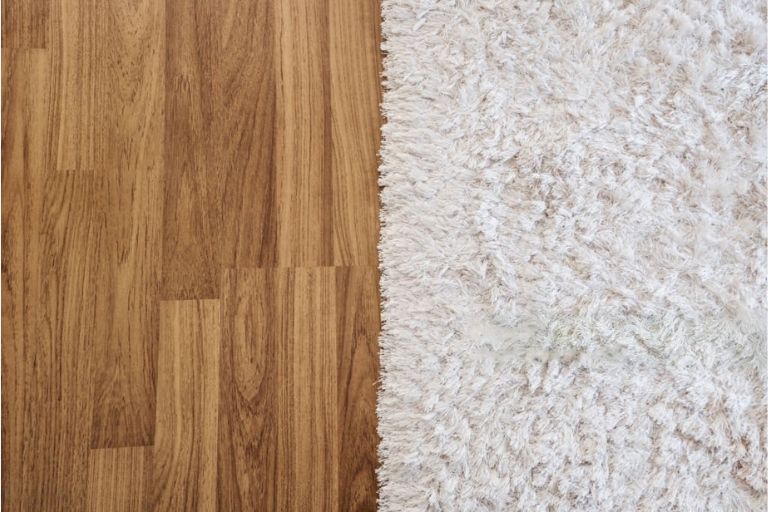
Hardwood floors are renowned for their durability and can last for generations with proper care. We’ll explore the factors in wood floors that contribute to their longevity, such as wood species and finish, and discuss how they stand up to everyday wear and tear.
Carpet’s Lifespan and Maintenance Requirements
Carpeting offers comfort and warmth, but it requires regular maintenance to maintain its appearance and extend its lifespan. We’ll delve into the maintenance requirements for carpets, including cleaning and addressing wear and tear issues. Understanding how to care for your carpet can help it look great for years to come.
Pets, Kids, and Wear and Tear
Homes with pets and children often experience higher levels of wear and tear on flooring. We’ll discuss how both carpet and hardwood fare in such households, offering insights into which option may be more suitable for your family’s specific needs and lifestyle.
Comfort and Insulation
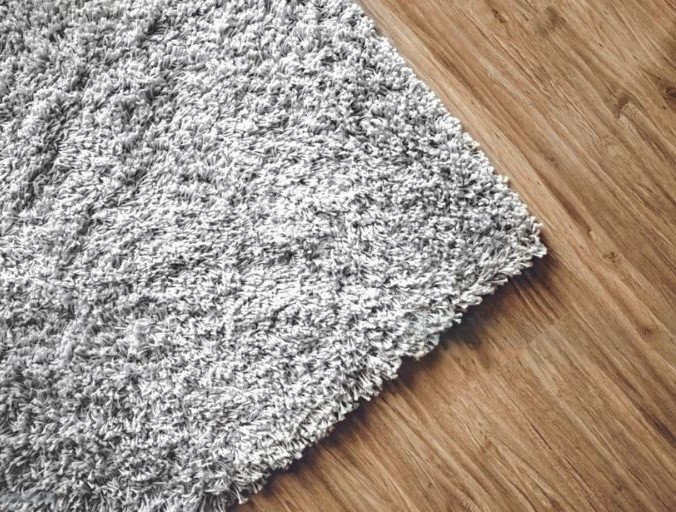
Carpet offers a plush, comfortable surface that’s gentle on your feet. We’ll explore how the softness of carpeting adds a cozy ambiance to rooms and provides a comfortable surface for activities like sitting and playing on the floor.
Hardwood, while not as soft as carpet, has a unique natural feel that many homeowners appreciate. We’ll discuss how hardwood floors can be paired with area rugs for added comfort and insulation. Additionally, we’ll explore the insulation properties of both hardwood and carpet and how they contribute to energy efficiency.
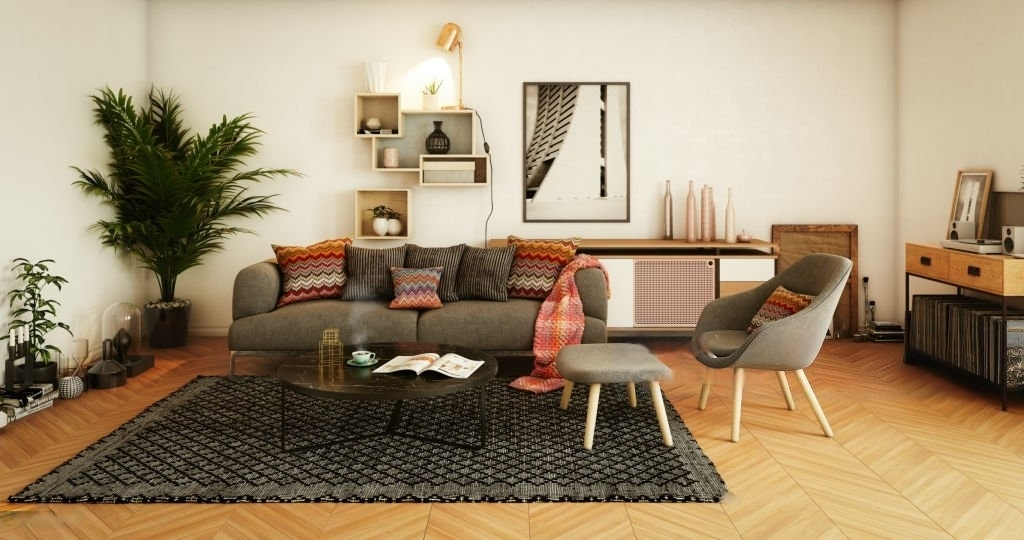
Different rooms in your home serve varying purposes, from relaxation to high-traffic areas. We’ll provide guidance on how to choose between carpet and hardwood based on the specific needs and comfort requirements of each room, ensuring your flooring choice aligns with its function.
Allergies and Health Considerations
This section will delve into the impact of carpet and hardwood flooring on individuals with allergies. We’ll explore how each type of flooring can affect indoor air quality and allergy symptoms, helping readers make an informed choice that promotes better health.
Discuss the ease of cleaning and maintaining both carpet and hardwood in relation to allergen reduction. This will include tips and some easy to clean up methods for keeping these flooring options clean and allergen-free.

Highlight the importance of wood flooring in creating a healthy indoor environment. We’ll provide insights into how the choice engineered wood flooring, between carpet and hardwood can contribute to air quality, respiratory health, and overall well-being for residents.
Environmental Impact
In this part, we’ll delve into the sustainability aspect of hardwood flooring. This includes discussing install hardwood flooring types that are environmentally friendly, certifications to look for, and the overall impact on forests and ecosystems.
Explore eco-friendly carpeting alternatives, such as those made from recycled materials or featuring low VOC emissions. We’ll also address concerns related to carpet production and disposal, helping readers make environmentally conscious choices.
This section will provide readers with a comprehensive view of the ecological footprint associated with both carpet and well engineered hardwood flooring. It will help them consider the environmental impact of their new hardwood flooring decision beyond just the materials used, including installation and long-term maintenance.
Pros of Carpet Flooring
Carpet flooring offers numerous advantages, making it a popular choice for many homeowners. Here are some of the key pros of carpet floors:
1. Comfort and Warmth
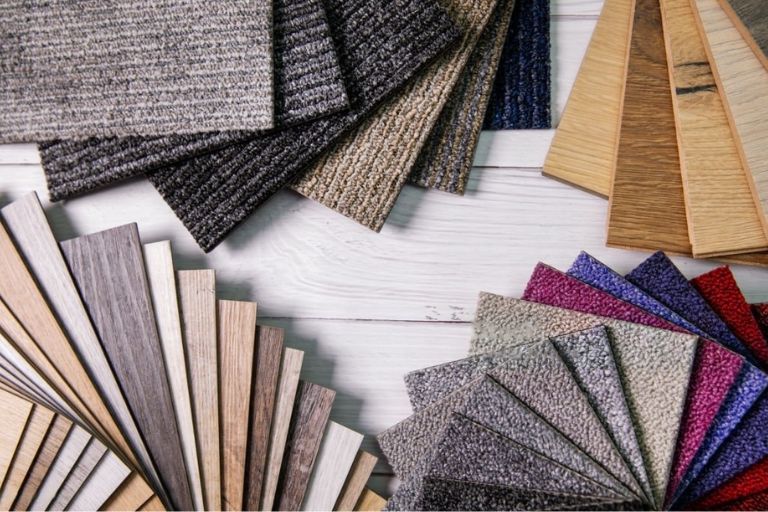
One of the most significant advantages of carpet flooring is the comfort it provides underfoot. The soft and cushioned surface makes it comfortable to walk, sit, or play on. It’s especially appreciated in bedrooms and living rooms, where comfort matters most.
2. Insulation
Carpet acts as a natural insulator, helping to maintain room temperature. It retains warmth, making it ideal for cold climates and reducing heating costs during the winter. It also provides acoustic insulation, reducing noise transmission between floors.
3. Safety
Carpet provides a non-slip surface, making it a safer option, especially for families with young children or elderly members. It reduces the risk of slips and falls compared to hard flooring options.
4. Aesthetics
In terms of appearance, carpet provides a diverse selection of colors, patterns, and textures, affording homeowners the opportunity to personalize their indoor spaces. It has the capacity to elevate the visual appeal of a room and cultivate a warm and welcoming ambiance.
5. Sound Absorption
Carpeting helps to absorb sound and reduce echoes in a room, creating a quieter and more peaceful environment. This is particularly advantageous in multi-story homes or areas with high foot traffic.
6. Low Maintenance
While regular cleaning is necessary, carpet flooring is generally easy to maintain. Vacuuming and occasional professional cleaning can keep it looking fresh for years.
7. Cost-Effective
Carpet is often more budget-friendly than hardwood or other hard flooring materials. This makes it an attractive option for homeowners looking to save on initial installation costs.
8. Versatility
Carpets can be installed in various areas of the home, from bedrooms to living rooms to hallways. They are available in different types, including plush, Berber, and patterned designs, allowing for versatility in design choices.
9. Easy Installation
Installing carpet is usually quicker and less disruptive than installing hardwood or tile floors. This can be especially advantageous for those looking for a fast home improvement solution.
10. Eco-Friendly Options
There are eco-friendly carpet options available made from recycled materials or sustainable fibers, catering to environmentally conscious homeowners.
Cons of Carpet Flooring
While carpet flooring boasts its advantages, it also carries certain drawbacks that homeowners should take into account when contemplating their choices. Here are the disadvantages of carpet flooring:
1. Stains and Spills
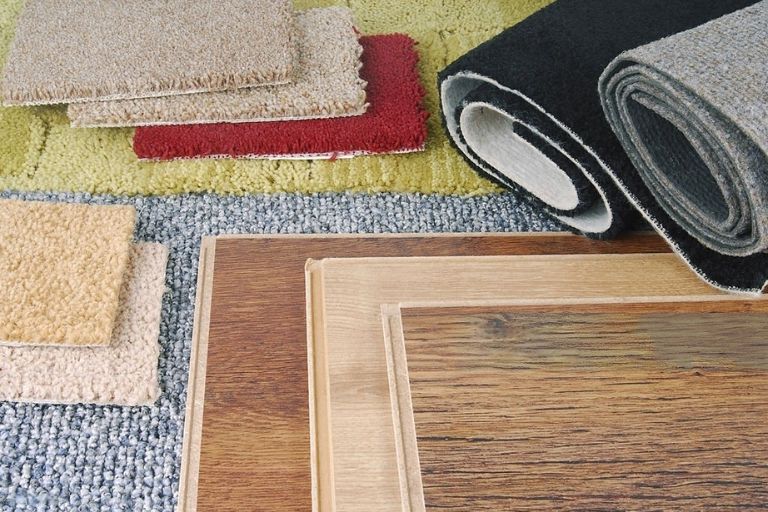
Carpets are more susceptible to stains from spills, which can include anything from food and drinks to pet accidents. Even with stain-resistant treatments, some substances may still leave lasting marks.
2. Maintenance
Carpets require regular maintenance to keep them clean and looking good. Vacuuming is necessary at least once a week, and occasional professional cleaning may be needed to remove deep-seated dirt and stains.
3. Allergens
Carpet can trap allergens like dust mites, pet dander, and pollen. This can be problematic for individuals with allergies or respiratory issues, as these allergens may become airborne when disturbed.
4. Wear and Tear
Over time, carpet fibers can wear down, leading to noticeable traffic patterns and reduced overall appearance. High-traffic areas, like hallways and entryways, are particularly prone to this issue.
5. Odors
Carpets can absorb and retain odors, especially if there have been pet accidents or spills. Even with cleaning, lingering smells can be a problem.
6. Durability
Compared to hard flooring options like hardwood or tile, carpets tend to have a shorter lifespan. They may need replacement sooner, especially in areas with heavy foot traffic.
7. Mold and Mildew
In humid environments, or if exposed to moisture, carpets can develop mold or mildew problems. This can affect indoor air quality and be challenging to address.
8. Not Suitable for All Areas
Carpets are not recommended for areas prone to moisture, such as bathrooms and kitchens, as they can harbor mold and odors. High-moisture areas can also cause the carpet backing to deteriorate.
9. Professional Installation Needed
While carpet installation is generally easier and faster than hard flooring, it’s best done by professionals to ensure a proper fit and avoid issues like wrinkles or uneven seams.
10. Aesthetic Trends
Carpet styles and colors can go in and out of fashion. Homeowners may find that their chosen carpet becomes outdated in terms of design trends.
11. Environmental Concerns
Some traditional carpet materials and adhesives may contain volatile organic compounds (VOCs) that can affect indoor air quality. Eco-friendly carpet options are available, but they may be pricier.
12. Potential for Allergies
For individuals with allergies, carpet can trap allergens that are difficult to remove completely, potentially aggravating allergy symptoms.
Pros of Hardwood Flooring
Hardwood flooring is a popular choice for many homeowners due to its timeless appeal and durability. Here are the pros of hardwood vs carpet or flooring:
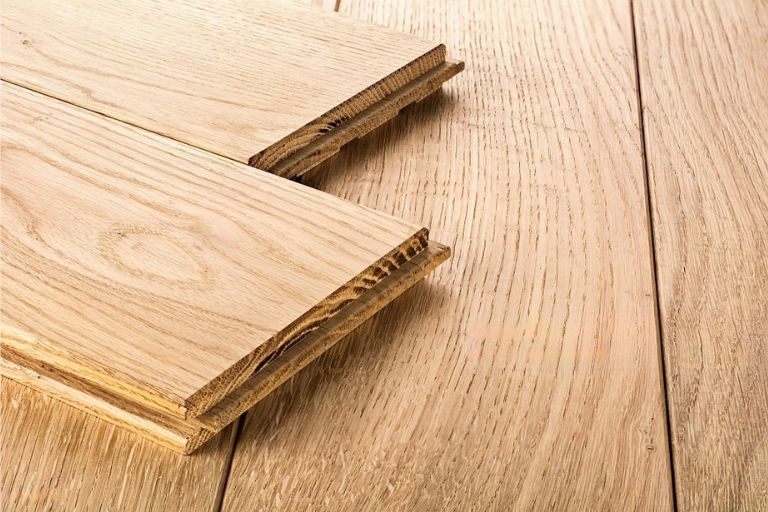
- Elegant Aesthetic: Hardwood floors offer a classic and elegant look that can enhance the beauty and sophistication of any room. The natural wood grain patterns and rich colors add warmth and character to spaces.
- Durability: Hardwood flooring is known for its long-lasting durability. When properly cared for, hardwood floors can last for generations. They are resistant to wear and tear, making them suitable for high-traffic areas.
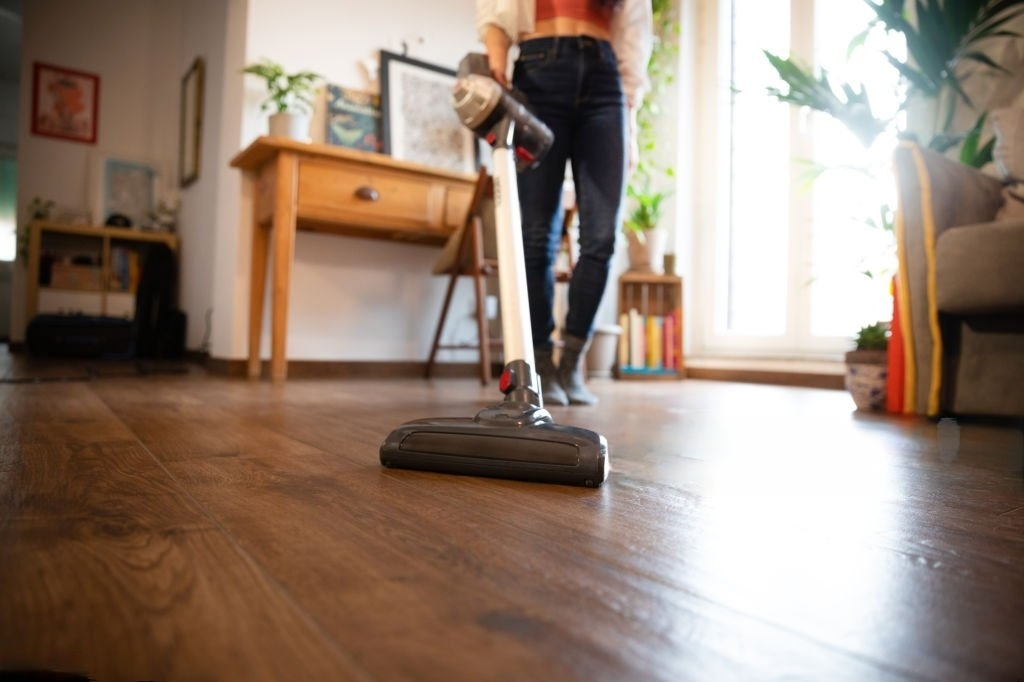
- Easy Maintenance: Hardwood floors are relatively easy to maintain. Regular sweeping and occasional mopping or refinishing are typically all that’s needed to keep them looking their best. There’s no need for extensive cleaning or special products.
- Hypoallergenic: Unlike carpets, hardwood floors do not trap allergens like dust mites, pollen, or pet dander. This makes them an excellent choice for individuals with allergies or respiratory sensitivities.
- Increased Home Value: Hardwood floors can significantly increase the resale value of a home. Potential buyers often prefer hardwood over other flooring options due to its durability and aesthetic appeal.
- Versatility: Hardwood is versatile and complements various interior design styles, from traditional to modern. It can be easily matched with different color schemes and furnishings.
- Resale Advantage: Homes with hardwood flooring tend to sell faster and at higher prices than those without. It’s a valuable investment that pays off when selling your property.
- Natural and Sustainable: Hardwood is a renewable resource when sourced responsibly. Many hardwoods are harvested from sustainable forests, making them an eco-friendly flooring option.
- Temperature Regulation: Hardwood floors can help maintain a consistent indoor temperature, as they do not retain heat like carpeting. They stay cool in the summer and can be paired with underfloor heating for warmth in the winter.
- Timeless Appeal: Hardwood flooring never goes out of style. Its timeless beauty ensures that your floors will look fashionable and desirable for years to come.
- Variety of Wood Species: There is a wide variety of hardwood species to choose from, each with its own unique grain pattern and color. This allows homeowners to select the wood that best suits their aesthetic preferences.
- Increased Acoustics: Hardwood floors offer better acoustics compared to hard surfaces like tile or laminate. They absorb sound to some extent, reducing echoes and noise.
- Suitable for Allergy Sufferers: Hardwood does not trap allergens, making it an ideal choice for allergy sufferers or households with pets.
- Customization: Hardwood can be sanded and refinished multiple times, allowing you to change its appearance over the years. This versatility allows for long-term customization.
Cons of Hardwood Flooring
While hardwood flooring offers many advantages, it also has some drawbacks to consider before making a decision. Here are the cons of hardwood flooring:
- High Initial Cost: Hardwood flooring can be expensive, especially if you choose exotic or rare wood species. The cost of materials and professional installation can significantly impact your budget.
- Vulnerable to Moisture: Hardwood floors are sensitive to moisture and humidity. Exposure to excess moisture can cause warping, cupping, or buckling. They are not recommended for areas prone to spills or high humidity, such as bathrooms.
- Requires Regular Maintenance: Hardwood floors need regular maintenance, including refinishing, to keep them in top condition. Over time, scratches and dents can accumulate, requiring sanding and resealing.
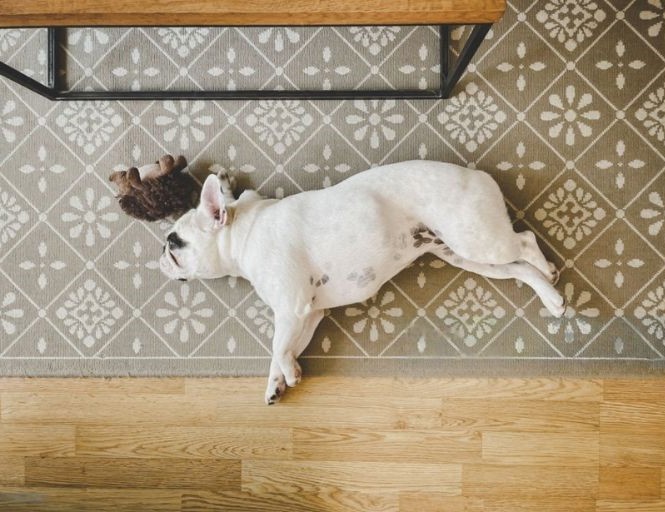
- Susceptible to Scratches: Despite being durable, hardwood floors are susceptible to scratches, especially from pet claws and heavy furniture. Using protective pads and area rugs can help mitigate this issue.
- Can Be Noisy: Hardwood floors can amplify noise, making footsteps, furniture movement, and even voices louder. This can be a concern in multi-story homes or apartments.
- Not as Soft or Warm as Carpet: Hardwood floors are not as soft or warm underfoot as carpeting. They can feel cold in the winter, and some people prefer the comfort of carpet in bedrooms or living areas.
- Limited Insulation: Hardwood floors do not provide the same level of insulation as carpeting. This means they may not retain heat as effectively and could result in higher energy bills in colder climates.
- Installation Challenges: Installing hardwood floors can be a time-consuming process, and it’s often best left to professionals. Subfloor preparation, acclimatization of wood, and precise installation are critical for a successful outcome.
- Not Eco-Friendly for Some Species: While hardwood is a renewable resource, some exotic or rare wood species are overharvested, leading to deforestation concerns. Choosing sustainably sourced hardwood is essential to mitigate this issue.
- Stains and Discoloration: Hardwood floors can be prone to staining if spills are not promptly cleaned up. Some woods are also susceptible to discoloration from exposure to sunlight.
- Fading and Aging: Over time, hardwood floors may naturally change color or fade, depending on the wood species and exposure to light. Some homeowners embrace this aging process, while others prefer the original appearance.
- Less Forgiving on Uneven Subfloors: Hardwood flooring may require a perfectly level and smooth subfloor. Uneven subfloors can result in squeaks, gaps, or an uneven surface.
- Limited Design Options: While hardwood offers a range of wood species and stains, it may not provide as much design versatility as carpet or other flooring types.
Personal Preference
When it comes to flooring, your lifestyle and needs should be paramount. Consider your personal style and the ambiance you want to create in your home. If you prefer a warm, cozy, and inviting atmosphere, carpeting might be your go-to choice. Its softness underfoot and wide range of colors and textures can help you achieve that comfort. On the other hand, if you lean towards a more contemporary or rustic look with an emphasis on natural elements, hardwood floors could be your preference. The clean, timeless appeal of hardwood can complement various interior design styles.
Considerations for Future Changes and Renovations
Think beyond the present when making your flooring decision. Consider how your family might change or grow in the future and how your rooms might serve different purposes. For example, if you plan to expand your family, carpeting in bedrooms can create a comfortable, safe space for little ones to play. However, it might be worth considering hardwood in common areas to withstand the higher traffic and potential spills. Also, if home renovations are on the horizon, envision how your chosen flooring will fit with those future improvements. A versatile flooring choice can adapt to various design schemes.
FAQs
A: Hardwood floors tend to have a longer lifespan and can be more cost-effective in the long term, but they have a higher upfront cost compared to carpet.
A: Yes, many homeowners opt for a combination of both. For example, hardwood in common areas and carpet in bedrooms for comfort.
A: Hardwood floors require regular sweeping and occasional refinishing. Carpeting needs vacuuming and periodic deep cleaning.
A: Hardwood floors are hypoallergenic and easier to clean, making them a better choice for those with allergies. Carpets can trap allergens but can be cleaned thoroughly.
A: Hardwood floors are generally better for high-traffic areas due to their durability. Carpets may wear out more quickly.
A: Yes, hardwood from sustainable sources and green carpeting made from recycled materials are eco-friendly choices.
A: Consider factors like aesthetics, comfort, and maintenance needs to align your choice with your lifestyle.
A: Yes, both carpet and hardwood can be replaced or refinished. However, it’s a significant project that should be planned carefully.
A: Hardwood is easier to clean in case of spills, but carpeting may provide a softer surface for children to play on.
A: Hardwood floors often add to a home’s resale value. However, local real estate market trends also play a role.
Conclusion
In conclusion, the decision between carpet and hardwood flooring ultimately boils down to your unique preferences, needs, and circumstances. Both options offer distinct advantages and considerations, and the ideal choice will vary from one homeowner to another. By carefully evaluating factors such as cost, aesthetics, maintenance, and room-specific requirements, you can find the perfect balance between the comfort of carpet and the timeless appeal of hardwood.
Your home should reflect your individual style and provide a welcoming and stylish living environment. Whether you opt for the softness and warmth of carpet or the elegance and durability of hardwood, remember that your flooring choice can significantly impact your home’s ambiance and functionality. Make your decision with confidence, knowing that you’ve considered all aspects of your flooring project to create a comfortable and stylish space that suits your lifestyle. For more inspiration on carpets, explore our collection of top carpets.


