
“Regular checkups and visits to the veterinarian are essential for maintaining your dog’s health and well-being. Just like humans, dogs can develop a wide range of health issues over the course of their lives, and regular check-ups with a veterinarian can help catch these issues early on when they are most treatable.
In this comprehensive article, we’ll discuss how often you should take your dog to the vet, covering all stages of your dog’s life from puppyhood to their golden years. We’ll also cover a variety of topics, including preventative care measures, common canine diseases, and emergency vet visits.
By the end of this article, you’ll have a better understanding of how to keep your dog healthy and thriving through regular vet visits. Whether you’re a first-time dog owner or a seasoned pro, this article will provide you with valuable information and insights into annual vet visits to help you provide the best possible care for your furry friend.

How Often Should You Take Your Puppy to the Vet?
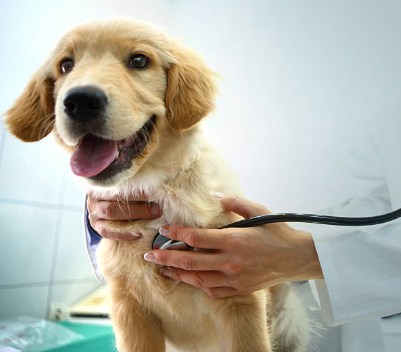
Puppies require more frequent vet visits for veterinary check-ups and measures in order to ensure their health and wSell-being. Generally, puppies should be taken to the vet for their annual check up top-ups and vaccinations at the following intervals:
6 to 8 weeks of age: First veterinary check-up, including a physical exam, deworming, and first round of vaccinations.
10 to 12 weeks of age: Second veterinary check-up, including another physical exam, second round of vaccinations, and potentially.
14 to 16 weeks of age: Third veterinary check-up, including a final round of vaccinations and any other necessary preventative measures.
6 months of age: Spay or neuter surgery (if not already done) and a general health check-up.
After 6 months of age: Annual check-ups and vaccinations, as well as any necessary preventative measures, such as parasite prevention.


How Often Should You Take your Adult Dogs to the Vet?
When it comes to adult dogs, it’s important to keep up with regular wellness exams and vet visits for most dogs in order to ensure that they stay healthy and catch any potential health issues early on.
The frequency of vet visits for adult dog can vary depending on a number of factors, including the dog’s overall health, age, and any pr -existing conditions they may have. As a general rule of thumb, healthy adult dogs should visit the vet at least once a year for a routine wellness exams and exam.
During a wellness exam, the vet will typically conduct a physical exams of the dog, checking for any abnormalities or signs of illness. They may also recommend diagnostic tests, such as blood work or urine tests, to check for any underlying health issues.
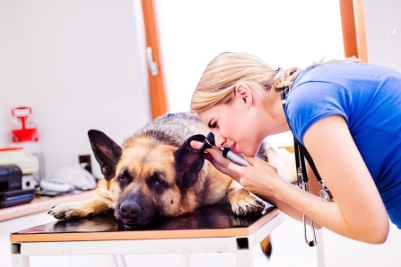
For dog owners who are considering holistic additions to their pet care regimen, Full Spectrum CBD Pet Oil offers a natural, supportive option. It is becoming increasingly popular among pet owners seeking alternative methods to support their dog’s overall health, especially in managing conditions like anxiety, inflammation, and chronic pain. This oil is designed to be safe for pets and can serve as a complementary treatment alongside regular veterinary care. If you’re looking to integrate a natural supplement into your dog’s health routine that can enhance well-being and potentially reduce the need for frequent vet visits, Try our Full Spectrum CBD Pet Oil today! This could provide a significant boost to your pet’s quality of life.

In addition, HolistaPet provides a broad spectrum of CBD products tailored specifically for pets. These products include treats, oils, and capsules designed to support various health needs such as wellness, mobility, and calming. All HolistaPet products are crafted from all-natural ingredients, emphasizing safety and efficacy for pets. For those interested in expanding their use of holistic health products for pets, exploring the options available from HolistaPet could be very beneficial. You can learn more about their offerings and how they may benefit your dog by visiting HolistaPet.
How Often Should You Take Your Senior Dogs to the Vet?
Senior and adult dogs typically require more frequent veterinary check-ups and in order to ensure their well-being. Generally, a senior dog or dogs in adult years should be taken to the vet for check-ups and at least twice a year, or more frequently as recommended by your veterinarian.
During these check-ups, your veterinarian may perform a physical exam, diagnostic test, and any necessary treatments such as vaccinations, parasite prevention, and dental cleanings. Regular check-ups can help catch potential issues early on, when they are more easily treatable.
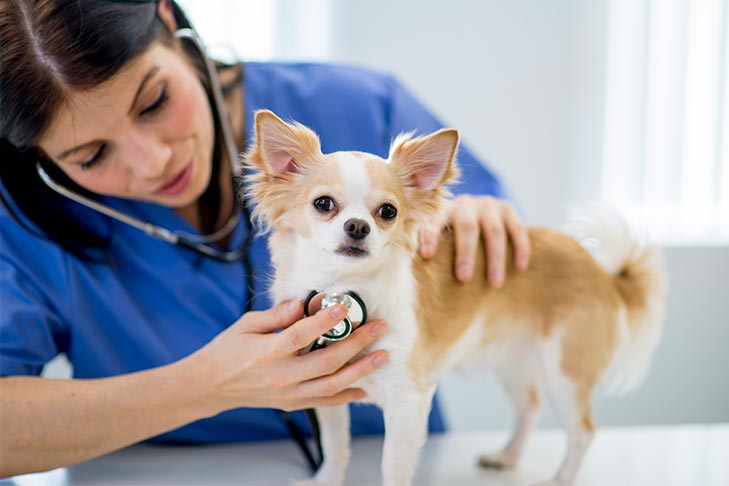
How Often Should I Take My Pregnant Dog to the Vet?
If your dog is pregnant, it’s important to take her to the vet for regular check-ups throughout her pregnancy in order to ensure the health and well-being of the dog ages both the mother and her puppies. Generally, pregnant dogs should be taken to the vet for check-ups at the following intervals:
4 to 6 weeks of pregnancy: First veterinary check-up to confirm pregnancy and check the health of the mother.
8 to 9 weeks of pregnancy: Second veterinary check-up to check the growth and health of the puppies, and provide any necessary treatments.
9 to 10 weeks of pregnancy: Final veterinary check-up to prepare for delivery, and provide any necessary treatments.
It’s important to note that the specific veterinary needs of your pregnant dog may vary depending on her health and the size of older dogs in her litter. Your veterinarian can provide specific recommendations for your pregnant dog’s healthcare needs, and advise you on proper care and nutrition throughout her pregnancy.

Pet Insurance
Pet insurance is a type of insurance policy designed to help cover the cost of veterinary care for your pet. Like human health insurance, pet insurance typically involves paying a monthly premium in exchange for coverage for a variety of medical expenses, such as routine check-ups, emergency care, and treatments for illnesses and injuries.

How Does Pet Insurance Work?
Pet insurance typically involves paying a monthly or annual premium in exchange for coverage for a variety of medical expenses related to your pet’s health and well-being. When your pet requires medical care, you will typically pay the veterinary bill up front, and then submit a claim to the insurance provider for reimbursement.
The specifics of the reimbursement process can vary depending on the policy, with some policies offering a percentage-based reimbursement for covered expenses, and others offering a set dollar amount per incident.

Benefits of Pet Insurance
Pet insurance can offer a number of benefits for both you and/ take your dog and other dog owners, including:
Financial protection: Pet insurance can help cover the cost of unexpected veterinary expenses, which can be particularly helpful in the case of an emergency or serious illness.
Peace of mind: With pet insurance, you can have peace of mind knowing that your dog’s healthcare needs are covered, without worrying about the cost.
Flexibility: Pet insurance policies can be customized to meet your dog’s specific healthcare needs, providing the coverage that best suits your pet’s individual needs.
Better access to care: With pet insurance, you may be able to afford more advanced or specialized medical treatments for your dog, which may not be possible without insurance.
Can Pet Insurance Pay for Vet Visits?
Yes, some pet insurance policies can cover the cost of routine vet visits, such as annual wellness exams. However, the specific coverage provided by each policy can vary, so it’s important to carefully review the terms of the policy to understand what is covered and what is not.
What Does Pet Insurance Cover?
Pet insurance can cover a wide range of medical expenses related to your pet’s health and well-being, including:
Illnesses and injuries
Emergency care
Prescription medications
Diagnostic tests and imaging
Surgery
Hospitalization
Behavioral issues
How Much Does Pet Insurance Cost?
The cost of pet insurance can vary depending on a variety of factors, including your pet’s age, breed as well as the specific coverage provided by the policy. Generally, pet insurance premiums can range from around $20 to $60 per month, with more comprehensive policies and coverage options typically costing more.
While pet insurance can be a significant expense, it can also provide important financial protection and peace of mind when it comes to your pet’s healthcare needs. When considering pet insurance, it’s important to carefully evaluate the policy and coverage options to ensure that you are choosing the best option for your pet’s individual needs and your budget.

Choosing the Best Wellness Plan for Your Dog
When choosing a wellness plan for your dog, it’s important to consider a variety of factors, including your dog’s age, breed, as well as the specific services offered by the plan. Some questions to ask when choosing a wellness plan include:
- What services are included in the plan, and are they appropriate for my own dog to the vet’s specific needs?
- What is the cost of the plan, and is it affordable for me take my dog and budget?
- Are there any exclusions or limitations to the plan that may not be suitable for my dog’s healthcare needs?
- Is the plan offered by a reputable veterinary clinic with experienced and knowledgeable vet staff?
- What is the frequency of preventative care services included in the plan?
In addition to routine vet visits, preventative care is crucial in maintaining your dog’s health. This can include vaccinations, parasite prevention, and nutritional management. For those looking to incorporate natural and holistic approaches to their pet’s health regimen, HolistaPet offers a variety of CBD products specifically designed for dogs. These products can help with issues ranging from anxiety and joint pain to general health maintenance. To explore their extensive range of pet CBD products, you can visit HolistaPet here.

When Should You Take Your Dog to the Vet Immediately?
Some situations that may require immediate vet care include:
Difficulty breathing or choking
Severe bleeding or injury
Uncontrolled vomiting or diarrhea
Seizures or collapse
Ingestion of toxins or foreign objects
Signs of extreme pain or discomfort
If you suspect your dog is experiencing a medical emergency, it’s important to contact your veterinarian or an emergency vet clinic immediately.
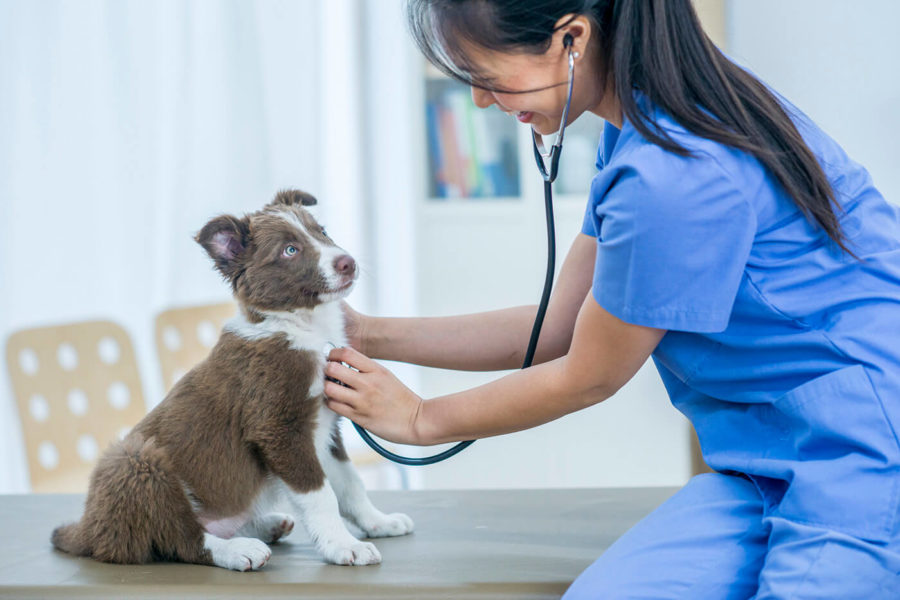
Common Emergency Situations in Dogs
There are a number of common emergency situations that dogs may experience, including:
Heatstroke
Hypoglycemia
Seizures
Gastric torsion (also known as bloat)
Allergic reactions
Providing proper nutrition and exercise to maintain your dog’s health
Regular veterinary check-ups and preventative care measures, such as vaccinations and parasite prevention
Keeping your dog away from potentially dangerous substances, such as chemicals, human foods, and poisonous plants
Providing a safe and secure environment to prevent injury and escape
Monitoring your dog’s behavior and seeking veterinary care promptly if you notice any changes or signs of illness
FAQs
A: It is recommended to brush your teeth at least once a day in order to prevent dental disease and maintain overall dental health. However, even a few times a week can make a difference.
A: Dogs may eat poop due to a variety of factors, such as dietary deficiencies, boredom, and learned behavior. While it is generally not harmful, it can pose health risks for dogs, such as the potential for exposure to intestinal parasites, and bacterial infections. If your dog is engaging in this behavior.
A: The specific vaccinations your dog needs may vary depending on their age, and lifestyle. However, core vaccinations recommended for all dogs include rabies, distemper, adenovirus, and parvovirus.
A: During a routine check-up, your veterinarian will perform a physical exams, discuss your dog’s medical history and lifestyle, and may recommend and administer.
A: Yes, there are a number of at-home health checks you can do for your dog, such as checking their coat and skin for any abnormalities, monitoring their eating and drinking habits, and checking their eyes and ears for signs of infection or irritation. However, it is still recommended to take your dog to the vet for regular check-ups.
A: You can find a reputable veterinarian in your area by asking for recommendations from friends and family, checking online reviews, and contacting local veterinary clinics to ask about their services and qualifications.
Final Thoughts
Taking care of your pooch is a top priority when it comes to having a four-legged family member. By following the recommended guidelines on how often to take them to the vet, as well as understanding common emergency situations and when immediate attention is needed, you can easily help ensure your dog’s wellness and happiness. Also, if you choose a pet insurance plan that covers preventative care, it can make visits for both routine exams and unexpected trips more affordable as well.
In conclusion, regular veterinary care is essential for the health and well-being of your furry companions. Just like puppies require the best nutrition to support their growth, it’s important to feed them the best puppy food that meets their unique dietary needs. Additionally, don’t forget about the importance of routine check-ups for your feline friends. Discover the recommended frequency for cat veterinary visits and ensure their ongoing health by visiting our guide on how often you should take your cat to the vet. Prioritize their well-being and enjoy many happy and healthy years together.