


In today’s data-driven world, businesses are navigating an increasingly complex and competitive landscape. Success depends on the ability to make informed decisions, adapt to market changes, and deliver exceptional customer experiences. This is where marketing intelligence tools come into play, revolutionizing the way companies gather, analyze, and utilize data to stay ahead of the curve.
A marketing intelligence tool is software designed to collect and analyze data from various sources—customer interactions, social media platforms, and market research—to provide businesses with insights that are not only detailed but actionable. These insights help companies understand their target market, track market trends, and optimize their marketing and sales efforts. In essence, marketing intelligence tools are the cornerstone of modern strategic planning.
The Importance of Marketing Intelligence
The role of marketing intelligence extends far beyond mere data collection. It bridges the gap between raw data and meaningful strategies by turning information into actionable insights. These insights empower businesses to:
- Make strategic decisions: By identifying opportunities and threats in the marketplace, companies can allocate resources effectively and gain a competitive edge.
- Enhance customer understanding: Detailed data on customer preferences, behaviors, and feedback enables businesses to craft personalized experiences, driving satisfaction and loyalty.
- Optimize marketing campaigns: With a clear picture of the competitive landscape, companies can refine their marketing strategies to achieve better ROI.

Key Terms in Marketing Intelligence
To fully grasp the value of these tools, it’s important to understand a few key terms associated with marketing intelligence:
- Marketing Intelligence Software: Platforms that process and analyze marketing and sales data to deliver insights about customer behavior, market dynamics, and competitor strategies.
- Competitive Analysis: The process of assessing and understanding the strengths and weaknesses of competitors to develop more effective strategies.
- Actionable Insights: Data-driven conclusions that can be implemented directly into business operations to enhance performance and decision-making.
In the chapters ahead, we will explore the transformative potential of marketing intelligence tools, their applications, and how they empower businesses to thrive in a competitive world. By understanding the fundamentals of marketing intelligence, you can unlock new opportunities for growth and innovation.

What Is a Marketing Intelligence Tool?
A marketing intelligence tool is a powerful software application designed to collect, analyze, and interpret vast amounts of marketing and sales data from diverse sources. These tools provide businesses with a detailed understanding of customer preferences, market dynamics, and competitor activities, helping them make informed decisions and develop effective strategies.
At its core, a marketing intelligence tool performs several vital functions:
- Data Collection: Aggregates data from multiple sources, such as social media platforms, CRM systems, website analytics, and market research.
- Data Analysis: Processes raw data to identify patterns, trends, and actionable insights.
- Reporting and Visualization: Converts complex data into user-friendly reports and dashboards for strategic planning and decision-making.
By turning raw data into meaningful insights, these tools empower businesses to optimize their marketing strategies, enhance customer satisfaction, and maintain a competitive edge in their industries.
Integration with Existing CRM Systems
One of the standout features of marketing intelligence tools is their ability to integrate seamlessly with existing CRM systems. This integration unlocks a host of benefits:
- Unified Data Access: Combines customer data from multiple touchpoints into a single platform, creating a comprehensive view of customer interactions and preferences.
- Enhanced Customer Insights: CRM systems store historical customer data, while marketing intelligence tools analyze this data to uncover actionable trends and behaviors.
- Real-Time Updates: Marketing intelligence software often provides real-time data analysis, ensuring that businesses have up-to-date insights to adapt quickly to changing conditions.
- Streamlined Campaigns: Sales and marketing teams can collaborate more effectively, leveraging insights to create targeted and personalized campaigns.
For example, integrating a marketing intelligence tool with a CRM system can help a retail business identify which products are trending among specific customer segments, enabling personalized marketing efforts and inventory adjustments.
Marketing Intelligence vs. Market Intelligence
While the terms marketing intelligence and market intelligence are often used interchangeably, they represent distinct concepts with unique applications.
- Marketing Intelligence:
- Focuses on understanding customer behavior, preferences, and responses to marketing campaigns.
- Aims to improve marketing strategies, customer satisfaction, and brand loyalty.
- Example: Analyzing customer feedback to identify pain points and improve product features.
- Market Intelligence:
- Encompasses a broader view, focusing on external market dynamics, industry trends, and competitor activities.
- Helps businesses identify opportunities and threats in the marketplace.
- Example: Assessing the competitive landscape to understand market share and pricing strategies.
While marketing intelligence is inward-looking, honing in on customer interactions and marketing efforts, market intelligence takes an outward approach, evaluating external factors like the competitive environment and broader market trends.
By combining both marketing and market intelligence, businesses can achieve a comprehensive understanding of their operating environment. This dual approach ensures they remain agile, customer-focused, and ahead of the competition.
In the sections ahead, we’ll dive deeper into the features, benefits, and practical applications of marketing intelligence tools, helping you understand their pivotal role in modern business strategy.
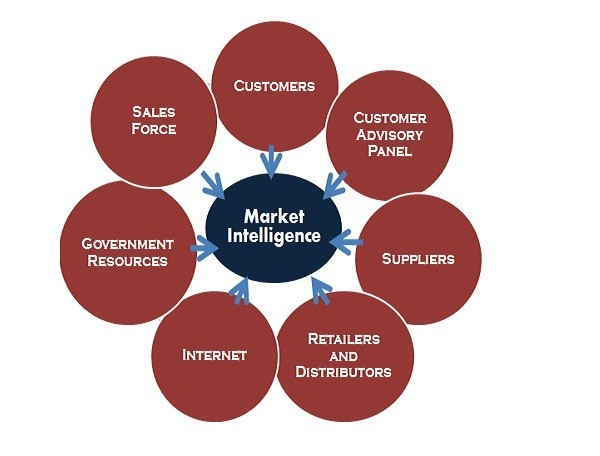
Key Benefits of Using Marketing Intelligence Tools
Marketing intelligence tools are indispensable in today’s fast-evolving business landscape. They enable companies to stay ahead by delivering insights that shape strategies, optimize campaigns, and boost overall performance. Here’s a deep dive into the key benefits these tools provide.
1. Enhanced Competitive Advantage
In the highly competitive business world, understanding your competitors and identifying industry trends is crucial. Marketing intelligence tools provide detailed insights into the competitive landscape, helping businesses maintain and strengthen their market position.
Use Cases in Identifying Industry Trends and Competitor Strategies
- Tracking Industry Trends: Marketing intelligence tools use data analytics to uncover shifts in market trends, such as changing consumer preferences or emerging technologies. For example, a clothing retailer might identify a growing demand for sustainable fashion, allowing them to adjust their product lines accordingly.
- Competitor Monitoring: These tools analyze competitor activity, such as pricing strategies, new product launches, and marketing campaigns. By understanding competitors’ moves, businesses can craft strategies to counteract them effectively.
Examples of Staying Ahead
- E-commerce Companies: Leading e-commerce brands leverage marketing intelligence tools to track competitor strategies, such as promotions during holiday seasons, and respond by launching their own competitive offers.
- Tech Startups: A tech company might use competitive intelligence tools to analyze the features of rival products and identify gaps that can be addressed in their next release.
By enabling businesses to proactively adapt to changes in the market environment and competitor actions, marketing intelligence tools provide a significant competitive edge.
2. Improved Customer Understanding
Understanding your customers is at the heart of every successful marketing campaign. Marketing intelligence tools deliver deep insights into customer segmentation, preferences, and behavior, helping businesses create more personalized and effective strategies.
Customer Segmentation, Preferences, and Behavior Insights
- Segmentation: Marketing intelligence software breaks down customer data into segments based on demographics, purchasing habits, and online interactions. For instance, an online bookstore can segment customers by genre preference or purchase frequency.
- Behavior Insights: Tools analyze customer behavior, such as browsing habits, product preferences, and purchase triggers. This allows businesses to predict customer needs and tailor their offerings accordingly.
How Customer Intelligence Enhances Marketing Campaigns
- Personalization: Insights into customer preferences help businesses design personalized marketing messages and offers, increasing engagement and conversions. For example, a streaming service might recommend content based on viewing history.
- Enhanced Satisfaction: By understanding customer feedback and addressing pain points, businesses can improve product offerings and customer experiences. A hospitality company, for instance, might use feedback data to enhance amenities and improve customer satisfaction.
With marketing intelligence tools, businesses can deepen their connection with their audience, ensuring their strategies align with customer needs and expectations.
3. Data-Driven Decisions
In the era of big data, intuition alone is no longer sufficient for decision-making. Marketing intelligence tools empower businesses to make data-driven decisions by delivering real-time data and actionable insights.
The Role of Real-Time Data in Strategic Decision-Making
- Quick Adaptation: Real-time insights enable businesses to respond swiftly to changes in the market environment, such as sudden shifts in demand or unexpected competitor actions.
- Strategic Alignment: By continuously monitoring key performance indicators (KPIs), businesses can ensure their strategies remain aligned with objectives.
Examples of Actionable Insights
- Retail: A retailer might use real-time sales data to identify a surge in demand for a particular product, prompting them to adjust inventory levels and focus on promoting the item.
- Digital Marketing: An online marketer can analyze campaign performance in real-time, identifying which ads generate the highest engagement and reallocating the marketing budget accordingly.
- Product Development: By analyzing customer feedback and market research data, a product team might uncover a need for new features or improvements, leading to more successful launches.
Through actionable insights, marketing intelligence tools allow businesses to optimize their operations, seize opportunities, and mitigate risks, ensuring they remain competitive and forward-thinking.
Features of Top Marketing Intelligence Tools
Marketing intelligence tools are equipped with a host of features designed to help businesses gain deeper insights into their market and customers. These tools not only streamline data analysis but also enable actionable strategies that drive growth and performance. Let’s explore some of the most comprehensive features of top marketing intelligence tools.
1. Comprehensive Features
Social Media Monitoring
Social media platforms are a goldmine for understanding customer sentiment and emerging trends. Marketing intelligence tools monitor platforms like Twitter, Instagram, and LinkedIn to:
- Track brand mentions and customer feedback.
- Identify viral trends and topics of interest to the target market.
- Gauge competitor activities on social channels.
For example, a consumer electronics brand can use social media monitoring to assess public reception to a new product launch, identifying areas of improvement or new opportunities.
Customer Sentiment Analysis
Customer sentiment analysis evaluates how customers feel about a brand, product, or service. By analyzing reviews, comments, and other feedback, businesses can:
- Identify pain points and address them proactively.
- Enhance customer satisfaction by responding to feedback promptly.
- Tailor marketing campaigns to align with positive sentiments.
Natural Language Processing (NLP)
NLP uses artificial intelligence to interpret human language, enabling tools to:
- Analyze unstructured data like customer reviews and surveys.
- Extract actionable insights from written and spoken feedback.
- Identify recurring themes and sentiment trends.
2. Integration Capabilities
Marketing intelligence tools often integrate seamlessly with existing systems, enhancing their utility across departments.
Digital Marketing Strategies
- Tools can align with digital marketing strategies to measure campaign performance, track ROI, and refine targeting efforts.
- Integration with platforms like Google Ads and social media managers ensures streamlined data analysis and optimized campaigns.
CRM Systems
- Integration with existing CRM systems consolidates customer data, providing a single source of truth for all interactions.
- This connectivity enables sales and marketing teams to collaborate more effectively and personalize their outreach efforts.
3. Software Capabilities
Real-Time Analytics
Real-time analytics allow businesses to make swift decisions based on current data. For instance:
- A retail business might identify a sudden spike in demand for certain products and adjust its inventory or marketing accordingly.
- Real-time insights can guide campaign adjustments for better engagement and performance.
Competitor Intelligence
- Competitor intelligence tools monitor competitor activity, such as pricing changes, product launches, and advertising strategies.
- They provide benchmarks for assessing a business’s performance relative to its competitors.
Market Landscape Insights
- These tools analyze market dynamics, including industry trends and growth opportunities.
- By identifying broader patterns, businesses can position themselves effectively within their market.

Competitive Intelligence vs. Market Intelligence
Although often used interchangeably, competitive intelligence and market intelligence are distinct concepts with unique benefits for businesses. Understanding the differences can help businesses deploy the right tools and strategies for specific needs.
1. Competitive Intelligence
Definition: Competitive intelligence involves gathering and analyzing information about competitors to understand their strengths, weaknesses, and strategies.
Role in Business Strategy
- Provides insights into competitor activity, such as pricing, marketing campaigns, and product developments.
- Helps businesses identify opportunities to differentiate their offerings.
Use in Competitor Activity Tracking
Competitive intelligence tools are instrumental in tracking:
- Product Innovations: Understanding new launches by competitors.
- Market Position: Analyzing competitor market share and customer base.
- Pricing Strategies: Adapting to competitor pricing changes.
For example, a software company might use competitor intelligence to identify features missing in its own products, guiding future development.
2. Market Intelligence
Definition: Market intelligence focuses on understanding broader market trends, customer behavior, and external factors that influence business performance.
Role in Business Strategy
- Analyzes market dynamics to identify opportunities and threats.
- Helps businesses anticipate shifts in customer preferences and industry growth.
Broader Scope
Market intelligence looks beyond competitors, encompassing factors like:
- Economic Trends: Assessing the impact of macroeconomic conditions.
- Industry Shifts: Monitoring changes in technology or regulations.
- Customer Demographics: Understanding the makeup and behavior of target markets.
How to Choose the Right Marketing Intelligence Software
Selecting the ideal marketing intelligence software is a pivotal step in driving your business forward. With numerous options available, it’s essential to evaluate your needs and ensure the chosen tool aligns with your goals. Here’s a detailed guide to help you make the best choice.
1. Factors to Consider
a. Industry Trends
- Stay informed about technological advancements shaping marketing intelligence tools, such as AI-driven analytics, natural language processing (NLP), and real-time data processing.
- Opt for tools that align with these trends to future-proof your investment. For example, businesses increasingly leverage social media monitoring for real-time trend analysis and sentiment tracking.
b. Business Needs
- Define your specific requirements:
- Do you need real-time analytics?
- Are you focused on customer segmentation or competitor intelligence?
- Choose software that caters to your unique operational needs. For instance, a business seeking deep insights into customer feedback will prioritize tools with robust NLP capabilities.
c. Customer Feedback
- Research reviews and testimonials to gauge the tool’s real-world performance.
- Seek out case studies that showcase how similar businesses have benefited from the software.
d. Pricing Strategies
- Evaluate the tool’s pricing model (e.g., subscription-based, tiered, or one-time license) and determine its fit within your marketing budget.
- Consider scalability: ensure the pricing accommodates growth in your business without unexpected cost spikes.
2. Importance of Compatibility
a. Integration with Existing Systems
- Ensure the software integrates seamlessly with your CRM systems, sales platforms, and digital marketing tools.
- Compatibility ensures smooth data flow, reducing manual efforts and minimizing errors.
b. Aligning with Marketing Budgets
- Choose tools that maximize ROI by offering robust features without overextending your financial resources.
- Avoid solutions with excessive features you may not use, as they may inflate costs unnecessarily.
3. Guide to Evaluating Software
a. Actionable Insights
- Prioritize tools that provide clear, actionable insights rather than just raw data.
- Look for capabilities such as:
- Visual dashboards for intuitive data interpretation.
- Alerts for real-time changes in customer behavior or market trends.
b. Strategic Decision-Making Support
- The software should empower your team to make informed, data-driven decisions.
- Evaluate how well the tool aligns with your go-to-market strategies and supports customer satisfaction goals.
c. User Experience and Support
- A user-friendly interface ensures your team can leverage the tool effectively without steep learning curves.
- Opt for solutions backed by strong customer support, training resources, and community forums.
Checklist for Choosing the Right Tool
- Define your goals: Identify the specific business challenges you want the software to address.
- Research potential tools: Look for platforms that align with industry trends and provide testimonials.
- Test compatibility: Ensure integration with existing systems and platforms.
- Evaluate pricing: Choose a solution that fits within your marketing budget while offering scalability.
- Assess features: Focus on tools that deliver real-time data, competitive intelligence, and actionable insights.
- Check usability: Select software that offers a smooth user experience with excellent support.
By carefully evaluating these factors, you can ensure that the marketing intelligence software you choose not only meets your current needs but also grows with your business. Selecting the right tool is an investment in your company’s future, enabling better decision-making, enhanced efficiency, and sustained growth.

Marketing Intelligence Tools in Action
Marketing intelligence tools are more than just data processors—they are strategic assets that enable businesses to connect disparate data points, extract actionable insights, and drive meaningful outcomes. Let’s explore how these tools function in real-world scenarios, their strategic applications, and the tangible benefits they deliver.
1. Real-World Applications in Sales and Marketing Data Integration
One of the most powerful applications of marketing intelligence tools is integrating data from sales and marketing functions. This integration provides a unified view of customer behavior, campaign performance, and sales outcomes, enabling businesses to make more informed decisions.
How It Works
- Centralized Data Management: Marketing intelligence tools collect and consolidate data from sources like CRM systems, social media platforms, and sales records.
- Cross-Department Collaboration: These tools enable sales and marketing teams to work seamlessly by providing access to shared insights.
- Performance Tracking: Real-time analytics allow teams to track how marketing efforts directly influence sales metrics.
Example
An e-commerce company used a marketing intelligence tool to link its online marketing campaigns with in-store sales data. By identifying which digital ads drove foot traffic to physical locations, the company optimized its marketing spend, resulting in a 15% increase in ROI.
2. Strategies for Delivering Actionable Insights
Marketing intelligence tools are designed to transform raw data into insights that can be acted upon immediately. Here’s how businesses can leverage these insights to enhance decision-making:
Identify Opportunities
- Tools analyze market trends and competitor activities, helping businesses identify growth opportunities.
- For example, a clothing retailer might discover a rising demand for sustainable products, prompting a shift in their product lines.
Optimize Campaigns
- By analyzing customer sentiment and feedback, businesses can refine their marketing messages.
- Real-time data allows for quick adjustments to campaigns that are underperforming.
Predict Customer Needs
- With the help of AI and machine learning, these tools predict future customer behaviors, enabling proactive strategies.
- A subscription box company used predictive analytics to identify which customers were likely to churn, allowing them to implement retention campaigns.
3. Deep Insights into Market Position
Understanding a company’s market position is critical for strategic planning. Marketing intelligence tools provide insights into:
- Competitive Landscape: Analyzing how competitors are positioning their products and services.
- Customer Perception: Gauging how customers perceive the company’s brand relative to competitors.
- Market Share Trends: Tracking shifts in market share to measure success against industry benchmarks.
Example
A SaaS company used a marketing intelligence platform to track customer satisfaction scores and compare them with competitors. These insights highlighted gaps in their product offering, leading to the development of a feature that significantly improved their standing in the market.
4. Enhanced Customer Satisfaction
Marketing intelligence tools play a crucial role in improving customer satisfaction by helping businesses understand and cater to their audience’s needs.
Applications
- Personalized Marketing: Customer segmentation data enables personalized campaigns that resonate more deeply with target audiences.
- Responsive Support: Insights from customer feedback allow companies to address complaints and improve service offerings.
Example
A hotel chain used customer sentiment analysis to identify common complaints about check-in wait times. By addressing this issue, they not only improved their service but also boosted customer satisfaction scores by 20%.
5. Improved Go-to-Market Strategies
Go-to-market strategies are essential for launching products and entering new markets. Marketing intelligence tools support these efforts by providing actionable data on target audiences and market conditions.
Applications
- Market Sizing: Tools analyze potential market size, helping businesses allocate resources effectively.
- Customer Targeting: Detailed insights into customer segmentation enable precise targeting, ensuring new product launches reach the right audience.
- Competitive Analysis: Evaluating competitor strengths and weaknesses helps position the product more effectively.
Example
A consumer electronics brand used marketing intelligence to plan the launch of a new smartphone. By analyzing customer needs and competitors’ offerings, they identified a gap for a mid-range device with premium features. The targeted launch strategy led to strong initial sales and positive customer feedback.
Key Takeaways
Marketing intelligence tools are transformative in their ability to:
- Integrate sales and marketing data for a unified view of performance.
- Deliver actionable insights that enable businesses to seize opportunities and improve efficiency.
- Provide deep insights into market position, helping companies refine their strategies.
- Enhance customer satisfaction through targeted campaigns and service improvements.
- Support effective go-to-market strategies that align with customer needs and market conditions.
By leveraging these tools, businesses can align their operations with market demands, improve customer relationships, and stay ahead of the competition. In the next section, we’ll explore how these tools are evolving to meet future business challenges.
FAQs about Marketing Intelligence Tool
Market intelligence focuses on analyzing broader market dynamics, including trends, customer behavior, and external factors, while marketing intelligence hones in on customer preferences and campaign performance.
Marketing intelligence tools analyze customer feedback, preferences, and behaviors, allowing businesses to tailor campaigns and address customer needs, which improves satisfaction and loyalty.
Key features include real-time analytics, customer sentiment analysis, social media monitoring, natural language processing, and integration with CRM systems and digital marketing platforms.
These tools seamlessly integrate with CRM systems and other software, consolidating data from multiple sources to provide a unified view of customer interactions and market insights.
Real-time data allows businesses to respond quickly to market changes, customer behavior, and competitor actions, enabling agile and informed decision-making.
Actionable insights are data-driven conclusions that can be directly implemented into business strategies to improve performance and achieve goals effectively.
Yes, many tools offer scalable and affordable solutions tailored to the needs of small businesses, helping them optimize mark
Marketing intelligence tools have become an indispensable asset in the modern business environment. By offering businesses a way to collect, analyze, and act on data, these tools empower organizations to navigate the complexities of today’s competitive landscape with precision and confidence.
The Value of Marketing Intelligence Tools
- Strategic Decision-Making: These tools turn raw data into actionable insights, helping businesses make informed, data-driven decisions.
- Enhanced Customer Understanding: By analyzing customer preferences, behavior, and sentiment, businesses can create personalized experiences that drive satisfaction and loyalty.
- Competitive Edge: Through competitor intelligence and market insights, companies can identify opportunities and threats, ensuring they stay ahead in the marketplace.
- Operational Efficiency: Tools streamline data integration and collaboration between sales and marketing teams, fostering better alignment and higher ROI.
- Future-Ready Solutions: With advancements in AI, machine learning, and natural language processing, marketing intelligence tools are poised to address emerging business challenges.
The Importance of Data-Driven Decisions
In an era where data is abundant but actionable insights are scarce, marketing intelligence tools bridge the gap. They not only enhance the effectiveness of marketing campaigns but also support long-term growth strategies, ensuring businesses remain resilient and adaptable in dynamic markets.
Investing in the right marketing intelligence tool is no longer optional—it’s a necessity. Businesses that embrace these tools unlock deeper customer connections, more effective strategies, and a stronger market position. As technology continues to evolve, staying ahead means leveraging the full potential of marketing intelligence to foster growth, innovation, and customer success.
Take the step today to adopt marketing intelligence tools and position your business as a leader in your industry. The insights and advantages they offer will pave the way for sustainable growth and a competitive future.


