


In the past decade, dishwasher technology has improved dramatically, with several innovations focusing on reducing both water consumption and energy use. Modern water-saving dishwashers offer energy and water savings compared to traditional models, which can significantly reduce utility bills and help homeowners save money.
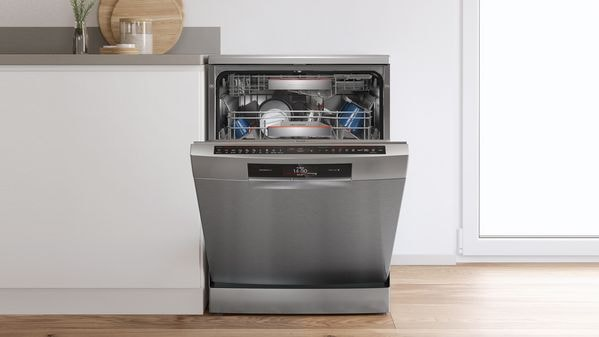
The Role of Dishwashers in Water Conservation
Many people assume that washing dishes by hand saves more water, but that’s a misconception. Today’s energy-efficient dishwashers use less than four gallons of water per cycle, compared to the 20+ gallons often used when handwashing dishes. The average dishwasher is far more efficient than washing dishes by hand, making it a better choice for those looking to save water.

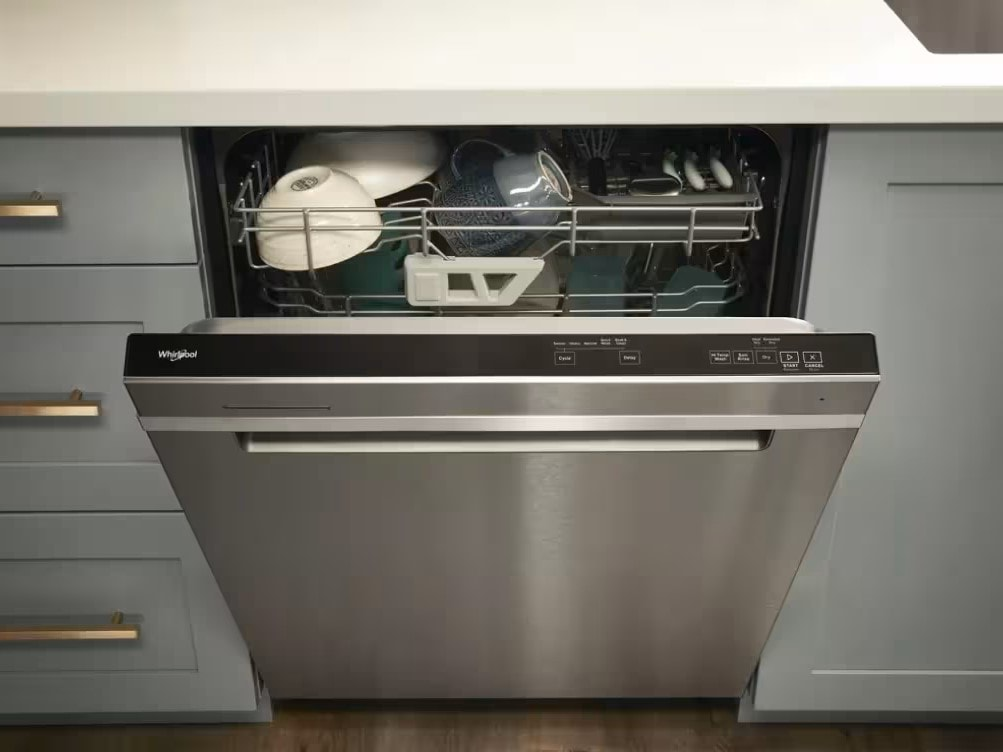
How Dishwashers Save Water
Modern dishwasher models incorporate advaned technologies, like soil sensors that adjust the water and cycle length based on how dirty dishes are. This prevents waste water and ensures that dishes come out clean using about the same amount of water, regardless of load size. The best water-saving dishwashers use efficient jets to reduce water consumption while maintaining performance.
Energy Efficiency and Water Savings
Energy-efficient dishwashers do more than save water; they also reduce energy use, leading to lower utility bills. Dishwashers with ENERGY STAR certification are specially designed to meet strict standards for both energy and water usage, making them a smart choice for consumers interested in energy savings.
What Is ENERGY STAR Certification?
An ENERGY STAR certified dishwasher is one that meets federal standards for energy and water consumption. ENERGY STAR certified models are at least 12% more energy-efficient and use 30% less water than non-certified models. If you’re looking to save energy, it’s essential to choose a new dishwasher that has ENERGY STAR certification.
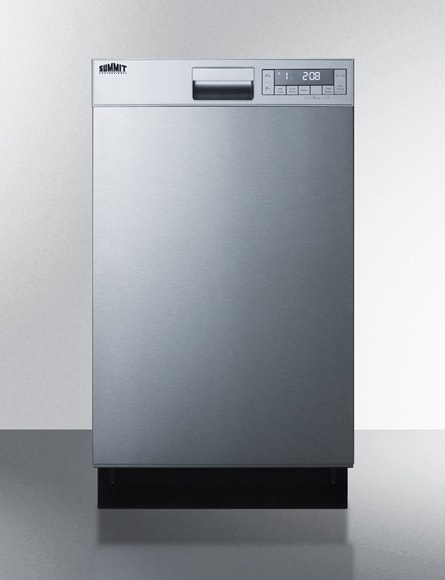
Top Water-Saving Dishwasher Models for 2024
Here are some of the best water-efficient dishwashers to consider for 2024:
Bosch 800 Series Dishwasher – Known for using less than four gallons of water per cycle.
Miele G 7000 – Features improved water filtration for cleaner dishes with minimal water consumption.
Samsung StormWash – Uses efficient jets to tackle tough dirty dishes while saving water.
LG QuadWash – Boasts more efficient jets and heavy-duty cleaning performance.
Whirlpool WDT750SAKZ – An affordable, energy-efficient dishwasher with a large capacity for place settings.
How Much Water Does an Average Dishwasher Use?
On average, modern dishwashers use between 3-4 gallons of water per cycle, depending on the model. This is a fraction of the water used during hand washing dishes, which can use up to 27 gallons of water when the sink is left running.
Dishwashers vs. Hand Washing: Which Saves More Water?
Hand washing dishes wastes significantly more water than using a dishwasher, especially when you run the tap continuously. A full load in a great dishwasher uses about the same amount of water as handwashing a few dishes, and modern dishwasher use is far more efficient overall.
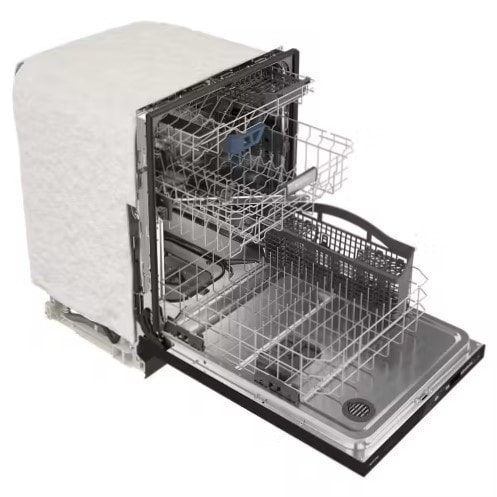
Water-Saving Features to Look For in a Dishwasher
When selecting a new dishwasher, look for features like:
Soil sensors to adjust water usage based on how dirty dishes are.
More efficient jets for better cleaning with less water.
Improved water filtration systems that recycle water during the wash cycle.
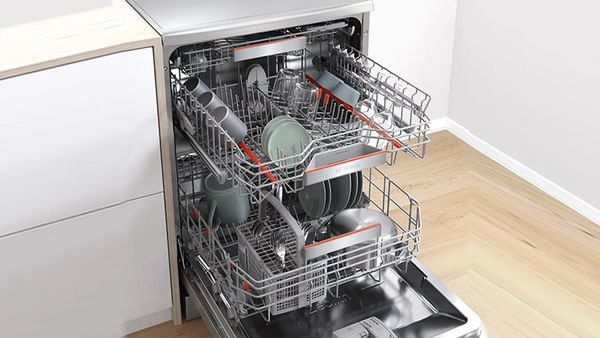
Dish rack designs that allow better placement of dishes to improve performance.
How Dishwashers Save Energy
In addition to saving water, dishwashers with energy-saving features like efficient jets and soil sensors also help you save energy. These innovations reduce the amount of water heated during each wash, cutting down on energy use. Over time, this results in lower utility bills and energy savings for the homeowner.
Reducing Water Consumption: Tips for Dishwasher Users
If you want to maximize water savings, follow these tips for better dishwasher use:
Only run your dishwasher when it’s fully loaded with a full load of dishes.
Avoid the pre-rinse cycle—most efficient dishwashers are designed to clean dishes without needing a pre rinse.
Scrape food off plates instead of rinsing them to save both water and energy.
Use eco-friendly or short wash cycles to further reduce water consumption.
Why ENERGY STAR Certified Dishwashers Are a Must-Have
Opting for an ENERGY STAR certified dishwasher means you’re investing in a product that will save water, save energy, and reduce your overall water and energy costs. These models are ideal for households looking to minimize their environmental footprint while maintaining top-notch performance in keeping dishes clean.
Heavy Duty Cleaning with Less Water
Some may wonder if water-saving dishwashers can handle heavy-duty cleaning. The answer is yes. Thanks to advancements in dishwasher technology, modern dishwashers with efficient jets can remove tough food residues from dirty dishes without using excessive water. You’ll get spotless results without the need for extra cycles.
Saving Time and Money with a Water-Saving Dishwasher
Not only do water-saving dishwashers help you save time by cleaning dishes efficiently, but they also help you save money on utility bills. Over the lifespan of your dishwasher (typically over a decade), these savings can add up, making the initial investment worthwhile.
How to Load Your Dishwasher for Maximum Efficiency
To get the best results from your dishwasher, make sure you’re loading it correctly. Place dishes in a way that allows water to reach every surface, ensuring each item is properly cleaned in one cycle. This maximizes water savings and prevents the need for additional cycles.
The Future of Water-Efficient Dishwashers
As dishwasher technology continues to evolve, dishwashers are becoming even more efficient. We can expect further reductions in both energy and water consumption in future models, allowing for greater water and energy conservation while delivering the same (or better) cleaning performance.
FAQs About Water-Efficient Dishwashers
Modern water-saving dishwashers can save hundreds of gallons of water annually compared to hand washing.
Yes, thanks to more efficient jets and improved water filtration, these dishwashers clean dishes just as well as traditional models.
Use eco-friendly settings, avoid the pre-rinse cycle, and only run the dishwasher with a full load.
Absolutely! ENERGY STAR certified models offer significant savings on both water and energy costs over their lifespan.
Yes, you’ll notice lower utility bills due to reduced energy use and water consumption.
By incorporating these practices and investing in a water-saving dishwasher, you’ll be doing your part to conserve natural resources while enjoying lower utility bills. Whether you’re looking to upgrade an old appliance or improve your home’s efficiency, modern dishwasher models provide an excellent solution for anyone focused on saving water and energy. For more tips, consult our Dishwasher Buying Guide to make an informed choice.


